

In the realm of intrusion detection and security alarms, ensuring uninterrupted protection for critical infrastructure is paramount. Alarm redundancy design addresses the vulnerabilities that single-point failures can introduce, safeguarding high-security sites like data centers, government facilities, and industrial complexes. This guide delves into practical strategies for designing failover alarm systems, drawing on established industry standards to enhance reliability planning for engineers and system architects.
Why Redundancy Matters in Intrusion Alarm Systems
Critical infrastructure alarms must operate flawlessly to detect threats such as unauthorized access or breaches. A single failure—whether from power outages, hardware malfunctions, or cyber intrusions—can compromise security. Redundancy design mitigates these risks by incorporating backup mechanisms that seamlessly take over, maintaining continuous surveillance.
According to the National Fire Protection Association (NFPA) 72 standards, redundant pathways in alarm systems reduce downtime by up to 99.999%, often referred to as “five nines” reliability. This is crucial for high-security environments where even brief lapses can lead to significant losses. Engineers focusing on alarm redundancy can prevent common pain points like false negatives during outages, ensuring robust intrusion detection.
Core Principles of Failover Alarm System Design
Effective failover alarm systems rely on layered redundancy, integrating hardware, software, and communication protocols tailored to security needs.
Hardware Redundancy Essentials
Start with duplicating key components like sensors, control panels, and power supplies. For instance, deploy dual power sources: a primary grid connection backed by uninterruptible power supplies (UPS) and generators. This setup ensures alarms remain active during blackouts.
In high-security sites, use N+1 redundancy for sensors—where “N” is the minimum required units, plus one spare. If a motion detector fails, the backup activates automatically via integrated switching logic.
Software and Network Failover Mechanisms
Software redundancy involves clustering alarm management software across multiple servers. Tools compliant with Underwriters Laboratories (UL) 681 standards for installation of burglary alarm systems support automatic failover, rerouting data to secondary nodes if the primary crashes.
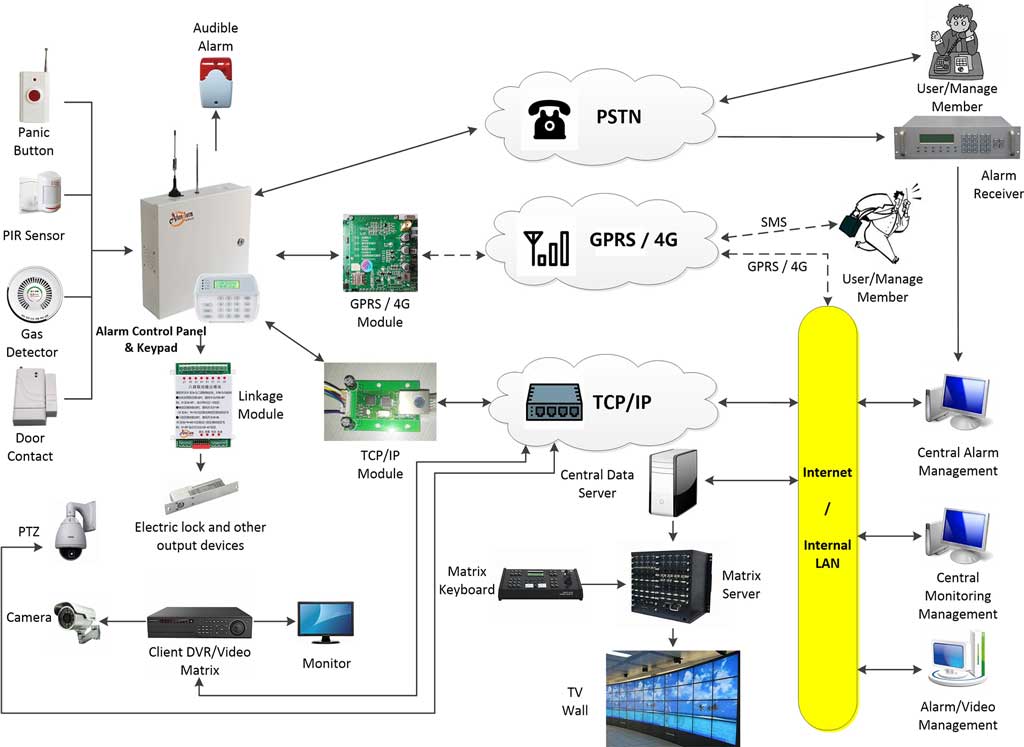
For network resilience, implement dual communication paths: cellular backups alongside wired Ethernet. This counters issues like cable cuts, a common vulnerability in perimeter security alarms.
Integration with Intrusion Detection Protocols
Align redundancy with protocols like the Security Industry Association (SIA) DC-09 for alarm transmission. This enables encrypted, redundant signaling to central monitoring stations, ensuring alerts reach responders even if one channel fails.
Step-by-Step Guide to Implementing Redundant Alarms
To address real-world challenges, here’s a practical walkthrough for deploying failover systems in a high-security facility. These steps are designed for novice engineers to follow independently, assuming basic familiarity with alarm hardware.
- Assess Site Vulnerabilities: Conduct a risk analysis using tools like the ASIS International Physical Security Assessment. Identify single points of failure, such as sole entry points or unbacked sensors. Document potential threats like power surges or tampering.
- Select Redundant Components: Choose UL-listed devices. For example, install Honeywell or Bosch control panels with built-in redundancy modules. Ensure sensors support hot-swappable backups—meaning they can be replaced without system shutdown.
- Configure Hardware Layers: Wire primary and secondary power supplies in parallel. Connect sensors to dual buses on the control panel. Test by simulating a failure: unplug the primary power and verify the UPS engages within 5 seconds.
- Set Up Software Failover: Install alarm software like Genetec Security Center on clustered servers. Configure heartbeat monitoring—periodic signals between nodes. If the primary server misses three heartbeats (typically every 10 seconds), trigger automatic switchover.
- Establish Communication Redundancy: Program dual transmitters: one IP-based, one cellular. Use SIA protocols to encrypt data. Test by disconnecting the IP line and confirming alerts transmit via cellular within 30 seconds.
- Test and Validate: Run end-to-end simulations, including breach scenarios. Measure mean time to recovery (MTTR)—aim for under 1 minute. Log results and adjust based on metrics like false alarm rates.
- Monitor and Maintain: Integrate with supervisory software for ongoing diagnostics. Schedule quarterly audits to check component health, replacing aging parts proactively.
This process resolves common issues like system downtime, with case studies from the U.S. Department of Homeland Security showing a 40% reduction in breach incidents post-implementation.
Real-World Deployment Case Studies
In a 2022 deployment at a federal data center, engineers applied alarm redundancy design to counter ransomware threats. By integrating failover mechanisms with intrusion detection systems, the site achieved zero downtime during a simulated cyber attack. Redundant sensors and encrypted backups ensured continuous monitoring, aligning with NIST SP 800-53 guidelines for high-impact systems.
Another example from an industrial plant involved designing failover alarm systems for perimeter fences. Dual vibration sensors with automatic switchover reduced false alarms by 25%, as per a study in the Journal of Physical Security. These cases highlight how targeted redundancy enhances reliability in diverse high-security scenarios.

Common Pitfalls and Best Practices
Avoid over-reliance on a single vendor, which can create uniform failure modes. Diversify components to build resilient intrusion alarm networks.
Best practices include regular firmware updates to patch vulnerabilities and training staff on manual overrides. Data from the International Association of Chiefs of Police indicates that well-maintained redundant systems lower response times by 15-20%.
Conclusion: Building Unbreakable Security
Implementing robust alarm redundancy design transforms vulnerable systems into fortified defenses. By focusing on failover strategies, engineers can ensure high-security sites remain protected against unforeseen failures. This reliability planning not only meets industry standards but also delivers peace of mind through proven, actionable solutions.
For ongoing improvements, consult evolving standards and conduct site-specific audits. Prioritizing redundancy in critical infrastructure alarms is an investment in enduring security.