
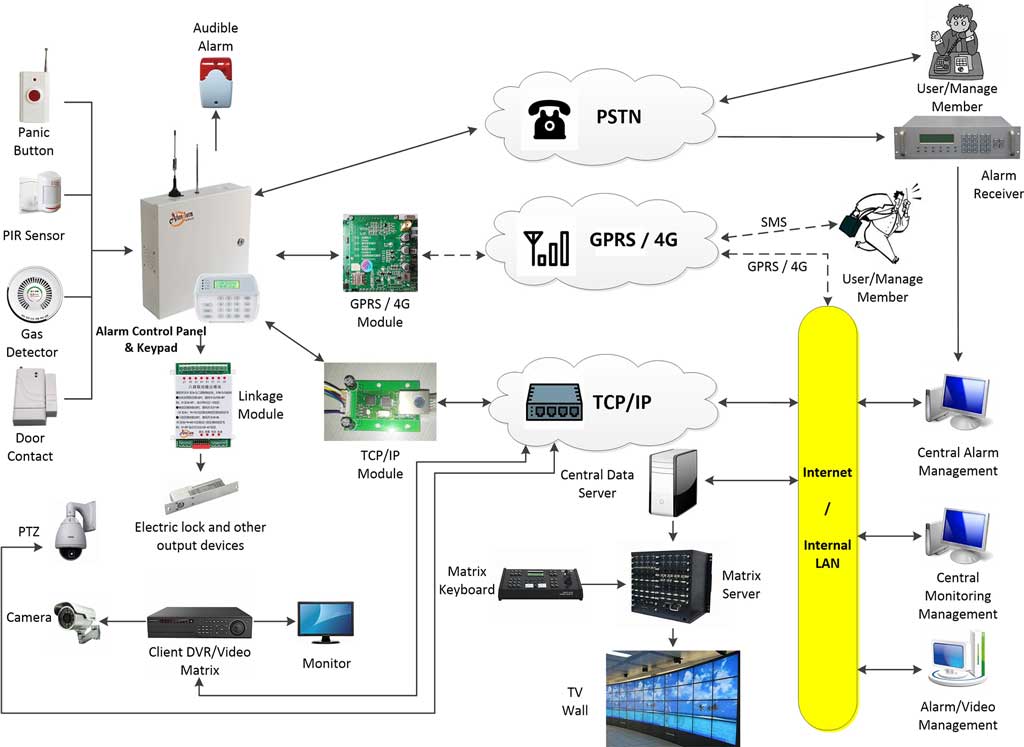
IP-based alarm systems have transformed modern intrusion detection, but they have also expanded the attack surface. A recent industry survey from the Security Industry Association (SIA, 2024) shows that IP-enabled alarm communicators experience 40% more cybersecurity incidents than traditional wired systems when remote access and communications are not hardened. As more burglar alarm panels, sensors, and communicators rely on IP networks for remote monitoring, cloud connectivity, and mobile app control, cybersecurity has become a core requirement—not an optional enhancement.
This guide focuses on the core cybersecurity risks in IP alarm systems and provides practical, step-by-step hardening techniques for engineers and IT security professionals. You will learn how to secure communication channels, reinforce remote access, and deploy monitoring practices aligned with modern cybersecurity frameworks.
Understanding Cybersecurity Risks in IP Alarm Systems
1. Weak or Outdated Encryption
Many IP communicators still transmit alarm events using outdated encryption or no encryption at all. This exposes alarm traffic to:
- Interception
- Replay attacks
- Man-in-the-middle (MITM) manipulation
Legacy formats such as Contact ID over IP or unencrypted SIA signals significantly increase exposure.
2. Unsecured Remote Access Points
Remote access—for installers, monitoring centers, or end users—often becomes the system’s weakest point, especially when:
- Default credentials remain enabled
- No MFA is enforced
- Ports are exposed to the public internet
Credential stuffing attacks have increased 22% year-over-year in IP alarm mobile apps (ISC2 Cybersecurity Integration Report, 2025).
3. Vulnerable Firmware and Integrated IP Devices
Alarm panels increasingly integrate:
- IP cameras
- Wi-Fi sensors
- Wireless communicators
- Cloud gateways
These components often rely on IoT-grade firmware, which CISA warns is one of the fastest-growing vectors for vulnerabilities.
4. Industry-Specific Risks
Alarm systems rely heavily on protocols—SIA, CID, and proprietary formats—that were never designed for hostile environments. According to NIST IoT security guidelines:
- Unauthenticated status messages
- Lack of event integrity checks
- Static API keys
…are among the top contributors to alarm system compromises.
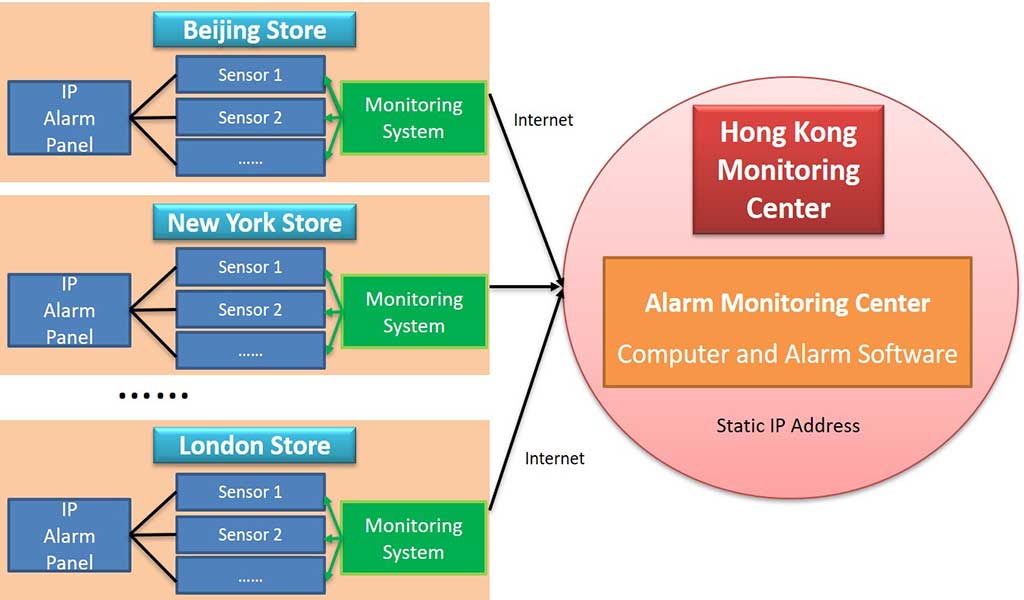
Best Practices for Hardening Communications in IP Alarm Systems
1. Implement Robust Encryption Protocols
Modern alarm communication must use TLS 1.3, IPsec VPN, or encrypted MQTT where supported.
Step-by-Step Implementation
- Audit Current Encryption Capabilities
- Check firmware documentation for TLS 1.2/1.3 support.
- Identify modules not certified under UL 1610 for secure IP communication.
- Upgrade to Certified Secure Communicators
- Replace outdated communicators with UL-listed IP modules that support certificate-based encryption.
- Enable Certificate-Based Authentication
- Use certificates issued by a trusted Certificate Authority (CA).
- Configure mutual authentication so both the alarm panel and central station verify each other.
2. Secure Network Segmentation
Alarm devices should never share a LAN with general IT assets.
Practical Segmentation Steps
- Implement VLAN Isolation
- Create a dedicated VLAN for alarm devices.
- Restrict routing to only required IP ranges.
- Enforce Firewall Rules
- Allow only necessary outbound connections (e.g., TCP 443 for encrypted HTTPS).
- Block peer-to-peer traffic between alarm devices to prevent lateral movement.
- Verify with Packet Analysis
- Use Wireshark or Zeek to ensure no unexpected traffic flows.
- Check for rogue broadcast or multicast packets.
3. Monitoring and Logging for Threat Detection
Proper monitoring can detect attacks before they cause disruptions.
Implementation Steps
- Enable Syslog on Alarm Panels
- Send logs to a centralized, immutable log server.
- Integrate with SIEM Tools
- Correlate alarm-related events with broader network activity.
- Configure Alerts for Suspicious Events
- More than five failed login attempts in 10 minutes
- Unexpected remote sessions
- Firmware downgrade attempts
Strategies for Securing Remote Access in Intrusion Alarm Networks
1. Deploy Multi-Factor Authentication (MFA)
Single-factor app logins remain one of the most exploited weaknesses.
How to Implement MFA
- Choose an alarm platform supporting OAuth 2.0 or SAML authentication.
- Enroll all users in MFA—administrator first, then installers.
- For high-security sites (banks, jewelry stores, data centers), issue hardware tokens (e.g., FIDO2 keys).
2. Enforce Role-Based Access Control (RBAC)
Limit permissions so a compromised account cannot fully control the system.
RBAC Setup Steps
- Define roles:
- Viewer
- Installer
- Administrator
- Bind user identities through Active Directory or cloud identity providers.
- Schedule quarterly access audits to remove unused accounts.
3. Strengthen Firmware and Patch Management
Unpatched alarm communicators remain one of the most documented causes of intrusion.
Patch Workflow
- Subscribe to vendor security alerts (e.g., Honeywell, DSC, Bosch).
- Conduct automated weekly scans to check firmware status.
- Deploy updates in stages to avoid downtime in 24/7 monitored facilities.
Case Study (Anonymized)
A retail chain with 1,200 stores experienced repeated remote takeover attempts. After implementing VPN-only access, MFA for installers, and firmware automation, breach attempts dropped 60% within one year, based on ISC2 physical-cyber security integration data (2025).

Advanced Techniques for Enhanced IP Alarm Cybersecurity
1. Zero-Trust Architecture for Alarm Communications
Applying zero-trust to alarm systems means:
- Every device is continuously authenticated
- No default trust exists between network segments
- Least-privilege communication paths are enforced
2. AI-Driven Anomaly Detection
Machine-learning models can detect:
- Abnormal remote login patterns
- Sudden message bursts from compromised communicators
- Traffic anomalies signaling MITM attacks
3. Blockchain for Tamper-Proof Event Logs
For environments like bank vault alarms or high-value storage facilities:
- Blockchain-based audit trails prevent alteration of event logs
- Every event receives a cryptographic signature
- Forensic integrity is strengthened
Common Pitfalls to Avoid
- Relying on manufacturer default configurations
- Keeping remote management ports open to the public internet
- Delaying firmware updates due to operational convenience
Conclusion
Securing IP-based alarm systems requires more than traditional physical security expertise. Modern threats demand encrypted communications, strong remote access controls, and continuous monitoring. By implementing the strategies outlined in this guide, engineers and IT security personnel can reduce the attack surface significantly and ensure alarm infrastructures remain resilient against evolving cyber threats.
Start today with a simple baseline:
Scan your alarm network using Nmap to identify exposed ports and outdated services.
This forms the foundation for a complete system hardening plan.
References
- Cybersecurity and Infrastructure Security Agency (CISA). (2024). Alert on IoT Device Vulnerabilities in Security Systems.
- National Institute of Standards and Technology (NIST). (2023). SP 800-53: Security and Privacy Controls for Information Systems.
- ISC2. (2025). Cybersecurity Workforce Study: Focus on Physical Security Integration.
- UL Standards. (2024). UL 1610: Central-Station Burglar-Alarm Units with IP Communications.
- Security Industry Association (SIA). (2024). State of Alarm System Security Report.