

Reliable radio communication is the backbone of any wireless intrusion alarm system. Motion detectors, door contacts, panic buttons, and keypads all depend on stable RF links to the control panel. When radio range is insufficient or poorly verified, the result is predictable: intermittent supervision loss, delayed alarms, or complete device drop-outs.
This guide provides field-proven wireless alarm range testing methods specifically for intrusion systems. It focuses on practical signal strength measurement, not theoretical specifications, so technicians can confidently validate coverage, eliminate blind spots, and prevent future service calls.
Why Wireless Alarm Range Testing Is Non-Negotiable
Manufacturers often publish “open-air” transmission distances, but real installations are far more complex. Walls, steel structures, electrical noise, and even human movement all affect RF performance.
In intrusion systems, inadequate wireless alarm range testing commonly leads to:
- Random device offline events
- Supervision faults after occupancy changes
- Increased false alarms or missed alarms
- Costly post-installation troubleshooting
Industry field data shows that wireless communication issues are among the top three causes of alarm system service visits, especially in residential retrofits and light commercial buildings.
Effective wireless alarm range testing ensures:
- Every device operates within a safe RF margin
- Signal strength remains stable over time
- Compliance with intrusion alarm standards and best practices
Key Factors Affecting Radio Range in Wireless Intrusion Devices
Before testing begins, technicians must understand what actually limits signal strength in intrusion systems:
- Operating frequency (e.g., 433 MHz, 868 MHz, 915 MHz)
- Transmit power and antenna efficiency
- Building materials (reinforced concrete, metal doors, elevators)
- RF noise sources (Wi-Fi routers, industrial equipment, IoT devices)
- Device orientation and mounting height
- Battery condition and internal impedance
Wireless alarm range testing is meaningful only when these variables are considered during measurement.
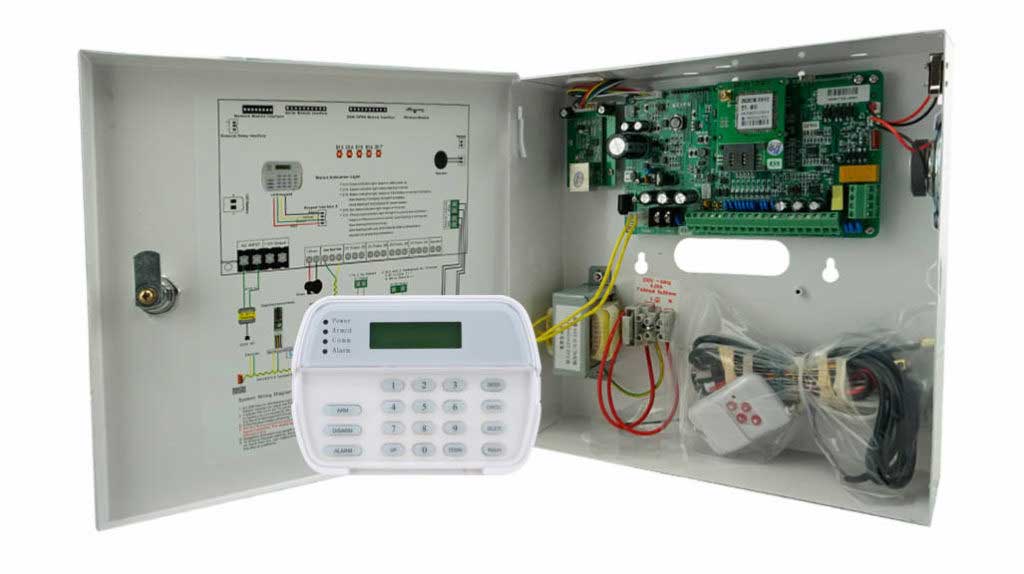
Tools Commonly Used for Signal Strength Measurement in Intrusion Systems
Professional testing does not always require laboratory equipment. Most intrusion technicians already have access to effective tools:
- Control panel diagnostic mode (RSSI or link quality display)
- Manufacturer test transmitters or walk-test modes
- Handheld RF meters or spectrum analyzers
- Installer mobile apps for wireless alarm diagnostics
- Floor plans or site drawings for mapping results
RSSI (Received Signal Strength Indicator), usually expressed in dBm, remains the most widely used metric for wireless alarm range testing.
Method 1: Walk-Test Range Verification (Field Standard)
The walk-test is the most practical and widely used method for wireless alarm range testing during installation and troubleshooting.
Step-by-Step Procedure
- Enable Test Mode
Place the alarm control panel into installer or walk-test mode to prevent live alarm transmission. - Check Baseline Signal at the Panel
Activate the wireless device close to the panel and confirm strong RSSI values. This establishes a reference point. - Move to the Intended Installation Location
Walk the device to its final mounting position and trigger multiple transmissions. - Observe Signal Strength and Stability
- Consistent readings above the manufacturer’s minimum threshold indicate acceptable range.
- Fluctuating or borderline values suggest future reliability risks.
- Test Worst-Case Paths
Always test through the maximum number of walls or floors, not just straight-line distance. - Record Results
Document RSSI values and locations for future maintenance reference.
This method directly addresses the most common technician concern: “Will this device stay connected after the job is finished?”
Method 2: RSSI Mapping for Multi-Room or Commercial Sites
In larger intrusion systems, single-point testing is not enough. RSSI mapping provides a clearer picture of overall wireless coverage.
Practical Mapping Workflow
- Divide the site into logical zones or rooms
- Trigger the wireless device at each location
- Record RSSI values and supervision response times
- Identify low-margin areas where signal strength degrades
- Adjust device placement, antenna orientation, or add repeaters
RSSI mapping is especially valuable in:
- Warehouses with metal shelving
- Office buildings with raised floors
- Retail spaces with changing layouts
This approach transforms wireless alarm range testing from guesswork into a repeatable engineering process.
Method 3: Long-Term Signal Stability and Environmental Testing
Short tests confirm connectivity, but they do not guarantee long-term reliability. Environmental conditions can significantly affect wireless intrusion devices.
Recommended Stability Test
- Install devices in final positions
- Monitor RSSI and supervision reports over 24–72 hours
- Observe performance during:
- Peak occupancy
- HVAC operation cycles
- Nighttime temperature changes
Technicians often discover that signals acceptable during installation degrade after environmental changes, especially in industrial or mixed-use buildings.
Interpreting Signal Strength Results Correctly
A common mistake in wireless alarm range testing is focusing only on whether communication exists, not how strong and stable it is.
General industry guidance for intrusion systems:
- Strong margin: Reliable operation with long-term stability
- Moderate margin: Acceptable but requires careful monitoring
- Weak margin: High risk of future supervision loss
Always leave sufficient RF margin to account for:
- Battery aging
- Furniture or layout changes
- Additional wireless devices added later
Common Wireless Range Testing Mistakes to Avoid
- Testing devices before final mounting
- Ignoring battery voltage during testing
- Relying solely on advertised transmission distance
- Testing only line-of-sight paths
- Skipping documentation for future service teams
Avoiding these errors significantly reduces callbacks and improves system credibility.
Compliance and Industry References
Professional wireless alarm range testing should align with recognized intrusion alarm standards, including:
- EN 50131-5-3 – Requirements for RF interconnection equipment
- UL 639 – Intrusion-Detection Units
- FCC Part 15 – RF emission and interference regulations
Manufacturers also provide system-specific guidance that should always be followed during signal strength measurement.
Conclusion
Effective wireless alarm range testing is not optional—it is a core responsibility of every intrusion system technician. By combining walk-tests, RSSI mapping, and long-term stability checks, professionals can ensure that wireless alarm devices perform reliably long after installation.
Accurate signal strength measurement protects system integrity, reduces false alarms, and delivers the level of reliability end users expect from a modern intrusion detection system.
A well-tested wireless alarm system is not just installed—it is engineered for real-world conditions.