
Introduction
A single overlooked maintenance task can lead to a security breach that could have been easily prevented. In recent industry cases, intrusion alarms failed during break-ins because dust-obstructed sensors went unchecked or backup batteries were never replaced. These real-world incidents underscore the critical role of security system maintenance and why routine alarm system upkeep is indispensable for professionals and decision-makers responsible for safeguarding assets.
Security system maintenance refers to the scheduled inspection, testing, adjustment, and optimization of all alarm components—sensors, control panels, communication modules, and software—to ensure reliable performance. Effective maintenance strengthens intrusion detection accuracy, minimizes false alarms, and extends equipment lifespan. This article provides actionable guidance for technicians, product managers, procurement teams, and bulk alarm system buyers, helping them enhance performance and maximize ROI.
Drawing from authoritative industry standards such as ISA-18, NFPA 72, IEC 62682, and UL compliance requirements, this guide explores maintenance routines, optimization techniques, troubleshooting steps, and preventive maintenance planning. The following sections offer practical, evidence-based insights designed to elevate reliability and operational continuity.
1. The Importance of Regular Security System Maintenance
Routine maintenance is fundamental to sustaining intrusion alarm reliability and minimizing operational risks. A properly maintained alarm system not only reduces false alarms but also protects the long-term integrity of sensors, wiring, and communication modules.
1.1 Why Maintenance Matters
Neglecting regular upkeep can result in:
- False alarms triggered by dust, vibration, or environmental drift.
- Undetected sensor failures, leaving areas unprotected during critical incidents.
- Increased repair costs due to emergency service calls or equipment replacement.
- Regulatory non-compliance, especially for businesses requiring NFPA or UL certification.
Industry research from ASIS International indicates that companies implementing structured preventive maintenance programs reduce annual security system failures by 30–45%, with significant cost savings.
1.2 Impact on Procurement and ROI
For procurement and bulk-purchase decision-makers, the benefits of routine alarm system maintenance for commercial properties extend directly to lifecycle cost optimization. Well-maintained systems deliver:
- Longer component lifespan (especially sensors and batteries).
- Lower total cost of ownership.
- Greater integration stability with VMS, access control, and IoT analytics platforms.
Neglecting maintenance leads to system degradation, compromising intrusion detection reliability and increasing long-term operational expenses.
2. Key Components to Inspect in Your Alarm System
A comprehensive inspection covers all hardware and software elements. Technicians should create standardized checklists tailored to their specific system architecture.
2.1 Sensors and Detectors
- Inspect for tampering, misalignment, or obstruction.
- Clean PIR lenses and microwave sensors to prevent false triggers.
- Test magnetic contacts for consistent open/close signaling.
2.2 Wiring and Connectivity
“Inspecting wiring in security system maintenance routines” is essential to uncover corrosion, loose terminals, or rodent damage. Damaged wiring is a leading cause of intermittent alarms or device offline alerts.
2.3 Batteries and Power Systems
Routine “battery checks for optimizing burglar alarm systems” prevent failure during outages. Replace sealed lead-acid or lithium batteries according to manufacturer schedules—typically every 2–3 years.
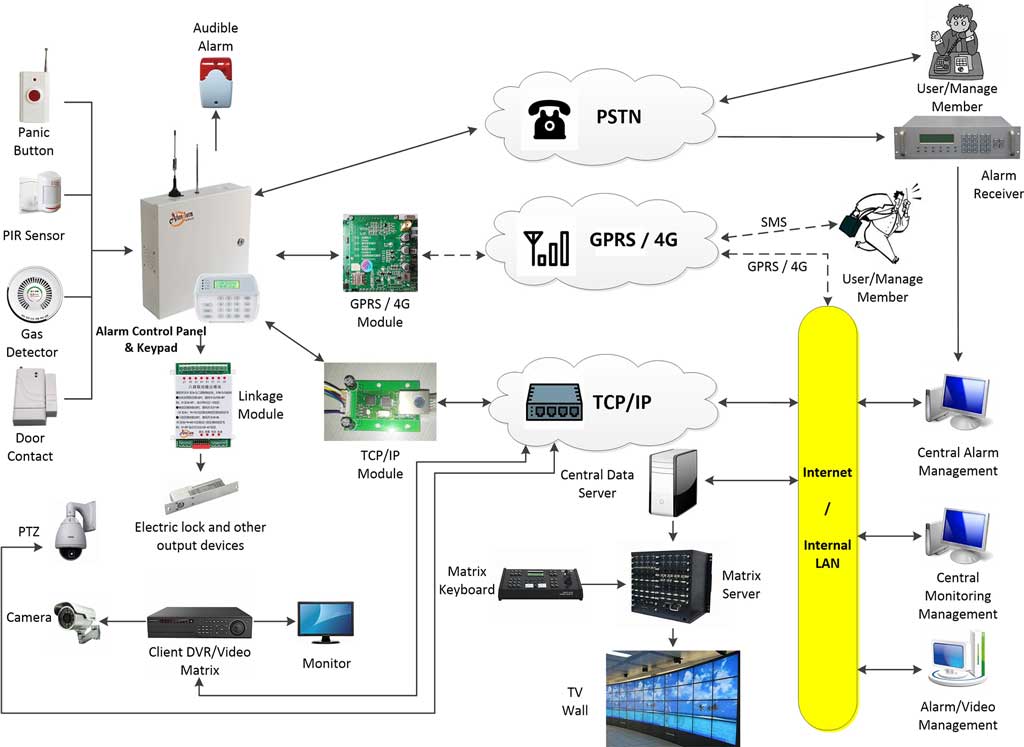
2.4 Control Panels and Communication Modules
- Verify firmware versions and panel event logs.
- Test IP communication paths for latency or packet loss.
- Ensure backup communication channels (GPRS/LTE) are active.
2.5 Industry Standards for Inspection
Use guidelines from:
- NFPA 72 — inspection/testing schedules for integrated alarms.
- UL 681 & UL 2050 — wiring, installation, and performance criteria.

3. Optimization Strategies for Enhanced System Performance
Modern intrusion alarms support advanced features that significantly improve reliability when properly configured.
3.1 Firmware and Software Updates
“Techniques for optimizing security systems with firmware updates” include:
- Applying patches that resolve stability issues.
- Updating encryption protocols to improve cybersecurity.
- Enhancing sensor algorithms for detection accuracy.
Schedule updates during off-peak hours to minimize disruptions.
3.2 AI-Driven Analytics and Predictive Maintenance
AI tools embedded in modern control panels support:
- Sensor drift detection.
- Predictive maintenance alerts.
- Automated false-alarm filtering based on behavior patterns.
These “AI tools in alarm system maintenance for professionals” help technicians proactively identify degradation long before failures occur.
3.3 Communication Optimization
Ensure robust network stability through:
- VLAN isolation for alarm traffic.
- Periodic testing of cloud connectivity.
- Redundant communication paths for high-security installations.
3.4 Standards-Based Optimization
Concepts from IEC 62682—originally for industrial alarm management—apply well to security environments, particularly for alarm rationalization and performance optimization.
4. Troubleshooting Common Issues in Security Systems
Even well-designed alarm systems encounter occasional failures. Understanding common issues and diagnostic steps helps technicians reduce downtime and avoid unnecessary replacements.
4.1 Frequent Problems
- False alarms from dust, insects, HVAC interference, or sunlight reflections.
- Loss of communication between sensors and panels.
- Outdated configuration parameters after system expansion.
- Delayed alarm transmission due to unstable IP networks.
4.2 Diagnostic Techniques
“Troubleshooting tips for security system maintenance challenges” include:
- Reviewing control panel logs for event patterns.
- Cleaning sensor chambers and recalibrating sensitivity levels.
- Verifying IP addressing, subnet masks, and gateway settings.
- Performing RF signal strength tests for wireless environments.
4.3 System Reliability Insights
A 2023 report in Security Management Magazine found that targeted maintenance actions—such as recalibration and dust isolation—reduced false alarms in enterprise environments by up to 60%.
These insights help procurement teams distinguish between repairable issues and components that require replacement, ensuring effective long-term planning.
5. Best Practices for Preventive Maintenance Plans
A structured preventive maintenance plan ensures system stability, compliance, and predictable operation costs.
5.1 Building a Customized Plan
Include the following:
- Installation date and warranty records.
- Regular testing intervals (monthly, quarterly, annually).
- Sensor replacement schedules.
- Performance trend logging.
- Battery lifecycle tracking.
5.2 Standardized Methods and Documentation
Technicians should maintain:
- Work logs with inspection results.
- Configuration backups.
- Performance dashboards for alarms per device zone.
- Compliance audit reports.
These practices align with ANSI/ISA-18.2 and EEMUA 191 guidelines for structured alarm management.
5.3 For Procurement and Bulk Deployments
“Developing preventive maintenance plans for bulk security system deployments” ensures consistent quality across distributed locations and simplifies vendor and lifecycle management.
5.4 When to Consider Professional Services
For high-risk facilities—warehouses, data centers, banking institutions—professional audit services provide:
- Detailed system health assessments.
- Firmware/hardware compatibility checks.
- Compliance certification updates.
Conclusion
Reliable protection depends on disciplined security system maintenance and ongoing optimization. By conducting regular inspections, applying updates, resolving issues proactively, and implementing preventive maintenance plans, organizations can significantly improve alarm system performance and operational continuity.
Professionals who master these maintenance and optimization strategies ensure stronger protection, reduced downtime, and better procurement decisions. As emerging technologies such as IoT sensors, cloud-based monitoring, and AI diagnostics continue to evolve, maintaining a forward-leaning approach will ensure systems remain resilient and future-ready.
References
- ISA-18 Alarm Management Standards – Guidelines for alarm design, maintenance, and rationalization.
- NFPA 72: National Fire Alarm and Signaling Code – Inspection, testing, and maintenance requirements for integrated systems.
- IEC 62682: Management of Alarm Systems – Best practices for optimizing and rationalizing alarm performance.
- ASIS International (2023). “Building and Defending a Plan for Preventative Maintenance.” Strategies for security asset lifecycle improvement.
- Security Management Magazine. Articles on false alarm reduction, performance tuning, and predictive maintenance.
- UL Standards (UL 681, UL 2050). Installation, testing, and safety requirements for burglar alarm systems.