

In today’s high-stakes security environments, engineers designing intrusion detection systems often grapple with the trade-off between sensitive detection and minimizing false positives. Heat and motion sensor fusion emerges as a sophisticated solution, integrating data from multiple sensors to achieve reliable outcomes in smart alarms. This technology is pivotal for applications in commercial properties, industrial sites, and critical infrastructure, where accuracy directly impacts safety and operational efficiency.
For security engineers, grasping sensor fusion algorithms in alarms means unlocking tools to build systems that adapt to real-world variability. This blog post delves into the mechanics of heat motion fusion, offering actionable insights to implement and optimize these algorithms effectively.
Understanding Heat and Motion Sensor Fusion
At its core, heat and motion sensor fusion in smart alarms merges inputs from passive infrared (PIR) sensors, which detect thermal signatures, and motion detectors like microwave or ultrasonic units, which sense physical movement. This integration creates a layered verification process, ensuring alarms activate only on confirmed threats.
Unlike single-sensor setups prone to errors from environmental factors, fusion algorithms cross-validate data. For instance, a PIR might register a heat anomaly, but the system waits for correlated motion data before alerting. This reduces nuisance alarms in settings with variable temperatures or airflow.
The Importance of Fusion in Intrusion Systems
False alarms plague traditional alarm systems, eroding user confidence and straining resources. Industry data from the Security Industry Association (SIA) indicates that false dispatches can exceed 80% in urban areas, resulting in penalties and delayed responses.
Sensor fusion algorithms in alarms tackle this by enhancing discrimination between human intruders and benign events. In warehouses or office buildings, heat motion fusion improves detection in low-light or high-clutter zones, supporting seamless integration with video verification and remote monitoring.
Key Components of Fusion Algorithms
Multi-Sensor Data Correlation
Fusion algorithms employ logical operations, such as AND gates, to require simultaneous heat and motion signals. Thresholds are set based on site specifics: a thermal delta of 2-4°C paired with motion velocity above 0.3 m/s.
This correlation filters out false triggers from sources like radiant heaters or wildlife, boosting system reliability.
Time-Synchronized Processing
Temporal alignment is crucial. Algorithms define a detection window—typically 0.5-5 seconds—where heat and motion events must overlap. If a heat spike occurs without timely motion, the event is discarded, preventing alarms from isolated thermal shifts.
Adaptive Threshold Adjustment
Advanced fusion incorporates machine learning elements to self-calibrate. For example, in fluctuating environments, algorithms analyze baseline data over 24-48 hours to adjust sensitivity, maintaining optimal performance without manual intervention.
Step-by-Step Implementation for Engineers
To deploy heat and motion sensor fusion effectively, follow these detailed steps, assuming access to a compatible smart alarm panel like those from Honeywell or Bosch.
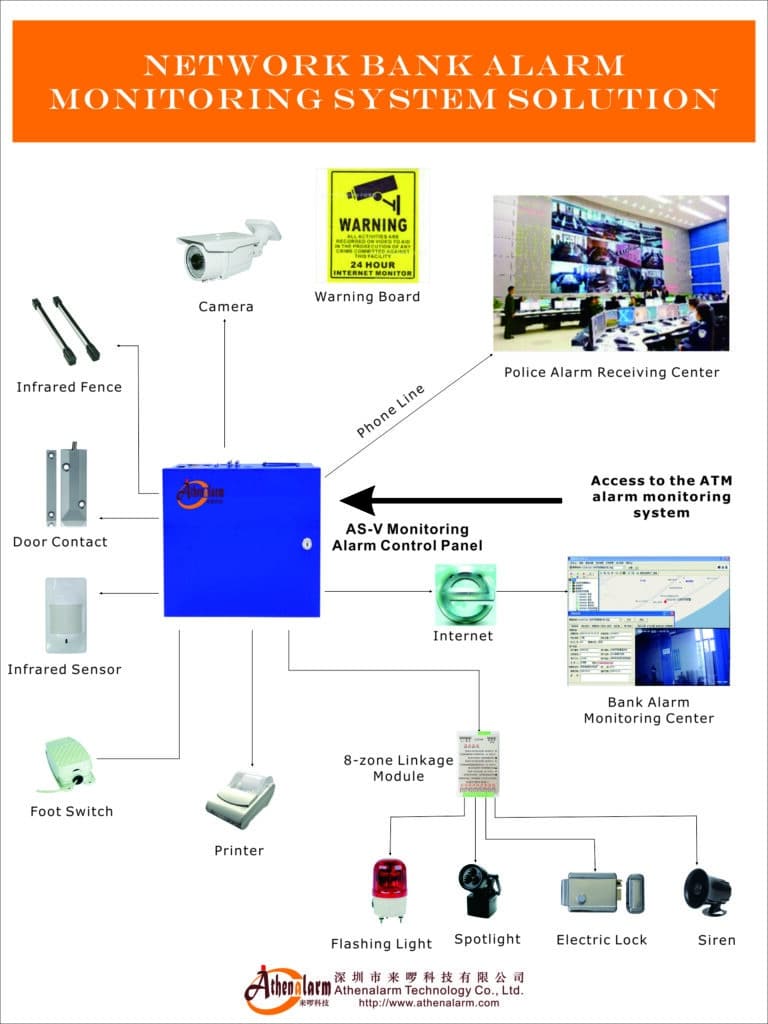
- Assess Site and Select Sensors: Evaluate the area for environmental variables. Choose dual-tech sensors (PIR + microwave) rated for your zone’s temperature range (-10°C to 50°C). Position at 2-3 meters height, ensuring 80% field overlap.
- Integrate Sensors into the System: Wire or wirelessly connect sensors to the control panel. In the panel’s software (e.g., via a web interface or app), group them under a single zone. Enable fusion mode under “Advanced Settings.”
- Configure Algorithm Parameters: Set correlation logic: Activate “Heat-Motion AND” rule. Define thresholds—e.g., PIR sensitivity at 70%, motion at 50%. Input time window (e.g., 2 seconds) and ignore isolated events.
- Calibrate for Environment: Run baseline tests during off-hours. Adjust for noise: Increase thermal offset in heated areas. Use the panel’s diagnostic tools to monitor signal strength and fine-tune via sliders or numerical inputs.
- Test Thoroughly: Simulate intrusions with a team member walking at varying speeds. Introduce disturbances like fans or lights. Log results and iterate until false positives drop below 5%.
- Monitor and Maintain: Schedule quarterly reviews. Use system logs to analyze events and update firmware for enhanced fusion algorithms.
These steps empower even novice engineers to achieve professional-grade setups, potentially cutting false alarms by 50-70% based on field trials.
Addressing Common Implementation Pitfalls
Engineers often encounter issues like over-sensitivity in dynamic spaces. For HVAC-induced false alarms, extend the correlation window to 3-4 seconds and mask high-airflow zones in sensor software.
In expansive areas, missed detections arise from coverage gaps—solve by adding redundant sensors and using beam-forming microwave units for precise zoning.
Thermal drift at night? Implement auto-compensation features, which many panels support, to normalize readings against ambient changes.
Case Study: Optimizing a Manufacturing Facility
Consider a 10,000 sq ft manufacturing plant plagued by 25 monthly false alarms from machinery vibrations and heat vents. Engineers retrofitted heat motion fusion using dual-tech sensors across 32 zones, following EN 50131 standards.
Post-implementation: False alarms fell to 4 per month (84% reduction), with detection rates holding at 98%. Data from system analytics showed improved response times, aligning with SIA best practices. This upgrade not only saved on fines but also enhanced employee safety perceptions.
Engineering Best Practices
- Prioritize certified components compliant with UL 639 for intrusion detectors.
- Document all configurations in a site manual for handover.
- Integrate with IoT platforms for real-time algorithm tweaks.
- Conduct annual audits to adapt to environmental shifts.
Future Directions in Sensor Fusion
Looking ahead, AI-driven heat motion fusion will incorporate neural networks for pattern recognition, predicting intrusions before full confirmation. Research from IEEE suggests mmWave radar integration could push accuracy to 99%, minimizing pet-related errors.
Market analysis by MarketsandMarkets projects the smart alarm sector, fueled by fusion tech, to grow 12% annually through 2030.
Wrapping Up
Mastering heat and motion sensor fusion equips engineers with tools to engineer resilient smart alarms. By leveraging these algorithms, systems deliver precise intrusion detection, addressing core challenges in security engineering.
Implement these strategies to transform your projects from reactive to proactive, ensuring robust protection in demanding environments.
Key Citations
- Security Industry Association (SIA) – False Alarm Reduction Guidelines: https://www.securityindustry.org
- EN 50131 – European Standard for Intrusion and Hold-up Alarm Systems: https://www.cenelec.eu
- UL 639 – Standard for Intrusion-Detection Units: https://standardscatalog.ul.com
- IEEE Xplore – Research on Sensor Fusion in Security Systems: https://ieeexplore.ieee.org
- MarketsandMarkets – Intrusion Detection Market Report: https://www.marketsandmarkets.com