
I. Introduction
Did you know that over 60% of intrusion incidents in small businesses involve outdated or poorly maintained alarm systems? Legacy systems, often installed more than a decade ago, were not designed to combat today’s sophisticated burglary tactics or cyber threats. If your alarm frequently triggers false alerts or lacks mobile connectivity, it might be time to reassess your setup.
This article provides a practical, expert-designed self-assessment checklist to help homeowners, facility managers, and security professionals evaluate whether an Intrusion Alarm Upgrade is needed. By following this guide, you’ll understand the key technical factors that determine alarm reliability, compliance, and modernization readiness.
As a security technology specialist with over 15 years of experience in alarm system design and integration, I’ve seen firsthand how incremental upgrades can transform outdated systems into intelligent, resilient, and compliant solutions. This guide is grounded in recognized industry standards (UL, SIA CP-01, and IEC 62642) to ensure reliability and accuracy.
II. Understanding Intrusion Alarm Systems: Basics and Evolution
What Is an Intrusion Alarm System?
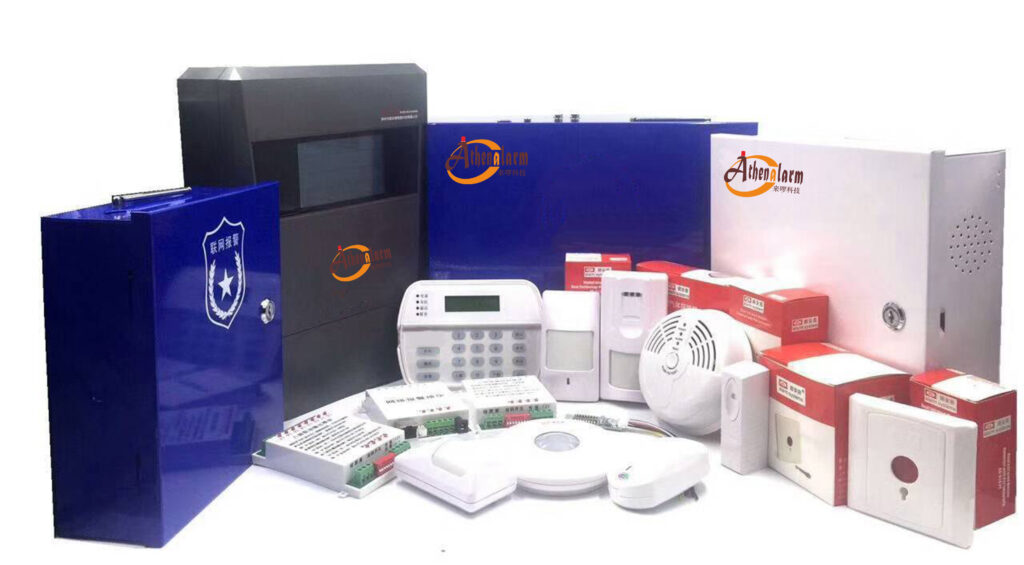
An intrusion alarm system detects unauthorized access to protected areas. It typically includes:
- Sensors (motion, door/window, glass-break)
- Control panels
- Sirens or alert devices
- Communication modules (cellular, IP, or cloud)
- Monitoring integration for emergency response
Why Upgrades Matter
Technology has evolved significantly—from analog wired systems to wireless, IoT-connected platforms with AI-based analytics. However, many existing systems still rely on outdated protocols or limited coverage designs.
Common issues include:
- Frequent false alarms due to outdated sensors
- No remote access or real-time notification features
- High maintenance costs for obsolete components
- Incompatibility with modern automation or video systems
Benefits of an Intrusion Alarm Upgrade
Upgrading delivers measurable value:
- Enhanced detection accuracy through dual-tech or AI motion sensors
- Remote monitoring via mobile apps and cloud dashboards
- Smart home integration with Alexa, Google Home, or KNX systems
- Improved cybersecurity with encrypted communication and regular firmware updates
If your current system struggles with coverage, reliability, or integration, an upgrade isn’t just a luxury—it’s a critical step in maintaining security integrity.
III. Self-Assessment Checklist: Step-by-Step Evaluation
How to Use This Checklist
Use the following self-assessment to evaluate your current intrusion alarm setup. Answer each question with Yes or No.
If you answer “No” to five or more items, your system likely needs a significant Intrusion Alarm Upgrade.
Tip: You can print or download this checklist for easy reference during system inspection.
1. System Age and Reliability
Q1: Is your intrusion alarm system more than 10 years old?
- Why it matters: Sensor sensitivity, processor performance, and firmware security degrade over time.
- Risks: Increased false alarms, unreliable detection, and lack of manufacturer support.
- Recommendation: Consider upgrading to modern systems supporting cloud diagnostics and over-the-air updates.
Q2: Have you experienced frequent false alarms?
- Cause: Outdated PIR sensors, poor calibration, or environmental interference.
- Solution: Upgrade to dual-technology sensors or AI-based motion analytics that filter out environmental noise.
2. Coverage and Detection Capabilities
Q3: Does your system cover all entry points (doors, windows, outdoor zones)?
- Risk: Partial coverage leaves vulnerabilities exploitable by intruders.
- Fix: Expand zones using wireless add-on modules or outdoor perimeter beams.
Q4: Are your sensors pet-immune or dual-tech capable?
- Why it matters: Traditional sensors can’t distinguish pets from intruders.
- Upgrade Tip: Choose PIR + microwave dual-tech sensors to reduce nuisance alarms.
3. Integration and Smart Features
Q5: Can you monitor or control your alarm remotely via a mobile app?
- Risk: Without remote access, real-time alerts or remote arming/disarming are impossible.
- Solution: Upgrade to systems supporting cloud-based monitoring or hybrid IP panels.
Q6: Is your alarm compatible with smart ecosystems (e.g., Alexa, Google Home)?
- Why important: Integration enables event automation and centralized management.
- Upgrade Tip: Look for systems supporting open APIs or Z-Wave/Zigbee compatibility.
4. Power and Backup
Q7: Does your system have reliable battery backup for power outages?
- Standard Reference: UL 985 requires sufficient standby power for 24 hours.
- Check: Replace batteries every 3–5 years or when voltage drops below rated levels.
Q8: Are there signs of wiring degradation or power supply instability?
- DIY Check: Inspect for corrosion, frayed insulation, or intermittent power loss.
- Upgrade Path: Migrate to wireless or hybrid systems to minimize wiring issues.
5. Security and Compliance
Q9: Is your system using encrypted communication protocols (e.g., AES or WPA3)?
- Risk: Legacy systems can be intercepted by signal jammers or spoofing tools.
- Solution: Upgrade to models with encrypted radio or IP-secured transmission.
Q10: Does it comply with the latest security regulations or standards?
- Reference: Standards like SIA CP-01 reduce false alarms and improve dispatch accuracy.
- Recommendation: Request certification details from your installer or manufacturer.
6. Maintenance and Scalability
Q11: When was your last professional inspection?
- Best Practice: Schedule annual inspections for full performance verification.
- Tip: Keep maintenance logs and test alarms monthly.
Q12: Can your system scale with future needs (adding cameras or sensors)?
- Challenge: Proprietary systems limit expansion.
- Solution: Choose modular or open-architecture systems for flexibility and cost-efficiency.
Scoring System
- 0–3 “No” answers: System is reliable; maintain with routine checks.
- 4–6 “No” answers: Consider partial upgrades (e.g., sensors, app integration).
- 7+ “No” answers: Full Intrusion Alarm Upgrade strongly recommended.
IV. Interpreting Results and Taking Next Steps
Analyze Your Findings
If your score indicates medium or high upgrade needs, start by:
- Consulting a certified installer or security integrator.
- Prioritizing weak zones or outdated hardware first.
- Setting a realistic upgrade budget—modern systems range from affordable DIY kits to enterprise-grade platforms.
Avoid Common Pitfalls
- Don’t DIY complex rewiring unless you’re trained.
- Avoid mixing incompatible brands, which can cause false triggers.
- Don’t ignore cybersecurity—always update firmware regularly.
Professional Resources
For trusted upgrade paths, consider:
- Honeywell ProSeries – robust enterprise-grade options.
- DSC Neo – modular, hybrid-capable systems.
- Ring Alarm Pro – ideal for small businesses or homes.
For further learning, explore our Knowledge Base articles on:
- Alarm System Data Security FAQ
- Network Alarm Troubleshooting
- Choosing the Right Security Alarm Provider
V. Conclusion
Upgrading your intrusion alarm is more than just modernizing hardware—it’s about future-proofing your security infrastructure.
This Intrusion Alarm Upgrade Self-Assessment Checklist empowers you to make informed, evidence-based decisions that enhance reliability, safety, and compliance.
Take action now: Perform the self-assessment today, share results with your security provider, and subscribe to our updates for more professional alarm system insights.
As a security expert dedicated to reliable, data-driven guidance, I emphasize this: The best defense starts with awareness—and ends with action.