
In the high-stakes world of physical security, a burglar alarm system is supposed to be your last line of defense. Yet, industry veterans know the uncomfortable truth: most installations fall short—often dramatically. False alarms flood monitoring centers, sensors miss intruders, communication drops at critical moments, and entire systems go silent during power outages or signal interference. For security engineers, installation technicians, and bulk procurers managing commercial projects, residential communities, or industrial sites, these failures translate into wasted budgets, reputational damage, and genuine safety risks.
As a senior expert with over two decades in the burglar alarm industry—designing, deploying, and troubleshooting systems for banks, factories, hospitals, and large-scale residential developments—I’ve seen the same patterns repeat across thousands of projects. The good news? These failures are almost always preventable. This guide dissects the real reasons why most burglar alarm installations fail, then delivers a complete, actionable blueprint to make yours bulletproof: reliable, scalable, low-maintenance, and future-ready.
Whether you’re specifying systems for a 500-unit residential community, upgrading a chain of retail stores, or engineering a high-security bank network, you’ll walk away with practical diagnostics, step-by-step fixes, and procurement strategies that deliver measurable results. Let’s turn your next burglar alarm deployment from a common liability into an unbreakable asset.
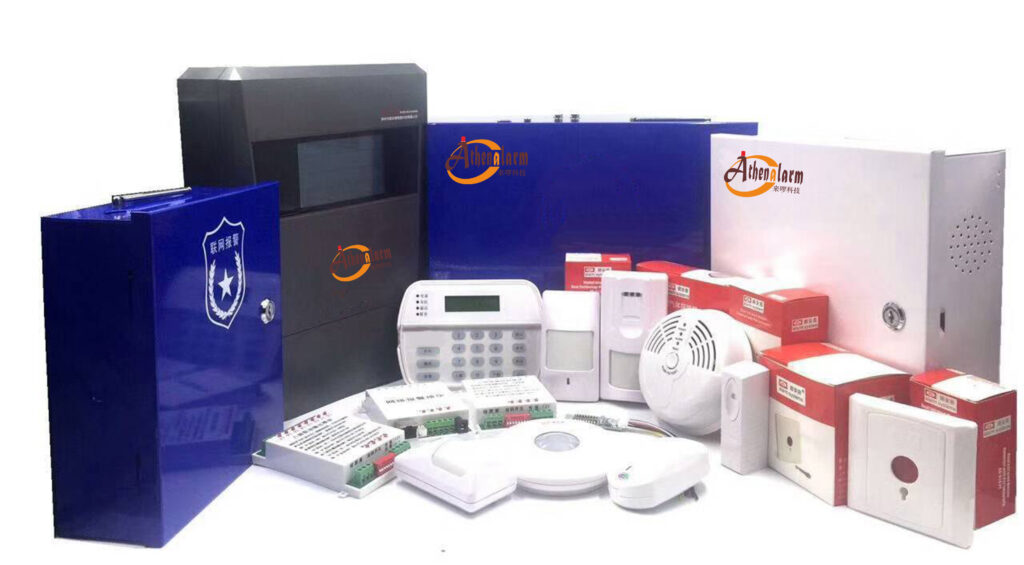
The Hidden Cost of Failed Burglar Alarm Installations
Before diving into root causes, understand the stakes. A single poorly installed burglar alarm system can trigger:
- False alarm fatigue: Police and monitoring stations ignore real events after repeated nuisance calls (studies show up to 70% of alarms are false in badly designed setups).
- Missed intrusions: Gaps in coverage or unreliable sensors allow burglars to bypass detection entirely.
- High service costs: Repeat site visits for troubleshooting eat into margins—often 40-50% higher than properly commissioned systems.
- Liability exposure: In commercial or institutional settings, failure to meet standards (UL, ISO, local fire codes) can void insurance or invite legal claims.
- Lost client trust: Bulk buyers and integrators lose repeat business when systems underperform.
These issues stem from eight core failure categories. We’ll examine each with technical depth, real-world examples, immediate red flags you can spot during site surveys or post-install audits, and precise, step-by-step remedies that security engineers and technicians can apply on the job.
1. Wrong Location Choices: The Foundation of Failure
The most common—and costliest—mistake is placing control panels, sensors, or keypads in locations that invite interference, tampering, or blind spots.
Why it happens and why it destroys performance:
- Control panels mounted near HVAC vents, metal ductwork, or high-traffic doors suffer RF interference or physical damage.
- PIR motion sensors facing windows, mirrors, or direct sunlight trigger false alarms from heat/glare changes.
- Door/window contacts installed on misaligned frames or high-traffic areas degrade quickly or fail to register openings.
- Keypads visible from exterior doors or windows telegraph the system’s layout to intruders.
Real-world impact: In one bank upgrade project I consulted on, panels placed adjacent to electrical rooms caused constant communication drops. Intruders exploited undetected basement entries because motion detectors were mounted too high (above 2.5m) for effective coverage.
Red flags during inspection:
- Panel within 1m of any EMI source (motors, fluorescent lights, Wi-Fi routers).
- Sensors without clear line-of-sight or proper height calibration (ideal PIR mounting: 2.0–2.5m, 90–110° angle).
- No environmental walk-test performed post-mounting.
Bulletproof solution: Professional site survey and placement protocol
Follow this 8-step process every time:
- Conduct a full site audit using digital floor plans or laser measurement tools. Mark all entry/exit points, high-value zones, and potential EMI sources.
- Perform an RF signal strength survey with a portable field meter. Target minimum -70 dBm for wireless zones; map dead spots.
- Select panel location: Within 30m RF range of all sensors, near stable power/data outlets, at 1.2–1.6m height (ADA-compliant), and hidden from public view.
- For PIRs and beams: Temporary mount, conduct 10-minute walk tests in full lighting conditions (day/night), adjust angle to avoid sunlight reflection or vents.
- Door contacts: Align reed switch and magnet within 3mm gap; use armored cable for exposed runs.
- Label every device with zone ID and install date inside the housing.
- Document “as-installed” photos and signal readings in project handover package.
- Verify with client walkthrough and simulated intrusion test.
Athenalarm’s industrial-grade panels excel here: their compact IP-based designs support flexible mounting with built-in RF diagnostics, reducing placement errors by design.

2. Sensor Mismatch and Incompatible Components
Mismatched sensors—wrong detection technology, incompatible voltage, or poor zoning—create coverage gaps or constant faults.
Technical breakdown:
- Using basic PIRs in high-traffic retail without pet-immunity or dual-tech (PIR + microwave) leads to false triggers from staff movement.
- Mixing wired and wireless sensors without proper repeater integration causes signal bottlenecks.
- Incorrect end-of-line (EOL) resistors or zone programming turns legitimate triggers into “no alarm” events.
- Vibration or glass-break sensors installed on non-vulnerable surfaces waste zones.
- Additional pitfall: Failing to account for environmental factors like pets, insects, or air currents, which can trigger false alarms even in correctly zoned setups.
Consequences: One residential community deployment I reviewed had 30% of door contacts using incompatible magnets—resulting in silent openings during forced entry attempts.
Bulletproof fix: Component selection and zoning matrix
Create a zoning matrix before procurement:
- Perimeter: Magnetic contacts + shock sensors on all accessible doors/windows.
- Interior: Dual-tech PIRs with adjustable sensitivity and pet immunity (up to 25kg).
- Special zones: Beam detectors for long corridors, smoke/gas for life safety integration.
- Always match voltage (12V/24V), protocol (wired/wireless), and tamper circuits.
Step-by-step commissioning for sensors:
- Inventory all sensors against panel specifications.
- Test each sensor individually on a bench (trigger, tamper, low-battery simulation).
- Wire/program zones with correct EOL resistors (typically 2.2kΩ or as per manufacturer).
- Perform supervised walk tests: Arm system, walk every zone, confirm instant/delayed response and central station reporting.
- Integrate voice reminders (Athenalarm’s MP3-activated speakers) for immediate deterrence: “Intruder detected—area secured.”
3. Power Interference and Backup Failures
Power is the Achilles’ heel of most burglar alarms. Outages, low batteries, or dirty power lines silence systems when protection is needed most.
Why it fails:
- No dedicated backup battery or undersized UPS leads to total blackout during grid failure.
- Battery degradation after 3–4 years goes unnoticed without monitoring.
- Shared power circuits with heavy loads (elevators, HVAC) introduce voltage drops or spikes.
- Wireless sensors with non-replaceable or low-capacity batteries fail silently.
Impact: In a factory case, a power surge during a storm disabled the entire alarm panel—no backup meant zero detection for 48 hours.
Systematic solution: Layered power architecture
Implement this redundancy protocol:
- Dedicated 12V/24V power supply with surge protection and filtering.
- Panel backup battery: Minimum 7Ah sealed lead-acid, tested quarterly (replace every 3–5 years).
- Wireless sensors: Lithium batteries with low-battery reporting to app and central station.
- Optional: Solar-assisted or PoE-powered panels for remote sites.
- Weekly automated self-test: Panel logs battery voltage and reports anomalies via SMS/app.
Athenalarm’s GSM/4G/WiFi systems include robust battery monitoring and dual-power options, ensuring uptime even in unstable grids common in many export markets.

4. Signal Bottlenecks and Communication Breakdowns
Wireless systems dominate modern installs, but poor signal planning turns them into liabilities.
Root causes:
- Exceeding manufacturer range without repeaters (typical 30–100m line-of-sight drops to <10m through walls/metal).
- Interference from 2.4GHz Wi-Fi, microwaves, or neighboring systems.
- Single-path communication (no cellular backup) fails during ISP outages.
- No mesh networking or signal diagnostics during install.
Diagnostic steps:
- Map signal strength for every device using panel diagnostics or external meter.
- Deploy mesh repeaters or Athenalarm’s advanced wireless panels that auto-form robust networks.
- Configure dual-path reporting: Primary IP/cellular + secondary GSM fallback.
- Test under worst-case conditions (doors closed, full occupancy).
Pro tip: Label signal readings in your as-built documentation. Re-test every 6 months or after building modifications.
5. Poor Wiring, Materials, and Concealment Practices
Even wired systems fail when installers cut corners on cabling and concealment.
Critical errors (drawn from real industry audits):
- Substandard PVC conduit that cracks or warps.
- Exposed or incorrectly crimped cables vulnerable to tampering.
- Wrong cable lengths causing tension or excess slack that collects dust.
- Skipped tamper switches or brackets leading to misalignment.
Bulletproof wiring protocol (expand the 6 critical mistakes framework):
- Use shielded twisted-pair or coaxial cable in EMI-heavy environments; UV-rated armored for outdoor runs.
- Always install adjustable brackets—never flush-mount on uneven surfaces.
- Pre-measure cable runs with 10% slack; coil excess neatly and label every segment.
- Conceal all wiring in conduit, false ceilings, or cable trays—never visible from entry points.
- Wire tamper circuits to dedicated 24/7 panel terminals using 6-core cable minimum; test by simulating removal.
These practices cut service calls by up to 60% and dramatically reduce tampering success rates.

6. Inadequate Integration, Testing, and Verification
A standalone burglar alarm is obsolete. Without CCTV pop-up verification, centralized software, or app integration, operators waste time on unverified events.
Solution:
- Integrate ALARM + CCTV via IP network (Athenalarm’s specialized monitoring software shines here with real-time video verification upon alarm triggers).
- Full commissioning checklist: 100% zone walk-test, tamper simulation, battery discharge test, communication failover test.
- Provide client training and detailed handover documentation.
7. User Error and Improper System Operation
Even the best hardware fails when people misuse it. User error accounts for a huge slice of false alarms and missed detections.
Common triggers:
- Entering incorrect codes repeatedly, triggering lockouts or silent alarms.
- Arming the system while people or pets are still inside without proper bypass zones.
- Disarming too slowly or forgetting to arm perimeter-only modes at night.
- Ignoring low-battery or fault alerts on the keypad or app.
Bulletproof user protocol:
- Conduct mandatory training sessions for all authorized users: demonstrate arming/disarming sequences on-site.
- Set up user-specific codes with different authority levels (master, arm-only, etc.).
- Enable voice prompts and app push notifications for every status change.
- Create simple laminated quick-reference cards posted near keypads.
- Schedule refresher sessions every six months, especially after staff turnover.
8. Maintenance Neglect
Systems degrade over time. Skipped maintenance turns a once-reliable burglar alarm into a liability.
Maintenance checklist (monthly for clients, quarterly for technicians):
- Clean sensors (dust, cobwebs, insects) with a soft, dry microfiber cloth—never use liquids.
- Test all batteries and replace proactively before they drop below 80% capacity.
- Verify signal strength and wiring integrity; re-torque all connections.
- Update firmware and review event logs for anomalies (Athenalarm panels log these automatically).
- Perform full system test: arm, simulate intrusion in every zone, confirm central station receipt and video pop-up if integrated.
Document every visit in a shared digital log so trends become visible early.
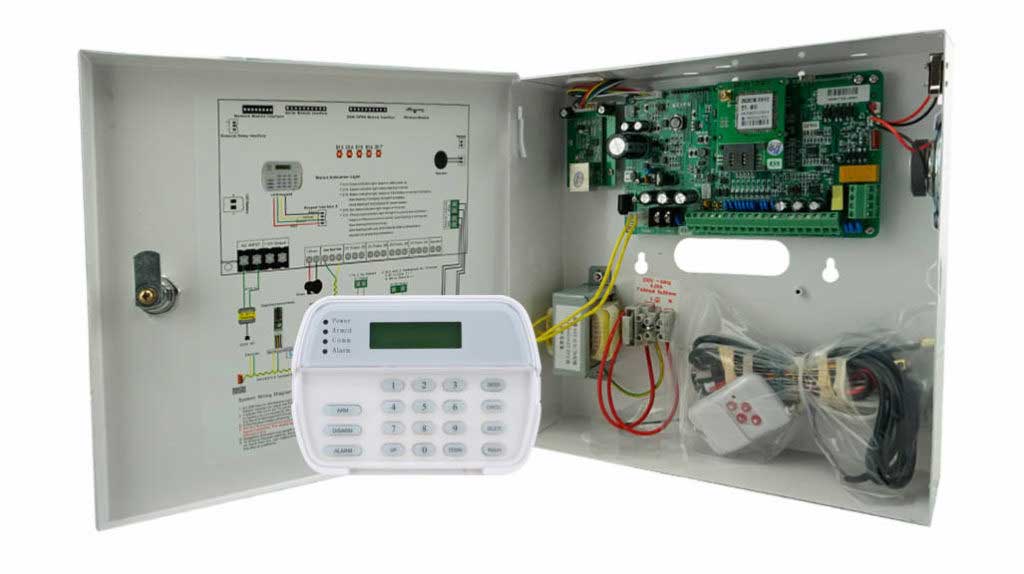
Building Your Bulletproof Burglar Alarm System: Procurement and Implementation Guide
When procuring for scale, choose manufacturers like Athenalarm with 19+ years specializing in wired/wireless panels, sensors, voice reminders, and full network monitoring solutions. Their OEM/ODM capabilities let you customize for branding, firmware, and project-specific needs—ideal for distributors and integrators.
Key selection criteria for bulletproof performance:
- ISO9001/CCC certified with 100% functional testing.
- High-sensitivity transmission and real-time video verification.
- Easy-install wireless GSM/4G/WiFi systems with app control.
- Global technical support for design and troubleshooting.
Real-World Success Stories
- Bank network upgrade: 385 branches replaced outdated systems with Athenalarm IP + wired/wireless panels and central monitoring—eliminating communication instability.
- Residential community: 500 homes deployed GSM/4G systems with voice alerts and app notifications—drastically reducing intrusion incidents.
Final Action Steps: Make Your Next Installation Bulletproof Today
- Audit your current or upcoming projects against the eight failure categories above.
- Implement the step-by-step protocols outlined.
- Partner with proven specialists for panels, sensors, and support.
Don’t let another installation become a statistic. At Athenalarm, we’ve built our reputation helping engineers and procurers like you deliver systems that actually work—every time.
Ready to bulletproof your burglar alarm deployments? Chat with our technical experts directly on WhatsApp (+86 13662299642) or explore our full range of burglar alarm panels, sensors, and network solutions at athenalarm.com. Share your project specs, and we’ll provide tailored recommendations, OEM options, and installation guidance to ensure your next system exceeds expectations.
Your clients—and your bottom line—deserve nothing less.