
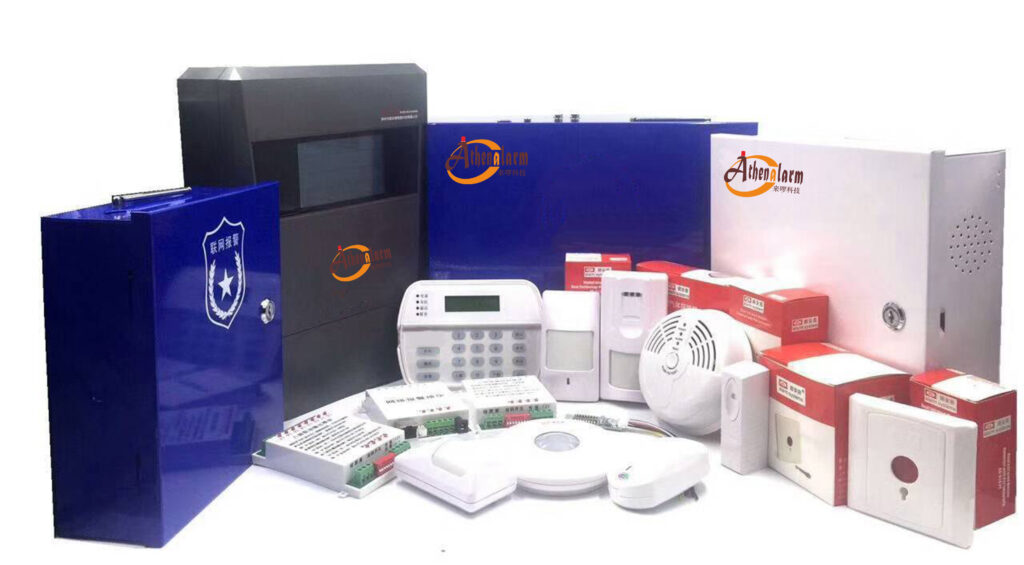
In the fast-paced world of professional security installations, nothing derails projects faster than unreliable alarm wholesalers. Delayed shipments, inconsistent firmware, subpar detectors that trigger endless false alarms, or suppliers who disappear the moment technical issues arise—these problems don’t just slow jobs down; they erode margins, damage client trust, and weaken your brand.
As someone who has spent more than 25 years deeply involved in the intrusion detection and burglar alarm industry—working alongside installers, system integrators, manufacturers, and distributors across residential and commercial markets—I have witnessed firsthand how sourcing mistakes quietly destroy otherwise solid security businesses.
The truth is simple: success in 2026 and beyond is no longer driven by installation skills alone. It is driven by who you source from.
This guide is written specifically for professional alarm installers, security integrators, dealers, procurement managers, and project leaders who rely on security alarm wholesalers, alarm system wholesale suppliers, burglar alarm wholesalers, and home security wholesale partners to deliver consistent, scalable results. My goal is to help you build a sourcing strategy that reduces risk, improves installation outcomes, and strengthens long-term profitability—without costly trial-and-error.
By the end of this guide, you will have a proven, real-world framework to:
- Identify and vet reliable intruder alarm wholesalers
- Avoid the most expensive sourcing mistakes in the industry
- Negotiate smarter wholesale agreements
- Build supplier partnerships that support growth, not friction
Let’s begin.
Why Sourcing from Reliable Alarm Wholesalers Is a Strategic Advantage—not Just a Procurement Task
For professional installers and integrators, sourcing is often treated as a background function. In reality, it is a core operational strategy.
The global intrusion alarm market continues to expand, driven by rising property crime, insurance requirements, smart home adoption, and commercial compliance mandates. As demand increases, so does pressure on your supply chain. In this environment, the gap between average and exceptional alarm wholesalers becomes painfully clear.
Reliable security alarm wholesalers provide far more than product access. They act as operational partners by delivering:
- Predictable Stock Availability Stable inventory planning reduces installation delays, rescheduling costs, and client dissatisfaction.
- Consistent Product Quality Low failure rates directly reduce false alarms, service calls, and warranty labor.
- Technology Continuity Long-term firmware support, backward compatibility, and roadmap transparency protect your installed base.
- Technical Support That Actually Solves Problems Fast responses during commissioning, troubleshooting, and expansion phases save hours on every project.
- Healthy, Defensible Margins Structured wholesale pricing allows you to scale volume without eroding profitability.
By contrast, unreliable wholesale alarm suppliers often introduce hidden costs—unpredictable delivery times, undocumented firmware changes, incompatible revisions, or unsupported products that quietly become liabilities after installation.
In real operational terms, sourcing from the wrong alarm system wholesale suppliers doesn’t just cost money—it creates systemic risk across your entire business.

Key Wholesale Alarm Market Trends Every Installer Must Understand in 2026
Understanding where the wholesale alarm market is heading helps you avoid investing in products that will be obsolete, unsupported, or rejected by clients within a few years.
1. Hybrid Wired/Wireless Architectures Are Now the Industry Standard
Purely wired systems are increasingly limited to niche use cases. Modern burglar alarm wholesalers now prioritize hybrid platforms that:
- Support wired zones for high-security areas
- Use encrypted wireless for fast retrofits and expansions
- Maintain unified programming environments
Installers who align with wholesalers lacking hybrid support will struggle to meet modern project demands.
2. False Alarm Reduction Is No Longer Optional
Municipal fines, police response limitations, and client frustration have made false alarms a critical issue. Leading intruder alarm wholesalers now offer:
- AI-enhanced motion detection
- Multi-sensor verification logic
- Video or audio alarm confirmation
These features directly reduce callbacks and improve client retention.
3. Smart Home and Platform Integration Is Expected
End users increasingly expect alarm systems to integrate with:
- Smart locks
- Lighting
- Voice assistants
- Cloud monitoring platforms
Top home security wholesale partners provide systems with open APIs or ecosystem compatibility, enabling you to upsell automation without system replacement.
4. Cybersecurity Is a Commercial Requirement
Cloud-connected alarms introduce cybersecurity risk. Professional security alarm wholesalers now emphasize:
- Encrypted communications
- Secure device authentication
- Regular firmware security updates
Failing to consider this exposes you to reputational and legal risk.
5. Supply Chain Resilience Separates Leaders from Followers
The most dependable alarm wholesalers operate diversified manufacturing and logistics networks, ensuring consistent availability even during disruptions.

The Most Common Wholesale Alarm Sourcing Mistakes—and How to Avoid Them
Even experienced professionals fall into these traps:
Mistake 1: Prioritizing Unit Price Over Lifecycle Cost
Cheap detectors that fail early or generate false alarms increase labor costs and damage trust.
Solution: Evaluate total cost of ownership, not invoice price.
Mistake 2: Skipping Structured Supplier Vetting
Relying on websites or catalogs without verification leads to unreliable partnerships.
Solution: Follow a documented evaluation process (outlined below).
Mistake 3: Ignoring System Compatibility and Ecosystem Lock-In
Mixing incompatible products creates service complexity.
Solution: Demand compatibility documentation and system demonstrations.
Mistake 4: Accepting Rigid MOQs That Hurt Cash Flow
Excess inventory ties up capital.
Solution: Work with wholesale alarm suppliers offering scalable MOQs.
Mistake 5: Underestimating the Value of Technical Support
When problems arise, poor support costs hours.
Solution: Test responsiveness before committing.
Avoiding these mistakes alone can dramatically improve operational efficiency.
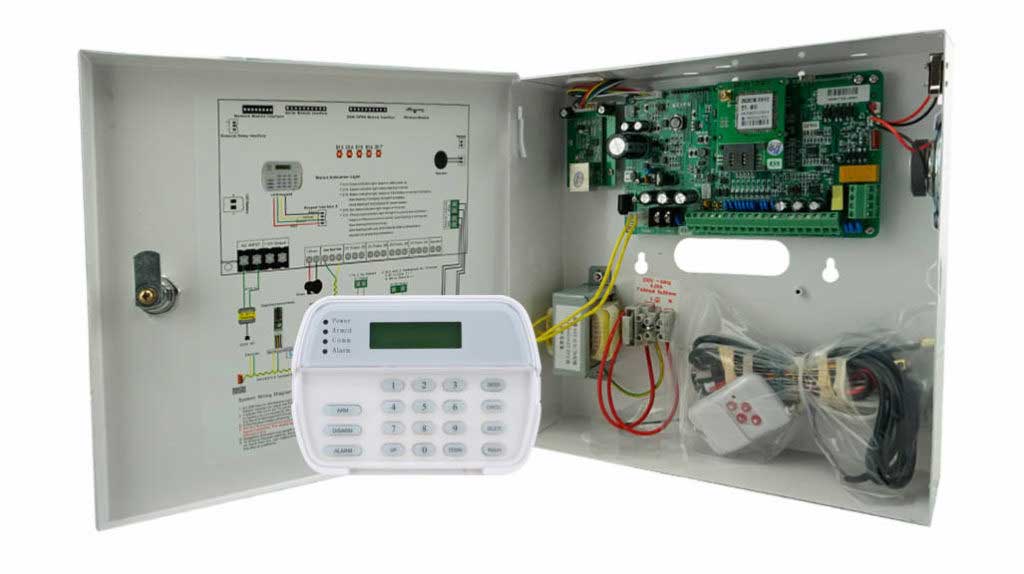
Step-by-Step: How to Vet and Select Reliable Alarm System Wholesale Suppliers
This structured process is designed for real-world application.
Step 1: Define Your Operational Requirements
Document:
- Target markets (residential, commercial, mixed)
- Typical system sizes
- Required certifications
- Preferred technologies
Step 2: Build a Shortlist of Potential Alarm Wholesalers
Use:
- Industry trade shows
- Professional referrals
- Established distributor networks
Step 3: Verify Business Stability and Compliance
Confirm:
- Years in operation
- Certifications (UL, CE, ISO)
- Regulatory compliance in your markets
Step 4: Evaluate Product Depth and Roadmap
Strong alarm system wholesale suppliers offer:
- Full ecosystem coverage
- Clear upgrade paths
- Long-term product support
Step 5: Test Product Quality in Real Conditions
Request samples. Test for:
- Sensitivity accuracy
- Wireless range
- Environmental stability
Step 6: Evaluate Technical Support Capabilities
Assess:
- Response times
- Documentation quality
- Training availability
Step 7: Analyze Pricing, Terms, and Flexibility
Look beyond discounts:
- Payment terms
- Warranty handling
- Logistics transparency
Step 8: Assess Supply Chain Reliability
Ask for delivery performance metrics and contingency plans.
Step 9: Check References and Market Reputation
Speak directly with existing customers.
Step 10: Run a Controlled Trial Order
Deploy products in live installations and monitor performance.
Step 11: Negotiate Long-Term Partnership Terms
Focus on:
- Volume incentives
- Dedicated account support
- Joint planning
Step 12: Monitor Performance Continuously
Review quarterly and adjust sourcing strategies as your business grows.
Building Long-Term Value with Burglar Alarm Wholesalers
The strongest partnerships are built through:
- Transparent communication
- Shared growth planning
- Mutual feedback loops
Over time, top burglar alarm wholesalers provide early access to innovations, priority inventory, and tailored solutions—advantages competitors struggle to replicate.
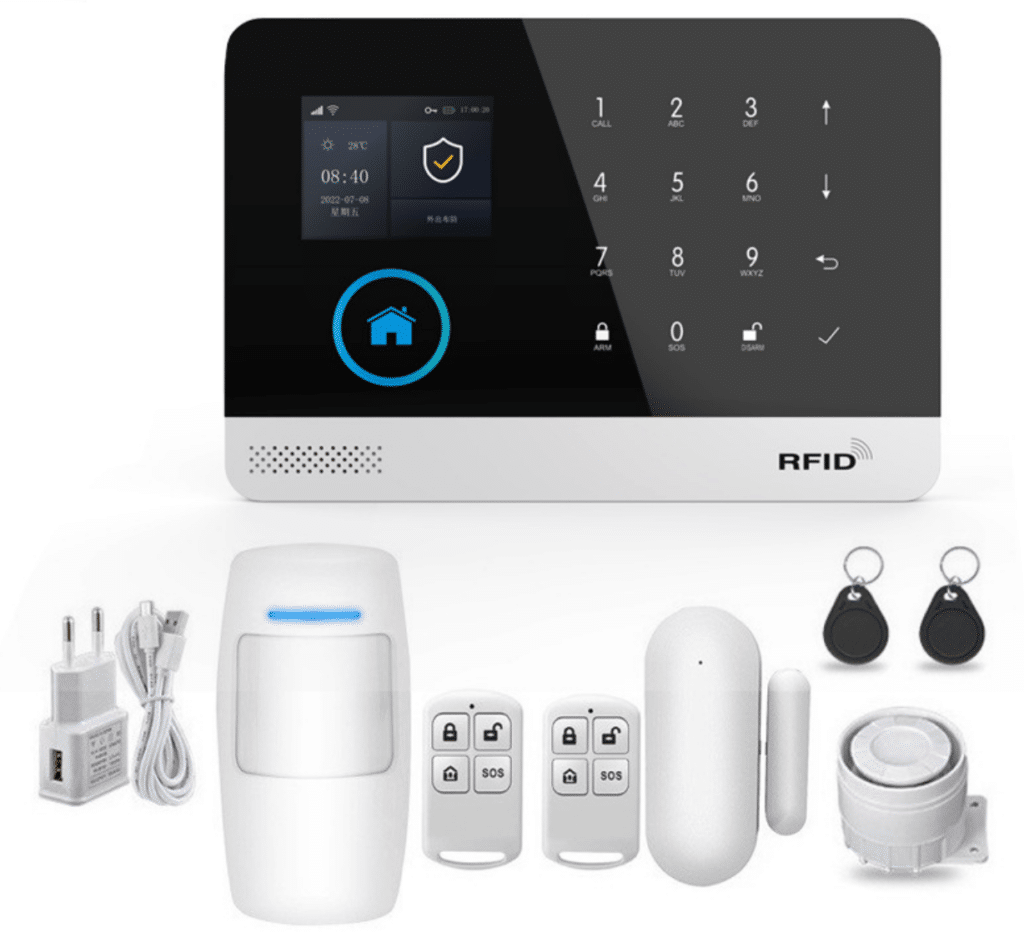
Negotiation Strategies That Actually Work with Security Alarm Wholesalers
Effective negotiation is data-driven:
- Use historical volumes
- Bundle product families
- Align incentives with long-term commitments
Professional wholesalers respect partners who approach negotiations strategically.
Technologies You Should Demand from Home Security Wholesale Partners
In 2026, insist on:
- Verified alarm technologies
- Edge-based intelligence
- Extended battery life
- Open integration frameworks
These features future-proof your installations.
Real-World Outcomes from Smarter Wholesale Sourcing
Across dozens of projects I’ve reviewed, companies that upgraded their wholesale alarm sourcing consistently reported:
- Lower service call rates
- Faster installations
- Higher client satisfaction
- Improved margins
These results are repeatable—not exceptional.
Final Thoughts: Control Your Supply Chain, Control Your Success
Reliable alarm wholesalers are not vendors—they are strategic assets. When you source intelligently, you reduce risk, increase efficiency, and deliver better security outcomes for your clients.
If you are serious about scaling your security business in 2026, start by mastering your wholesale relationships. Everything else builds on that foundation.