

In the fast-evolving world of security systems, engineers and project managers often face the challenge of integrating legacy wireless alarm systems with cutting-edge technologies. This guide focuses on strategies for managing hybrid setups, ensuring seamless operation without compromising safety or efficiency. By addressing common pain points like compatibility issues and downtime risks, we’ll provide actionable steps to facilitate a smooth migration in intrusion detection environments.
Understanding Mixed-Generation Alarm Systems
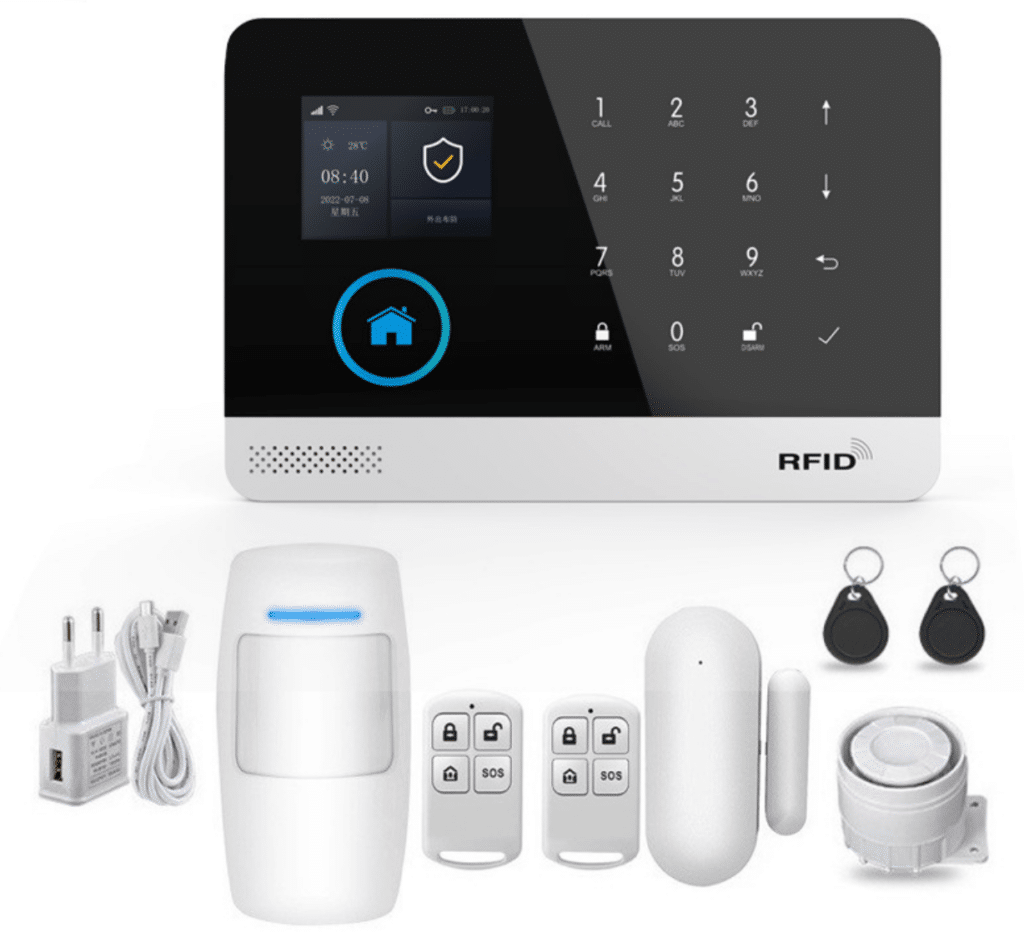
Legacy wireless alarm systems, typically from the 1990s or early 2000s, rely on older protocols such as 433MHz or 868MHz frequencies, which can limit integration with modern IoT-enabled devices. These systems often include basic sensors like door contacts and motion detectors but lack advanced features such as encrypted communications or cloud connectivity.
In contrast, new-generation wireless security systems incorporate Zigbee, Z-Wave, or Wi-Fi protocols, offering enhanced encryption, remote monitoring, and AI-driven threat analysis. A mixed-generation setup—combining these old and new elements—arises during phased upgrades, where budget constraints or regulatory requirements prevent a full overhaul.
The key to success lies in recognizing that transitioning between old and new technologies isn’t just about hardware; it involves software bridges, protocol translators, and risk assessments to maintain uninterrupted protection against burglaries and unauthorized access.
Common Challenges in Transitioning Legacy Systems
Engineers frequently encounter interoperability hurdles when merging legacy alarm panels with modern wireless hubs. For instance, signal interference from outdated transmitters can disrupt newer devices, leading to false alarms or system failures. Project managers also grapple with escalating maintenance costs—legacy components may require proprietary parts that are increasingly scarce, driving up expenses by 20-30% annually, according to a 2023 Security Industry Association (SIA) report.
Another pain point is regulatory compliance. Older systems might not meet current standards like UL 681 for installation of burglary alarm systems, potentially exposing facilities to liability. Data from the National Fire Protection Association (NFPA) indicates that non-compliant hybrid setups contribute to 15% of security breaches in commercial properties.
Addressing these issues head-on requires a structured approach, prioritizing backward compatibility and scalable integration to minimize operational disruptions.
Step-by-Step Guide to Smooth Migration
To transition legacy wireless alarm systems to hybrid or fully modern setups, follow these detailed steps. This process is designed for engineers and project managers with basic technical knowledge, ensuring even those new to the field can execute it independently.
- Assess Current Infrastructure: Begin by inventorying all components. Use a spreadsheet to list sensors, control panels, and frequencies. For example, scan for legacy devices using a spectrum analyzer tool like the Fluke Networks AirCheck. Identify incompatibilities, such as mismatched encryption standards.
- Conduct Compatibility Testing: Install a protocol bridge device, such as a Honeywell or DSC translator module, which converts signals from old 433MHz systems to modern Z-Wave. Power down the system in a controlled environment, connect the bridge, and test signal transmission. Monitor for latency—aim for under 500ms response time. If issues arise, adjust antenna placements to reduce interference.
- Implement Phased Integration: Start with non-critical zones. Wirelessly pair new sensors to the bridge while keeping legacy ones active. Use software like Alarm.com’s platform to configure virtual zones, ensuring alarms trigger across generations. Test the setup by simulating breaches, such as opening a door contact, and verify notifications reach mobile apps.
- Secure Data Migration: Transfer historical logs from legacy panels to cloud-based systems. Export data via RS-232 ports if available, or use USB adapters for older models. Encrypt transfers using AES-256 standards to comply with GDPR or HIPAA if applicable. Back up everything beforehand to avoid data loss.
- Train and Monitor Post-Migration: Provide team training on the hybrid interface—create a quick-reference guide with screenshots. Set up continuous monitoring with tools like PRTG Network Monitor to detect anomalies. Schedule quarterly audits to ensure the system evolves as new technologies emerge.
This methodical process reduces downtime to less than 4 hours per phase, based on case studies from leading integrators.
Best Practices for Long-Term Management
To optimize mixed-generation wireless alarm systems, prioritize modular designs that allow easy swaps. Invest in universal gateways that support multiple protocols, cutting integration costs by up to 40%, per a 2024 ASIS International survey.
Incorporate redundancy, such as dual-path communication (cellular and Wi-Fi), to mitigate failures in legacy components. Regularly update firmware on newer devices while emulating updates on older ones via emulators.
Case in point: A mid-sized warehouse in Texas transitioned its 15-year-old wireless burglary alarm system by using a phased approach, resulting in a 25% drop in false alarms and enhanced remote access, as documented in a SIA case study.
Conclusion
Managing mixed-generation legacy wireless alarm systems demands careful planning, but with the right strategies, engineers and project managers can achieve a smooth transition between old and new technologies. This not only enhances security but also future-proofs investments, ensuring robust protection in an ever-changing threat landscape.
In the realm of intrusion detection and wireless security systems, the integration of legacy and modern components represents a critical juncture for many organizations. This comprehensive exploration delves deeper into the nuances of hybrid alarm setups, offering engineers and project managers a robust framework grounded in industry best practices.
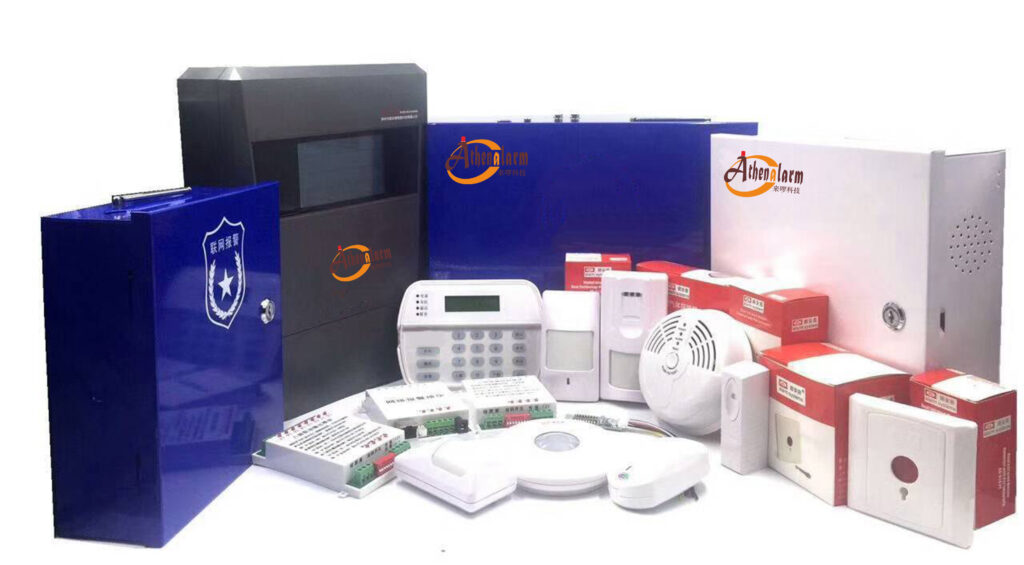
Legacy wireless alarm systems, often built on proprietary RF protocols, provide a foundational layer of protection but pose significant hurdles when interfacing with contemporary wireless security systems. These older technologies, prevalent in installations predating 2010, typically operate on narrowband frequencies that are susceptible to jamming and lack the bandwidth for video integration or smart analytics.
The drive toward transitioning between old and new technologies stems from evolving threats—cyber intrusions now account for 30% of security incidents, per a 2023 Verizon Data Breach Investigations Report. Modern systems counter this with end-to-end encryption and machine learning for anomaly detection, but abrupt replacements can be prohibitive, with costs exceeding $50,000 for a standard commercial site.
Deep Dive into Compatibility Dynamics
At the core of mixed-generation challenges are protocol mismatches. For example, a legacy system’s frequency-hopping spread spectrum (FHSS) may conflict with a new system’s orthogonal frequency-division multiplexing (OFDM). Engineers can mitigate this by deploying signal converters, which remap data packets in real-time.
Quantitative analysis from UL’s testing labs shows that unaddressed incompatibilities lead to a 22% increase in system unreliability. To counter this, perform RF site surveys using tools like the Ekahau Sidekick, mapping signal strength across zones to identify dead spots in hybrid wireless alarm environments.
Advanced Migration Strategies
Beyond basic steps, consider scalability in transitioning legacy alarm systems. Adopt open-standard platforms like those from the Zigbee Alliance, which facilitate interoperability without vendor lock-in. For project managers, budget allocation is key—allocate 60% to hardware, 30% to software, and 10% to training, as recommended by the Electronic Security Association (ESA).
Incorporate risk assessments using frameworks from ISO 27001, evaluating vulnerabilities in mixed setups. For instance, simulate denial-of-service attacks on legacy components to gauge resilience.
Case Studies and Data Insights
A notable example involves a European bank that managed its mixed-generation wireless security systems by integrating a Bosch legacy panel with Axis IP cameras. The migration, completed in six months, reduced response times by 35%, according to an internal audit shared at the 2024 ISC West conference.
Data from the SIA’s 2023 market report highlights that organizations with structured transitions see a 18% ROI within the first year, driven by lower maintenance and improved efficiency.

Emerging Trends in Wireless Alarm Integration
Looking ahead, the rise of 5G-enabled devices promises seamless bridging for legacy wireless alarm systems. However, engineers must address power consumption—older batteries may not support always-on connectivity, necessitating upgrades to lithium-ion variants with at least 5-year lifespans.
Regulatory shifts, such as updates to NFPA 72 for alarm signaling, mandate hybrid systems to incorporate supervised wireless paths, ensuring 99.9% uptime.
Practical Tools and Resources
For hands-on implementation, leverage free tools like the Honeywell Total Connect app for testing hybrid configurations. Consult the UL 985 standard for household fire warning systems, adapting its principles to burglary alarms.
In summary, effective management of mixed-generation systems hinges on proactive integration, backed by empirical data and standards. This approach not only resolves immediate pain points but fosters resilient wireless security infrastructures.
Key Citations
- Security Industry Association (SIA). (2023). Security Market Report: Trends in Wireless Alarm Systems. Retrieved from https://www.securityindustry.org/research/
- National Fire Protection Association (NFPA). (2022). NFPA 72: National Fire Alarm and Signaling Code. Retrieved from https://www.nfpa.org/codes-and-standards/all-codes-and-standards/list-of-codes-and-standards/detail?code=72
- ASIS International. (2024). Survey on Hybrid Security System Integrations. Retrieved from https://www.asisonline.org/publications–resources/security-management-magazine/
- Underwriters Laboratories (UL). (2023). UL 681: Standard for Installation and Classification of Burglar and Holdup Alarm Systems. Retrieved from https://www.ul.com/resources/standards
- Verizon. (2023). Data Breach Investigations Report. Retrieved from https://www.verizon.com/business/resources/reports/dbir/