
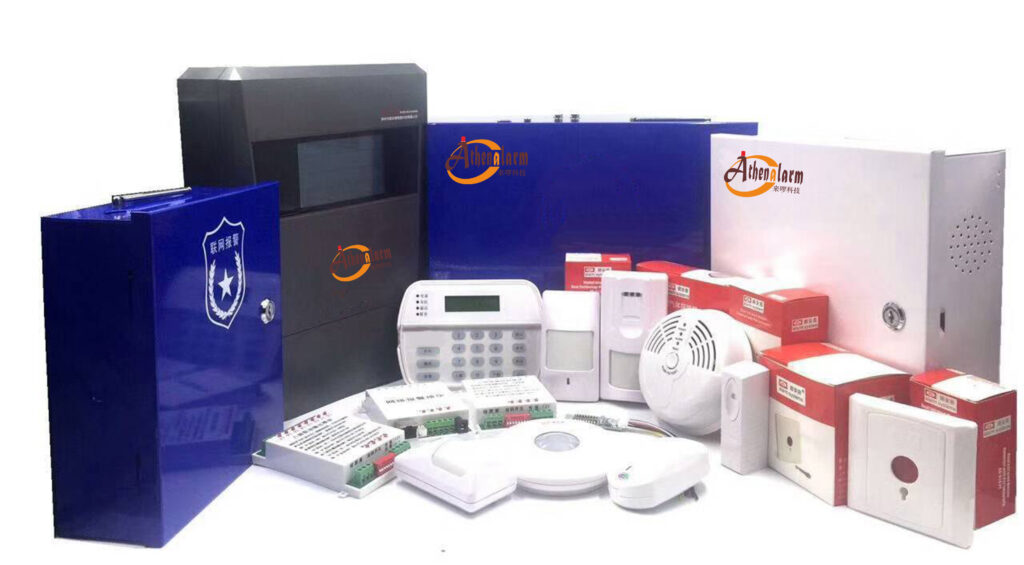
I. Introduction
In an era of increasing security concerns—from rising burglary incidents to evolving cyber risks in connected environments—the global alarm system market has become a crucial component of modern safety infrastructure.
According to recent market studies, demand for professional and networked alarm systems has surged across both residential and commercial sectors, driven by the need for proactive and intelligent protection.
This blog explores the Alarm System Market Competition, analyzing how technological innovation, integration with smart ecosystems, and global expansion are reshaping the competitive landscape. Whether you are a business owner evaluating vendor options, an investor seeking market insights, or a security professional exploring product differentiation, this analysis will help you make informed, data-driven decisions.
II. Market Overview
Current Market Size and Growth
The global alarm monitoring market was valued at approximately USD 65 billion in 2025 and is projected to grow at a compound annual growth rate (CAGR) of 6–9% through 2030. The growth is fueled by increasing adoption in residential, commercial, and industrial security sectors.
Smart and networked alarm systems now represent the fastest-growing segment due to the shift toward connected homes and IoT-based automation.
Key Market Segments
- Burglar Alarm Systems – Traditional and hybrid systems used in homes and offices.
- Intrusion Detection Systems (IDS) – Advanced systems integrating motion sensors, glass-break detectors, and AI analytics.
- Alarm Monitoring Services – Professional 24/7 remote monitoring supported by cloud infrastructure.
- Smart/Home Security Systems – Wireless, app-controlled systems integrated with smart devices and home assistants.
Driving Factors
Key drivers of market expansion include:
- Urbanization and the rise of smart city initiatives
- Insurance incentives for adopting certified alarm systems
- Increased demand for remote monitoring post-pandemic
- Government programs promoting public-private safety partnerships
Practical Insight:
For new entrants and investors, regions such as Asia-Pacific—particularly China, India, and Southeast Asia—offer strong opportunities due to infrastructure development and government-backed smart city projects.
III. Major Players and Market Share Analysis
Top Competitors
The Alarm System Market Competition is dominated by several global giants and emerging innovators:
- Honeywell International Inc. – Market leader with an estimated 15–20% share, known for integrated industrial and building security platforms.
- ADT Inc. – Strong presence in North American residential and small business markets.
- Johnson Controls International (JCI) – Comprehensive solutions in building automation and fire safety.
- Siemens AG and Schneider Electric – Key players in commercial and industrial segments.
- Robert Bosch GmbH – Advanced smart home solutions with strong European presence.
- Arlo Technologies, Hikvision, and Dahua – Emerging competitors with IoT-based innovations and affordability-focused systems.
Competitive Strategies
Leading brands are differentiating through:
- R&D investments in AI-driven threat detection and predictive analytics.
- Mergers and acquisitions to integrate cloud platforms and IoT ecosystems.
- Strategic partnerships with telecom operators and smart device manufacturers.
Practical Insight:
When evaluating vendors, businesses should look beyond price and compare integration flexibility, AI analytics capabilities, and false alarm reduction technologies—key factors that directly influence long-term system efficiency.
IV. Competitive Landscape and Dynamics
Intensity of Competition
The market is highly competitive and technology-driven. While entry barriers include regulatory compliance and technical expertise, smaller firms are finding niches in wireless, DIY, or hybrid IoT systems.
SWOT Overview
| Strengths | Weaknesses |
|---|---|
| Rapid innovation in AI, IoT, and 5G | High installation and maintenance costs |
| Strong customer trust in leading brands | Complex system interoperability |
| Expanding smart home adoption | Cybersecurity vulnerabilities |
| Opportunities | Threats |
|---|---|
| Growth in developing markets | Rising cyber threats targeting networked alarms |
| Integration with cloud-based analytics | Increased competition from low-cost vendors |
Porter’s Five Forces
- Supplier Power: Moderate—component suppliers for sensors and semiconductors hold leverage.
- Buyer Power: High—customers have many options and expect flexible, smart integrations.
- Threat of Substitutes: Moderate—DIY mobile-based apps are growing but lack professional reliability.
- Threat of New Entrants: Moderate—technological entry barriers exist, but IoT startups are active.
- Rivalry: Intense—continuous innovation and pricing pressure define this landscape.
Practical Insight:
Businesses can gain a competitive edge by targeting underserved regions or partnering with telecom and cloud providers to offer bundled security services.

V. Emerging Trends and Innovations
Technological Advancements
- AI and Machine Learning: Used for behavioral analytics and anomaly detection.
- IoT Integration: Seamless connectivity across devices for unified control.
- 5G Connectivity: Enables faster, real-time alarm communication and video verification.
- Cloud Platforms: Allow remote management and predictive maintenance.
Sustainability and Compliance
Manufacturers are moving toward energy-efficient devices, eco-friendly materials, and compliance with data privacy standards such as GDPR.
Regional Variations
- North America: High adoption due to crime awareness and smart home culture.
- Europe: Focus on regulatory compliance and sustainability.
- Asia-Pacific: Fastest-growing region due to large-scale smart infrastructure development.
Practical Insight:
Organizations can reduce operational costs and false positives by integrating AI analytics and cloud-based diagnostics, improving both reliability and user experience.
VI. Challenges and Opportunities
Key Challenges
- Rising cybersecurity threats targeting IP-based alarm networks.
- High upfront costs of system deployment and maintenance.
- Market saturation in developed economies limiting new growth.
Opportunities for Growth
- Development of hybrid wireless/wired systems to balance cost and reliability.
- Expansion into emerging markets with scalable, modular products.
- Integration with voice assistants and smart automation to enhance user convenience.
Future Outlook
The future of the Alarm System Market Competition will emphasize proactive security intelligence, moving beyond detection to prevention through adaptive, AI-driven platforms.
Practical Insight:
Small and medium security firms can compete effectively by focusing on specialized services, custom integration, or data-driven risk management consulting.
VII. Conclusion
The Alarm System Market Competition is evolving rapidly, driven by technological breakthroughs, dynamic consumer expectations, and regional diversification.
Major players continue to innovate, while agile newcomers challenge traditional models with cost-effective, intelligent solutions.
Key Takeaway:
To stay competitive, businesses and investors must monitor technological trends, prioritize cybersecurity, and adapt to emerging consumer demands for smart, seamless, and sustainable protection systems.