
For finance managers and procurement leaders tasked with securing enterprise facilities like warehouses, offices, or industrial sites, investing in alarm systems goes far beyond the sticker price. Traditional budgeting often fixates on upfront costs, but a comprehensive total cost of ownership (TCO) approach reveals the true financial picture over an alarm system’s 10-15 year lifespan. This guide equips you with a practical framework to model TCO for enterprise alarm systems, focusing on capital expenditures (CAPEX), operational expenditures (OPEX), maintenance strategies, and replacement cycles. By applying this model, you can forecast budgets accurately, minimize surprises, and ensure your security investments deliver long-term value without compromising protection against intrusions.
Key Benefits of TCO Modeling
- Accurate Forecasting: Predict cumulative costs to avoid budget overruns in enterprise security.
- Vendor Comparison: Evaluate alarm system providers based on lifecycle efficiency, not just initial quotes.
- Risk Mitigation: Factor in downtime and compliance to align with business continuity goals.
- Cost Savings: Identify opportunities to reduce OPEX through smarter maintenance and scalable designs.
Research from the Security Industry Association (SIA) indicates that enterprises ignoring TCO can face up to 30-50% higher long-term expenses due to unplanned repairs and inefficiencies. This guide draws on industry benchmarks to help you build a defensible model tailored to your operations.
Building Your TCO Foundation
Total cost of ownership modeling for alarm systems starts with defining all cost elements from installation to end-of-life. Unlike residential setups, enterprise alarm systems integrate with broader security ecosystems, including access control and video surveillance, making TCO essential for holistic budget planning.
Break down TCO into four core pillars: CAPEX for initial outlays, OPEX for ongoing operations, maintenance for upkeep, and replacement cycles for asset renewal. This structure allows procurement teams to simulate scenarios, such as scaling from a single-site to multi-location deployment.
Breaking Down CAPEX: Upfront Investments in Alarm Infrastructure
CAPEX encompasses everything needed to deploy a robust enterprise alarm system. To calculate it effectively:
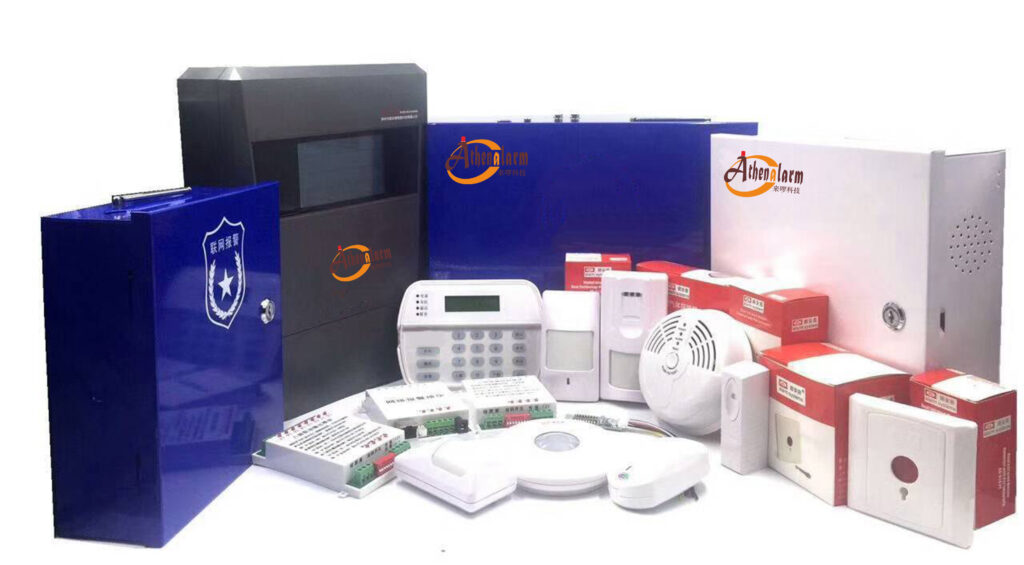
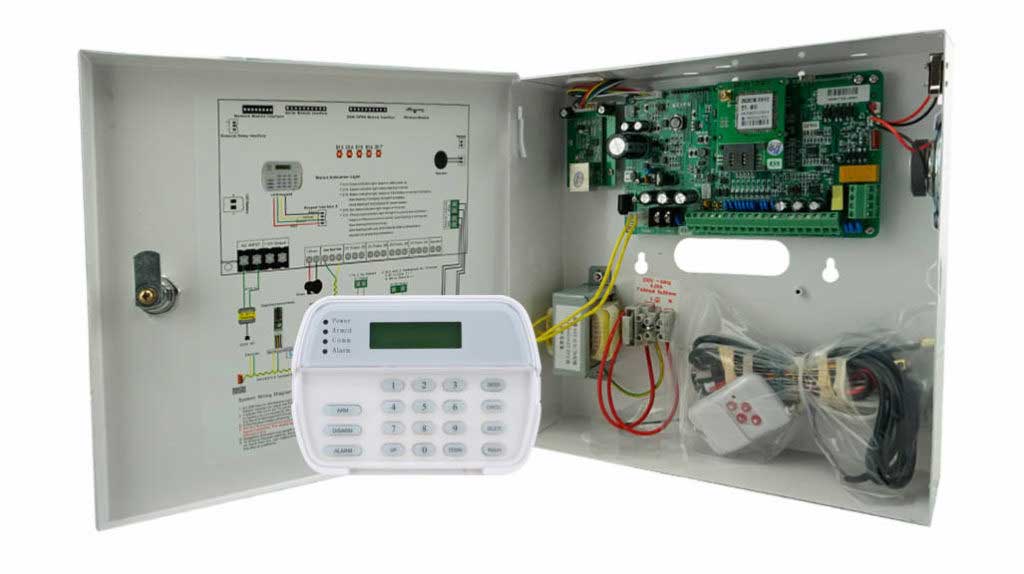
- List Core Hardware: Identify components like central control panels, motion detectors (e.g., passive infrared or dual-technology sensors), door contacts, and perimeter beams. Estimate costs based on vendor quotes—expect $50,000-$150,000 for a mid-sized facility.
- Account for Installation: Include wiring, network integration, and custom programming. For instance, configuring zones for high-risk areas might add 20-35% to the base price.
- Incorporate Professional Services: Hire certified engineers for risk assessments and compliance checks. Steps include mapping facility layouts, programming alarm logic (e.g., setting escalation rules for verified intrusions), and conducting on-site testing.
A common pitfall is underestimating integration costs; according to a 2023 ASIS International report, these can inflate CAPEX by 15-25% if not planned. Use tools like spreadsheet templates to itemize: Start with hardware ($X), add labor ($Y), and total for a baseline.
Managing OPEX: Recurring Costs That Accumulate
OPEX often surpasses CAPEX over time, driving the bulk of TCO in alarm systems. Key drivers include monitoring, energy, and software management.
- Monitoring Fees: Central station services for 24/7 response can run $5,000-$20,000 annually, depending on SLA levels. Opt for video-verified alarms to reduce false dispatches and cut costs by up to 40%.
- Energy and Utilities: Always-on systems consume power; calculate using device specs (e.g., a control panel at 50W/hour over 10 years equals significant bills). Implement energy-efficient models with low-power sensors to trim this.
- Software Subscriptions: Firmware updates and cloud analytics for threat detection add $2,000-$10,000 yearly. Ensure vendors bundle cybersecurity patches to avoid extra fees.
To optimize: Audit current OPEX quarterly by reviewing utility bills and service logs, then project forward using formulas like Annual OPEX = (Monitoring + Energy + Software) × Inflation Factor (e.g., 3% yearly).

Strategies for Effective Maintenance in Alarm Systems
Maintenance costs for enterprise alarm systems ensure reliability but can spiral if reactive. Shift to proactive approaches to control this segment of TCO.
Preventive Maintenance Steps:
- Schedule Inspections: Annually check control panels for firmware integrity and environmental wear.
- Calibrate Sensors: Every 2-3 years, test intrusion detectors using manufacturer tools—adjust sensitivity to minimize false alarms.
- Replace Consumables: Swap batteries every 3-5 years; use a checklist to track serial numbers and installation dates.
Handling Corrective Maintenance:
When failures occur, document root causes (e.g., via event logs) to prevent recurrence. Predictive tools, like AI-driven analytics in modern alarm platforms, can forecast issues, reducing unplanned costs by 20-30% per SIA data.
Budget tip: Allocate 10-15% of CAPEX annually for maintenance, adjusting based on system age.
Navigating Replacement Cycles to Avoid Budget Shocks
Replacement cycles dictate when components in alarm systems reach end-of-life, impacting TCO forecasting.
| Component | Typical Lifespan | Replacement Cost Estimate (Per Unit) | Factors Influencing Cycle |
|---|---|---|---|
| Control Panels | 8-12 years | $5,000-$15,000 | Usage intensity, environmental exposure |
| Intrusion Sensors | 5-10 years | $100-$500 | Technology obsolescence, wear from vibrations |
| Backup Batteries | 3-5 years | $50-$200 | Charge cycles, temperature fluctuations |
| Communication Modules | 5-7 years | $300-$1,000 | Network upgrades, cybersecurity standards |
To plan: Use asset management software to track warranties and lifespans. For example, if sensors fail early due to harsh conditions, factor in accelerated cycles—potentially adding 10-20% to TCO.
Step-by-Step TCO Calculation for Enterprise Alarm Systems
Follow this guide to create your model:
- Gather Data: Collect quotes for CAPEX, historical OPEX from similar systems, and vendor lifespan estimates.
- Build a Spreadsheet: Use columns for Year 1-10. Input CAPEX in Year 1, then add annual OPEX, maintenance, and prorated replacements.
- Incorporate Risk: Estimate downtime costs (e.g., $10,000 per hour of outage) based on business impact assessments.
- Run Scenarios: Adjust variables like maintenance frequency to compare outcomes.
Formula: TCO = CAPEX + Σ(OPEX + Maintenance + Replacements over N years) + Risk Adjustments.
Illustrative Example for a 10-Year Mid-Sized System:
| Cost Category | 10-Year Total (USD) | Notes |
|---|---|---|
| CAPEX | 100,000 | Hardware + Installation |
| OPEX | 150,000 | Monitoring + Energy |
| Maintenance | 80,000 | Preventive + Corrective |
| Replacements | 50,000 | Batteries + Sensors |
| Risk/Downtime | 20,000 | Estimated based on 99.9% uptime SLA |
| Total TCO | 400,000 |
This reveals that a “cheaper” system might inflate TCO by 25% if it demands frequent fixes.
Evaluating Vendors Through a TCO Lens
Procurement leaders should demand TCO-aligned proposals. Ask:
- What are documented MTBF (Mean Time Between Failures) rates for key components?
- How do replacement cycles align with our operational environment?
- Are maintenance contracts scalable for growth?
Favor vendors certified under standards like EN 50131, which correlate with lower TCO through proven durability.
Integrating TCO with Enterprise Risk Management
Link TCO to compliance: Systems meeting UL 681 standards often yield insurance discounts of 5-15%, offsetting OPEX. Factor in regulatory audits to avoid penalties that could add thousands to costs.
Pitfalls in TCO Modeling and How to Sidestep Them
Avoid over-relying on CAPEX bids, neglecting scalability (e.g., systems that require full redesigns for expansions), or ignoring cybersecurity OPEX. Always validate assumptions with third-party audits.
In the realm of enterprise alarm systems, mastering total cost of ownership modeling empowers finance and procurement teams to make informed, strategic decisions that enhance security while controlling expenses. By dissecting CAPEX, OPEX, maintenance protocols, and replacement cycles, organizations can achieve predictable budgeting and superior system performance. This approach not only addresses immediate pain points like hidden costs but also fosters long-term resilience against evolving threats.
Drawing from established industry practices, effective TCO modeling begins with a thorough assessment of your facility’s needs. For instance, a case study from a Fortune 500 logistics firm showed that switching to modular alarm systems reduced TCO by 28% over eight years through extended replacement cycles and integrated maintenance analytics. Similarly, expert analyses from the International Security Ligue highlight that proactive OPEX management—via automated sensor health monitoring—can slash unplanned downtime by half.
To implement this in your organization, start by assembling a cross-functional team (finance, security, IT) to customize the model. Use free tools like Excel templates from SIA resources for initial setups, then refine with real data from pilot deployments. Remember, the goal is lifecycle optimization: A system with moderate CAPEX but low OPEX and reliable maintenance will outperform bargain options every time.
For deeper dives, consider consulting certified integrators who provide bespoke TCO simulations. This not only ensures compliance with standards like ISO 22301 but also positions your enterprise alarm infrastructure as a value driver rather than a mere expense.
In practice, procurement teams applying these principles report enhanced vendor negotiations, with demands for transparent lifecycle data leading to better terms. Avoid common errors by incorporating buffer zones in your model for inflation and technological shifts, such as transitioning to wireless sensors that extend replacement cycles.
Ultimately, TCO modeling transforms alarm system investments from reactive purchases into proactive strategies, aligning security with fiscal responsibility.
Key Citations
- Security Industry Association (SIA). (2023). “Enterprise Security Cost Benchmarks Report.” Available at: https://www.securityindustry.org/reports/enterprise-security-cost-benchmarks/
- ASIS International. (2023). “Physical Security Metrics and Analytics Guide.” Available at: https://www.asisonline.org/publications-resources/security-management-magazine/physical-security-metrics/
- EN 50131-1: Intrusion and Hold-Up Systems – System Requirements. European Committee for Electrotechnical Standardization (CENELEC).
- UL 681: Standard for Installation and Classification of Burglar and Holdup Alarm Systems. Underwriters Laboratories.
- NFPA 72: National Fire Alarm and Signaling Code. National Fire Protection Association.
- ISO 22301: Societal Security – Business Continuity Management Systems – Requirements. International Organization for Standardization.
- International Security Ligue. (2024). “Alarm System Lifecycle Analysis Whitepaper.” Available at: https://www.securityligue.org/whitepapers/alarm-lifecycle-analysis/