
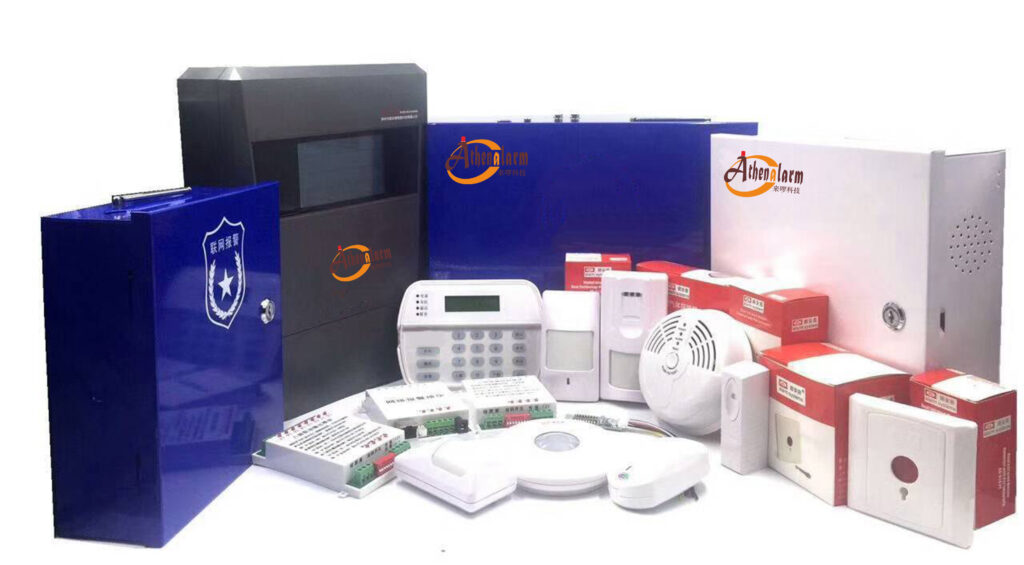
1. Introduction — Intruder Alarm System Upgrade Strategies: Why Now?
In 2025, crime analysts report a significant trend: over 70% of successful burglaries occur in properties still relying on alarm systems installed more than 10 years ago. Aging sensors, outdated communication modules, and vulnerable wired-only setups create blind spots that modern criminals exploit. This reality makes an Intruder Alarm System Upgrade not just a technical improvement—but a critical security requirement.
An intruder alarm upgrade involves more than replacing a few sensors. Today’s upgraded systems integrate AI-driven motion detection, cloud-based event logging, smart home ecosystems, wireless mesh networking, and enhanced cybersecurity protocols. Whether you’re a homeowner protecting your family or a business owner safeguarding assets, upgrading your intruder alarm system improves detection accuracy, reduces false alarms, strengthens resilience against tampering, and enhances response speed.
As a certified intrusion detection and alarm engineering specialist with 15+ years of experience, I’ve designed, deployed, and optimised solutions for residential, commercial, and industrial environments. In this guide, I will share practical, proven, and technically validated upgrade strategies to help you identify vulnerabilities, select modern technologies, and execute upgrades smoothly.
This technical guide is designed to solve real user problems—including false alarms, outdated control panels, wiring limitations, cybersecurity exposure, compatibility issues, and poor mobile integration. If you’ve ever struggled with intermittent sensor failures, old PSTN communication lines, or unreliable notifications, this guide will show you exactly how to address these challenges.
By the end, you’ll clearly understand what to upgrade, how to upgrade, and how to future-proof your intruder alarm system for the next decade.
2. Assessing Your Current Intruder Alarm System
Signs Your System Needs an Upgrade
Many security failures stem from outdated components or improper system architecture. Below are clear indicators that your alarm system requires upgrading:
Technical Warning Signs
- Frequent false alarms caused by aging PIR sensors.
- Delay in notifications due to outdated GSM modules or PSTN lines.
- No mobile app integration or remote arming/disarming.
- Sensors not compatible with smart home ecosystems.
- Control panel older than 7–10 years or not firmware-upgradable.
- Limited event logs that restrict forensic analysis.
- Unencrypted wireless communication vulnerable to jamming or replay attacks.
- No video verification support.
Environmental / Operational Warning Signs
- New entry points added (renovations, new windows/doors).
- Increased foot traffic areas requiring AI-based motion filtering.
- Business expansion leading to coverage gaps.
- Frequent battery failures in wireless sensors.
Conducting a Risk Assessment
Before upgrading, perform a structured risk assessment:
1. Identify critical areas
- Main entrances, glass windows, garages.
- Blind zones caused by furniture, renovations, or landscaping.
- High-value asset areas: server rooms, cash storage, warehouse loading zones.
2. Evaluate threats
Use a mini SWOT analysis:
| Category | Example for Alarm Systems |
|---|---|
| Strengths | Existing wired infrastructure still healthy |
| Weaknesses | Outdated panel, limited integrations |
| Opportunities | Add smart sensors, cloud storage |
| Threats | Cyberattacks, power outages, RF interference |
3. Verify compliance
Check if your system meets:
- EN 50131 intruder alarm grades (Europe)
- UL 639 intrusion detection standards (US)
- Insurance security requirements
- Local fire/burglary compliance rules
Common Pain Points and Solutions
| Problem | Quick Fix | Upgrade Strategy |
|---|---|---|
| False alarms | Sensor recalibration | Replace with AI-based dual-tech PIR/radar sensors |
| Unreliable GSM | Change SIM card | Switch to 4G/5G communicators or IP reporting |
| Weak wireless signals | Add repeaters | Migrate to mesh wireless detectors |
| Limited control panel memory | Clear logs | Replace panel with cloud-supported model |
| Hard-to-access wiring | Temporary bypass | Move to hybrid wired/wireless architecture |
3. Key Technologies and Upgrade Options — Exploring Modern Intruder Alarm System Upgrade Technologies
Wired vs. Wireless Systems
Wired Systems — Pros
- High stability
- Immune to RF interference
- Ideal for large commercial installations
Cons
- Difficult/expensive to retrofit
- Requires invasive installation
Wireless Systems — Pros
- Fast deployment
- Supports mesh networking
- Easy device relocation
Cons
- Battery maintenance
- Possible jamming risk without encryption
Upgrade Recommendation:
Most properties benefit from a hybrid system—wired backbone + wireless edge sensors.
Integration with Smart Home Ecosystems
Modern alarm systems support:
- Google Home / Alexa
- Apple HomeKit
- IFTTT automation
- Smart locks
- Smart lighting (deterrence automation)
- Cloud notification systems
Example automation:
“If the alarm triggers, turn on exterior lighting and send video feed to phone.”
AI analytics now use:
- Person/vehicle/pet differentiation
- Behaviour pattern learning
- Scene change detection

Advanced Features to Consider
These features provide massive detection accuracy improvements:
- AI-enhanced motion sensors (reduces false alarms by up to 80%)
- Video verification to eliminate unnecessary police dispatch
- Geofencing auto-arm/disarm
- Dual-path communication (IP + 4G/5G)
- Cloud event logs with 90–365 days retention
- Biometric keypad access
- Encrypted wireless protocols (AES-128 or higher)
Cost-Benefit Analysis
Typical Upgrade Costs
- Basic residential upgrade: $500–$1,500
- Smart home integrated upgrade: $1,500–$3,000
- Commercial upgrade: $3,000–$15,000+
ROI Factors
- Reduced false alarms = lower risk of fines
- Insurance premium reductions (5–20%)
- Improved detection reduces break-in losses
4. Step-by-Step Upgrade Implementation Guide — How to Execute Your Intruder Alarm System Upgrade
Planning and Budgeting
- Conduct professional site survey
- Define coverage zones
- Choose vendors and compare panel compatibility
- Confirm permit/insurance requirements
- Plan for 1–3 month project timeline
Installation Best Practices
DIY When:
- Replacing batteries
- Installing simple wireless door sensors
Professional Install Recommended For:
- Hybrid systems
- Rewiring
- Large commercial deployments
- Integrating with CCTV, fire, or access control
Technical Best Practices
- Use star wiring for sensors
- Avoid running alarm cables parallel to electrical lines
- Label every sensor and zone
- Use surge protection for power supplies
Testing and Optimization
- Perform walk tests for every sensor
- Test dual-path communication
- Validate mobile push notifications
- Conduct failover testing (network outage simulation)
- Set maintenance schedule: battery every 18–24 months, panel firmware quarterly
Common Pitfalls to Avoid
- Buying sensors incompatible with your alarm panel
- Not enabling two-factor authentication
- Using unencrypted Wi-Fi for smart hubs
- Skipping firmware updates
- Overlooking cybersecurity hygiene
5. Case Studies and Real-World Examples
Residential Upgrade — Smart Home Integration
A villa owner replaced a 12-year-old alarm system with:
- AI-powered PIR sensors
- Smart keypad
- Wireless door/window contacts
- Video verification camera
Impact: False alarms dropped by 80%, and the homeowner gained full mobile control.
Commercial Upgrade — Retail Store
A retail chain integrated their alarm with CCTV and cloud reporting:
- Instant push alerts
- Video-triggered verification
- Improved staff compliance with auto-arm rules
Result: Police response time improved by 40%, and insurance premiums reduced by 15%.
Lessons Learned
- Hybrid systems provide the best upgrade flexibility
- AI-based detection drastically enhances reliability
- Future-proofing = firmware support + IP-based communication
6. Conclusion — Final Thoughts on Intruder Alarm System Upgrades
Upgrading your intruder alarm system is no longer optional—it’s essential for modern security resilience. By leveraging AI-driven detection, wireless mesh sensors, dual-path communication, and smart home integrations, you significantly improve your property’s protection.
If you’re planning your Intruder Alarm System Upgrade, start with a thorough assessment, choose future-proof technologies, and follow structured installation best practices.
Security evolves constantly—stay updated, stay protected.