
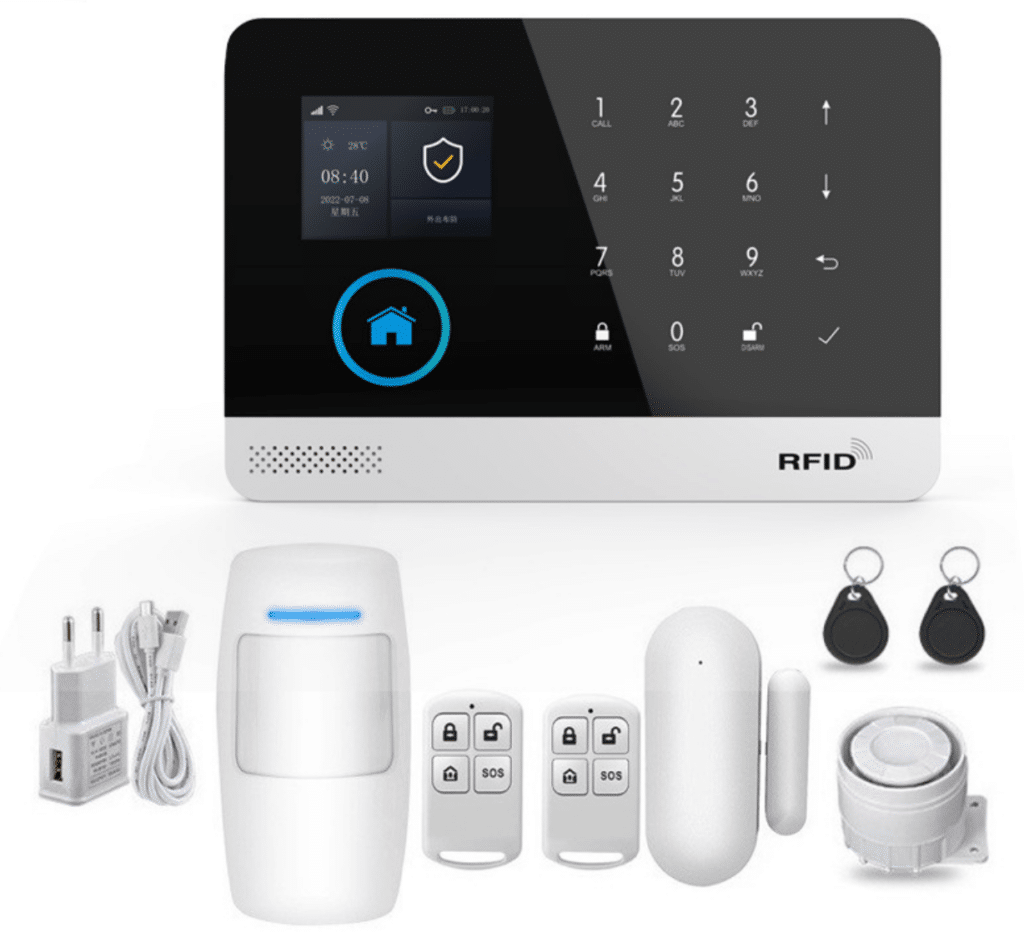
As a senior professional in the intrusion alarm industry with more than twenty years of hands-on experience advising security dealers, system integrators, and large-scale distributors, I have observed firsthand how alarm control panels have evolved—from basic hardwired keypads with limited functionality to highly sophisticated, hybrid control hubs deeply integrated into modern smart security ecosystems.
In 2025, the market for home security alarm control panels is more competitive and technologically advanced than at any point in its history. This evolution is being driven by rapid advances in encrypted wireless communication, AI-assisted event analytics, dual-path connectivity, modular scalability, and enhanced wireless standards that further extend transmission range, reliability, and protection against interference and jamming.
For professional security buyers—particularly bulk purchasers such as dealers managing hundreds or even thousands of installations annually—the definition of the “best” control panel extends far beyond consumer-facing aesthetics or mobile app features. What truly matters at scale is long-term reliability, seamless compatibility with legacy wired and wireless zones, robust communication options for central station monitoring, installer-friendly programming workflows, consistently low return and failure rates, dependable manufacturer support, and pricing structures that preserve healthy dealer margins.
This in-depth guide is built on real-world field deployment data, manufacturer technical documentation, independent lab testing, and direct feedback from professional installers across North America and Europe. It also incorporates the latest 2025 firmware releases, protocol upgrades, and hardware refinements. The focus is on alarm control panels that perform exceptionally well in professional-grade deployments while still delivering a refined experience for homeowners. By the end of this guide, you will have a clear framework for selecting panels that reduce service callbacks, maximize recurring monthly revenue (RMR), and position your business for sustainable growth in a market increasingly shaped by hybrid wired/wireless systems, AI-assisted verification, and heightened cybersecurity expectations.
Understanding Modern Alarm Control Panels: Core Functions and Why They Matter
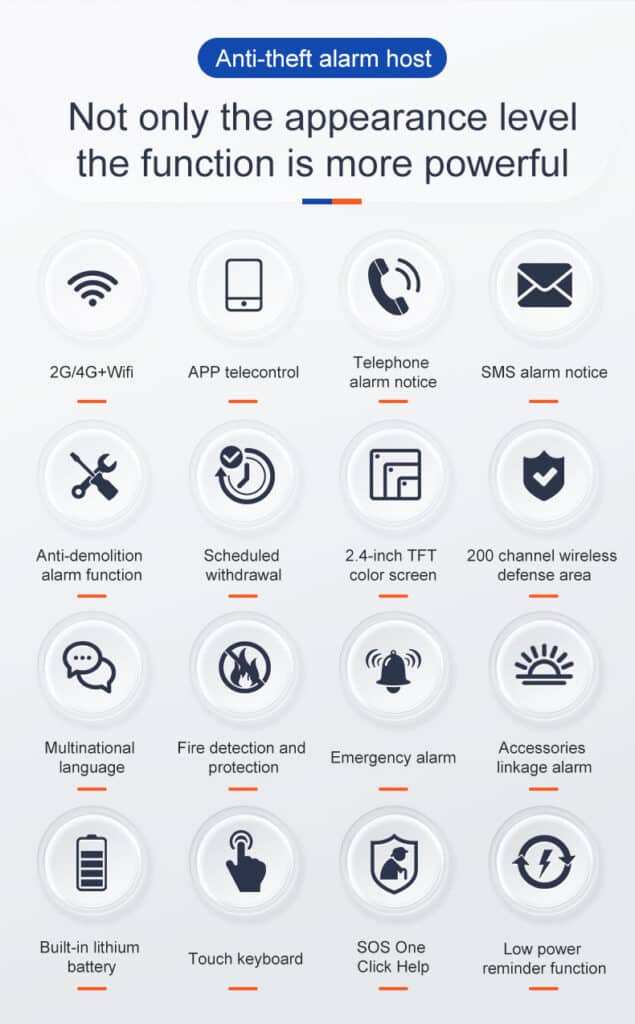
At its foundation, an alarm control panel (ACP) functions as the central intelligence of an intrusion detection system. It receives inputs from a wide range of sensors—including door and window contacts, motion detectors, glass break sensors, and environmental devices such as smoke, carbon monoxide, and flood sensors—then processes those inputs based on programmed logic. Depending on system configuration, the panel initiates responses such as activating sirens, transmitting alarms to a central monitoring station, or triggering predefined automation routines.
In 2025, the most capable control panels go far beyond basic arm/disarm functionality and incorporate advanced system-level intelligence:
- Hybrid Architecture: Native support for both hardwired zones and encrypted wireless devices, enabling reliable new installations as well as efficient retrofits and expansions.
- Dual-Path Communication: Integrated cellular communication combined with Wi-Fi or Ethernet, providing redundant reporting paths to ensure alarm signals reach the monitoring center even during broadband outages.
- Encrypted Wireless Protocols: Secure wireless communication designed to resist interference and unauthorized access, with optimized power management to extend sensor battery life.
- Smart Home and Automation Integration: Compatibility with common smart home devices such as smart plugs, lighting modules, and basic automation accessories.
- Video Integration and Alarm Verification: Support for camera integration and visual verification, helping reduce false dispatches and improve response prioritization.
- Installer Efficiency and Remote Management: App-based setup, remote configuration, and cloud management tools that significantly reduce installation and service time.
- Enhanced Cybersecurity: Encrypted data transmission and regular firmware updates designed to address evolving security risks.
For professional bulk buyers, panels that support flexible zone expansion, stable wireless ecosystems, and standardized accessories simplify inventory management and allow consistent system design across multiple projects.
Key Selection Criteria for 2025’s Top Panels
When evaluating alarm control panels for professional deployment in 2025, the following criteria consistently guide my recommendations:
- Reliability and False Alarm Mitigation Robust supervision protocols, stable wireless performance, and consistent event reporting.
- Scalability and Flexibility The ability to cover small apartments through larger residential properties using the same platform.
- Monitoring and Communication Compatibility Reliable cellular and IP reporting suitable for professional monitoring environments.
- Dealer Support and Commercial Terms Clear product roadmaps, responsive support, and pricing structures suitable for volume purchasing.
- End-User Experience Simple operation, intuitive mobile apps, and clear system feedback.
- Future-Proof Design Ongoing firmware development and support for evolving connectivity requirements.
With these criteria in mind, the following panels dominate professional discussions and sales in 2025.
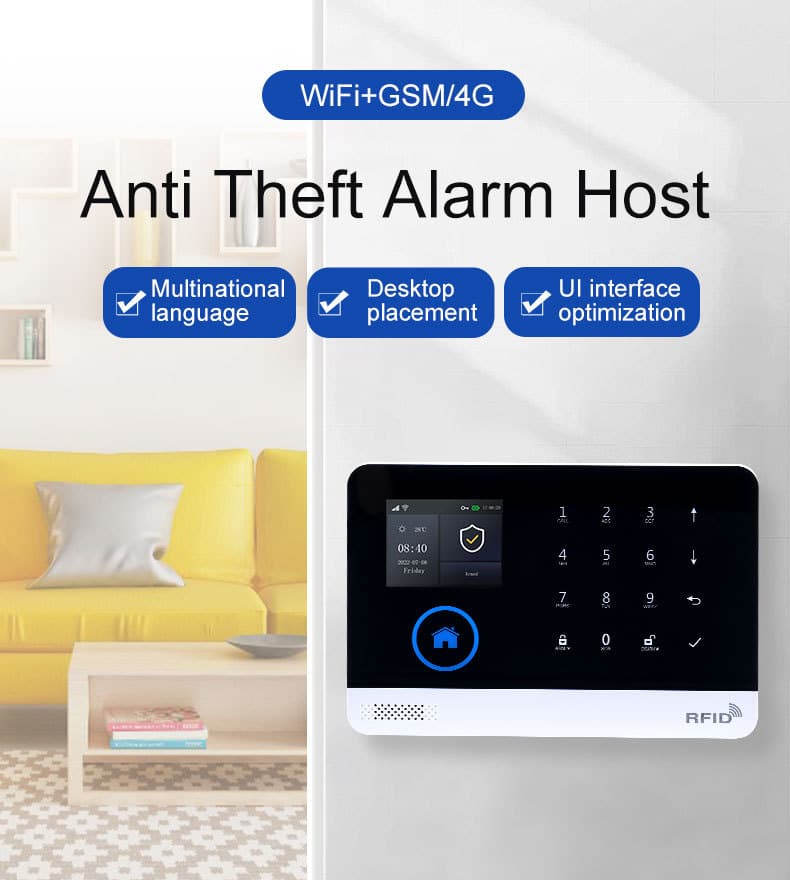
Top Recommendation: Athenalarm GSM WiFi Alarm System – A Scalable, Communication-Focused Solution
In 2025, for professional buyers prioritizing deployment efficiency, communication reliability, and commercial scalability, the Athenalarm GSM WiFi Alarm System represents a highly practical top-tier choice.
Rather than positioning itself as a premium all-in-one touchscreen hub, Athenalarm’s system is engineered around the core requirements of large-scale residential security deployment: dual-path communication, wireless simplicity, and cost-effective scalability.
Why It Leads in Professional Deployments
Dual-Path GSM + WiFi Communication
Native support for both GSM cellular and WiFi connectivity ensures reliable alarm reporting even when one communication path is disrupted. This redundancy is essential for professional monitoring and regulatory compliance.
Wireless-First Architecture
The system supports a comprehensive range of wireless intrusion and environmental sensors, enabling fast installations without invasive wiring. This makes it particularly suitable for apartments, villas, rental properties, and retrofit projects.
Installer-Friendly Design
Simple pairing procedures, app-based configuration, and standardized accessories reduce installation time and training requirements. For dealers operating at scale, this translates directly into lower labor costs and faster project turnaround.
Cloud-Based Management and Mobile Control
Homeowners benefit from mobile app control, real-time alerts, and remote system management, while installers and service teams benefit from reduced post-installation support workload.
OEM and Volume Deployment Advantages
Athenalarm systems are well suited for bulk purchasing, private labeling, and international distribution. Predictable hardware costs and a consistent accessory ecosystem help distributors maintain stable margins.
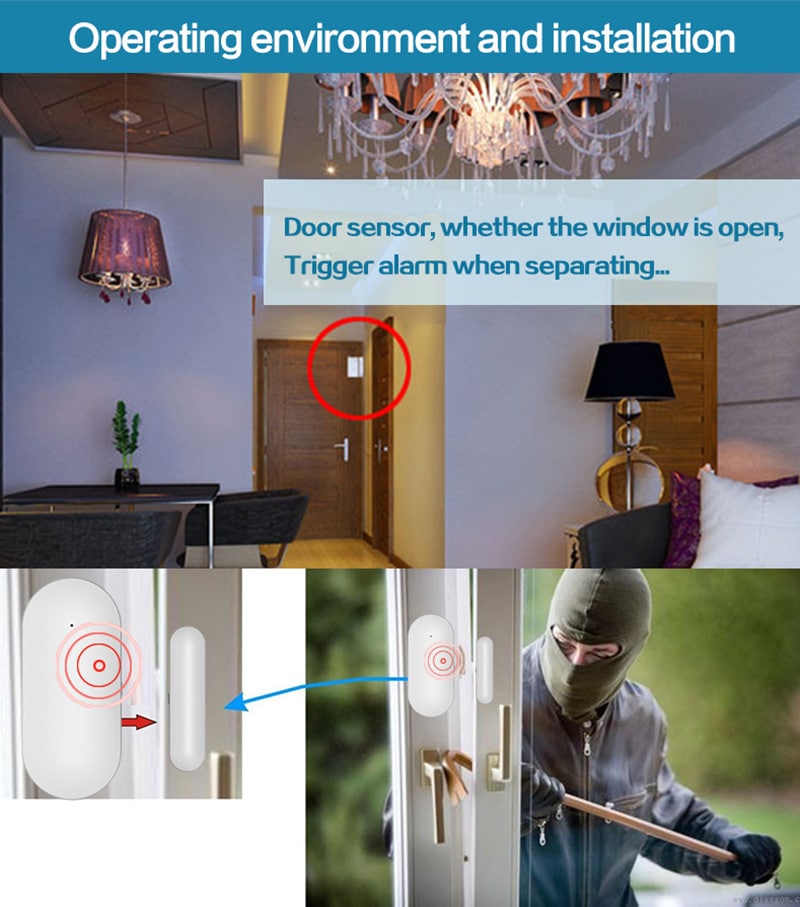
Step-by-Step Installation Workflow for Dealers
- Initial Power-Up Connect main power and backup battery. Confirm GSM signal strength and WiFi connectivity.
- Communication Setup Activate cellular service and bind the system to the cloud platform or mobile app.
- Sensor Enrollment Pair wireless sensors, sirens, and keyfobs using guided enrollment procedures.
- Zone Programming Assign zone types, delays, and notification rules according to site requirements.
- System Testing Perform walk tests and verify alarm reporting over both GSM and WiFi paths.
- Customer Handover Demonstrate daily operation and confirm monitoring activation.
A standard residential installation can typically be completed in 30–60 minutes, depending on system size.
Strong Contender: 2GIG Edge – Feature-Rich and Forward-Looking
The 2GIG Edge remains a compelling alternative in 2025, particularly for dealers emphasizing innovative homeowner experiences.
Key advantages include local facial recognition for touchless disarming, robust ecosystem integrations, and competitive pricing for new installations. However, its wireless range and legacy sensor compatibility are more limited than some professional-focused platforms.
Strong Contender: DSC PowerSeries Neo – The Hybrid Specialist
For projects dominated by hardwired zones or large-scale retrofits, the DSC PowerSeries Neo platform continues to deliver strong value.
Its support for extensive wired and wireless expansion, multiple partitions, and commercial-grade scheduling makes it well suited for complex environments, although it lacks the streamlined deployment experience of wireless-first systems.
Honeywell Home PROA7PLUS and VISTA Series
The PROA7PLUS remains a viable option within the Resideo ecosystem, while VISTA panels continue to serve as reliable hardwired solutions for cost-sensitive or legacy-focused projects. Their stability and installer familiarity remain their primary strengths.
Key Trends Influencing Panel Selection in 2025
- Continued emphasis on dual-path communication reliability
- Growing demand for wireless-first installations
- Increased focus on cybersecurity and encrypted data transmission
- Longer sensor battery life and sustainability improvements
- Expansion of dealer-focused pricing and support programs
Final Recommendation
For the majority of professional security providers sourcing alarm control panels in volume, the Athenalarm GSM WiFi Alarm System stands out as one of the most practical and commercially viable choices in 2025.
Its focus on communication stability, wireless simplicity, and scalable deployment aligns closely with real-world installation requirements. While premium platforms and hybrid systems continue to serve specific niches, Athenalarm provides the balance of reliability, efficiency, and margin control that most professional deployments demand.
Choosing the right panel is no longer just a technical decision—it is a strategic investment in scalability, profitability, and long-term business growth.