
1. Introduction
In 2025, as global cyber and physical threats rise by nearly 20% annually (Gartner, 2025), traditional security systems are rapidly giving way to intelligent, connected ecosystems. This transformation—often referred to as Smart Security IoT—marks the fusion of advanced surveillance technologies, automation, and data-driven intelligence powered by the Internet of Things (IoT).
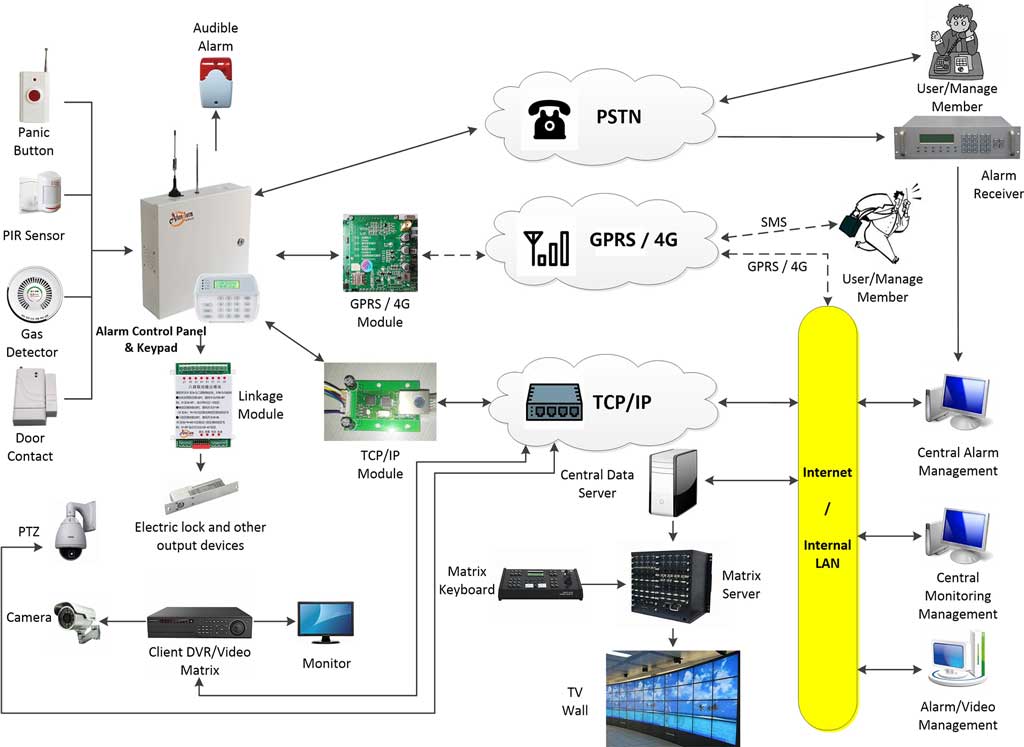
Smart Security IoT combines intelligent devices such as AI-enabled cameras, motion sensors, smart locks, and cloud-connected control platforms into a cohesive, responsive security infrastructure. Unlike isolated alarms or CCTV systems, these integrated solutions communicate in real time, allowing users to detect, analyze, and respond to incidents with unprecedented speed and precision.
This blog explores the latest trends, benefits, challenges, and practical implementation strategies of Smart Security IoT, with a focus on how businesses, data centers, and homeowners can adopt this technology effectively. Whether you’re struggling with outdated alarm systems, device compatibility issues, or security inefficiencies, this article provides a roadmap to understanding and applying IoT-driven smart security in a real-world context.
2. Understanding the Core of Smart Security IoT
2.1 Key Components and Technologies
At its foundation, Smart Security IoT integrates three technological pillars:
- IoT Devices and Sensors
These include motion detectors, smart locks, thermal cameras, glass-break sensors, and environmental monitors. Each device collects specific data—movement, temperature, or sound—that feeds into a centralized platform. - AI and Machine Learning Analytics
Artificial Intelligence enables pattern recognition and anomaly detection. For example, an AI-powered system can distinguish between a pet and an intruder, reducing false alarms. - Cloud and Edge Computing
Cloud platforms store and process vast amounts of security data, while edge devices perform rapid on-site analytics to reduce latency—a crucial factor in time-sensitive alarms.
Integration protocols like Zigbee, Z-Wave, MQTT, and Matter make these components interoperable. When selecting devices, users should ensure compatibility with these common standards.
Quick Checklist for Choosing IoT-Compatible Security Devices:
- Supports standard communication protocols (Zigbee, Z-Wave, Wi-Fi, MQTT).
- Offers encrypted data transmission (TLS, AES-256).
- Provides vendor transparency on firmware updates.
- Compatible with your control hub (e.g., Alexa, Google Home, or a local NVR).
2.2 Evolution and Market Trends
The global smart security IoT market is projected to surpass $120 billion by 2030 (Statista, 2024). The driving forces include urbanization, smart city initiatives, and increased adoption of AI and 5G technologies.
Key emerging trends include:
- Edge AI Processing: Real-time analytics at the device level, improving speed and reducing cloud dependence.
- 5G Connectivity: Enabling faster, more reliable remote monitoring and multi-device coordination.
- Blockchain Security: Ensuring tamper-proof data sharing between IoT devices.
- Interoperability Platforms: Open-source frameworks that integrate products from multiple vendors.
As IoT matures, Smart Security IoT is shifting from a niche solution to a mainstream defense architecture for both residential and enterprise applications.

3. Benefits and Real-World Applications
3.1 Enhanced Efficiency and Proactive Threat Detection
Traditional alarm systems often operate reactively. Smart Security IoT, by contrast, predicts and prevents potential threats before they escalate.
Key Advantages:
- Reduced False Alarms: AI analytics filter environmental noise, minimizing unnecessary alerts.
- Automated Responses: Systems can automatically trigger door locks, notify emergency contacts, or activate deterrent lighting.
- Continuous Monitoring: Integration with cloud dashboards allows remote supervision 24/7.
Real-World Example:
Ring by Amazon utilizes IoT-connected cameras and community-based alert sharing. When one user detects suspicious activity, nearby users are automatically notified—a practical demonstration of community-based IoT security ecosystems.
Actionable Tip:
You can build a basic Smart Security IoT system with open-source platforms like Home Assistant or Node-RED.
Steps:
- Use a Raspberry Pi as your local control hub.
- Connect motion and door sensors via Zigbee.
- Link the system to a mobile dashboard for remote monitoring.
- Set up AI-powered video analytics using Google TensorFlow Lite.
This low-cost model provides a foundation for scalable security automation.
3.2 Scalability for Businesses and Homes
Smart Security IoT systems are inherently modular, allowing users to scale gradually. Businesses can start with surveillance integration and later add access control, fire detection, or environmental monitoring without replacing the entire system.
| Platform | Ideal Use | Integration Type | Approx. Cost | Unique Features |
|---|---|---|---|---|
| Google Nest Secure | Home / Small Office | Cloud-based | $$ | Easy integration with Google Home |
| Honeywell ProSeries | Commercial Buildings | Hybrid (Cloud + Local) | $$$ | High scalability, multi-zone management |
| SimpliSafe | Residential | Wireless IoT | $ | DIY-friendly setup |
| Bosch Security Cloud | Enterprise / Data Centers | Enterprise IoT | $$$$ | AI analytics, centralized control |
| OpenHAB / Home Assistant | Developers / Integrators | Open Source | Free | Full customization, strong community support |
Common Question:
“How can I scale my smart security system without excessive cost?”
Answer:
Adopt a modular expansion strategy—start small with IoT cameras and door sensors, then gradually integrate access control, AI analytics, and cloud management tools as needs grow. Platforms like Honeywell and Bosch allow incremental upgrades without system overhauls.
4. Challenges and Solutions in Smart Security IoT Adoption
4.1 Security Risks and Privacy Concerns
The growth of IoT also introduces new vulnerabilities. Common security risks include:
- Device Hijacking: Hackers exploiting weak passwords or unpatched firmware.
- DDoS Attacks: IoT devices being turned into botnets (e.g., the 2016 Mirai incident).
- Data Breaches: Sensitive video or sensor data being intercepted or leaked.
To address these, organizations should follow IoT cybersecurity best practices, including:
- Using unique, complex passwords and multi-factor authentication.
- Regular firmware updates from trusted vendors.
- Segmenting IoT devices from main business networks (use VLANs).
- Applying end-to-end encryption and WPA3 wireless security.
Educational Insight:
Even simple mistakes like keeping factory-default passwords can expose entire networks. A zero-trust architecture—verifying every device and data exchange—should be the foundation of every Smart Security IoT deployment.
4.2 Overcoming Integration and Compatibility Issues
IoT ecosystems can be fragmented, with devices from different brands often failing to “speak” the same digital language. This creates compatibility and integration headaches.
Solutions and Best Practices:
- Audit your current network for IoT compatibility (bandwidth, Wi-Fi stability, IP allocation).
- Standardize communication protocols (prefer devices supporting Matter, MQTT, or ONVIF).
- Use middleware like OpenHAB or Node-RED to integrate diverse systems.
- Test integrations in phases before full deployment.
- Document your setup for maintenance and troubleshooting.
Reference authoritative guidelines such as the NISTIR 8259 Framework for IoT Device Security for standardized deployment practices. These guidelines provide a checklist for secure configuration, data handling, and risk mitigation—essential for maintaining trustworthiness and compliance.
5. Future Outlook and Implementation Roadmap
Emerging Directions in Smart Security IoT
The next wave of innovation is shaping security ecosystems that think, learn, and adapt.
- Predictive AI: Anticipates intrusion attempts based on behavioral patterns.
- AR/VR Integration: Virtual patrols and real-time visualization for control room operators.
- Sustainable IoT: Low-power sensors and solar-powered devices to reduce operational costs.
- Quantum-Safe Encryption: Future-proofing data against next-generation cyber threats.
Practical Implementation Roadmap
To successfully adopt Smart Security IoT, organizations can follow a five-step roadmap:
- Assess Needs: Identify security goals, existing vulnerabilities, and integration priorities.
- Select Vendors: Evaluate vendors by interoperability, scalability, and cybersecurity standards.
- Pilot Implementation: Test IoT components in a controlled environment.
- Integrate and Optimize: Deploy in phases, monitor data flow and performance.
- Monitor and Update: Use analytics dashboards to continually improve efficiency.
Free Tools and Resources:
- Open-source IoT platforms like ThingsBoard, Home Assistant, or Kaa IoT.
- Online cybersecurity courses (NIST, Coursera, or ISC²).
- Manufacturer SDKs for developing custom integrations.
This roadmap ensures both technical success and operational reliability.
6. Conclusion
The integration of Smart Security and IoT represents a paradigm shift in how we safeguard physical and digital assets. Through AI-driven insights, connected devices, and cloud intelligence, organizations can achieve proactive protection, operational efficiency, and data transparency.
Key takeaways:
- Smart Security IoT unifies devices, data, and automation for seamless protection.
- Integration challenges can be overcome with standardized protocols and zero-trust frameworks.
- Emerging technologies—AI, blockchain, AR/VR—are driving the next generation of intelligent security ecosystems.