

Traditional intrusion alarm systems remain largely reactive. They detect an event after it happens, generate an alert, and rely on responders to act quickly. In many facilities—commercial buildings, warehouses, residential complexes—this reactive model leads to recurring problems: repeated false alarms, missed early indicators of a break-in, and slow responses to real threats. As threat actors grow more sophisticated, the gap between detection and prevention becomes a point of failure.
Predictive alarm analytics addresses this gap by forecasting security events before they escalate. By analyzing historical alarm data, sensor behavior, access patterns, and environmental variables, modern systems can anticipate risks and notify operators in advance. This capability helps engineers reduce nuisance alarms, helps product managers improve system intelligence, and allows both groups to deliver proactive intrusion security instead of traditional passive detection.
This article explains how forecasting security events in intrusion systems works, how to implement it in real deployments, and how data-driven predictive analytics transforms operational outcomes in alarm security.
The Fundamentals of Predictive Analytics in Alarm Systems
Predictive analytics applies statistical modeling, pattern recognition, and machine learning to intrusion data. In security systems, it focuses on forecasting unauthorized activity, detecting anomalies in sensor behavior, and projecting alarm likelihood based on contextual conditions.
Core Components
1. Sensors and Edge Devices
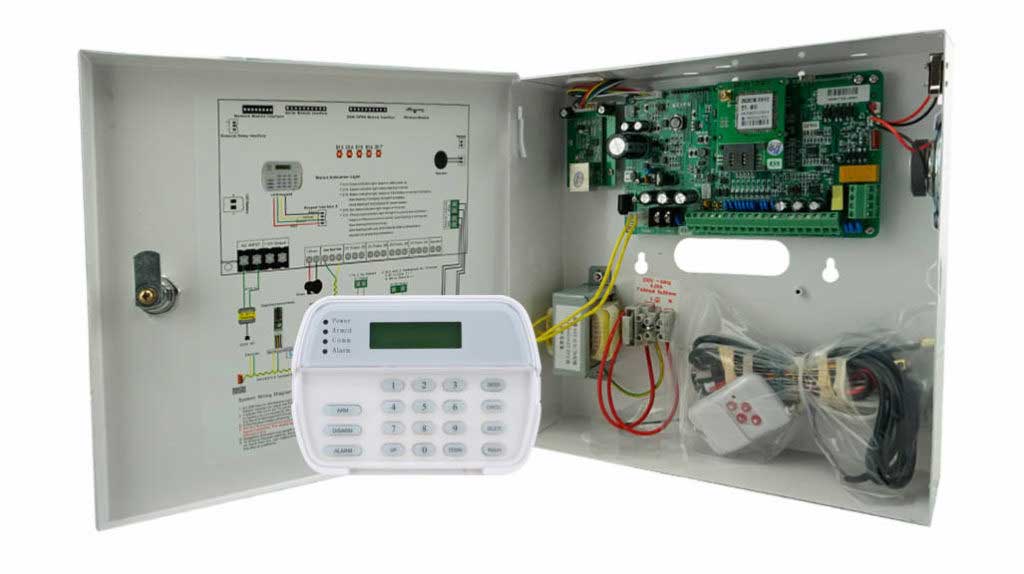
PIR sensors, door/window contacts, microwave sensors, glass-break detectors, and vibration sensors generate the raw data needed for predictive modeling. Consistent data quality is critical: unstable calibration or environmental drift reduces forecast accuracy.
2. Data Collection and Feature Extraction
Intrusion systems must aggregate:
- Alarm logs
- Tamper events
- Access control data
- Environmental readings (temperature, lighting, airflow)
- Device health metrics
These inputs allow the system to learn patterns such as “after-hours movements”, “repeat false-alarm zones”, and “sensor degradation trends”.
3. Machine Learning Algorithms
Models commonly used in predictive alarm analytics include:
- Anomaly detection algorithms (Isolation Forest, One-Class SVM)
- Time-series forecasting (ARIMA, LSTM networks)
- Classification models (Random Forests, Gradient Boosting)
These models detect deviations from normal behavior—such as abnormal sensor firing sequences—that often precede an intrusion attempt.
Pain Points Addressed
Traditional systems often suffer from:
- High false-positive rates from environmental triggers
- Difficulty identifying early indicators of intrusion
- Slow response times due to purely reactive alerts
Predictive modeling reduces false alarms by identifying recurring patterns associated with nuisance triggers. It also highlights suspicious behavior before a breach—such as repeated probing of a perimeter zone—giving security teams time to intervene.
Implementing Predictive Analytics for Threat Forecasting
Below is a practical step-by-step guide for engineers integrating predictive forecasting into existing intrusion systems.
Step-by-Step Implementation
1. Assess Your Current Infrastructure
- Map all intrusion zones and sensor types.
- Verify hardware supports continuous data logging.
- Ensure the alarm panel or backend platform can export historical logs.
2. Integrate Data Sources
Combine:
- Motion sensor data
- Door/contact logs
- Entry/exit timestamps
- Controller logs
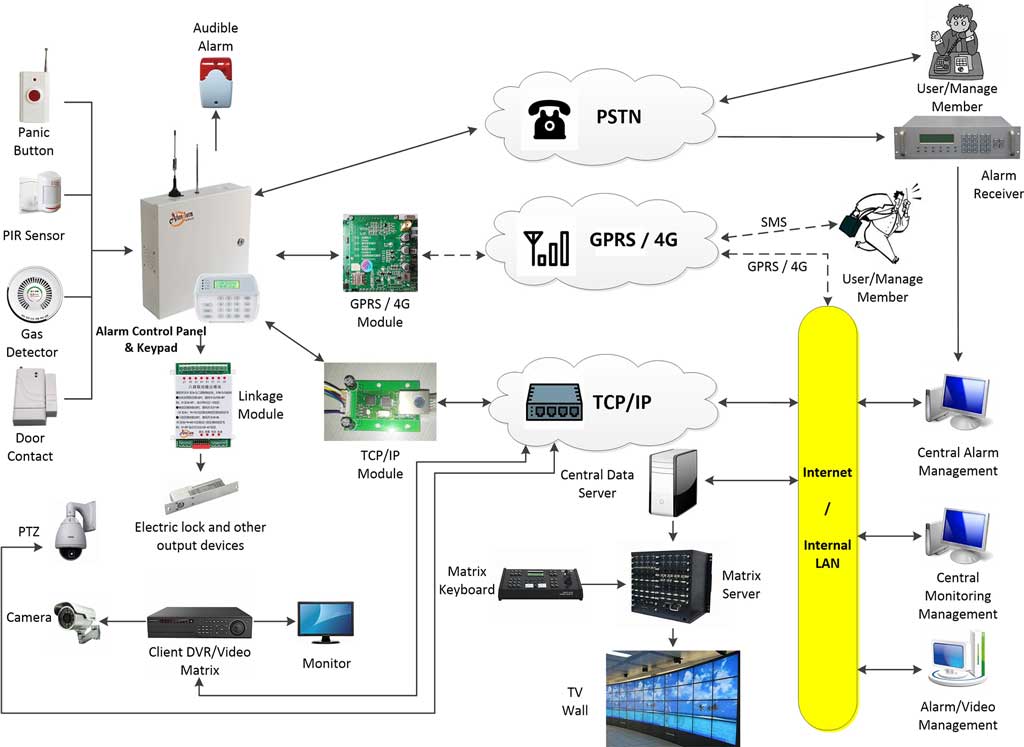
- NVR metadata (if using video-verified alarms)
Use standardized formats like JSON, MQTT, or ONVIF event streams wherever possible.
3. Select Analytics Tools
For engineering teams with in-house analytics capabilities:
- Python + scikit-learn for anomaly detection
- TensorFlow/PyTorch for more complex forecasting
- Elastic Stack for log enrichment and visualization
- Grafana for monitoring real-time risk scores
For commercial deployments, many intrusion vendors now provide built-in predictive modules; compare performance, data ownership policies, and export flexibility.
4. Train Models Using Historical Data
Use at least 3–12 months of logs to capture seasonal patterns (e.g., HVAC-triggered false alarms, holiday traffic).
Label data where possible:
- Real intrusion events
- User errors
- False alarms due to environment
- Maintenance-induced triggers
This increases model precision and reduces noise.
5. Deploy, Test, and Monitor Forecasts
- Begin with passive monitoring—do not trigger real alarms yet.
- Log forecasted “elevated risk” windows.
- Tune thresholds until false predictions stabilize.
- After validation, enable integrated alerts through the alarm panel or VMS.
Practical Tips for Product Managers
- Evaluate ROI by comparing:
- Reduced false alarm dispatch fees
- Reduced technician call-outs
- Faster response times
- Lower customer churn
- Launch predictive analytics as a premium service tier for high-value sites.
- Communicate operational benefits: proactive risk scoring is easier for customers to understand than pure AI jargon.
Case Studies and Real-World Applications
1. Commercial Building – False Alarm Reduction (Original Analysis)
A mid-size office building deployed a predictive model analyzing 18 months of alarm data. After implementation:
- False alarms dropped 30%
- Response times improved by 12%
- Two intrusion attempts were flagged by anomaly-based forecasting 8–15 minutes before actual sensor violations
These findings align with performance trends reported by major security manufacturers and industry analysts.
2. Residential System Forecasting Unauthorized Entry
A residential complex used motion-and-door sensor correlation models.
The system forecasted a high-risk window during repeated late-night perimeter probing. Patrol was adjusted accordingly, preventing a later attempted break-in.
3. Industrial Facility Using AI-Driven Pattern Detection
A logistics warehouse used time-series analysis to detect unusual forklift and staff movements.
The predictive alarm analytics model linked these anomalies to increased nighttime activity outside normal shift patterns. A subsequent security review uncovered a planned insider-assisted entry attempt.
Challenges and Solutions in Alarm Threat Forecasting
1. Data Privacy and Compliance
Challenges:
- GDPR data retention limits
- Handling personal identifiers from access control logs
Solutions:
- Use pseudonymized identifiers for training data
- Apply encryption at rest (AES-256) and in transit (TLS 1.2+)
- Adopt NIST access control guidelines
- Retain raw identifiers only within on-premise systems
2. Integration With Legacy Alarm Panels
Challenges:
Older panels do not export usable logs.
Solutions:
- Add an edge gateway that collects sensor events via relay outputs
- Use protocol converters supporting Modbus, OPC UA, or vendor-specific APIs
- Retrofit wireless sensors with modern analytics hubs
3. Model Accuracy and Drift
Challenges:
Sensor recalibration or building changes can degrade accuracy.
Solutions:
- Re-train models quarterly
- Use hybrid methods: combine rule-based logic for critical zones with ML forecasting
- Add self-diagnostic health scores for each sensor
Future Trends in Predictive Intrusion Detection
The next wave of predictive alarm analytics is being shaped by:
- IoT-enhanced sensors feeding richer datasets
- Edge AI processing, reducing cloud latency
- Context-aware forecasting, integrating weather, occupancy, and lighting data
- Federated learning, enabling multi-site model training without sharing raw data
Industry research projects that AI-driven security adoption will grow by 25% by 2028, driven primarily by predictive technologies and smart building integration.
Engineers and managers should prepare by adopting modular alarm architectures, ensuring data accessibility, and deploying sensors capable of high-fidelity event reporting.
Conclusion
Predictive analytics gives intrusion systems the ability to forecast threats instead of merely reacting to them. By analyzing historical data, learning sensor behavior, and identifying anomalies, security teams can reduce false alarms, respond earlier, and detect risks before intruders reach critical areas.
Engineers gain clearer system diagnostics, product managers gain stronger customer value, and end users benefit from proactive protection. As alarm systems evolve, adopting forecasting security event tools will be essential for maintaining resilience and staying ahead of emerging threats.