
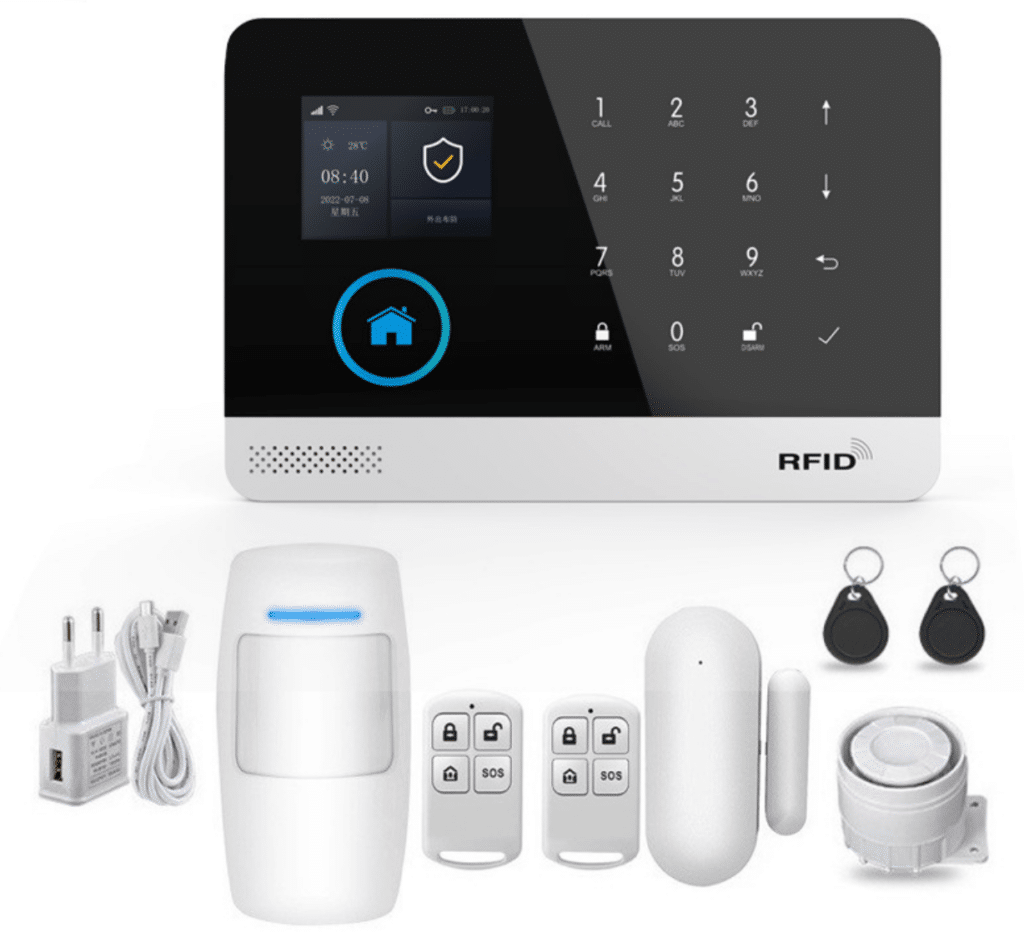
Based on hands-on deployments, installer feedback, and 2025–2026 industry benchmarks, several wireless intrusion panels consistently stand out in real-world burglar alarm applications:
- Best Overall for Commercial & Multi-Site Deployments: Qolsys IQ Panel 4 – Exceptional wireless range (PowerG), fast sensor enrollment, and proven reliability in large facilities.
- Best Smart & AI-Enhanced Option: 2GIG Edge – Facial recognition and local AI dramatically reduce user error and false alarms.
- Best Hybrid Upgrade Solution: Honeywell Resideo ProA7Plus – Ideal for sites transitioning from wired to wireless without full replacement.
- Best DIY / Rapid Rollout System: SimpliSafe – Fast installation and predictable costs for small to mid-size operations.
- Best Video-Centric Ecosystem: Ring Alarm Pro – Strong deterrence when video verification and network resilience are priorities.
Expert warning: Never compromise on encrypted wireless protocols, supervision intervals, or dual-path communications. Panels lacking AES encryption or cellular backup represent a serious operational and compliance risk in modern burglar alarm systems.
Understanding Wireless Intrusion Panels in Modern Burglar Alarm Systems
After more than two decades designing, deploying, and troubleshooting intrusion alarm systems across retail chains, logistics centers, office campuses, and mixed-use commercial buildings, one reality is clear: wireless intrusion panels are no longer a convenience—they are the operational backbone of modern burglar alarm protection.
A wireless intrusion panel acts as the central intelligence layer of the system. It receives, verifies, and processes signals from:
- Door/window contacts
- PIR and dual-tech motion detectors
- Glass-break sensors
- Panic buttons
- Environmental sensors (smoke, flood, temperature)
When a threat is detected, the panel executes a predefined response chain:
local siren → remote alerts → monitoring center dispatch → event logging.
What differentiates professional-grade wireless panels from entry-level systems is not appearance—it is signal supervision, encryption strength, latency, and fault tolerance. Technologies such as PowerG, Jeweller, and proprietary encrypted RF protocols provide long-range, low-power, and anti-jamming communication that directly impacts alarm credibility and police response rates.
For procurement managers and system integrators managing multi-site rollouts, wireless panels dramatically reduce deployment time, avoid structural disruption, and enable standardized configurations across locations—something wired systems struggle to achieve at scale.
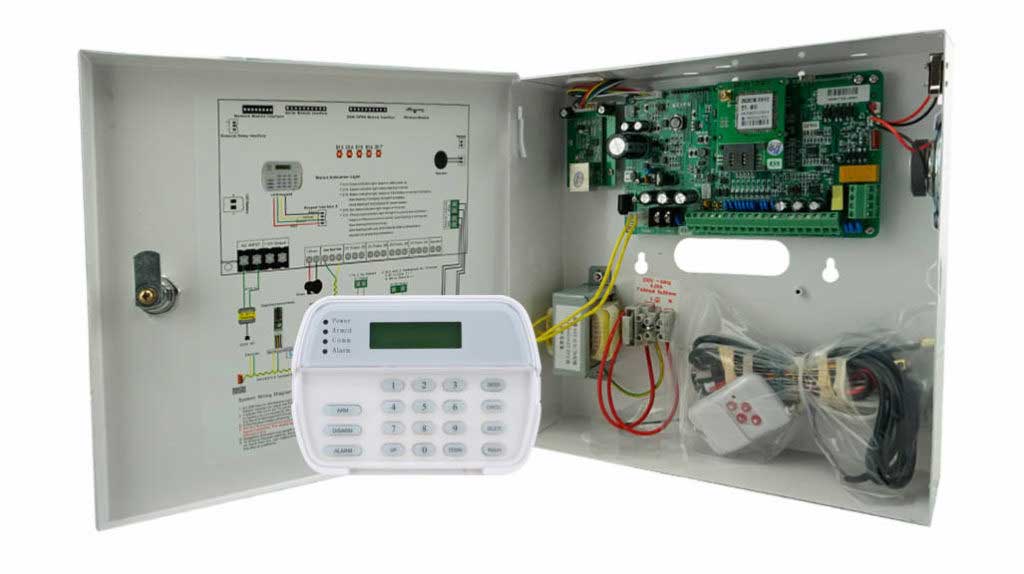
Wired vs. Wireless Intrusion Panels: A Practical Decision Framework
Choosing between wired, wireless, or hybrid intrusion panels should never be ideological—it should be risk-driven and operationally justified.
Wired Panels – Where They Still Make Sense
Best for: Data centers, legacy industrial facilities, environments with extreme RF interference.
Advantages
- No batteries to maintain
- Immune to wireless jamming
- Extremely stable once installed
Limitations
- High installation cost
- Long deployment timelines
- Difficult to scale or reconfigure
- Structural disruption during upgrades
Wireless Panels – The Modern Standard
Best for: Retail, offices, warehouses, campuses, franchises, and retrofits.
Advantages
- Rapid installation (often <1 hour)
- Scalable zone expansion
- Minimal building impact
- Ideal for phased rollouts
Limitations
- Requires disciplined battery maintenance
- Signal planning is critical in dense environments
Hybrid Panels – The Strategic Compromise
Systems like Honeywell ProA7Plus and DSC Neo allow wired loops and encrypted wireless sensors to coexist. This is often the most cost-effective upgrade path for sites with partial legacy infrastructure.
Expert recommendation: If you are deploying across multiple building types or planning future expansion, hybrid capability is a strategic advantage, not a complexity.
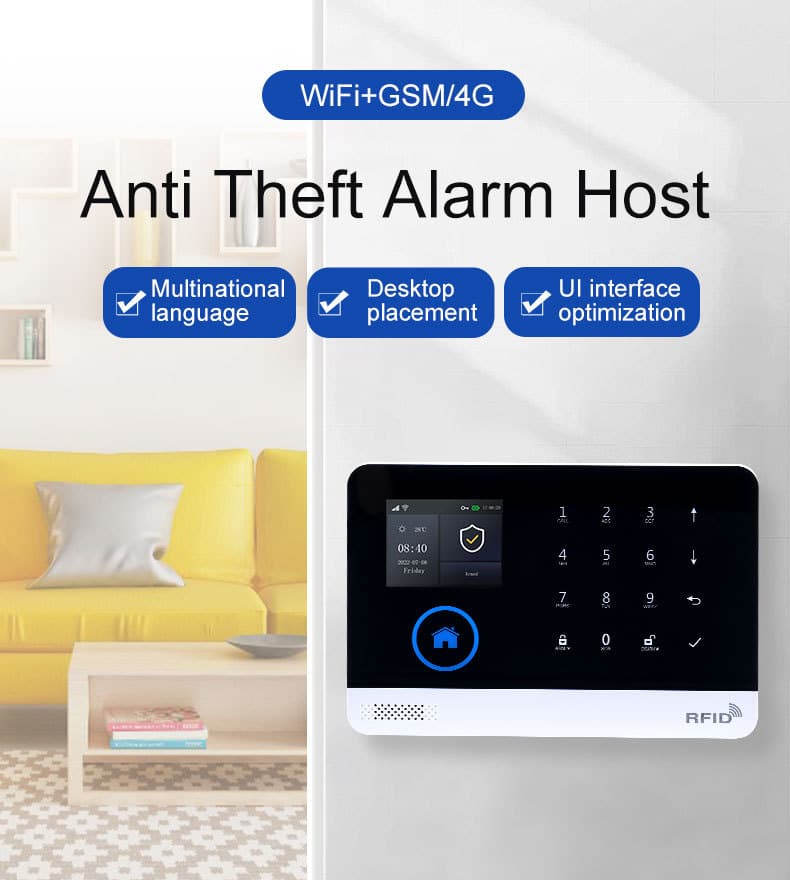
Critical Factors When Evaluating Wireless Intrusion Panels
A proper wireless intrusion panels review must go far beyond feature lists. Below are the factors that actually determine success or failure in real burglar alarm deployments.
1. Wireless Protocol & Signal Integrity
- Look for encrypted, supervised RF (PowerG, PROSIX, Jeweller)
- Avoid consumer-grade Wi-Fi-only sensors for intrusion detection
- Confirm anti-jamming and signal loss alerts
2. Zone Capacity & Expansion
- Minimum recommendation for commercial use: 64 zones
- Multi-site or warehouse environments: 128–250 zones
- Ensure firmware supports future expansion without panel replacement
3. False Alarm Mitigation
- AI-assisted disarming (facial recognition)
- Adjustable entry/exit delays per zone
- Cross-zone verification and camera integration
False alarms are not just annoying—they result in fines, reduced police response, and liability exposure.
4. Communications Redundancy
- Mandatory: Wi-Fi + LTE/5G
- Battery backup ≥ 24 hours
- Optional Ethernet for fixed installations
5. Integration Ecosystem
- Alarm.com, Total Connect, or equivalent professional platforms
- Video verification support
- Access control and automation integration if required
6. Compliance & Certification
- UL commercial listing where applicable
- Encrypted data handling (GDPR/HIPAA relevant sites)
- Installer-level diagnostics and audit logs
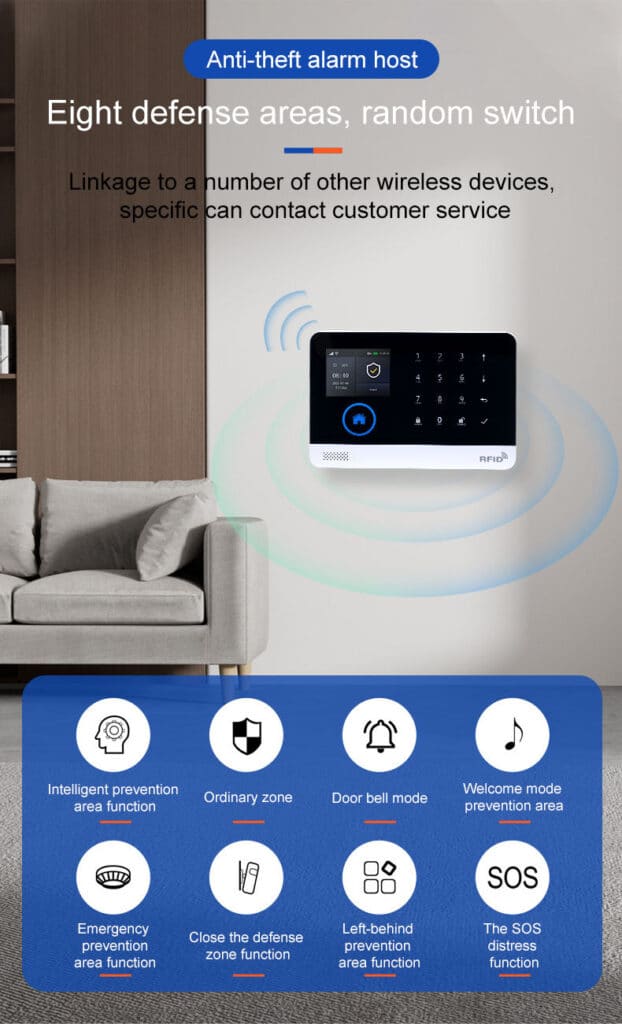
In-Depth Wireless Intrusion Panels Reviews
Qolsys IQ Panel 4
The IQ Panel 4 remains one of the most deployment-friendly and reliable wireless intrusion panels on the market. Its PowerG support delivers exceptional range and stability, particularly in warehouses, multi-floor buildings, and campus-style sites.
Why professionals choose it
- 128-zone capacity
- Fast sensor auto-enrollment
- Alarm.com ecosystem maturity
- Excellent balance of usability and security
Best use cases
- Retail chains
- Commercial offices
- Multi-site standardization
2GIG Edge
The 2GIG Edge introduces local AI processing into intrusion control—most notably facial recognition for disarming. This is not a gimmick; in high-turnover environments, it meaningfully reduces user-caused false alarms.
Best use cases
- High-traffic retail
- Shared office spaces
- Sites with frequent staff changes
Honeywell Resideo ProA7Plus
This panel excels where legacy meets modern. Its hybrid architecture allows existing wired zones to coexist with encrypted wireless expansion.
Best use cases
- Warehouses with existing wired loops
- Phased modernization projects
- Apple-centric environments
Step-by-Step: Deploying Wireless Intrusion Panels Correctly
Poor installation—not hardware—is the leading cause of system failure. Follow this field-tested deployment workflow:
Step 1: Pre-Deployment Survey
- Identify RF obstacles (metal racks, elevators, concrete)
- Map sensor-to-panel distances
- Confirm cellular signal strength
Step 2: Panel Placement
- Central, concealed, and secure
- Avoid electrical rooms and heavy machinery zones
Step 3: Sensor Enrollment & Labeling
- Pair sensors before mounting
- Use clear, consistent zone naming
- Assign zone types correctly (instant, delayed, follower)
Step 4: User & Authority Configuration
- Separate admin, manager, and staff permissions
- Enable audit logs
- Set duress codes where required
Step 5: Full System Testing
- Walk-test motions
- Trigger alarms under armed conditions
- Verify monitoring dispatch
Maintenance, Testing, and Long-Term Reliability
A professional wireless intrusion system requires process discipline, not constant attention.
- Monthly: Visual inspection, app status check
- Quarterly: Full alarm test, signal check
- Annually: Battery replacement planning, firmware updates
Ignoring maintenance is the fastest path to nuisance alarms and system distrust.
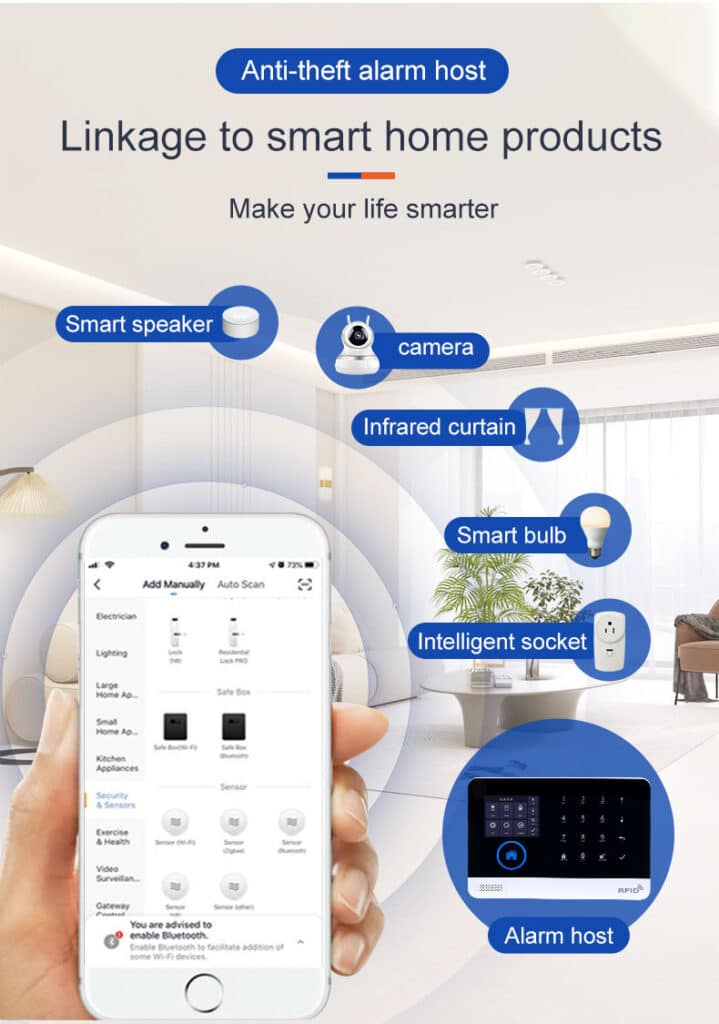
Future Trends in Wireless Intrusion Panels
- AI-driven intrusion prediction
- 5G-native panels
- Biometric-assisted arming
- Energy-efficient, long-life sensors
The future of intrusion detection is adaptive, verified, and intelligence-driven.
Final Expert Takeaway
Choosing the right wireless intrusion panel is not about brand loyalty—it is about risk reduction, operational stability, and scalability.
- Choose Qolsys for range and consistency
- Choose 2GIG for intelligence and automation
- Choose Honeywell for hybrid flexibility
When deployed correctly, modern wireless intrusion panels deliver ironclad burglar alarm protection with fewer false alarms, lower operational costs, and higher user compliance.