
Introduction
According to recent industry data, over 30% of smart security system failures occur due to neglected maintenance—often during the very incidents they were meant to prevent. Smart security systems are designed to provide reliable, always-on protection through a combination of AI-powered cameras, motion sensors, alarms, and connected mobile apps. However, just like any advanced technology, their effectiveness depends on consistent and informed maintenance.
This guide explores practical, step-by-step maintenance techniques to help homeowners, facility managers, and small business owners maintain peak system performance, extend hardware lifespan, and ensure uninterrupted protection.
Understanding Smart Security System Components
A modern smart security system integrates several key components that work together to detect, deter, and document intrusions:
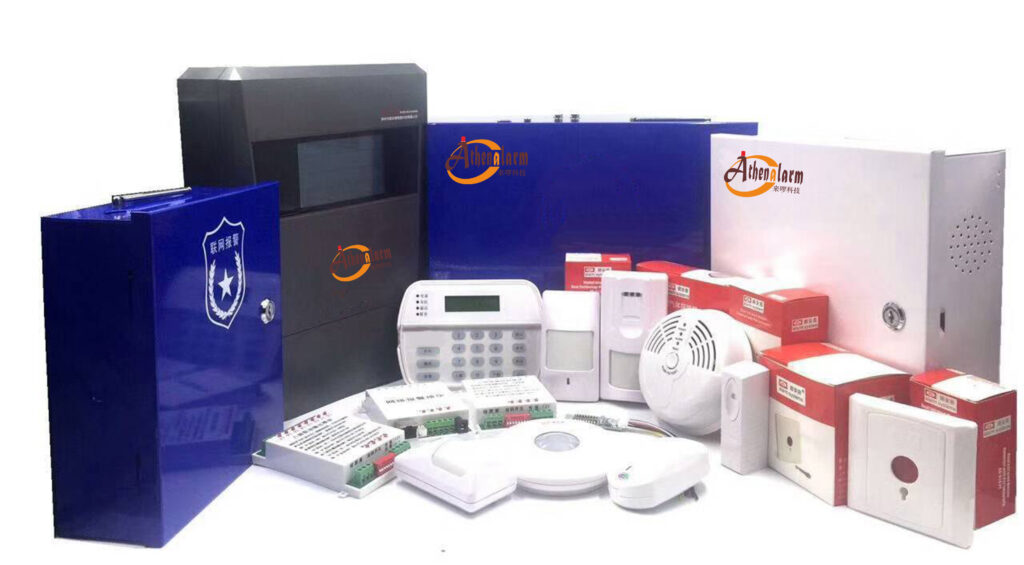
- Hardware: IP cameras, motion detectors, smart locks, door/window sensors, sirens, and control panels.
- Software: Cloud storage services, AI-driven analytics (such as facial or object recognition), and mobile monitoring applications.
Common Vulnerabilities
Even advanced systems can face issues if neglected:
- Firmware vulnerabilities leading to exploitable weaknesses.
- Network instability causing camera or sensor disconnections.
- Environmental degradation such as dust buildup or high humidity affecting device performance.
Benefits of Proactive Maintenance
Regular maintenance not only ensures operational stability but also:
- Improves detection accuracy and reduces false alarms.
- Extends hardware longevity.
- Maintains compliance with security standards and warranty conditions.
Routine Inspection and Cleaning Procedures
Routine visual and physical checks are the foundation of smart security maintenance.
Visual and Physical Checks
- Inspect cables for wear or corrosion.
- Check camera lenses for smudges, dust, or spider webs.
- Ensure sensor mounts are secure and not tilted.
Cleaning Best Practices
- Use non-abrasive microfiber cloths and compressed air to clean lenses and sensors.
- Avoid using alcohol or chemical cleaners that could damage coatings.
- Never open sealed units, as it may void warranties.
Recommended Frequency
- Monthly: Basic visual inspection and app functionality test.
- Quarterly: Deep cleaning and cable connection checks.
- Annually: Full system audit, including firmware and hardware evaluation.
Adjust intervals for environments with high dust, moisture, or temperature fluctuations.
Software and Firmware Updates
Importance of Updates
Firmware and software updates are crucial for:
- Patching security vulnerabilities and preventing hacking attempts.
- Improving AI detection algorithms for more precise alerts.
- Enhancing compatibility with mobile apps and cloud platforms.
How to Perform Updates
- Open the manufacturer’s mobile or web application.
- Navigate to System Settings → Firmware/Software Update.
- Review release notes for known issues or feature changes.
- Apply updates during off-peak hours to avoid interruptions.
Automation Tips
Enable automatic updates where supported, but test new firmware in a controlled environment first to ensure compatibility with other connected devices.
Network Security and Connectivity Maintenance
A secure, stable network is the backbone of every smart security system.
Securing Wi-Fi Connections
- Always use WPA3 encryption on routers.
- Change default usernames and passwords immediately after installation.
- Separate smart devices on a dedicated VLAN or guest network for isolation.
Monitoring Connectivity
- Test Wi-Fi signal strength in areas where cameras or sensors are installed.
- Use mesh routers or range extenders for large properties.
- Periodically reboot routers to clear cache and optimize performance.
Cybersecurity Best Practices
- Implement multi-factor authentication (MFA) for remote access.
- Use a VPN when managing systems off-site.
- Rotate passwords every 90 days and avoid reusing credentials.
Battery and Power Management
Battery Replacement Protocols
Wireless sensors and cameras depend on battery health. Watch for:
- Low-battery notifications or delayed response times.
- LED indicators showing reduced power levels.
Replace batteries with manufacturer-recommended types and safely recycle used ones.
Power Supply Checks
- Use surge protectors to prevent power damage.
- For critical systems, connect to an Uninterruptible Power Supply (UPS).
- Enable energy-saving modes in cameras and control panels when appropriate.
Eco-Friendly Maintenance
Adopt sustainable practices such as recycling old batteries and using smart scheduling to reduce unnecessary power consumption.
Testing and Calibration
Functional Testing
Perform simulated intrusions to verify:
- Alarm activation.
- Notification timing and accuracy.
- Cloud or app event logging.
Calibration Techniques
- Adjust motion sensitivity and camera detection zones to minimize false alarms.
- Test audio sensors to ensure clarity in voice or sound detection.
Professional vs. DIY Maintenance
While DIY testing is suitable for basic upkeep, certified technicians are recommended for:
- Advanced sensor calibration.
- System integration with enterprise or multi-site networks.
Look for professionals accredited under UL, ISO 9001, or regional security certification bodies.
Troubleshooting Common Issues
Common Problems and Solutions
| Issue | Possible Cause | Recommended Fix |
|---|---|---|
| Camera offline | Weak Wi-Fi signal | Reposition router or add repeater |
| False alarms | Overly sensitive motion sensors | Adjust detection zones |
| App glitches | Outdated firmware | Perform update and reboot device |
| Missing video footage | Full storage or sync failure | Check cloud storage settings |
Preventive Measures
- Maintain stable power and network conditions.
- Replace aging devices showing frequent malfunctions.
- Keep environmental conditions optimal—control dust, humidity, and temperature.
Advanced Maintenance for Long-Term Reliability
Integration with Smart Ecosystems
Ensure compatibility with major platforms like Google Home, Alexa, or Apple HomeKit by keeping integrations updated.
Data Management and Compliance
- Regularly review stored footage and delete obsolete recordings.
- Use encrypted cloud storage to meet GDPR or CCPA compliance requirements.
- Limit data access privileges to authorized users only.
Upgrading Components
Plan periodic hardware reviews every 2–3 years to assess:
- AI capability improvements.
- Enhanced image sensors or detection algorithms.
- Firmware support lifecycle and vendor reliability.
Conclusion
Regular Smart Security Maintenance is essential to keep your intelligent protection system reliable, efficient, and future-ready. From cleaning sensors and updating firmware to reinforcing network defenses, proactive upkeep can dramatically reduce downtime, false alarms, and security breaches.
Start today by creating a monthly inspection checklist, scheduling quarterly system reviews, and subscribing to updates from your security provider.
Disclaimer: This guide is for educational purposes. Always refer to your manufacturer’s manuals or consult certified professionals for specific configurations.
Further Resources: