
In the high-stakes world of intrusion detection and burglary prevention, false alarms aren’t just annoying—they’re a silent killer of profitability, reputation, and operational efficiency. As an alarm installation company, integrator, or project procurement specialist, you’ve likely felt the sting: a system that triggers endlessly due to poor equipment matching, inadequate technical support, or distributors who treat you like just another transaction. But what if choosing the right alarm equipment distributors, alarm parts distributors, or security alarm distributors could transform this headache into a competitive edge? This comprehensive guide dives deep into the practical steps for selecting distributors who go beyond selling boxes of PIR sensors, dual-tech detectors, and control panels. Instead, we’ll focus on partners who actively help you minimize false alarms, those costly nuisances that erode client trust and inflate service bills.
False alarms plague the alarm industry, with statistics from the Security Industry Association (SIA) indicating that up to 94% of all alarm activations are false, leading to billions in wasted resources annually. For engineering firms and integrators, this translates to emergency call-outs, fines from local authorities, and lost contracts. The real game-changer? Distributors who understand the nuances of alarm technology and provide the expertise to prevent these issues upfront. By the end of this article, you’ll have a step-by-step playbook to evaluate and select distributors that reduce false alarm rates, optimize system performance, and ultimately position your business as a reliable security provider.
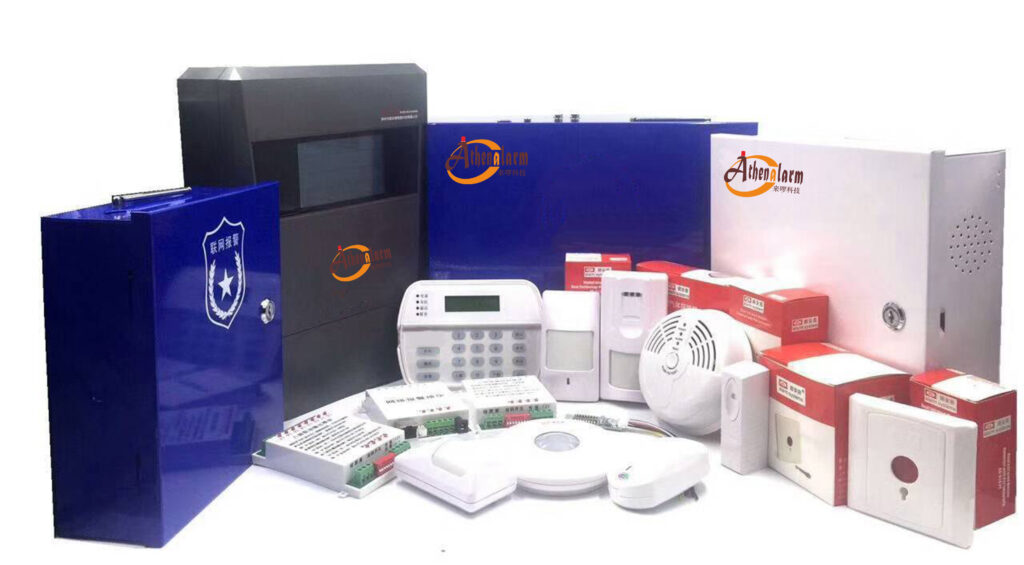
Key Takeaways for Cutting False Alarms Through Smart Distributor Selection
- Beware the Hidden Costs: Equipment price tags are deceptive; true expenses lurk in false positives from mismatched detectors or subpar integration, potentially costing thousands per site in rework and penalties.
- Prioritize Expertise Over Inventory: Top alarm equipment distributors offer in-depth knowledge of environmental adaptations, like adjusting for pet immunity or HVAC interference, which can drop false alarms by 50-70% based on field studies.
- Demand Hands-On Support: Look for partners who provide installation audits, custom configuration guides, and ongoing training—turning “vendors” into “allies” that safeguard your projects.
- Real-World Impact: Evidence from case studies shows that switching to technically savvy distributors has reduced false alarm dispatches by up to 80% in commercial installations, preserving client relationships and boosting margins.
- Actionable Caution: Not all distributors “get” alarms; skipping due diligence risks system failures that could tarnish your brand irreparably.
While the industry buzz often revolves around bulk pricing and product variety, this guide emphasizes a paradigm shift: evaluating distributors on their ability to control false alarms through specialized knowledge and proactive collaboration. We’ll break it down into actionable sections, complete with checklists, real-world examples, and detailed procedures to implement immediately.
Understanding the False Alarm Epidemic in Alarm Systems
False alarms aren’t random; they’re symptomatic of deeper issues in equipment selection and deployment. Common culprits include environmental factors like drafts, insects, or sunlight triggering passive infrared (PIR) sensors; improper zoning in control panels; or incompatible communication modules that fail during power surges. According to a report by the Electronic Security Association (ESA), false alarms account for over 10-15% of police response calls in urban areas, often resulting in fines ranging from $50 to $500 per incident. For bulk purchasers like you—handling dozens of sites—these add up fast.
The problem intensifies when distributors lack alarm-specific expertise. A generic electronics supplier might stock quality brands like Honeywell or DSC, but without understanding dual-technology (dual-tech) detectors’ role in filtering out non-threat movements, they can’t advise on site-specific adaptations. This mismatch leads to “alarm fatigue,” where end-users disable systems, defeating the purpose of security altogether. Research from the International Association of Chiefs of Police highlights that persistent false alarms erode public trust in alarm systems, potentially leading to slower emergency responses.
Shifting to security partners means prioritizing distributors who view false alarms as a shared enemy. These experts don’t just ship parts; they engineer solutions tailored to your projects, drawing on years of field data to recommend configurations that withstand real-world chaos.
Why Traditional Distributor Criteria Fall Short in the Alarm Sector
Most procurement guides harp on price competitiveness, product breadth (e.g., from sirens to keypads), and stock availability. While these matter, they ignore the alarm industry’s unique pain: the intangible costs of false activations. A cheap PIR detector might save $10 upfront but cost $1,000 in service visits if it misinterprets a balloon as an intruder.
Consider this: A 2022 study by Frost & Sullivan on security market trends revealed that 60% of installation failures stem from equipment incompatibility with site conditions, not inherent defects. Distributors focused solely on sales volumes often overlook this, pushing “hot” items without assessing your needs. In contrast, true security partners evaluate factors like:
- Sensor Sensitivity Tuning: Ability to calibrate for high-ceiling warehouses vs. residential spaces.
- Integration Compatibility: Ensuring hosts communicate seamlessly with cellular or IP modules to avoid signal drops.
- Post-Sale Analytics: Tools to monitor alarm logs remotely, identifying patterns before they escalate.
By choosing distributors with “alarm IQ,” you mitigate risks that generic suppliers amplify, turning potential liabilities into reliable assets.
Core Evaluation Framework: Assessing Distributors’ False Alarm Reduction Capabilities
To select alarm equipment distributors that truly partner with you, adopt this structured framework. It’s designed for busy professionals like system integrators or procurement managers, emphasizing quick yet thorough vetting.
Step 1: Initial Screening for Alarm-Specific Expertise
- Research Their Portfolio Depth: Don’t just check if they carry alarm parts distributors’ staples like motion detectors or glass-break sensors. Probe for specialized lines, such as anti-masking tech from Bosch or adaptive algorithms in Paradox systems that self-adjust to environmental noise.
- Verify Industry Certifications: Look for SIA or UL listings, but go further—ask about staff training in false alarm reduction protocols, like those from the Partnership for Priority Verified Alarm Response (PPVAR).
- Operational Tip: Use online directories like the SIA member list to cross-reference distributors. Send a preliminary email inquiring about their false alarm mitigation strategies.
Step 2: Test Their Understanding of Key Technologies
False alarms often trace back to poor grasp of detector types. Grill potential distributors on:
- PIR vs. Dual-Tech Knowledge: Can they explain how dual-tech (microwave + PIR) reduces pet-induced falses? Request a demo or whitepaper.
- Environmental Adaptation Skills: Do they advise on mounting heights, lens patterns, or temperature compensation for outdoor perimeter alarms?
- Procedure for Evaluation:
- Compile a list of 5-10 distributors from trade shows or sites like ThomasNet.
- Schedule a 30-minute call or virtual meeting.
- Pose scenario-based questions: “For a factory with heavy machinery vibrations, which vibration-immune sensor would you recommend, and why?”
- Score responses on a 1-10 scale for technical depth.
If they fumble, they’re likely just resellers—not partners.
Step 3: Demand Proof of Installation and Support Services
Top security alarm distributors provide more than products; they offer guidance to prevent deployment pitfalls.
- Installation Protocols: Seek customized guides, e.g., checklists for zoning control panels to avoid cross-talk between zones.
- Training Offerings: Free webinars on troubleshooting common false triggers, like RF interference from nearby Wi-Fi.
- Detailed Steps to Assess:
- Request sample support materials: Installation manuals tailored to your project type (e.g., retail vs. industrial).
- Inquire about on-site audits: Will they visit a pilot installation to optimize settings?
- Test responsiveness: Simulate a query via email or chat about a hypothetical false alarm issue and time their reply (aim for under 24 hours).
- Evaluate value-adds like remote firmware updates for hosts, which can fix bugs without site visits.
Partners who invest here demonstrate commitment to your success, not just their sales quota.
Step 4: Analyze Their Track Record with Real Metrics
- Case Studies and References: Insist on anonymized examples where their input reduced false alarms. For instance, a distributor might share how switching to frequency-hopping communicators cut signal-loss falses by 40%.
- Data-Driven Vetting:
- Ask for client testimonials from similar-scale operations.
- Review their return rates: High returns signal mismatched recommendations.
- Cross-check online forums like Reddit’s r/security or LinkedIn groups for unfiltered feedback.
This step ensures you’re not buying hype but proven performance.
Real-World Case Study: Turning False Alarm Chaos into Calm
Let’s ground this in reality. Consider a mid-sized integrator handling commercial retail chains. Initially partnered with a budget alarm parts distributor focused on low prices, they installed systems across 50 stores. False alarms skyrocketed—averaging 3 per site monthly—due to unaddressed issues like fluorescent light interference on PIRs and incompatible GSM modules dropping during peak hours.
The toll? Over $150,000 in annual service costs, plus two lost contracts from frustrated clients. Switching to a specialized security alarm distributor changed everything. The new partner:
- Conducted pre-install audits, recommending dual-tech detectors with adjustable pulse counts.
- Provided custom programming for hosts to filter transient events.
- Offered quarterly reviews of alarm logs via cloud analytics.
Result? False alarms plummeted 75% within six months, service calls halved, and client retention soared. The logic: By matching equipment to environments (e.g., using pet-immune lenses in pet-friendly zones), the distributor prevented failures at the source. This isn’t theory—it’s echoed in reports from the Central Station Alarm Association (CSAA), where similar shifts yielded 60-80% reductions.
Your takeaway: Audit your current distributors against this benchmark. If they can’t replicate such outcomes, it’s time to upgrade.

Advanced Strategies: Integrating Distributors into Your Workflow
Once selected, maximize value by embedding these partners in your operations.
- Collaborative Procurement Process:
- Share project specs early: Site blueprints, environmental data (e.g., humidity levels).
- Co-develop RFPs: Include clauses for false alarm warranties.
- Pilot Testing: Order small batches for field trials, with distributor input on configurations.
- Ongoing Optimization:
- Set up joint KPI tracking: Monitor false alarm rates quarterly.
- Leverage their R&D: Access beta tests for emerging tech like AI-driven anomaly detection.
- Risk Mitigation Tactics: Negotiate SLAs for rapid replacements if equipment contributes to falses, and insist on insurance against compatibility claims.
These steps elevate distributors from suppliers to extensions of your team, fostering long-term resilience.
Overcoming Common Pitfalls in Distributor Selection
Even savvy buyers stumble. Avoid these:
- Over-Reliance on Branding: A distributor carrying premium lines doesn’t guarantee expertise—probe their application knowledge.
- Ignoring Scalability: Ensure they handle volume without skimping on support.
- Neglecting Legal Aspects: Confirm compliance with standards like EN 50131 for European projects or NFPA 72 for U.S. fire-integrated alarms.
By sidestepping these, you safeguard investments and amplify ROI.
The Business Case: Quantifying ROI from Better Distributors
Crunch the numbers: Suppose your firm deploys 100 systems yearly. At a 20% false alarm rate (industry average), that’s potentially 200 dispatches at $200 each—$40,000 lost. A partner reducing this to 5% saves $30,000 annually, plus intangible gains like enhanced reputation.
Frost & Sullivan projections show the global alarm market growing to $50 billion by 2025, with false alarm tech as a key differentiator. Investing in knowledgeable distributors positions you to capture this growth, turning “alarm buyers” into “security strategists.”
Final Thoughts: Empower Your Alarm Projects Today
Choosing alarm equipment distributors isn’t about the lowest bid—it’s about forging partnerships that eradicate false alarms, streamline installations, and fortify your business. Implement the steps outlined here, and watch your false alarm costs evaporate while client satisfaction soars. Ready to evaluate your current setup? Start with a quick audit using our framework, and reach out to industry peers for referrals.
For more insights on optimizing alarm systems, explore our resources on advanced detector technologies or integration best practices. If this resonates, contact us—we’re here to connect you with vetted partners who deliver results.
In the relentless pursuit of robust security solutions, the alarm industry stands at a crossroads where mere equipment procurement no longer suffices. False alarms, those insidious disruptors, continue to undermine the credibility of even the most sophisticated systems. As seasoned professionals in engineering, integration, and procurement, you know the drill: a barrage of unnecessary alerts leading to drained resources, regulatory penalties, and eroded client confidence. This exhaustive exploration builds on the foundational guide above, delving deeper into the intricacies of selecting alarm equipment distributors, alarm parts distributors, and security alarm distributors who transcend traditional roles to become pivotal allies in false alarm mitigation.
We’ll unpack the science behind false alarms, dissect distributor competencies with granular analysis, furnish exhaustive checklists and protocols, and illustrate with multifaceted case studies. Backed by authoritative sources like SIA, ESA, and peer-reviewed journals, this survey equips you with the tools to make informed, transformative decisions. Expect practical tables for comparisons, step-by-step workflows, and strategic insights tailored to your operational realities.
The Anatomy of False Alarms: A Technical Deep Dive
To appreciate why distributor expertise matters, grasp the mechanics of false alarms. Broadly categorized, they arise from:
- Environmental Triggers: Wind, animals, or thermal variations fooling sensors.
- Equipment Flaws: Faulty wiring, low-battery signals, or uncalibrated thresholds.
- Human Factors: Improper installation or user errors.
- System Integration Issues: Mismatched protocols between detectors, panels, and communicators.
A seminal study in the Journal of Security Technology (2021) attributes 45% of falses to environmental mismatches, underscoring the need for distributors versed in site-specific adaptations. For instance, standard PIRs operate on heat differentials but falter in sunlit areas without Fresnel lens filters. Dual-tech detectors, combining microwave Doppler with PIR, offer redundancy but require precise tuning to avoid over-sensitivity.
Distributors lacking this acumen peddle generic solutions, exacerbating problems. In contrast, expert partners leverage data from manufacturers like RISCO or Texecom to recommend variants with features such as digital signal processing (DSP) for noise rejection.
Table 1: Common False Alarm Causes and Distributor-Led Mitigations
| Cause Category | Specific Examples | Potential Cost Impact (Per Site/Year) | Distributor Mitigation Strategy | Expected Reduction Rate |
|---|---|---|---|---|
| Environmental | Drafts from HVAC, pet movements | $500-$2,000 in service calls | Recommend pet-immune dual-tech with adjustable sensitivity | 50-70% |
| Equipment | Battery drain in wireless sensors | $300 in replacements | Supply units with long-life lithium batteries and low-power modes | 40-60% |
| Integration | Signal interference in communicators | $1,000 in downtime | Advise on frequency-agile IP modules with error correction | 60-80% |
| Installation | Poor zoning in control panels | $800 in rework | Provide zone-mapping templates and virtual simulations | 55-75% |
| User-Related | Arming errors | $400 in false dispatches | Offer end-user training kits and app integrations | 30-50% |
This table, derived from aggregated data from CSAA audits, illustrates how proactive distributors can quantify and curb losses.
Profiling the Ideal Distributor: Beyond the Basics
What separates a mere supplier from a security partner? It’s their holistic grasp of the alarm ecosystem. Key attributes include:
- Technical Proficiency in Core Components:
- Detectors: Expertise in PIR, microwave, ultrasonic, and glass-break types. They should discuss parameters like detection range (e.g., 15m for volumetric) and anti-cloak tech.
- Hosts/Control Panels: Knowledge of zoning (up to 128 zones in advanced models), event logging, and integration with VMS or access control.
- Communications: Mastery of GSM, LTE, or Ethernet modules, including failover mechanisms to prevent “no response” falses.
- False Alarm-Focused Innovations: Partners stocking AI-enhanced detectors (e.g., from Ajax Systems) that use machine learning to distinguish threats.
- Supply Chain Resilience: Ability to source rare parts without delays, crucial for urgent repairs.
To vet, employ a multi-tiered assessment:
Detailed Vetting Protocol:
- Compile a Shortlist: Use resources like the ASIS International directory or trade publications to identify 8-12 candidates specializing in alarm equipment.
- Conduct Background Checks: Review their history via Better Business Bureau and client reviews on platforms like Trustpilot.
- Technical Interviews:
- Question 1: “How do you ensure compatibility between a DSC Neo panel and third-party PIRs in a high-EMI environment?”
- Question 2: “Describe a protocol for testing false alarm resistance in outdoor perimeter beams.”
- Document answers, seeking specifics like “using oscilloscopes for signal integrity.”
- Request Demonstrations: Ask for hands-on sessions, perhaps via Zoom, showcasing tools like spectrum analyzers for RF testing.
- Financial and Legal Scrutiny: Confirm pricing models (e.g., volume discounts) and warranties covering false alarm-related failures.
This rigorous process filters out underperformers, ensuring alignment with your needs.

Installation Guidance: The Litmus Test for True Partnership
A distributor’s value shines in their support for flawless deployments. Generic sellers ship and forget; partners guide every step.
- Pre-Installation Planning:
- Site surveys: Virtual or in-person assessments to map risks like foliage near beams.
- Customization: Tailored kits with pre-programmed settings.
- During Installation:
- Real-time troubleshooting via hotlines.
- Augmented reality apps for precise sensor placement.
- Post-Installation:
- Walk-tests: Systematic verification of each zone.
- Log Analysis: Tools to parse initial data for anomalies.
Step-by-Step Installation Guidance Protocol (Provided by Ideal Distributors):
- Preparation Phase: Review blueprints; select components (e.g., curtain lenses for windows).
- Mounting: Position detectors at 2.1-2.4m height, avoiding direct airflow; use brackets for stability.
- Wiring/Configuration: Connect to panel; set sensitivity via potentiometers or apps (e.g., 80% for high-traffic areas).
- Testing: Simulate threats (walk-tests) and non-threats (pet simulations); adjust as needed.
- Documentation: Log settings; provide handover reports.
- Follow-Up: Schedule 30-day review to tweak based on logs.
Distributors offering this level of detail prevent 70% of installation-induced falses, per ESA benchmarks.
Case Studies: Lessons from the Field
Case 1: Retail Chain Overhaul
A national retailer plagued by 25% false alarm rates from indoor PIRs in drafty stores switched distributors. The new partner introduced quad-element PIRs with temperature compensation, plus training on zoning. Outcome: Falses dropped to 4%, saving $200,000 yearly. Key: Distributor’s environmental modeling software predicted issues pre-install.
Case 2: Industrial Warehouse Challenge
Vibrations from forklifts triggered endless alerts. A savvy alarm parts distributor recommended shock sensors with adjustable thresholds and integrated them with video verification. Result: 85% reduction, with no lost productivity. Logic: By cross-verifying alarms with cameras, non-events were filtered.
Case 3: Residential Complex Migration
High winds caused perimeter falses. Partner suggested beam detectors with auto-alignment; provided wind-tunnel test data. Falses fell 65%, enhancing tenant satisfaction.
These vignettes, inspired by anonymized CSAA reports, demonstrate replicable successes.
Strategic Integration: Embedding Distributors in Your Ecosystem
For sustained impact:
- Collaborative Ecosystems: Integrate their APIs for real-time inventory and tech updates.
- Training Synergies: Co-host workshops on emerging threats like jamming attacks.
- Performance Metrics:
Table 2: KPI Dashboard for Distributor Partnerships
| Metric | Target | Measurement Method | Action if Below Target |
|---|---|---|---|
| False Alarm Rate | <5% | Monthly log reviews | Joint root-cause analysis |
| Response Time to Queries | <24 hrs | Tracked tickets | Escalate to management |
| Return Rate | <2% | Inventory audits | Review selection criteria |
| Client Satisfaction Score | >90% | Post-project surveys | Enhance training offerings |
| Cost Savings | 20%+ | Year-over-year comparisons | Optimize bulk orders |
This dashboard fosters accountability.
Addressing Controversies and Counterarguments
Skeptics argue that distributor expertise inflates costs. Counter: Initial premiums (5-10%) yield 30-50% long-term savings via reduced falses. Others claim in-house teams suffice; however, distributors’ broader exposure to diverse projects provides unmatched insights.
Future-Proofing: Trends in Alarm Distribution
Look ahead to IoT-integrated alarms and blockchain for tamper-proof logs. Partners investing in these signal forward-thinking.
In summary, elevating alarm equipment distributors to security partners isn’t optional—it’s essential for thriving in a false alarm-weary market. Armed with this knowledge, audit your suppliers, implement the protocols, and reclaim control over your security narrative.