
In the intrusion alarm industry, product security does not start at installation—it starts long before, during packaging, transportation, and storage. Alarm devices that appear intact but have been subtly tampered with during logistics can introduce hidden vulnerabilities into otherwise well-designed systems. For logistics and procurement professionals, alarm packaging tamper-evidence is not a cosmetic requirement; it is a core risk-control measure that directly affects system reliability, compliance, and liability.
This guide provides a field-tested, standards-driven approach to packaging and tamper-evidence for alarm devices, with a clear focus on preventing tampering and ensuring the safe shipment and storage of alarm devices throughout the supply chain.
Why Packaging and Tamper-Evidence Are Critical in Alarm Systems
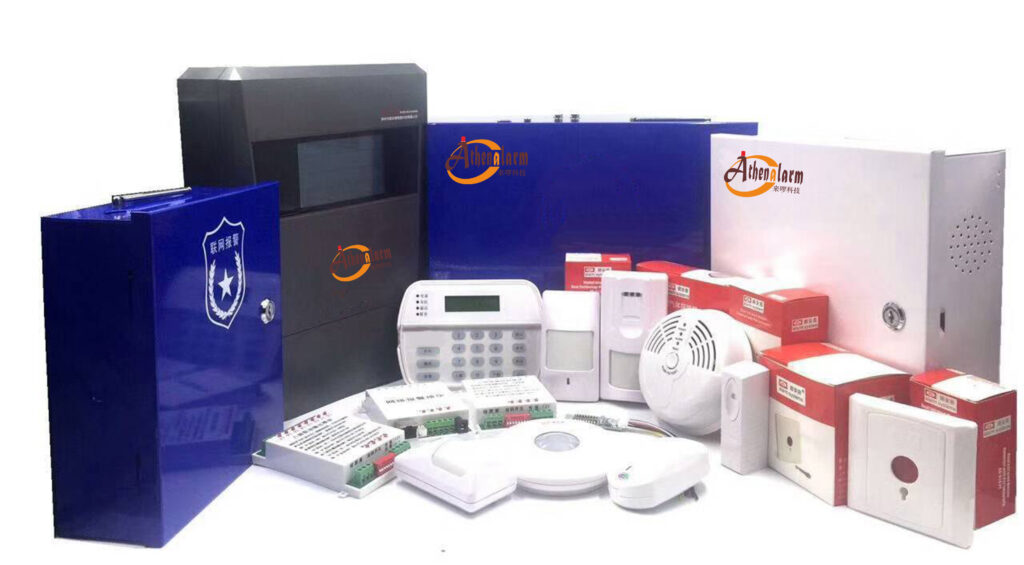
Alarm devices—control panels, PIR detectors, magnetic contacts, keypads, sirens, and communication modules—are inherently security-sensitive products. Even minor unauthorized access during transit can result in:
- Disabled tamper switches
- Modified firmware or configuration jumpers
- Replaced batteries or downgraded components
- Hidden backdoors that only appear after installation
Industry data consistently shows that a meaningful percentage of alarm failures originate before installation, often during handling, repackaging, or temporary storage. Unlike consumer electronics, alarm equipment may continue to power on and pass basic checks while being fundamentally compromised.
Effective tamper-evident packaging solves two core problems for logistics and procurement teams:
- Immediate visibility of unauthorized access
- Clear accountability across suppliers, carriers, and warehouses
Without these controls, responsibility for failures becomes difficult to assign, increasing operational risk and warranty disputes.
Core Packaging Requirements for Alarm Devices
Packaging for alarm devices must do more than protect against physical damage. It must actively support tamper detection and traceability.
1. Structural Protection with Security Intent
Alarm devices should be packaged using rigid, high-strength outer cartons that resist deformation and resealing. Reinforced corrugated boxes with controlled tear resistance help ensure that forced entry leaves visible evidence.
Internal packaging should immobilize the device completely. Foam inserts or molded trays prevent movement that could otherwise mask signs of tampering by mimicking impact damage.
For electronic alarm components, anti-static inner bags are essential to prevent electrostatic discharge, which can cause latent failures often misdiagnosed as sabotage or installation errors.
2. Tamper-Evident Seals and Closures
Tamper-evident features must be irreversible and unambiguous. Common best-practice options include:
- Void-indicating security tapes that reveal permanent markings when removed
- Destructible labels that fragment upon peeling
- Serialized seals that cannot be replaced without detection
All external openings—top flaps, side seams, and access points—should be sealed. Partial sealing creates blind spots that experienced attackers can exploit.
The goal is simple: any opening attempt must leave visible, non-repairable evidence.
3. Controlled Labeling and Traceability
Clear labeling plays a dual role in alarm packaging. It supports logistics efficiency while reinforcing security controls.
Each package should include:
- Unique serial or batch identifiers linked to the device inside
- Tamper-warning statements visible without opening the box
- Chain-of-custody markers that align with internal ERP or WMS systems
When packaging identifiers match device serial numbers, procurement teams gain a powerful verification tool during inbound inspection.

Step-by-Step Implementation for Logistics and Procurement Teams
The following process is designed to be practical, repeatable, and suitable even for teams without deep alarm-engineering backgrounds.
Step 1: Identify High-Risk Alarm Components
Not all alarm devices carry equal risk. Start by classifying products based on tampering impact. Control panels, communication modules, and wireless receivers typically require the highest level of tamper-evidence.
Document exposed interfaces such as programming ports, SIM slots, or removable batteries, as these demand enhanced protection.
Step 2: Standardize Tamper-Evident Materials
Select a limited, approved set of tamper-evident materials and apply them consistently across suppliers. Mixed sealing methods increase inspection errors.
Require suppliers to document seal specifications, application methods, and batch usage. This is especially important when outsourcing packaging or using third-party fulfillment centers.
Step 3: Secure Packaging at the Device Level
Each alarm device should be sealed at the unit level before being placed into bulk cartons. This prevents undetected access during internal handling or partial shipments.
Include moisture control elements where long-term storage is expected. Environmental degradation can otherwise be mistaken for tampering during audits.
Step 4: Create a Verifiable Inspection Process
Inbound inspection should always begin with seal verification—before opening, powering, or testing devices.
If tampering is suspected:
- Photograph the package and seal condition immediately
- Isolate the device from inventory
- Record serial numbers and shipment references
- Perform functional checks only after documentation
This structured approach protects both logistics operators and procurement teams from downstream disputes.
Best Practices Observed in High-Reliability Alarm Supply Chains
Organizations with mature alarm supply chains combine physical tamper-evidence with process discipline.
Leading practices include:
- Contractual requirements for tamper-evident packaging in supplier agreements
- Randomized deep inspections of a defined percentage of inbound shipments
- Secure storage zones for alarm devices awaiting installation
- Audit trails linking packaging seals to installation records
In one documented case, a regional alarm distributor identified compromised motion detectors before deployment solely through routine seal inspection—avoiding a costly field recall and reputational damage.

Common Challenges and Practical Solutions
False Tamper Indicators
Rough handling can damage packaging and trigger unnecessary rejections. Using shock and tilt indicators helps differentiate transit abuse from deliberate access.
Cost Concerns
Tamper-evident packaging typically increases unit packaging costs modestly. However, these costs are routinely offset by reduced failure rates, fewer disputes, and lower insurance exposure.
Long-Term Storage Risks
For alarm devices stored over extended periods, environmental protection is as important as tamper-evidence. Controlled humidity packaging and periodic seal checks prevent degradation from being misclassified as interference.
Conclusion: Packaging as a Security Control, Not a Logistics Afterthought
In the alarm industry, packaging is an extension of the security system itself. Robust alarm packaging tamper-evidence protects device integrity, supports safe shipment and storage of alarm devices, and ensures that installations begin from a trusted baseline.
For logistics and procurement professionals, investing in disciplined packaging standards is one of the most cost-effective ways to prevent tampering, reduce downstream risk, and maintain confidence in alarm system performance. Start by reviewing your current packaging specifications against real-world tampering scenarios—not just shipping damage—and build from there.
References
- Underwriters Laboratories (UL). UL 746C: Polymeric Materials – Use in Electrical Equipment Evaluations
- International Organization for Standardization (ISO). ISO 28000: Security Management Systems for the Supply Chain
- ASTM International. ASTM F1886: Standard Test Method for Determining Integrity of Seals for Flexible Packaging by Visual Inspection
- American National Standards Institute (ANSI). MH10.8.2: Labeling and Direct Product Marking
- Security Industry Association (SIA). Supply Chain Risk and Packaging Controls in Electronic Security Equipment
- U.S. Customs and Border Protection. C-TPAT Supply Chain Security Guidelines
Author: Security Systems Specialist with 20+ years of experience in intrusion alarm design, manufacturing, and global supply chain security.