

Introduction
In the realm of intrusion alarm systems, vendor lock-in poses a significant hurdle for organizations aiming to maintain agile and cost-effective security infrastructures. This dependency on a single manufacturer’s proprietary ecosystem can escalate expenses, hinder scalability, and amplify vulnerabilities in supply chains. For procurement specialists and security engineers focused on flexible system planning, modular alarm systems grounded in open architecture emerge as a strategic alternative. These designs emphasize interoperability and modularity, allowing seamless integration of diverse components while mitigating the risks associated with proprietary solutions.
This guide delves into the mechanics of vendor lock-in within alarm systems, contrasts open architecture with proprietary approaches, and outlines actionable strategies to foster resilient, vendor-agnostic setups. Drawing on industry standards and real-world insights, it equips readers with tools to address core pain points like upgrade constraints and inflated lifecycle costs.
Understanding Vendor Lock-In in Intrusion Alarm Systems
Vendor lock-in manifests when an organization’s intrusion detection infrastructure becomes inextricably tied to one provider’s hardware, software, or services. Common indicators include control panels compatible only with the vendor’s sensors, undocumented protocols that prevent third-party integrations, and firmware locked behind proprietary tools. In large-scale deployments, this can result in operational silos, where even minor expansions require vendor-specific approvals or parts.
From a practical standpoint, this lock-in exacerbates issues like prolonged downtime during part shortages or forced upgrades to incompatible systems. Industry analyses highlight that proprietary ecosystems often inflate total ownership costs due to limited competition in maintenance and replacements. For engineers, this translates to reduced system resilience; for procurement teams, it erodes bargaining power and exposes budgets to unpredictable price hikes.
Why Modular Alarm Systems Are Essential
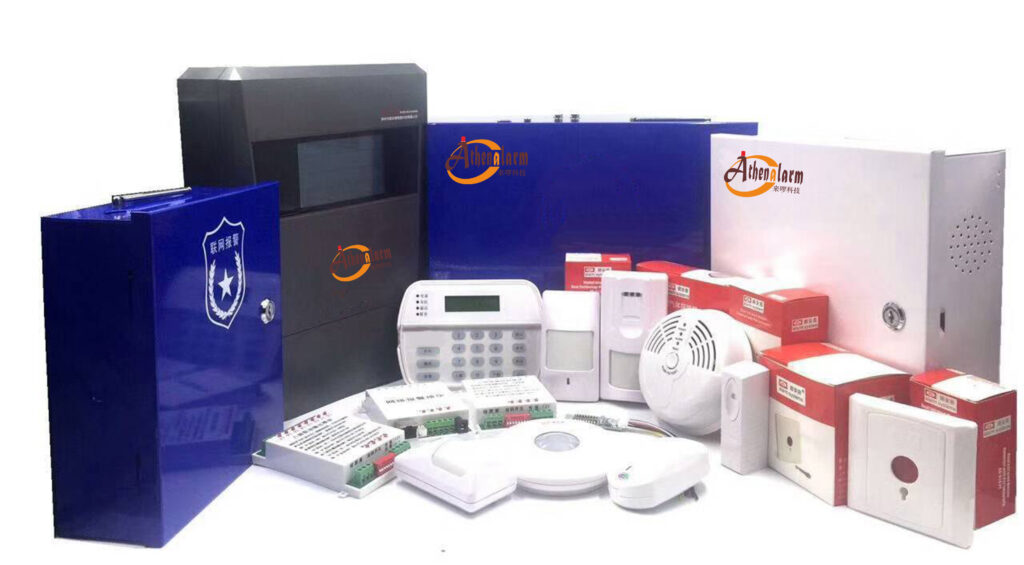
Modular alarm systems break down traditional monolithic structures into interchangeable components, such as independent control units, intrusion sensors (e.g., PIR motion detectors or magnetic contacts), communication interfaces (Ethernet or cellular), and power modules. This design philosophy allows each element to be sourced, upgraded, or replaced without disrupting the entire system.
Key advantages include enhanced adaptability to emerging threats, like integrating AI-driven analytics without vendor mandates. Modular approaches align with flexible system planning by enabling phased rollouts, which is particularly valuable for multi-site facilities. They also bolster security by facilitating diverse sourcing, reducing the impact of single-vendor failures on overall intrusion detection reliability.
Open Architecture vs. Proprietary Alarm Solutions
Open Architecture Alarm Systems
Open architecture in alarm systems leverages standardized protocols and interfaces, fostering multi-vendor compatibility. For instance, systems adhering to IP-based signaling or documented APIs allow integration of third-party intrusion sensors and monitoring tools. This openness supports seamless data portability and avoids encrypted barriers common in proprietary setups.
Benefits extend to lower vendor lock-in risks, simplified expansions, and alignment with long-term security strategies. Engineers can mix best-of-breed components, such as combining high-end glass-break sensors from one provider with robust communication modules from another, ensuring optimal performance without compromise.
Proprietary Alarm Solutions
Proprietary systems integrate hardware, firmware, and services under a single vendor’s control, often prioritizing ease of initial deployment. While this can streamline support for small-scale projects, it introduces trade-offs like restricted interoperability and higher dependency on vendor timelines for updates.
In practice, these solutions may excel in unified management but falter in scalability, leading to elevated costs during migrations or when adapting to new regulations. For critical infrastructure, the strategic risks—such as supply chain vulnerabilities—often outweigh short-term conveniences.
| Aspect | Open Architecture | Proprietary Solutions |
|---|---|---|
| Interoperability | High; supports third-party integrations via standards like EN 50131 | Low; limited to vendor ecosystem |
| Cost Over Time | Lower TCO through competitive sourcing; 20-40% reduction in maintenance per studies | Higher due to exclusive parts and services |
| Flexibility | Enables modular upgrades and multi-vendor mixes | Restricts changes, often requiring full replacements |
| Risk Mitigation | Reduces lock-in; enhances resilience | Increases dependency; potential for operational silos |
| Best Suited For | Enterprise-scale, evolving environments | Simple, short-term setups |
Practical Strategies to Mitigate Vendor Lock-In
To implement modular alarm systems effectively, follow these step-by-step guidelines tailored for procurement and engineering teams. These address real-world challenges like ensuring compatibility and minimizing disruptions.
1. Assess and Specify Open Interfaces During Procurement
Begin by evaluating vendor proposals against openness criteria. In your Request for Quotation (RFQ), mandate documentation of protocols and support for third-party devices.
- Step 1: Review system blueprints for standardized interfaces (e.g., OSDP for secure communications).
- Step 2: Test compatibility with sample components from alternative vendors.
- Step 3: Include clauses for data export in standard formats like CSV or XML to facilitate future migrations.
This prevents lock-in from the outset, allowing small teams to verify setups independently.
2. Decouple Core Functions from Peripheral Modules
Design systems where intrusion detection (sensors and panels) operates independently of communication layers.
- Step 1: Select modular control panels with swappable boards for Ethernet, cellular, or radio.
- Step 2: Configure IP transmission to comply with IEC 62642 standards, avoiding carrier-specific lock-ins.
- Step 3: Implement failover mechanisms, such as local backups, to maintain functionality during module swaps.
Engineers can perform this without advanced tools, ensuring continuity even for novice users.
3. Incorporate Cloud Independence and Exit Strategies
Avoid over-reliance on vendor clouds by prioritizing hybrid models.
- Step 1: Verify local operation capabilities in case of cloud outages.
- Step 2: Require event data portability in open formats.
- Step 3: Develop an exit plan, including API mappings for alternative platforms.
This safeguards against service discontinuations, with simple scripts for data transfers accessible to entry-level admins.
4. Standardize Sensors and Components
Opt for sensors using common electrical standards to enable multi-sourcing.
- Step 1: Catalog existing inventory for proprietary connectors.
- Step 2: Replace with universal options, testing in a staged environment.
- Step 3: Maintain a vendor-neutral spare parts list for quick replacements.
This reduces outage times and empowers teams to handle maintenance without vendor intervention.
5. Ensure Firmware and Software Autonomy
Focus on transparent update processes.
- Step 1: Confirm owner-accessible configuration tools.
- Step 2: Schedule independent firmware audits against NIST SP 800-53 guidelines.
- Step 3: Enforce backward compatibility in contracts to avoid forced obsolescence.
These steps minimize risks, allowing self-managed updates via standard interfaces.

Lifecycle Cost Implications
Lifecycle analyses of electronic security systems reveal stark contrasts. Proprietary setups often see maintenance costs rise 20-40% due to exclusive ecosystems, per independent studies. Modular designs shift expenses toward planned evolutions, with competitive bidding lowering component prices.
Consider a 10-year projection for a mid-sized facility:
| Year | Proprietary TCO (USD) | Modular TCO (USD) | Key Differences |
|---|---|---|---|
| 1-3 | 150,000 | 120,000 | Initial setup savings via open sourcing |
| 4-7 | 250,000 | 180,000 | Reduced maintenance; flexible upgrades |
| 8-10 | 300,000 | 200,000 | Avoided full replacements; 30% lower parts costs |
| Total | 700,000 | 500,000 | 28% overall savings |
These figures, drawn from industry reports, underscore how modular alarm systems curb escalating costs tied to vendor dependencies.
Case Insight: Regional Retail Chain Deployment
A mid-sized retail chain with 50 locations faced vendor lock-in when their proprietary alarm provider discontinued support for older panels, necessitating a $500,000 overhaul. Switching to a modular system with open architecture, they retained existing sensors while upgrading communication modules to comply with new cellular standards. This avoided downtime, saved 35% on costs, and enabled integration of third-party analytics for enhanced intrusion detection. The transition, completed in phases over six months, demonstrated how modular designs turn potential crises into opportunities for optimization.
Key Takeaways for Procurement and Engineering Teams
- Treat vendor lock-in as a strategic risk manageable through early architectural choices.
- Modular alarm systems deliver procurement leverage by enabling competitive bids.
- Open architecture ensures resilience in dynamic threat landscapes.
- Prioritize standards and documentation to secure upgrade paths.
- Balance short-term deployment ease with long-term adaptability for critical infrastructures.
Conclusion
Navigating vendor lock-in in intrusion alarm systems demands proactive adoption of modular designs and open architecture. By decoupling components and embracing standards, organizations can achieve flexible, cost-efficient planning that adapts to future needs. Procurement teams gain negotiation strength, while engineers build robust systems resilient to change. Ultimately, this approach transforms security from a rigid expense into a scalable asset, safeguarding operations without compromise.