
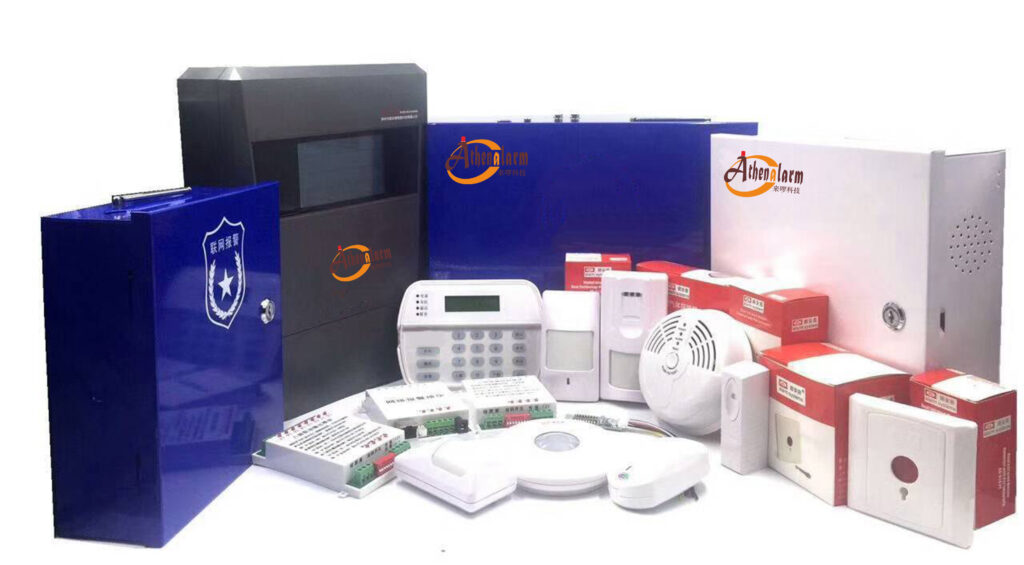
In the realm of intrusion detection systems, maintaining the reliability of alarm sensors is paramount. As engineers and technicians in the security field, you know that even minor deviations can lead to false alarms or missed threats, compromising overall system accuracy. This guide delves into proven strategies for alarm sensor calibration and validation, drawing from industry standards to help you achieve precise performance. By following these practices, you’ll minimize sensor drift, enhance detection reliability, and address common pain points like inconsistent readings in high-stakes environments.
Why Calibration Matters in Intrusion Alarm Systems
Alarm sensor calibration ensures that devices like motion detectors, door contacts, and glass break sensors operate within specified tolerances. Without regular calibration, environmental factors such as temperature fluctuations or dust accumulation can cause drift, leading to inaccurate detection. According to a 2022 study by the Security Industry Association (SIA), uncalibrated sensors contribute to up to 35% of false alarms in commercial burglar alarm systems, resulting in unnecessary emergency responses and potential fines.
For technicians, the key challenge is balancing sensitivity to catch real intrusions while avoiding nuisance triggers. Proper validation post-calibration confirms that the sensor responds correctly to simulated threats, providing peace of mind in alarm system maintenance.
Essential Tools for Effective Sensor Calibration
Before starting, gather the right equipment to ensure precision. Standard tools include:
- A digital multimeter for voltage and resistance checks.
- Calibration jigs or test fixtures specific to sensor types, such as PIR (Passive Infrared) motion simulators.
- Environmental chambers or controlled test areas to mimic real-world conditions.
- Software interfaces for smart sensors integrated with control panels.
These tools help in measuring parameters like detection range and response time, critical for avoiding sensor drift over time.
Step-by-Step Guide to Calibrating Alarm Sensors
Follow this detailed process to calibrate sensors accurately, even if you’re new to the task. This method applies to common types like PIR, microwave, or dual-technology sensors in burglary detection systems.
- Prepare the Environment: Power down the alarm system and isolate the sensor. Ensure the area is free from interference—remove nearby objects that could reflect signals or cause vibrations. Wear ESD (electrostatic discharge) protection to avoid damaging electronics.
- Initial Inspection: Visually check for physical damage, dirt, or misalignment. Use a soft brush to clean lenses or contacts. Measure baseline readings with your multimeter to note any pre-existing drift.
- Set Reference Standards: Refer to the manufacturer’s specifications (e.g., from Honeywell or Bosch datasheets). For a PIR sensor, set the detection threshold to the recommended 2.5-3.5 volts.
- Perform Calibration: Activate the test mode on the control panel. Use a calibration tool to simulate intrusions—walk through the detection zone at varying speeds (e.g., 0.5-2 m/s) while adjusting sensitivity knobs or software settings until the sensor triggers consistently within 10-15 feet. For glass break sensors, use a calibrated audio generator to emit frequencies mimicking breaking glass, fine-tuning until detection occurs at 85-95 dB.
- Document Readings: Record all adjustments in a log, including date, environmental conditions (temperature/humidity), and post-calibration metrics. This helps track long-term drift.
- Reset and Test: Reintegrate the sensor into the system and exit test mode. Verify with a full system walkthrough.
This hands-on approach resolves issues like over-sensitivity in variable climates, ensuring reliable intrusion detection.

Validation Techniques to Confirm System Accuracy
Calibration alone isn’t enough; validation verifies real-world performance. Use these methods to avoid false positives and maintain alarm sensor reliability.
- Functional Testing: Simulate threats using standardized props, such as a mannequin for motion sensors. Check response times against UL 639 standards for intrusion detection units, aiming for under 3 seconds.
- Drift Monitoring: Implement periodic checks with data loggers to detect gradual shifts. For instance, if a sensor’s output varies by more than 5% over a month, recalibrate immediately.
- Environmental Stress Testing: Expose sensors to controlled extremes (e.g., 0-50°C) in a chamber. Validate that detection remains accurate, addressing common drift in outdoor perimeter alarms.
A case study from a 2023 SIA report highlighted a retail chain reducing false alarms by 40% through quarterly validation, underscoring the value in high-traffic security setups.
Troubleshooting Common Calibration Challenges
Engineers often encounter drift due to aging components or installation errors. If a sensor fails to detect reliably:
- Check power supply stability—fluctuations can mimic drift; stabilize with a regulated source.
- Verify alignment using laser levels for beam sensors.
- Update firmware via the manufacturer’s portal to patch software-induced inaccuracies.
For avoiding drift long-term, integrate predictive maintenance tools like IoT-enabled sensors that alert to deviations before they impact system accuracy.
Advanced Tips for Optimal Alarm System Maintenance
To elevate your practices, incorporate data analytics. Analyze alarm logs to identify patterns—e.g., higher drift in humid environments—and adjust calibration intervals accordingly. Experts recommend biannual checks for indoor sensors and quarterly for outdoor ones, per NFPA 72 guidelines.
Incorporate hybrid validation, combining manual tests with AI-driven diagnostics from modern panels, to preempt issues in complex security alarm configurations.
Alarm sensor calibration and validation are foundational to robust intrusion prevention. By adhering to these best practices, you’ll ensure accurate detection, reduce operational downtime, and bolster overall security efficacy. Regular implementation not only solves immediate accuracy problems but also extends sensor lifespan, delivering cost savings for your operations.