
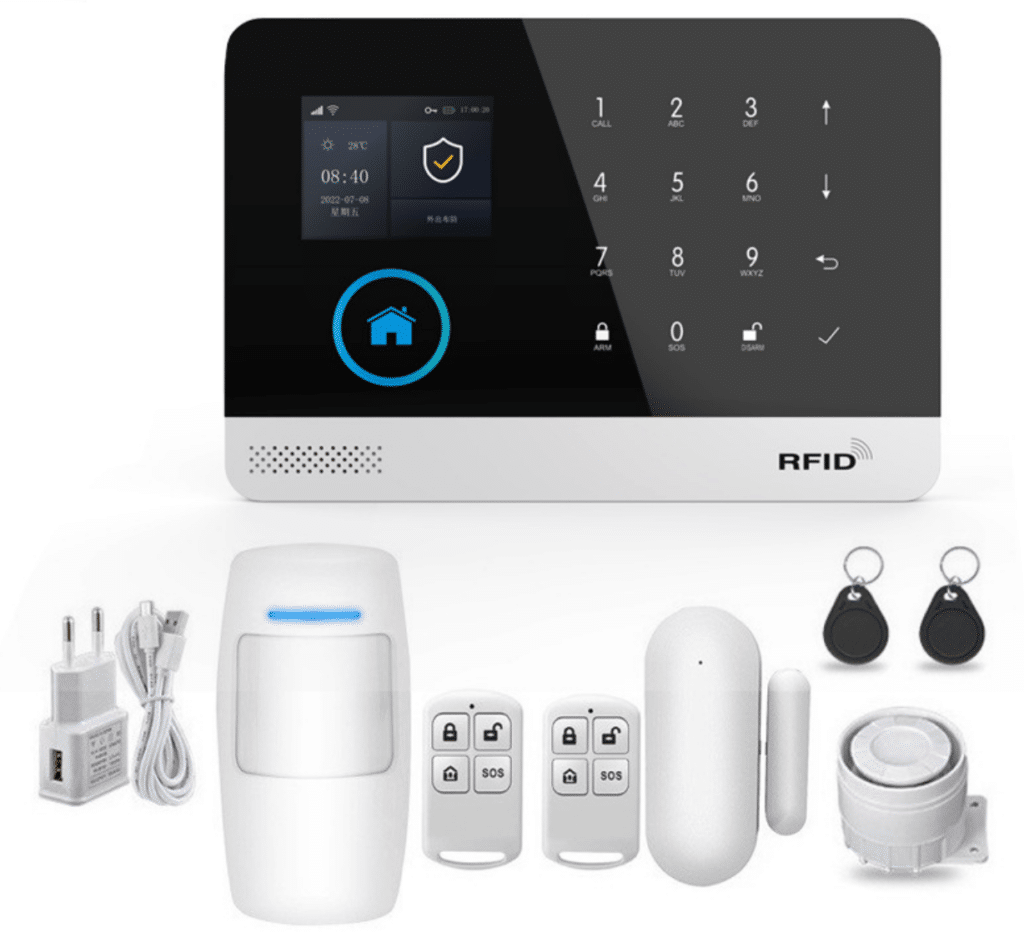
In the high-stakes domain of intrusion alarm protection, the smart home security system hub panel is not merely another component—it is the strategic command center upon which the integrity of the entire system depends. Seasoned installers, security dealers, and large-scale buyers understand this reality all too well: cutting corners on the hub panel is never a harmless compromise. It creates systemic weaknesses that invite false alarms, communication failures, poor user experience, and—at worst—catastrophic security breaches.
When selected, installed, and optimized correctly, however, a professional-grade smart home security system hub panel elevates individual sensors into a unified, intelligent defense architecture. It delivers dependable intrusion detection, seamless system integration, rapid event response, and long-term operational stability—outcomes that justify the investment for both providers and end users.
This guide is written expressly for security professionals: decision-makers, system designers, installers, operations managers, product specialists, and procurement teams responsible for residential estates, commercial facilities, and multi-site client portfolios. Rather than repeating marketing claims, it provides field-tested, practical guidance on selecting the right hub panel, deploying it correctly, integrating advanced features, avoiding costly mistakes, and sourcing equipment strategically. By the end, you will be equipped to deploy intrusion alarm systems that perform reliably in real-world conditions while improving operational efficiency and customer satisfaction.
Understanding the Core Role of the Smart Home Security System Hub Panel in Modern Intrusion Alarms
At its core, the smart home security system hub panel—also known as the control panel, base station, or central controller—functions as the brain of a modern intrusion alarm system. It receives and processes signals from perimeter protection devices such as door and window contacts, glass-break detectors, interior motion sensors, environmental sensors (smoke, carbon monoxide, flood), and video verification devices. Based on programmed logic, it determines whether to trigger local alarms, send notifications, activate automation routines, or transmit verified events to a monitoring center.
Unlike legacy panels limited to hardwired zones and basic keypad control, today’s smart hub panels integrate touchscreens, wireless communications, and mobile app access. They support industry-standard protocols such as Z-Wave, Zigbee, Wi-Fi, and the rapidly expanding Matter standard with Thread networking. This multi-protocol capability enables broader device compatibility, longer range through mesh networking, and reduced reliance on proprietary ecosystems—all while improving resilience and scalability.
For professionals, the true value of a high-quality hub panel lies in its ability to scale and stabilize deployments. A single robust panel can manage dozens—or even hundreds—of zones across multi-dwelling residential buildings or commercial properties. Inferior hubs, by contrast, are a leading cause of repeat service calls due to dropped connections, firmware conflicts, or unreliable integrations. A well-engineered smart home security system hub panel delivers encrypted communications, local intelligence, battery and cellular redundancy, and consistent uptime—non-negotiable attributes for professional intrusion protection.
Key performance indicators to evaluate include:
- Processing Power and Zone Capacity – Ability to handle simultaneous events without latency.
- Backup Communications – Dual-path connectivity (Wi-Fi and cellular/LTE) to ensure alarm transmission during outages.
- Power Resilience – Internal battery backup capable of sustaining operation for 24 hours or more.
- User Interface Quality – Intuitive touchscreen and app design that reduces user error and false alarms.
- Local Intelligence and Edge Processing – On-panel AI functions for faster decision-making and enhanced privacy.
By late 2025, platforms such as the Vivint Smart Hub, Qolsys IQ Panel 4 (with PowerG support), 2GIG EDGE, Alula Connect+, Ring Alarm Pro, and Aqara Hub M3 exemplify these principles. They combine integrated sirens, two-way voice for alarm verification, advanced false-alarm reduction, and strong Matter/Thread support to deliver systems that are both powerful today and adaptable tomorrow.
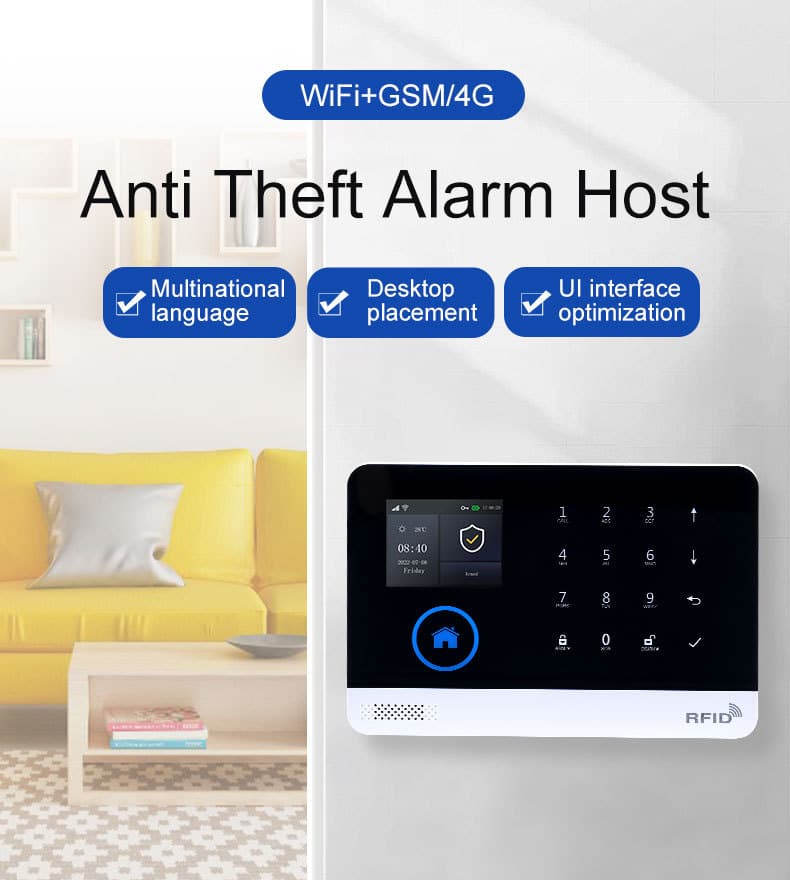
Critical Selection Criteria: Choosing the Right Smart Home Security System Hub Panel for Professional Deployments
Selecting a smart home security system hub panel for professional use requires a fundamentally different mindset than choosing a consumer product. The priorities are scalability, compatibility, reliability, and total cost of ownership.
1. Protocol Support and Ecosystem Flexibility
A professional hub should support multiple communication standards:
- Z-Wave – Highly reliable, long-range mesh networking suitable for larger properties and secure device communication.
- Zigbee – Energy-efficient and cost-effective, ideal for battery-powered sensors and lighting.
- Matter with Thread – A future-focused standard enabling seamless cross-brand interoperability, improved battery life, and resilient low-power mesh networking across Apple, Google, and Amazon ecosystems.
- Wi-Fi – Necessary for cameras and high-bandwidth devices, but best used selectively to avoid congestion.
- Proprietary Long-Range Protocols – Such as PowerG, which excels in challenging RF environments.
Multi-protocol hubs reduce the need for external bridges, simplify inventory management, and protect long-term compatibility as standards evolve.
2. Security Architecture and Compliance
Look for hubs offering AES-128 encryption or higher, secure boot processes, Z-Wave S2 security, and local data processing where possible. Certifications such as UL listing or EN Grade 2/3 are strong indicators of suitability for professional and commercial deployments.
3. Integration Depth
The hub panel should unify intrusion detection with automation and verification features, including voice control, lighting responses, smart locks, and video verification. Matter compatibility further simplifies integration across ecosystems without proprietary constraints.
4. Monitoring and Redundancy
Cellular backup is essential. Panels with integrated LTE modules or compatibility with professional monitoring platforms ensure alarms are transmitted even during internet outages or power failures.
5. Scalability and Dealer Tools
For large projects, dealer portals that support remote programming, batch configuration, diagnostics, and recurring revenue management are invaluable. These features reduce on-site labor and improve long-term profitability.
6. Cost Versus Lifecycle Value
While entry-level hubs may suffice for basic residential installs, higher-end models deliver better reliability, lower service costs, and stronger RMR potential over time. Evaluate the full lifecycle, not just the upfront price.
Professional Insight: Avoid single-protocol or closed-ecosystem hubs that restrict future expansion. Open platforms with Matter and Thread support provide the most sustainable long-term value.
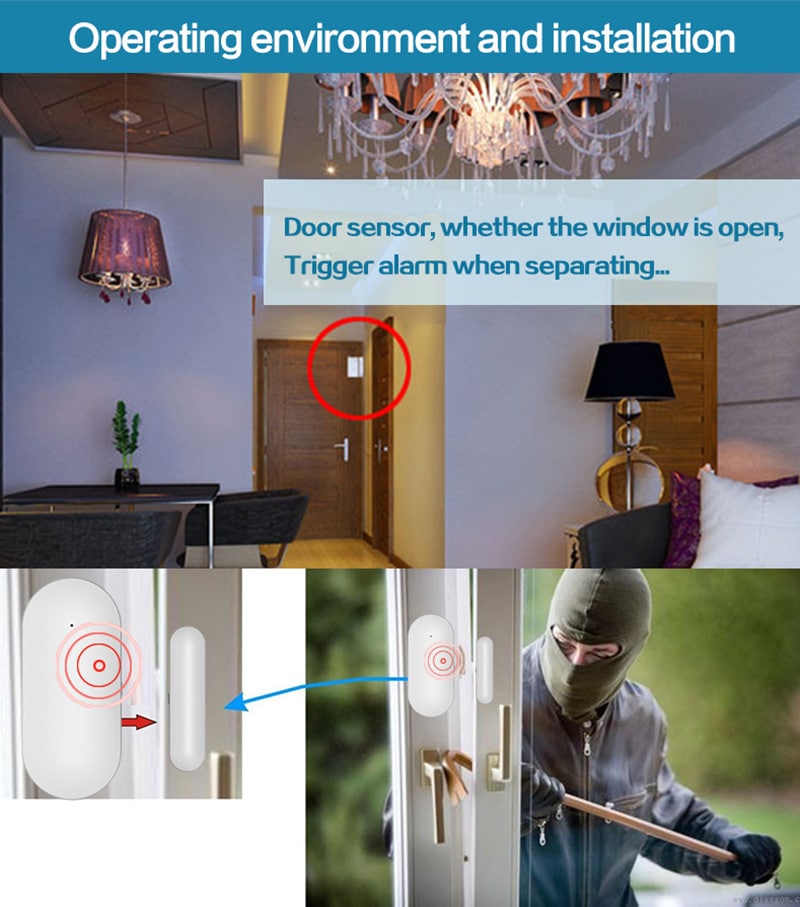
Step-by-Step Professional Installation Guide for Smart Home Security System Hub Panels
Correct installation is where professional systems distinguish themselves from amateur setups.
Step 0: Site Survey and Planning
Begin with a detailed site assessment. Evaluate Wi-Fi and cellular signal strength, identify sources of interference, and map all entry points, traffic areas, and coverage gaps. Diagnostic tools and pre-installation testing prevent costly adjustments later.
Step 1: Pre-Installation Preparation
Choose a central, discreet location with reliable power and communications—typically near a primary entry point but out of direct exterior view. Confirm device compatibility, gather tools, and plan cable management and signal reinforcement if required.
Step 2: Mounting and Power
Securely mount the hub at an accessible height, connect it to a non-switched, surge-protected outlet, and avoid temporary power solutions. Where possible, use a wired Ethernet connection during initial setup to ensure stability.
Step 3: Network Configuration
Power up the panel, connect to the network, verify cellular backup, and complete all firmware updates before proceeding. Updates often include security patches and protocol enhancements critical to performance.
Step 4: Device Pairing and Zoning
Enroll sensors systematically, starting close to the hub. Assign correct zone types and responses, verify alignment and sensitivity, and perform walk tests to confirm coverage accuracy.
Step 5: Automation and Integration
Configure smart routines that enhance security rather than complicate it—such as lighting responses to alarms or camera activation upon perimeter breaches. Enable Matter integration where applicable to future-proof the system.
Step 6: Testing and Client Handover
Conduct comprehensive system testing, including simulated intrusions, power loss, and communication failover. Train the end user thoroughly and provide clear documentation, ensuring confidence and reducing false alarms.
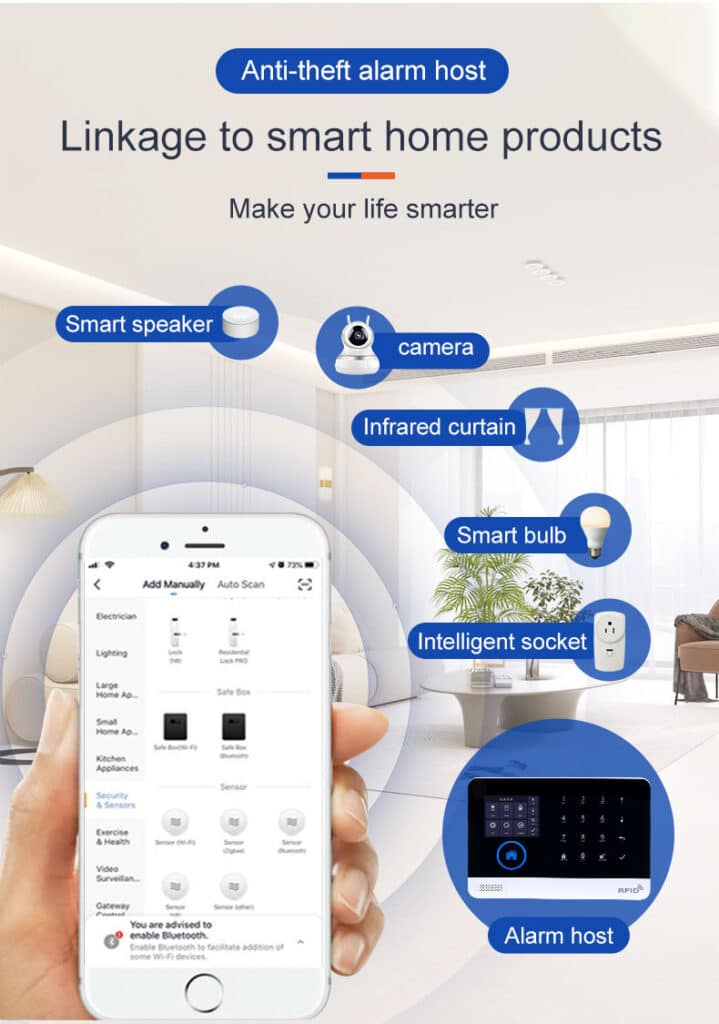
Advanced Optimization: Maximizing Intrusion Protection Performance
Modern hub panels offer capabilities far beyond basic alarming. Properly configured, they can dramatically reduce false alarms and enhance situational awareness.
Key enhancements include AI-assisted motion analysis, two-way voice verification, geofencing-based arming, environmental sensor integration, and video analytics. Matter and Thread further improve local automation reliability, even during cloud outages.
Regular firmware updates, cross-zone logic, and carefully calibrated entry/exit delays are essential optimization practices that significantly improve real-world performance.
Common Pitfalls and Expert Troubleshooting
The most frequent issues in modern systems—connectivity drops, pairing failures, false alarms, and integration glitches—are almost always rooted in installation shortcuts or configuration oversights. Systematic diagnostics, proactive maintenance, and remote monitoring tools allow professionals to resolve issues quickly and prevent repeat service calls.
Procurement Strategies for Bulk Deployment
For integrators and distributors, sourcing hub panels through established wholesale channels provides pricing advantages, training resources, and technical support. Brands focused on professional channels—such as Alula, Qolsys, 2GIG, and Resideo—offer scalable platforms, dealer tools, and compliance options suitable for regulated environments.
Strong supplier relationships reduce lead times, simplify logistics, and support long-term project success.
Final Thoughts: Building Reliable Intrusion Protection Around the Right Hub Panel
Mastering the smart home security system hub panel is not optional for serious intrusion alarm professionals—it is the foundation of every reliable deployment. By selecting robust, multi-protocol platforms, adhering to disciplined installation standards, fully leveraging advanced features, and sourcing equipment strategically, you can deliver systems that perform consistently, reduce operational friction, and earn long-term client trust.
A well-chosen hub panel does more than protect property—it strengthens your reputation, supports recurring revenue, and positions your business for sustained growth in an increasingly competitive security landscape.