
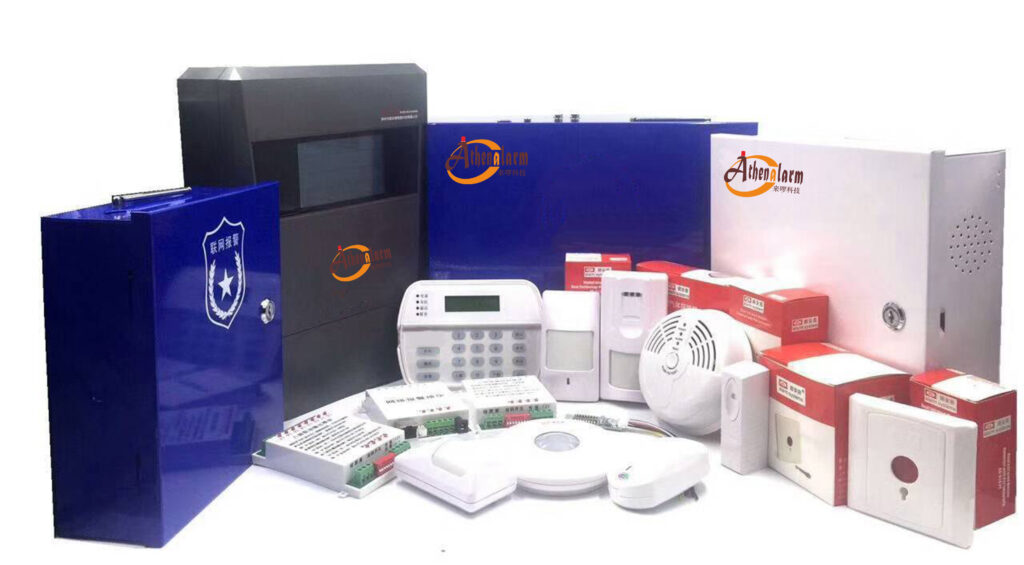
I. Introduction
In many commercial facilities, security breaches do not originate from advanced hacking attempts but from simple operational oversights—such as shared or outdated alarm user codes. A single poorly managed code in a professional alarm system can undermine layers of physical protection, expose sensitive areas, and compromise entire operations. These incidents highlight the critical importance of user code management in modern intrusion detection systems.
User code management refers to the structured creation, assignment, maintenance, and auditing of access credentials within a professional alarm system. When implemented properly, robust user code controls significantly reduce unauthorized access, streamline system operations, and support compliance with industry security standards.
This article provides practical, field-tested guidelines for alarm technicians, product managers, procurement officers, and security integrators. The purpose is to help professionals optimize user code practices across small, medium, and enterprise-level deployments of professional alarm systems. By applying these best practices, organizations can enhance operational efficiency, improve access control transparency, and strengthen overall system integrity.
II. Understanding User Codes in Alarm Systems
User codes serve as the foundation of access control within commercial and industrial burglar alarm systems. These codes authenticate individuals during arming, disarming, bypassing, and performing administrative tasks. Proper user code management ensures that each code reflects a specific user’s responsibilities and access level.
Types of User Codes
- Master Codes
Provide full system authority, including the ability to add/delete user codes, modify programming parameters, and adjust arming options. These should be tightly controlled and assigned only to authorized supervisors or installers. - Standard User Codes
Assigned to employees or operators who require routine access for arming and disarming zones. Each user should have a unique code for accurate tracking. - Duress Codes
Trigger silent alarms while appearing to perform normal disarm procedures. Proper training is essential to avoid accidental activation. - Temporary or Contractor Codes
Used for short-term access during maintenance or construction.
Common Challenges
Professionals often encounter operational issues such as:
- Code sharing among staff, which makes auditing impossible
- Forgotten or outdated codes remaining active for months
- Improper access level assignment
- Non-unique credentials across multiple facilities in large deployments
Addressing these challenges requires standardized code management procedures supported by effective system tools.
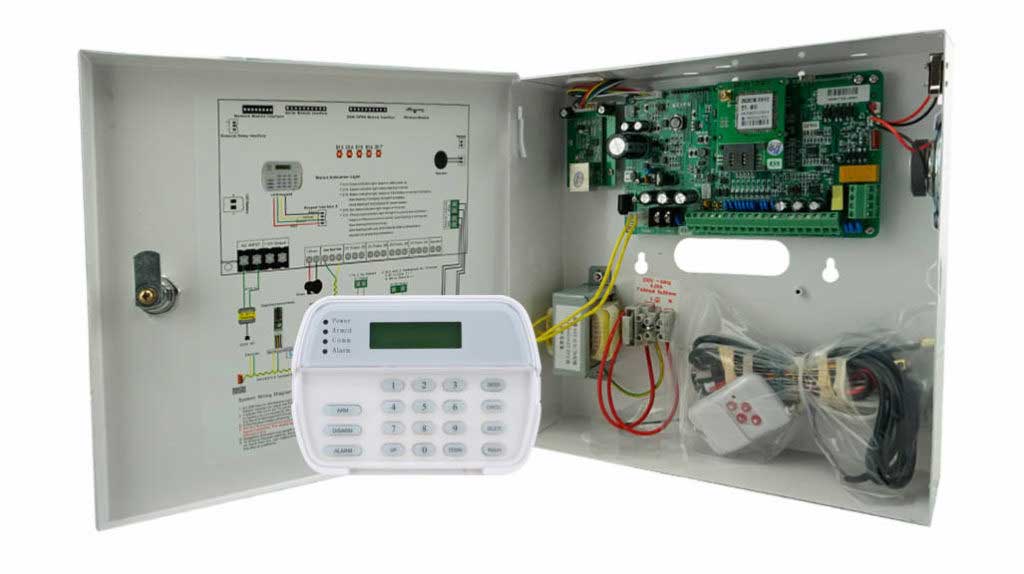
III. Best Practices for Implementing User Code Management
To enhance security and maintain operational clarity, professionals should follow structured guidelines for code creation and lifecycle management.
1. Assign Unique, Role-Based Codes
Every user must have their own unique code. This enables precise event log tracking and prevents ambiguity in incident investigations. Role-based coding ensures employees only have the permissions needed for their tasks.
2. Apply Proper Code Length and Complexity
For professional alarm systems, a minimum of 4 digits is common, but 6-digit or alphanumeric formats provide stronger protection against brute-force attempts. Choose alarm panels that support configurable code complexity policies.
3. Implement Regular Code Rotation
Rotating user codes every 90 or 180 days—especially in high-turnover environments—reduces the likelihood of unauthorized reuse. Procurement teams evaluating alarm systems should ensure the panel supports automated reminders or expiration functions.
4. Integrate Multi-Factor Authentication (MFA)
Advanced systems increasingly combine PIN codes with:
- Proximity or smart cards
- Mobile app-based verification
- Biometric readers (fingerprint, facial recognition)
MFA significantly enhances the reliability of user authentication.
IV. Security Considerations and Risk Mitigation
Poorly managed user codes expose alarm systems to unnecessary risks, including insider threats, brute-force attempts, or unauthorized after-hours access. Mitigating these risks requires a combination of system capabilities and operational controls.
1. Protect Against Credential Attacks
Choose systems that support:
- Lockout after repeated incorrect attempts
- Encrypted code storage
- Secure keypad communication (e.g., AES-encrypted bus protocols)
2. Utilize Audit Logs and Monitoring
Event logs should capture:
- Code used
- User identity
- Timestamp
- Action taken (arm, disarm, bypass, etc.)
These logs allow supervisors and integrators to detect suspicious patterns and respond to anomalies promptly.
3. Maintain Compliance with Recognized Standards
User code management best practices should align with established industry frameworks, such as:
- UL 681 – Installation and Classification of Burglar and Holdup Alarm Systems
- EN 50131 Series – European intrusion and hold-up system requirements
Compliance ensures systems meet recognized benchmarks for access control, recordkeeping, and intrusion resistance.
V. Tools and Technologies for Effective Management
Modern professional alarm systems incorporate centralized platforms to simplify bulk user administration, especially in multi-site environments.
1. Centralized User Code Management Software
Cloud-based or server-based platforms allow administrators to:
- Add, modify, or revoke user codes across multiple panels
- Apply global code policies consistently
- Conduct mass updates during personnel changes
- Synchronize access control settings across facilities
These tools significantly reduce workload for procurement teams managing large-scale deployments.
2. Scalable Hardware Solutions
Alarm panels with expandable memory and network-ready communication modules allow integrators to maintain efficient user code management even as the system grows.
3. Real-World Example
A logistics company managing 15 warehouses deployed a unified cloud access platform that centralized user code management for all alarm panels. The result was:
- A 40% reduction in false alarms due to eliminated code confusion
- Faster onboarding of new personnel
- Extended audit visibility for compliance audits
This demonstrates how proper tools resolve operational and procurement challenges at scale.
VI. Training and Maintenance Guidelines
1. Technician and End-User Training
Ensure all users understand:
- The importance of unique codes
- How to handle duress codes
- Basic keypad operations
- Why sharing credentials is prohibited
For technicians, training should include code hierarchy design, audit log analysis, and advanced management functions.
2. Routine Maintenance and Audits
Regular inspections should verify:
- Removal of inactive or expired codes
- Validation of access permissions
- Accuracy of event logs
- Functionality of keypad and MFA components
A quarterly or semi-annual audit schedule helps maintain system integrity.
3. Troubleshooting Common Issues
Professionals should know how to resolve:
- Lost or forgotten codes (using master-level reset procedures)
- System lockouts after incorrect attempts
- Keypad hardware failures affecting code recognition
Manufacturers’ programming manuals and UL/EN standard recommendations should guide these steps.
VII. Conclusion
Effective user code management is essential for maintaining the reliability, auditability, and security of professional alarm systems. By implementing unique codes, enforcing complexity standards, using centralized management tools, and following recognized industry standards, organizations significantly reduce security risks while improving operational transparency.
Security integrators, product managers, and procurement decision-makers are encouraged to adopt these guidelines when evaluating alarm system solutions or planning new deployments. For enhanced protection and compliance, consider consulting certified security professionals or reviewing detailed specifications from system manufacturers.