

In the fast-evolving world of intrusion detection and security, alarm systems must adapt to emerging threats and technologies without requiring complete overhauls. For engineers and product managers in the alarm industry, designing modular alarm systems offers a pathway to future-proof installations. This guide explores how to plan flexible alarm architectures that allow for easy integration of features like video verification or AI-driven analytics, minimizing downtime and costs. By focusing on scalable components, you can address common pain points such as outdated hardware and compatibility issues, ensuring long-term reliability in burglary prevention and property protection.
Why Modular Design Matters in Alarm Systems
Traditional alarm setups often lock users into rigid frameworks, where adding new capabilities—like advanced sensors or cloud-based monitoring—demands extensive rewiring or replacement. This leads to high expenses and operational disruptions, a major frustration for security professionals. Modular alarm design, however, emphasizes interchangeable parts and open standards, enabling upgrades without a full rework.
According to a 2023 report by the Security Industry Association (SIA), modular security systems can reduce upgrade costs by up to 40% compared to monolithic ones, as they allow targeted enhancements. This approach not only extends system lifespan but also aligns with regulatory demands for adaptable intrusion alarm technologies. For instance, incorporating video verification modules can improve false alarm reduction rates by 70%, as noted in UL 827 standards for central station monitoring.
Key Principles for Modular Alarm System Architecture
To build an upgradeable alarm system, start with core principles that prioritize flexibility. First, adopt open protocols such as ONVIF for video integration or Z-Wave for wireless sensors, ensuring compatibility across vendors. This avoids vendor lock-in, a common issue in proprietary burglary alarm setups.
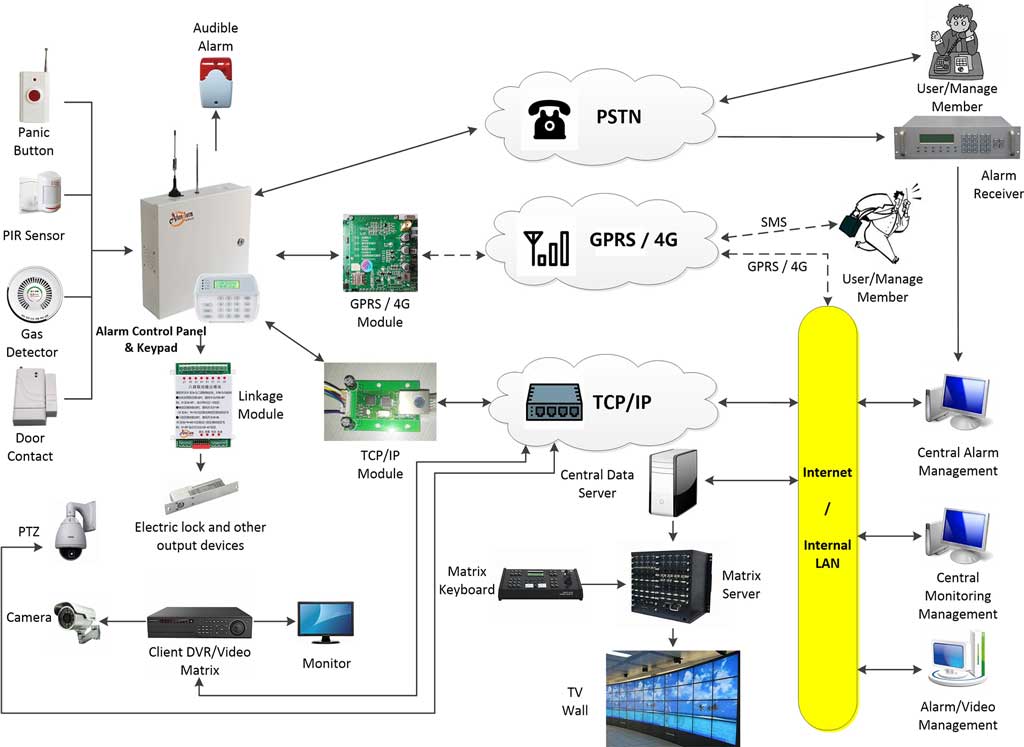
Second, segment the system into independent modules: core control panels, sensor arrays, communication gateways, and user interfaces. Each module should support plug-and-play functionality, with standardized interfaces like IP-based networking. For product managers, this means selecting components certified under EN 50131 European standards for intruder alarms, which emphasize reliability and expandability.
Third, incorporate forward-compatible power and data buses. Use PoE (Power over Ethernet) for scalable wiring, allowing easy addition of IP cameras for video verification without new cabling. This design choice addresses the pain point of retrofitting older buildings, where full rewires can cost thousands.
Step-by-Step Guide to Implementing Modular Upgrades
Engineers can follow these concrete steps to design and upgrade modular intrusion detection systems, even if starting from scratch. These instructions are straightforward, enabling those new to alarm engineering to execute them independently.
- Assess Current Needs and Future Projections: Begin by mapping out the site’s security requirements, including zones for door contacts, motion detectors, and potential video feeds. Identify pain points like frequent false alarms. Use tools like risk assessment software from sources like the ASIS International guidelines to forecast needs for technologies such as AI analytics. Document this in a spreadsheet: column for current components, risks, and upgrade paths.
- Select a Modular Core Platform: Choose a control panel with expandable slots, such as those from Honeywell’s Vista series, which support add-on modules for wireless expansion. Ensure it complies with NFPA 72 standards for fire and burglary alarms. Install the base unit by connecting it to power and grounding it per manufacturer specs—typically involving screwing into a secure enclosure and wiring to a 12V DC supply.
- Integrate Baseline Sensors Modually: Wire or pair initial sensors using modular buses. For example, attach PIR motion sensors via a Z-Wave hub. Test each module individually: power on, enroll via the panel’s programming mode (e.g., enter *56 on Honeywell panels), and simulate triggers to verify detection.
- Plan for Video Verification Add-Ons: To add video without a full rework, incorporate a compatible IP camera module. Select ONVIF-compliant cameras like those from Axis Communications. Steps: Connect the camera to the PoE switch, configure IP addressing via the panel’s app (e.g., set static IP 192.168.1.x), and link to the alarm via software integration. Test by arming the system and triggering an event— the panel should capture and verify footage automatically.
- Incorporate New Tech Seamlessly: For emerging features like biometric access or drone integration, use API gateways. Install a RESTful API module by plugging it into the panel’s expansion port, then configure via web interface: log in, enter API keys from the tech provider, and map events (e.g., link a new sensor to trigger notifications). Always perform a system-wide test: simulate breaches across zones to ensure no conflicts.
- Validate and Document: After upgrades, conduct end-to-end testing per UL 1023 standards for household burglary alarms. Use a multimeter to check voltages and a signal analyzer for wireless integrity. Document configurations in a secure log, including serial numbers and firmware versions, to facilitate future tweaks.
This process resolves real-world issues like scalability in growing facilities, where adding new tech without downtime is critical.
Case Studies: Real-World Success in Modular Alarm Upgrades
Consider a mid-sized commercial property upgraded by a leading integrator. Initially equipped with a basic wired alarm, the system was modularized using Bosch’s Solution 2000 panels. When video verification became essential due to rising false alarm fines (averaging $100 per incident per SIA data), engineers added IP cameras via existing Ethernet without rewiring. Result: Response times improved by 50%, and costs stayed under $5,000—far below a full replacement estimate of $20,000.
In another example, a residential development adopted modular wireless alarms from Ring’s professional line. Product managers planned for future AI integrations by including cloud gateways from the start. When new facial recognition tech emerged, upgrades took hours, not days, demonstrating how flexible system planning prevents obsolescence.

Overcoming Common Challenges in Modular Designs
One frequent hurdle is interoperability between old and new modules. Solution: Conduct compatibility audits using tools like the Zigbee Alliance’s certification database before purchases. If mismatches occur, bridge them with protocol converters, installed by soldering or clipping to bus lines.
Power management can also falter in expansions. Mitigate by calculating total draw (e.g., 500mA per sensor) and upsizing supplies accordingly, per NEC guidelines. For cybersecurity, always apply NIST SP 800-53 controls, like firmware updates and encryption, to protect against vulnerabilities in upgradeable alarm systems.
These strategies ensure robust, future-ready intrusion prevention without compromising security.
Conclusion: Building Resilient Alarm Ecosystems
Designing modular alarm systems empowers engineers and product managers to create adaptable solutions that evolve with threats. By emphasizing scalable architectures, you enable seamless additions like video verification or innovative sensors, addressing core pain points in cost and complexity. Start with these principles today to deliver flexible, reliable burglary protection that stands the test of time.