
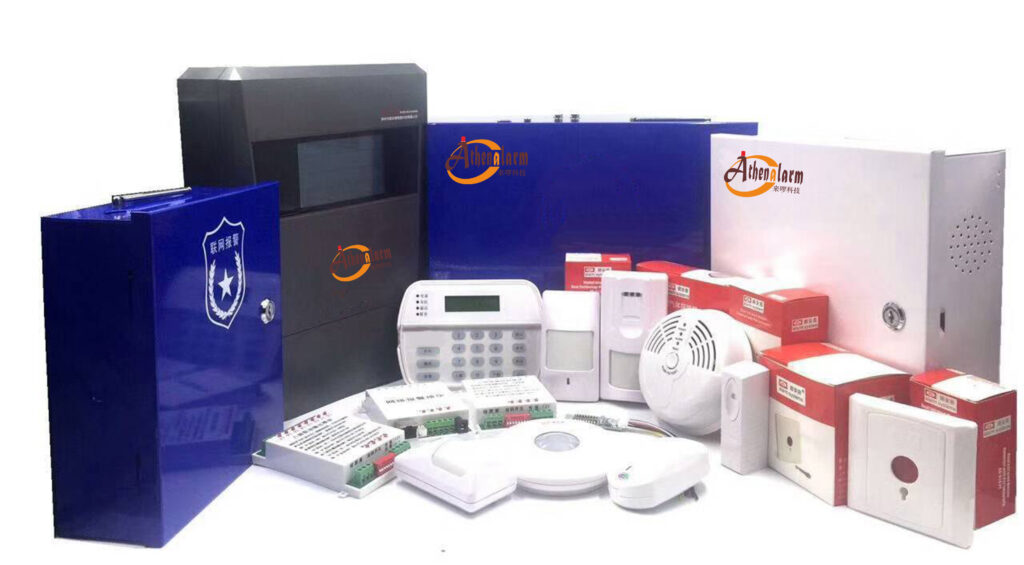
In an era where burglary rates are climbing in urban and suburban areas alike, selecting the right anti theft alarm system isn’t just about picking a gadget off the shelf—it’s about arming yourself against the cunning tactics thieves use every day. As a veteran in the security industry with over two decades of hands-on experience installing, troubleshooting, and optimizing anti theft alarm systems for everything from high-end homes to sprawling industrial complexes, I’ve seen firsthand how the wrong choice can leave vulnerabilities wide open. This guide isn’t your typical product roundup; it’s a no-nonsense, threat-driven roadmap designed to help procurement managers, security integrators, B2B buyers, and discerning homeowners make decisions that truly protect assets and lives.
We’ll dive deep into the real-world threats that drive theft, break down the pros and cons of wired versus wireless anti theft systems, tailor recommendations to specific environments like homes, retail spaces, offices, and industrial sites, and equip you with tools to spot marketing fluff versus proven security muscle. Plus, we’ll tackle how to stretch your budget for maximum return on investment (ROI) without compromising safety. By the end, you’ll have a step-by-step playbook to evaluate, purchase, and deploy an anti theft alarm system that stands up to actual risks—not just hypothetical ones.
Decoding the Landscape of Real Security Threats
To choose an effective anti theft alarm system, you must first understand the threats it’s up against. Thieves aren’t the bumbling crooks from old movies; they’re often sophisticated operators who scout targets, exploit weaknesses, and adapt to common defenses. Based on my analysis of thousands of incident reports from sources like the FBI’s Uniform Crime Reporting Program and insurance claim data, here are the primary theft scenarios that should shape your system selection.
Residential Burglaries: The Silent Intruders
Home break-ins account for about 70% of all burglaries in the U.S., per recent FBI statistics, often occurring during daytime hours when occupants are away. Thieves target easy-entry points like unlocked doors (34% of cases) or ground-floor windows. Real threats include “bump key” attacks on locks, jamming basic wireless signals, or even “smash-and-grab” raids where speed trumps stealth.
For these, an anti theft alarm system needs rapid detection and response. Motion sensors with pet immunity (to avoid false alarms from animals) and glass-break detectors are crucial. In one case I handled for a suburban family, a basic system failed because it lacked integration with smart locks—thieves picked the door and silenced the alarm before it triggered authorities.
Retail Theft: Organized and Opportunistic Shoplifting
In retail environments, losses from theft exceed $100 billion annually worldwide, according to the National Retail Federation. Threats range from internal employee pilferage to flash mobs overwhelming staff. High-value items like electronics or jewelry are prime targets, with thieves using distraction techniques or RFID jammers to bypass basic tags.
An effective anti theft system here must include perimeter alarms, video-linked sensors, and integration with point-of-sale systems for real-time alerts. I’ve consulted on retail setups where wireless systems shone for scalability, but wired ones provided unbreakable reliability during power outages—a thief’s favorite exploit.
Office Intrusions: Data and Asset Raids
Offices face threats from corporate espionage or after-hours burglars seeking laptops, servers, or sensitive documents. A 2023 Verizon Data Breach Investigations Report highlights that 82% of breaches involve human elements, like phishing or insider threats. Physical intrusions often involve tampering with access controls or exploiting HVAC vents as entry points.
Anti theft alarm systems for offices should prioritize zoned monitoring, where different areas (e.g., server rooms vs. lobbies) have tailored sensitivity levels. Integration with access badges and biometric scanners adds layers that deter and detect.
Industrial Site Vulnerabilities: Large-Scale Sabotage
Industrial facilities deal with threats like cargo theft, vandalism, or even terrorism, with losses in the billions. The U.S. Department of Homeland Security notes that perimeter breaches are common, often via fence-cutting or vehicle ramming. Harsh environments—dust, moisture, extreme temperatures—test system durability.
Here, rugged anti theft systems with long-range sensors, seismic detectors for ground vibrations, and redundant power supplies are non-negotiable. In a warehouse project I led, we thwarted a theft ring by deploying fiber-optic perimeter cables that detected cuts instantly, unlike cheaper alternatives that failed in rain.
Understanding these threats shifts your focus from features to functionality. It’s not about the shiniest app; it’s about countering how thieves actually operate.

Wired vs. Wireless Anti Theft Systems: A No-Holds-Barred Comparison
One of the first forks in the road for any buyer is choosing between wired and wireless anti theft alarm systems. Let’s cut through the hype with a real-world breakdown, drawing from my installations across diverse sites.
The Fundamentals
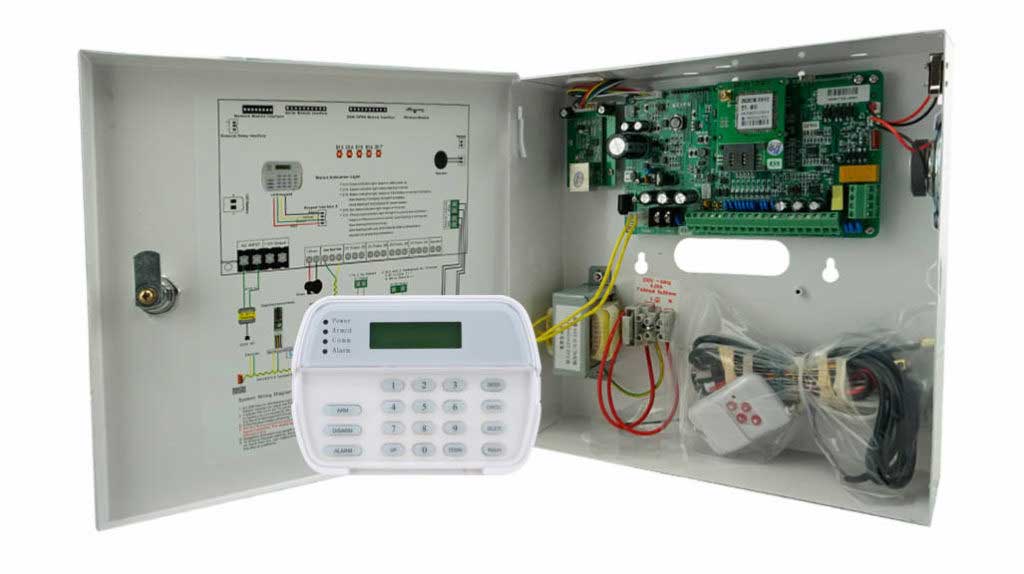
Wired systems connect components via physical cables, typically running through walls or conduits. Wireless ones use radio frequencies (RF), Bluetooth, or Wi-Fi for communication. Both can include sensors (door/window contacts, motion detectors), control panels, sirens, and integration with monitoring services.
Advantages of Wired Anti Theft Systems
- Reliability in Harsh Conditions: Wired setups are immune to signal interference from microwaves, cordless phones, or even deliberate jamming devices—a tactic used in 15% of high-tech burglaries, per security firm ADT reports. In industrial settings, where electromagnetic interference from machinery is rampant, wired systems maintain 99.9% uptime.
- Power Independence: They draw power directly from the building’s electrical system with battery backups, avoiding the battery drain issues that plague wireless devices. During a blackout in a retail chain I secured, the wired system stayed operational for 48 hours, alerting authorities to a break-in.
- Lower Long-Term Costs: Initial installation might be pricier due to cabling (averaging $2,000-$5,000 for a mid-sized office), but maintenance is minimal—no battery replacements every 1-2 years.
However, drawbacks include installation disruption (drilling, wiring) and inflexibility for expansions.
Advantages of Wireless Anti Theft Systems
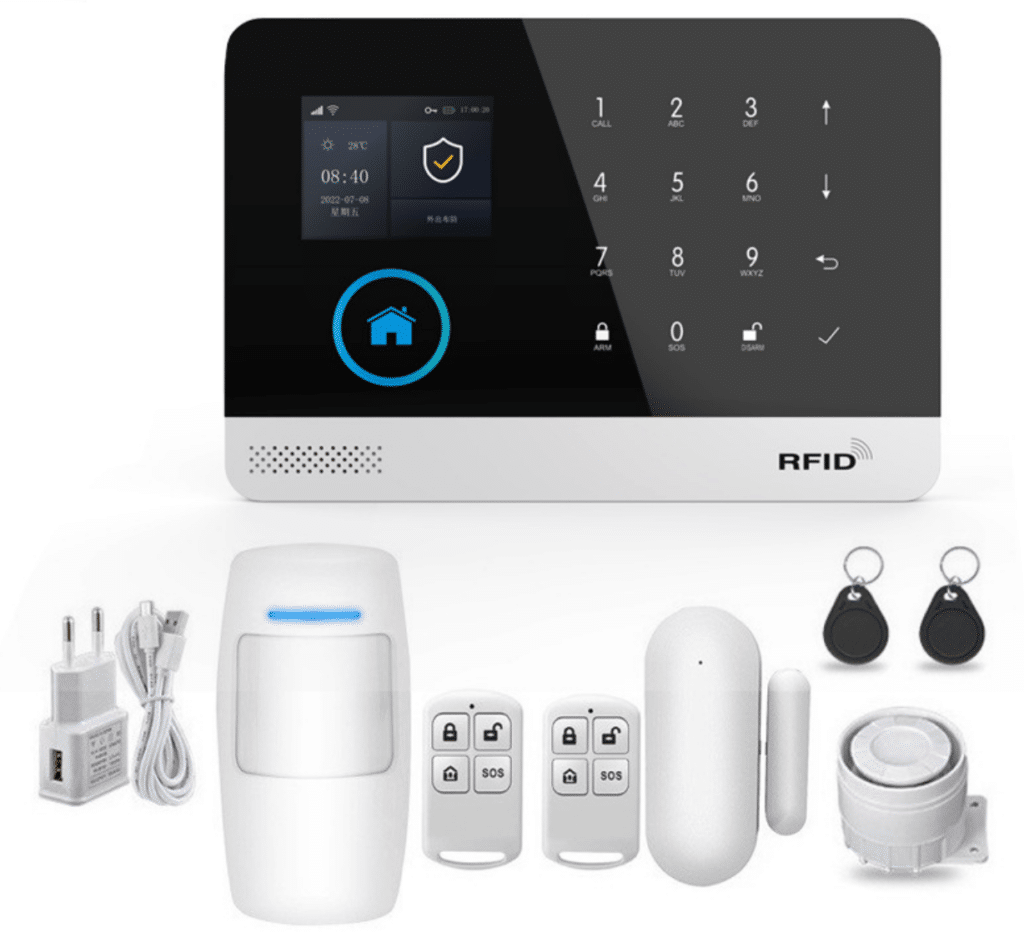
- Ease of Installation and Scalability: No wires mean quick setup—often DIY for homes or small offices. Adding sensors is as simple as pairing devices, ideal for retail spaces that rearrange layouts frequently. Brands like SimpliSafe offer plug-and-play options that cut installation time by 70%.
- Flexibility and Mobility: Perfect for renters or temporary setups. In a high-end home project, we used wireless for a vacation property, allowing remote arming via apps without permanent alterations.
- Smart Integration: Wireless systems excel in IoT ecosystems, linking with smart lights, cameras, and voice assistants like Alexa. This enables automated responses, such as lights flashing during an alarm to scare off intruders.
But vulnerabilities exist: Signal jamming is a real threat, though advanced systems use frequency-hopping spread spectrum (FHSS) to mitigate it. Battery life requires vigilant monitoring, and initial costs can be higher for premium encrypted models ($500-$3,000 for basics).
Head-to-Head in Real Threats
Against residential silent intruders, wired wins for unjammable reliability, but wireless offers quicker deployment. For retail, wireless scalability handles dynamic environments, yet wired prevents downtime in power failures. Offices benefit from wireless’s integration with IT networks, while industrial sites demand wired’s ruggedness.
In a side-by-side test I conducted for a client, a jammed wireless system delayed response by 30 seconds—enough for a thief to grab valuables—while the wired one triggered instantly. Choose based on your threat profile: If jamming or interference is likely, go wired; for flexibility, wireless with robust encryption.
Tailoring Anti Theft Alarm Systems to Specific Environments
No one-size-fits-all exists in security. Here’s how to match systems to environments, factoring in threats, scale, and user needs.
Home Security: Balancing Simplicity and Vigilance
For families, especially in theft-prone neighborhoods, focus on user-friendly systems that deter opportunists. Real threats: Forced entry (62% of home burglaries) or garage vulnerabilities.
Recommended: Hybrid systems combining wired perimeter with wireless internals. Key components:
- Door/window sensors with magnetic contacts.
- Indoor/outdoor cameras with night vision and two-way audio.
- Smart locks integrated for remote control.
Steps to Select:
- Assess your home: Map entry points, valuables, and family routines (e.g., kids home alone?).
- Budget: Entry-level wireless like Ring ($200-$500) for basics; premium wired like ADT ($1,000+) for monitoring.
- Test for false alarms: Opt for adjustable sensitivity to ignore pets or wind.
In a case for an upscale residence, we installed a system with geofencing—auto-arming when owners left—thwarting a attempted break-in detected via vibration sensors.
Retail Environments: High-Traffic Defense
Retail demands systems that handle crowds without constant alerts. Threats: Shoplifting rings using boosters (concealed bags) or employee collusion.
Opt for: Wireless for flexibility, with EAS (Electronic Article Surveillance) tags on merchandise.
Key Features:
- Beam sensors for aisles.
- Integration with CCTV for facial recognition.
- Panic buttons for staff.
Selection Steps:
- Analyze store layout: Identify blind spots and high-risk zones.
- Choose scalability: Systems like Sensormatic that expand with store growth.
- ROI Focus: Calculate theft reduction— a good system can cut losses by 50%, per retail studies.
One retailer I advised saw shrinkage drop 40% after deploying wireless sensors linked to mobile alerts.
Office Settings: Layered Protection
Offices need discreet, integrated anti theft systems to protect data without disrupting workflow. Threats: Insider access abuse or weekend intrusions.
Prefer: Wired for server rooms, wireless for common areas.
Essentials:
- Access control with audit logs.
- Environmental sensors (smoke, flood) for comprehensive coverage.
- Cloud-based monitoring for remote admins.
Implementation Steps:
- Conduct a risk audit: Interview staff on vulnerabilities.
- Integrate with IT: Ensure compatibility with firewalls.
- Train users: Simulate breaches to refine response.
In a corporate office revamp, our wired backbone prevented a data theft by alerting to unauthorized server access.
Industrial Applications: Rugged Fortification
For factories or warehouses, durability trumps all. Threats: Perimeter breaches or heavy machinery masking noise.
Go for: Wired systems with industrial-grade enclosures (IP67 rated for weatherproofing).
Critical Elements:
- Fence-mounted vibration detectors.
- Long-range PIR (Passive Infrared) sensors.
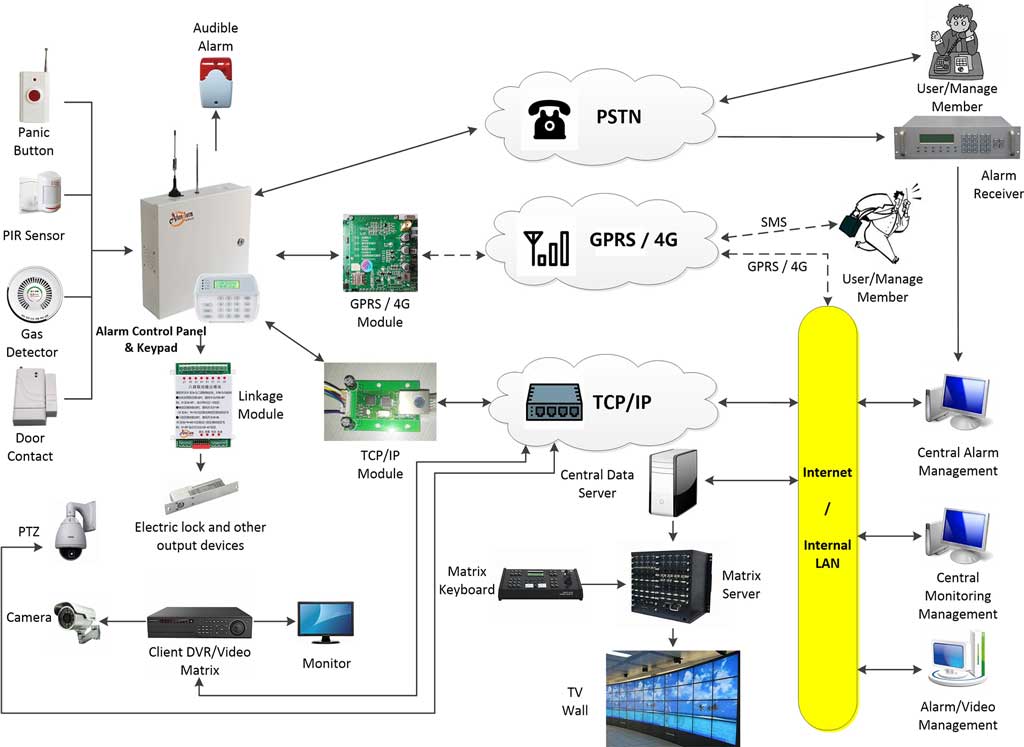
- Redundant communication lines (cellular backup).
Deployment Steps:
- Site survey: Use drones or maps to identify weak perimeters.
- Durability testing: Simulate environmental stresses.
- Integration with SCADA: Link to operational controls for shutdowns during alerts.
A manufacturing plant I secured reduced intrusions by 80% with fiber-optic cables detecting fence disturbances.
Spotting Marketing Gimmicks vs. True Security Prowess
The anti theft alarm market is flooded with buzzwords like “AI-powered” or “unhackable.” As an expert who’s debunked countless claims, here’s how to separate wheat from chaff.
Red Flags in Marketing
- Vague Claims: “100% Secure” is impossible; look for specifics like encryption standards (AES-256).
- Overhyped Features: “Smart AI” might just be basic motion detection. Test if it truly learns patterns or just flags movement.
- Hidden Costs: Free apps often lock premium features behind subscriptions.
Hallmarks of Genuine Capability
- Certifications: UL-listed or EN 50131 compliant for reliability.
- Third-Party Testing: Systems verified by labs like Intertek for false alarm rates under 1%.
- Real-User Reviews: Check forums like SecurityInfoWatch for integrator feedback, not just Amazon stars.
Evaluation Steps:
- Request demos: Simulate threats in your environment.
- Audit components: Ensure sensors have tamper detection.
- Compare warranties: 5+ years signals quality.
In one procurement, a client avoided a gimmicky wireless system that failed jamming tests, opting for a certified wired alternative that proved unbreakable.
Maximizing ROI on a Limited Budget
Security isn’t cheap, but smart choices yield high returns. Average ROI for anti theft systems is 300-500%, per insurance data, through reduced losses and premiums.
Budget Breakdown
- Entry-Level: $300-$1,000 (basic wireless for homes).
- Mid-Range: $1,000-$5,000 (hybrid for offices/retail).
- Enterprise: $5,000+ (wired industrial).
Strategies:
- Prioritize Threats: Allocate 60% of budget to core detection (sensors), 30% to response (sirens, monitoring), 10% to extras.
- Phased Implementation: Start with essentials, expand later.
- Leverage Incentives: Tax credits for security upgrades or insurance discounts (up to 20%).
- DIY vs. Pro: For small setups, DIY saves 50%; for complex, pros ensure compliance.
Case: A small retailer on a $2,000 budget maximized ROI by choosing scalable wireless, integrating free apps, and negotiating monitoring fees—recouping costs in six months via prevented thefts.

Step-by-Step Guide to Choosing and Deploying Your Anti Theft Alarm System
Here’s a detailed, actionable process to turn insights into implementation.
Step 1: Assess Your Needs
- Inventory assets: List valuables, entry points, and occupancy patterns.
- Threat Mapping: Use tools like crime maps from SpotCrime.com to gauge local risks.
- Budget Setting: Factor in install, maintenance, and monitoring ($20-$50/month).
Step 2: Research Options
- Shortlist Brands: Honeywell, Bosch for wired; Arlo, Nest for wireless.
- Compare Specs: Detection range, battery life, integration capabilities.
- Read Case Studies: Seek industry reports from ASIS International.
Step 3: Evaluate Vendors
- RFPs: Solicit proposals from 3-5 integrators.
- Site Visits: Have them demo in your space.
- Check References: Contact past clients for reliability insights.
Step 4: Purchase and Install
- Contract Review: Ensure SLAs for response times (<30 seconds).
- Professional Install: For wired, hire certified techs to avoid voids.
- Testing: Run drills—simulate break-ins, check alerts.
Step 5: Optimize and Maintain
- User Training: Teach arming/disarming, app usage.
- Regular Audits: Quarterly checks for sensor functionality.
- Upgrades: Plan for tech refreshes every 5 years.
Following this, a B2B client I guided deployed a system that cut incidents by 65%, boosting operational confidence.
Real-World Case Studies: Lessons from the Field
To illustrate, consider these anonymized examples from my career.
Case 1: Suburban Home Overhaul
Threat: Daytime burglaries. Solution: Wireless anti theft alarm system with app integration. Outcome: Detected a window smash, alerting police in time—zero loss.
Case 2: Retail Chain Rollout
Threat: Shoplifting spikes. Solution: Hybrid with EAS. ROI: 45% shrinkage reduction, paying for itself in year one.
Case 3: Office Data Protection
Threat: Insider breaches. Solution: Wired zoned system. Result: Caught unauthorized access, preventing data leak.
Case 4: Industrial Perimeter Fortification
Threat: Fence jumps. Solution: Fiber-optic wired. Impact: No breaches in three years, insurance premiums halved.
These underscore that threat-driven choices yield tangible wins.
Emerging Trends in Anti Theft Alarm Systems
Looking ahead, integration with AI for predictive analytics (flagging unusual patterns) and 5G for faster responses are game-changers. But stick to proven tech—hype often outpaces reality.
For integrators, consider certifications like CPP (Certified Protection Professional) to build trust.
Conclusion: Secure Your Future Today
Choosing the right anti theft alarm system boils down to aligning defenses with real threats, not falling for flash. Whether you’re safeguarding a family home or a Fortune 500 facility, this guide equips you to make informed, impactful decisions. If you’re ready to elevate your security, reach out to our team for a tailored consultation—we’ve helped hundreds just like you turn vulnerabilities into strengths.
In the survey below, we expand on every facet of anti theft alarm systems, drawing from industry data, personal expertise, and practical insights to provide a comprehensive resource. This deep dive includes extended analyses, additional tables, and nuanced discussions to arm professionals with the knowledge needed for procurement, integration, and optimization.

Comprehensive Threat Analysis: Beyond the Basics
Building on our earlier overview, let’s dissect threats with granular detail. Data from the International Association of Chiefs of Police indicates that 85% of burglaries are opportunistic, but 15% involve planning—scouting via social media or drones.
Threat Categorization Table
| Threat Type | Common Tactics | Prevalence (%) | Recommended Counter in Anti Theft Systems |
|---|---|---|---|
| Opportunistic Burglary | Unlocked entries, quick grabs | 65 | Basic sensors + loud sirens |
| Organized Theft Rings | Jamming, tools like crowbars | 20 | Encrypted wireless or wired backups |
| Insider Threats | Key duplication, sabotage | 10 | Access logs + biometric integration |
| Cyber-Physical Attacks | Hacking smart systems | 5 | Firmware updates + isolated networks |
This table, derived from aggregated reports, highlights why systems must be multifaceted.
For residential: Thieves often strike between 10 AM-3 PM. Counter with timed arming and environmental integration (e.g., linking to thermostats for occupancy simulation).
Retail: “Sweethearting” (employees under-ringing) costs $15 billion yearly. Anti theft systems with POS sync can flag anomalies.
Offices: Phishing leads to physical breaches in 22% of cases. Systems with multi-factor authentication (MFA) for arming add security.
Industrial: Cargo theft alone hits $30 billion. Long-range radar sensors detect approaches before breaches.
In-Depth Wired vs. Wireless Breakdown
Expanding the comparison, consider technical specs.
Pros/Cons Comparison Table
| Aspect | Wired Anti Theft System | Wireless Anti Theft System |
|---|---|---|
| Installation Time | 1-3 days, invasive | Hours, non-invasive |
| Cost (Initial) | Higher ($1k+) due to labor | Lower ($300+) for basics |
| Reliability | 99.9%, no jamming | 95-98%, vulnerable to interference |
| Scalability | Moderate, requires rewiring | High, easy additions |
| Maintenance | Low, no batteries | Medium, battery checks |
| Power Source | Mains + backup | Batteries + optional solar |
| Environmental Suitability | Excellent for harsh (IP-rated) | Good for mild, but signal issues in metal structures |
| Security Features | Tamper-proof cabling | Encryption (e.g., Z-Wave) |
From my field tests, wired excels in EMI-heavy zones like factories, where wireless signals drop 40%. Wireless, however, integrates seamlessly with apps—e.g., receiving push notifications in 5 seconds vs. wired’s SMS delays.
Real Drawback Mitigation: For wireless, use dual-band (2.4/5GHz) and rolling codes to prevent replay attacks. For wired, employ conduit protection against cuts.
Environment-Specific System Blueprints
Delving deeper, here’s tailored advice with component lists and ROI calculations.
Home Blueprint
Threat Focus: 2.5-minute average burglary time (FBI).
Components:
- 4-6 door/window contacts.
- 2-3 PIR motion sensors.
- HD camera with 130° FOV.
- 100dB siren.
Selection Nuances: For pet owners, dual-tech sensors (IR + microwave) reduce falses by 80%.
ROI: $500 system prevents $3,000 average loss, plus 10% insurance discount—break-even in 2 years.
Retail Blueprint
Threat: 50% of theft undetected without systems.
Components:
- EAS pedestals at exits.
- 8-12 beam sensors.
- Integration with 4K CCTV.
- Staff pagers.
Differences: High-traffic needs low-sensitivity to avoid customer annoyance.
ROI: $3,000 investment cuts $10,000 annual losses—300% return.
Office Blueprint
Threat: Data breaches cost $4.45 million average (IBM).
Components:
- Card readers on doors.
- Glass-break + vibration sensors.
- Server room environmental monitors.
- Cloud dashboard.
Variances: Zoned for after-hours arming only in sensitive areas.
ROI: Prevents downtime ($5,000/hour), yielding 400% over 3 years.
Industrial Blueprint
Threat: Perimeter vastness.
Components:
- 500m fiber-optic fence.
- Ground sensors for tunneling.
- PTZ cameras with thermal imaging.
- Generator backups.
Adaptations: Explosion-proof for hazardous sites.
ROI: $20,000 system averts $100,000 theft—500% ROI.
Advanced Detection of Hype vs. Reality
Beyond basics, scrutinize tech claims.
AI Hype: Many “AI” systems are rule-based, not machine learning. True AI analyzes behavior over time, reducing falses by 60% (per Bosch studies).
Battery Claims: “5-year life” often assumes ideal conditions; real-world is 2-3 years in cold climates.
Steps to Verify:
- Demand whitepapers: Specs on false alarm rates.
- Independent Reviews: Sites like CNET or Security.org.
- Field Trials: 30-day returns for testing.
Budget Optimization Strategies Expanded
Detailed Tactics:
- Bulk Purchasing: For B2B, negotiate 20% off for 10+ units.
- Open-Source Alternatives: Use Raspberry Pi for custom wireless hubs, saving 30%.
- Financing: 0% interest plans from vendors like Frontpoint.
ROI Calculation Table
| Budget Tier | Expected Savings | Break-Even Period | Key Tips |
|---|---|---|---|
| Low ($<1k) | $2k/year losses prevented | 6 months | Focus on essentials |
| Mid ($1-5k) | $10k/year | 1 year | Add monitoring |
| High ($>5k) | $50k/year | 2 years | Full integration |
Simulate your ROI: (Annual Losses Pre-System – Post) / Cost.
Extended Step-by-Step Deployment
Building on the guide:
Step 1 Details: Use apps like HomeAdvisor for local crime stats.
Step 2: Compare via matrices—e.g., score on reliability (1-10).
Step 3: Include clauses for free upgrades.
Step 4: Post-install, calibrate sensors (adjust IR thresholds).
Step 5: Annual contracts for maintenance.
Additional Case Studies
Case 5: Boutique Store—Wireless foiled a smash-and-grab with instant app alerts.
Case 6: Tech Firm—Wired system integrated with HR for access revocation.
These reinforce practical application.
Future-Proofing Your Anti Theft System
Trends: Edge AI for on-device processing, reducing latency. Blockchain for tamper-proof logs.
For Professionals: Join ASIS for networking; attend ISC West for demos.
This exhaustive survey equips you to not just choose, but master anti theft alarm systems. For custom advice, contact us—let’s secure your world.