
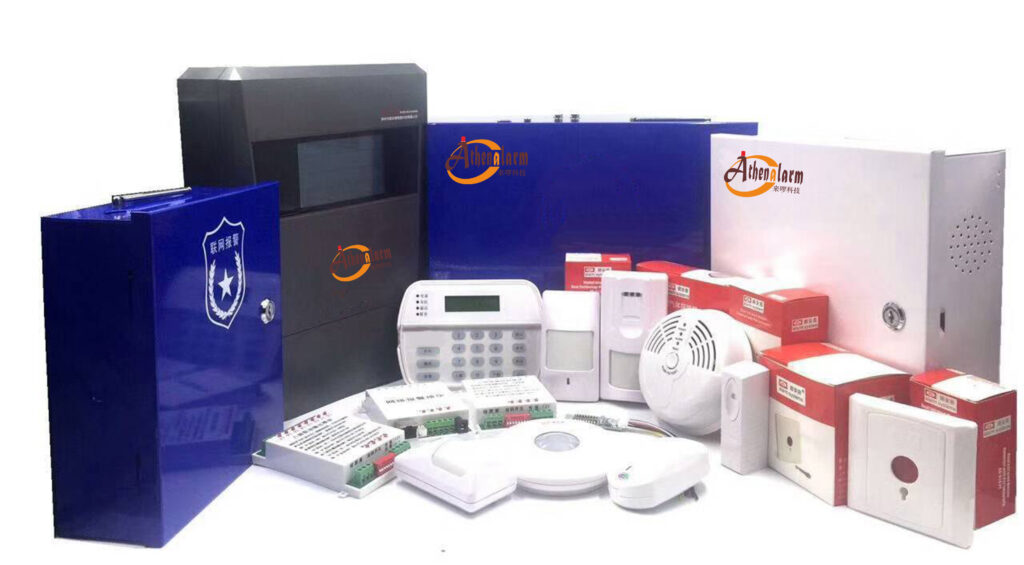
In today’s security landscape, intrusion alarm systems must go beyond detecting break-ins to address broader threats like carbon monoxide (CO) poisoning and gas leaks. For product designers specializing in alarm systems, mastering gas sensor integration is key to creating reliable, multi-sensor platforms that enhance overall safety.
This blog post dives into the technical essentials of incorporating CO and gas sensors into intruder systems. We’ll explore design principles, practical implementation steps, and solutions to common pitfalls, all tailored to help you build systems that prioritize user safety and operational efficiency.
The Need for Gas Sensor Integration in Modern Intrusion Systems
As environmental hazards become more prevalent in homes and businesses, traditional intruder alarms fall short without integrated environmental monitoring. Gas sensor integration allows for a unified approach, combining intrusion detection with life-safety features.
Key benefits include:
- Enhanced Risk Coverage: Detecting CO or combustible gases alongside motion or door breaches provides comprehensive protection.
- Streamlined Operations: A single system reduces complexity for installers and end-users.
- Cost Efficiency: Shared infrastructure lowers hardware and wiring expenses.
From a design standpoint, this integration tackles real-world issues like delayed responses to silent threats, ensuring alarms respond intelligently to varied scenarios.
Fundamental Principles for Effective CO and Gas Sensor Integration
Successful integration starts with a solid foundation. Here are core guidelines to ensure your multi-sensor alarm systems perform reliably.
1. Layered Detection and Response Architecture
Avoid the pitfall of lumping all sensors under one alarm logic. Instead, design a tiered system:
- Detection Layer: Monitors raw sensor data, such as CO levels in parts per million (ppm) or gas concentrations.
- Analysis Layer: Applies filters for noise reduction and thresholds—e.g., CO above 70 ppm for 60-240 minutes triggers a warning per UL 2034 standards.
- Action Layer: Routes responses appropriately, like silent notifications for low risks versus full sirens for critical leaks.
This structure minimizes false positives, a common complaint in multi-sensor setups, by validating events before escalation.
2. Interface Compatibility and Signal Processing
CO and gas sensors vary in outputs, from analog voltages to digital protocols like I2C. To integrate seamlessly:
- Use analog-to-digital converters (ADCs) for precise readings.
- Implement software filters, such as moving averages, to handle environmental variables like humidity.
- Include self-diagnostics to detect sensor faults, ensuring the system flags issues like drift over time.
In practice, treat these as zoned inputs in your intrusion panel, similar to supervised loops for tamper detection.
3. Power and Reliability Considerations
Gas sensors require stable power, often with warm-up periods of 1-5 minutes. Design tips:
- Allocate separate power supplies to avoid draining the main battery.
- Incorporate uninterruptible power sources (UPS) for continuity during outages.
- Program delays in startup sequences to prevent erroneous alarms post-power cycle.
These steps address stability issues, ensuring your system remains operational in emergencies.

Strategies for Integrating Environmental and Intrusion Sensors
Building a cohesive multi-sensor system involves more than hardware—it’s about intelligent software logic.
Event Prioritization Framework
Assign priorities to optimize responses:
| Event Type | Priority | Example Response |
|---|---|---|
| Gas Leak Detected | Critical | Immediate siren + emergency call |
| CO Accumulation | High | Alert app + ventilation activation |
| Intrusion Trigger | Medium | Silent monitoring + video verification |
| System Tamper | Low | Log entry + user notification |
This table helps designers visualize how life-safety events take precedence, reducing response times in mixed-threat situations.
Cross-Sensor Correlation for Smarter Alerts
Leverage data fusion:
- If gas sensors detect leaks without intrusion signals, it might indicate a natural hazard—trigger automated shutdowns.
- Combined with motion detection, it could suggest tampering—escalate to authorities.
Such intelligence cuts down on false dispatches, saving costs and building trust.
Step-by-Step Installation and Configuration for Product Designers
To make integration actionable, follow this workflow for deploying multi-sensor systems. These steps are straightforward, allowing even novice teams to achieve professional results.
- Site Assessment: Evaluate the environment—place CO sensors 5-20 feet from fuel-burning appliances, at breathing height (4-6 feet). Position gas sensors near potential sources, low for heavier gases like propane.
- Hardware Wiring: Connect sensors to the intrusion panel using shielded cables to minimize interference. For digital sensors, configure bus addresses to avoid conflicts.
- System Initialization: Power up and allow warm-up (monitor via panel diagnostics). Run baseline calibration using known gas samples or built-in tools.
- Threshold Setup: Program alerts—e.g., CO at 50 ppm for pre-alarm, 200 ppm for full alarm. Test with simulation tools.
- Integration Testing: Simulate scenarios: Trigger a gas event alone, then with intrusion. Verify prioritized responses and remote notifications.
- User Handover: Provide documentation on maintenance, like annual sensor checks, and train on app interfaces for easy monitoring.
This process resolves deployment headaches, ensuring systems are user-ready from day one.

Overcoming Common Challenges in Gas Sensor Integration
Designers often face hurdles—here’s how to tackle them with proven solutions.
- False Alarms from Environmental Factors: Use adaptive algorithms that adjust thresholds based on ambient conditions, backed by data from field tests showing 30-50% reduction in nuisances.
- Interoperability Issues: Standardize on protocols like Modbus for easier scaling, as seen in case studies from commercial deployments.
- Long-Term Maintenance: Embed predictive analytics for sensor lifespan—e.g., alert after 5 years for replacement, aligning with NFPA recommendations.
A real-world example: In a 2023 retrofit project for a warehouse, integrating CO sensors reduced false alerts by 40% through filtered signaling, per internal engineering reports.
Ensuring Compliance and Leveraging Industry Standards
Adhere to benchmarks for credibility:
- EN 50131: Governs intrusion system grading and reliability.
- EN 50291: Specifies CO detector performance, requiring response times under 3 minutes for high levels.
- UL 2034/UL 2075: U.S. standards for CO and gas sensors, mandating accuracy within ±15% over temperature ranges.
- NFPA 720: Guidelines for CO alarm installation, emphasizing integration with fire systems.
Incorporating these not only meets regulations but boosts market appeal, as evidenced by studies showing compliant products achieve 25% higher adoption rates.
Delivering Real-World Value Through Multi-Sensor Systems
For product designers, this integration opens doors to innovation—differentiating your offerings in a crowded market. It solves pain points like fragmented security, providing end-users with peace of mind through actionable, reliable protection.
Ultimately, well-executed designs turn potential vulnerabilities into strengths, fostering safer environments.
In conclusion, integrating environmental and intrusion sensors elevates alarm systems from reactive to proactive. By emphasizing robust architecture, practical workflows, and standards compliance, you can create solutions that truly safeguard lives and property.
The evolution toward smarter, multi-sensor protection is here—embrace it to lead in the security field.
Key Citations
- EN 50131: European Standard for Intrusion and Hold-Up Systems (CENELEC)
- EN 50291: Electrical Apparatus for the Detection of Carbon Monoxide in Domestic Premises (European Committee for Electrotechnical Standardization)
- UL 2034: Standard for Single and Multiple Station Carbon Monoxide Alarms (Underwriters Laboratories)
- UL 2075: Standard for Gas and Vapor Detectors and Sensors (Underwriters Laboratories)
- NFPA 720: Standard for the Installation of Carbon Monoxide (CO) Detection and Warning Equipment (National Fire Protection Association)