
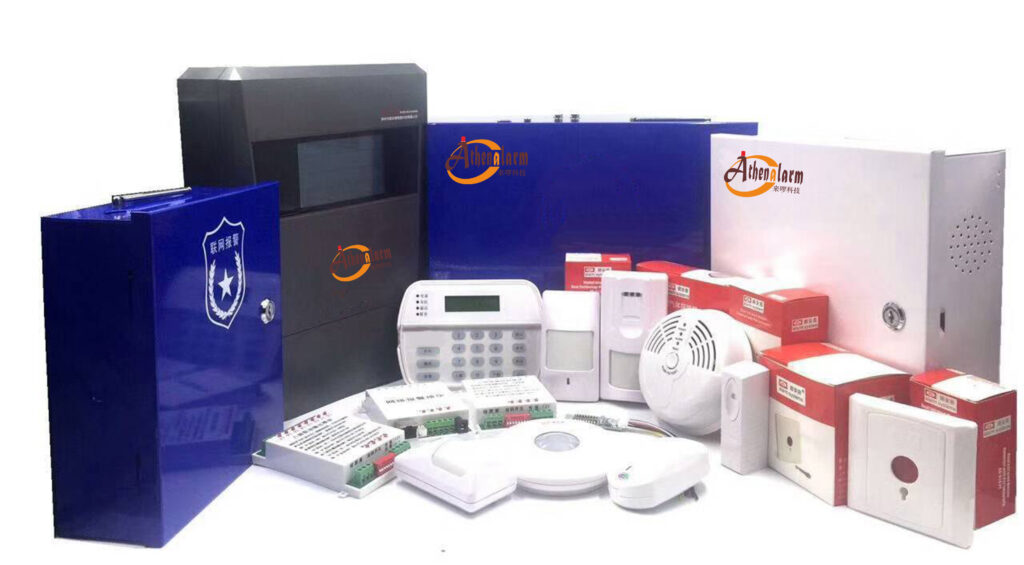
In the high-stakes world of burglar alarm systems—where every second counts and every false alarm chips away at credibility—understanding alarm zones is not a luxury. It is a fundamental skill that separates a basic alarm installation from a professionally engineered security system.
As someone who has spent more than two decades designing, commissioning, and auditing intrusion alarm systems for commercial facilities, logistics centers, retail chains, and high-value residences, I can say this with confidence: most alarm system failures are not caused by bad hardware, but by poor zone design and configuration.
This guide focuses on alarm zones explained, not as abstract theory, but as a practical, deployment-level framework. Whether you are a security integrator, a system designer, a procurement manager, or an end user responsible for alarm reliability, this article will help you transform your burglar alarm from a noisy liability into a precise, intelligent protection system.
Why Alarm Zones Matter in Modern Burglar Alarms
Imagine receiving an alarm signal that simply says: “Alarm triggered.”
No location. No context. No priority.
That is exactly what happens when alarm zones are poorly designed.
An alarm zone is the system’s way of answering three critical questions instantly:
- Where did the event occur?
- What type of event is it?
- How urgent is the response?
In modern burglar alarm systems, zones act as logical containers that group sensors based on risk, function, and response requirements. When zones are properly designed:
- Monitoring operators know exactly where to respond
- False alarms are isolated instead of cascading
- Users can arm, disarm, and bypass intelligently
- Law enforcement response becomes faster and more credible
From a commercial security standpoint, zoning directly affects:
- Police dispatch approval
- Insurance premiums
- Operational downtime
- Maintenance costs
In large-scale systems I’ve audited, correcting zone logic alone has reduced false alarm rates by 30–50% without replacing a single device.
What Exactly Are Alarm Zones in Burglar Alarm Systems?
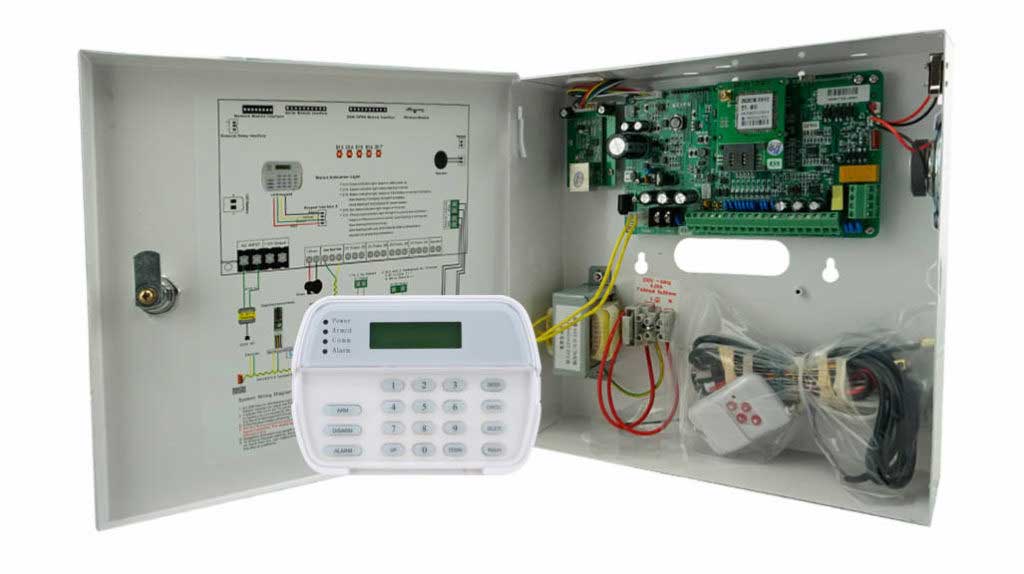
At a technical level, an alarm zone is a defined input channel on the control panel that monitors one or more detection devices and interprets their status.
Depending on the system architecture, zones can be:
- Hardwired (supervised loops)
- Wireless (encrypted RF or IP-based)
- Hybrid (wired + wireless combined)
Each zone is programmed with specific rules:
- What devices belong to it
- When it is active
- What response it triggers
- Whether delays apply
- How alarms are reported
Core Alarm Zone Categories (Explained Clearly)
1. Perimeter Zones
These protect all external entry points, including:
- Doors
- Windows
- Roll-up shutters
- Glass façades
Best practice:
Perimeter zones should usually be armed even when occupants are inside (Stay/Night mode).
Typical devices:
- Magnetic contacts
- Glass-break detectors
- Shock/vibration sensors
2. Interior (Volumetric) Zones
These detect movement inside the protected space.
Typical devices:
- PIR motion sensors
- Dual-technology detectors (PIR + microwave)
Key rule:
Interior zones should never be the first line of defense. They confirm intrusion after perimeter breach.
3. 24-Hour Zones
These zones are always active, regardless of system arming state.
Common uses:
- Panic buttons
- Tamper switches
- Equipment room protection
- Critical asset enclosures
If a 24-hour zone triggers, it must be treated as high priority.
4. Fire and Life Safety Zones
Although sometimes integrated into intrusion panels, these zones:
- Override all delays
- Trigger immediate alerts
- Follow different reporting paths
Smoke, heat, and CO detectors should always be isolated in their own zones.
5. Supervisory & System Health Zones
Often overlooked, these zones monitor:
- Power failures
- Battery conditions
- Communication loss
- Device tampering
Ignoring these zones leads to “silent failure” scenarios—one of the most dangerous conditions in security.
How Alarm Zones Improve Burglar Alarm Performance
Well-designed alarm zones improve performance in three measurable ways:
1. Faster, Smarter Response
Operators receive actionable information, not just alarms.
Example:
“Zone 12 – Rear Warehouse Door – Forced Entry”
is far more useful than
“Alarm Activated”
2. Reduced False Alarms
By isolating environmental risks into specific zones (HVAC areas, loading docks), nuisance alarms are contained without disabling protection elsewhere.
3. Easier Troubleshooting & Maintenance
When a problem occurs, technicians can identify:
- Which zone
- Which device
- Which condition without taking the entire system offline.
Step-by-Step: How to Plan and Configure Alarm Zones Correctly
Step 1: Perform a Zone-Oriented Risk Assessment
Instead of thinking in devices, think in zones:
- Entry risk zones
- Asset risk zones
- Occupancy zones
- Always-on zones
Walk the site and mark how an intruder would move, not how the building is constructed.
Step 2: Define Zone Logic Before Installation
Before wiring or enrolling sensors:
- Decide which zones are instant
- Which have entry delays
- Which are stay/away dependent
- Which require cross-zoning
This prevents reprogramming later.
Step 3: Install Devices with Zone Purpose in Mind
Avoid mixing:
- Doors and motions in the same zone
- Different risk levels in one zone
- Critical and non-critical devices together
One zone should have one job.
Step 4: Program Zones Methodically
When programming:
- Use consistent zone numbering
- Apply clear labels
- Assign correct zone types
- Enable supervision where available
Poor programming negates good hardware.
Step 5: Test Every Zone Individually
Never rely on system-wide tests.
For each zone:
- Trigger it physically
- Confirm panel display
- Confirm monitoring signal
- Confirm user notification
Document results.

Common Alarm Zone Mistakes (And How to Avoid Them)
❌ Overloading Zones
Too many devices per zone reduces clarity.
Fix:
Split zones by location and function.
❌ Ignoring Entry/Exit Logic
Incorrect delays cause user-triggered alarms.
Fix:
Apply delays only where human movement is expected.
❌ Poor Zone Labeling
“Zone 7” means nothing during a real incident.
Fix:
Use location-based, human-readable names.
❌ Mixing Security and Safety Zones
Fire and intrusion events must never compete.
Fix:
Always isolate life safety zones.

Advanced Alarm Zone Strategies for Professional Systems
- Cross-Zoning: Requires confirmation from two zones before alarm escalation.
- Partitioned Zoning: Ideal for multi-tenant or multi-department facilities.
- Event-Based Zoning: Different responses based on time schedules.
- Zone-to-Video Linking: Camera pop-up based on zone trigger.
These strategies dramatically reduce false dispatches while increasing actionable intelligence.
Real-World Applications of Proper Alarm Zoning
- Warehouses: Perimeter-first zoning prevents forklifts from triggering alarms.
- Retail Chains: Standardized zone templates simplify multi-site management.
- High-End Homes: Night zoning allows secure sleep without motion triggers.
- Data Centers: Layered zones enforce progressive security escalation.
Procurement & Compliance Considerations
When sourcing systems:
- Verify zone expandability
- Demand supervised inputs
- Confirm UL/EN compliance
- Ensure future firmware scalability
A control panel that limits zones limits your security.
Future Trends in Alarm Zone Design
- AI-driven zone sensitivity adjustment
- Video-verified zone alarms
- Edge processing inside detectors
- Behavioral analytics per zone
The future of burglar alarms is zone intelligence, not louder sirens.
Conclusion: Alarm Zones Are the Brain of Your Burglar Alarm System
Alarm zones are not just configuration parameters—they are the decision-making framework of your security system.
When zones are properly designed, programmed, and maintained:
- False alarms drop
- Response improves
- Systems scale effortlessly
- Security becomes predictable and reliable
If your burglar alarm feels unreliable, confusing, or noisy, the problem is almost always in the zones—not the sensors.