
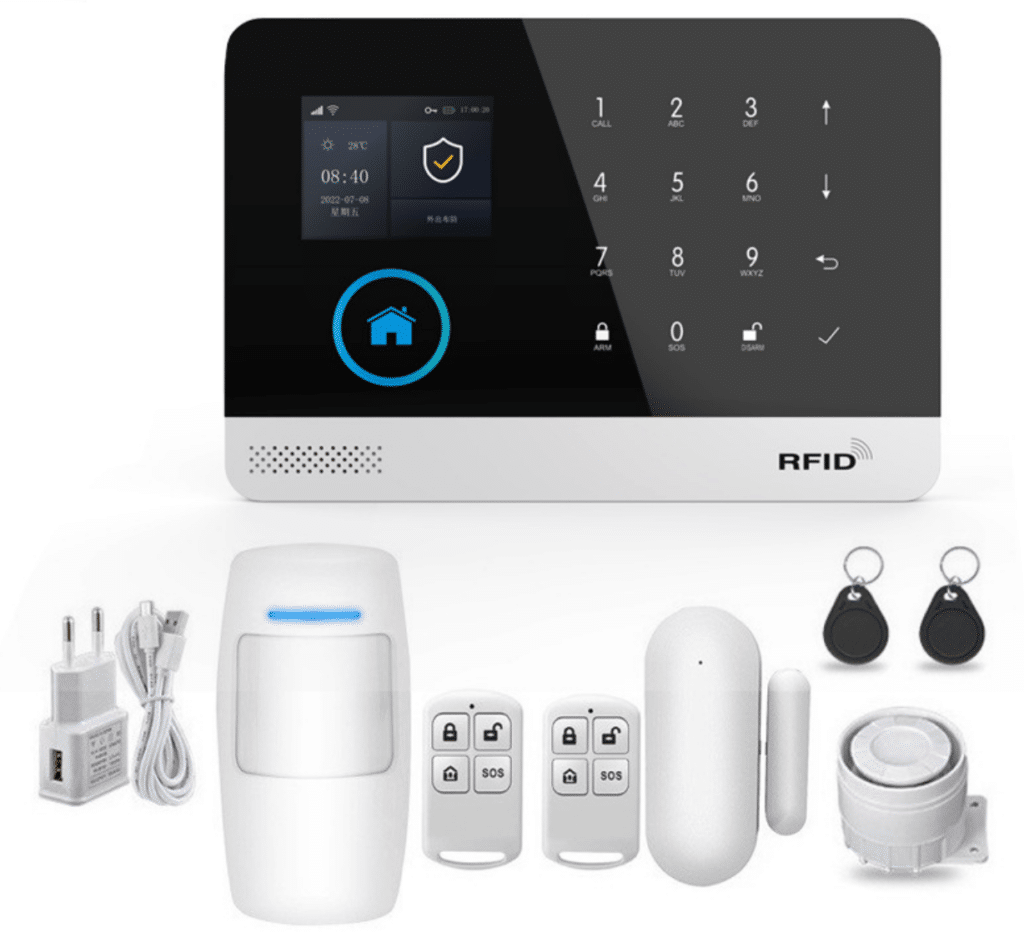
Introduction: Why the Home Alarm Monitoring Control Center Is the Real Brain of Modern Intrusion Protection
In the home security industry, sensors, cameras, and sirens often receive most of the attention. Yet in real-world intrusion prevention, none of those components matter without a home alarm monitoring control center capable of interpreting signals, validating threats, coordinating responses, and escalating actions in real time.
From my experience working with large-scale alarm manufacturers, monitoring service providers, and bulk security equipment buyers, one truth remains constant:
Most residential alarm failures do not originate at the sensor level—they originate inside poorly designed or poorly operated monitoring control centers.
This article is written specifically for professional buyers, system integrators, alarm monitoring operators, and decision-makers who need a practical, battle-tested guide—not marketing fluff—to understand:
- What a modern home alarm monitoring control center really is
- How it should be architected from signal intake to response execution
- How to operate it efficiently at scale
- How to eliminate false alarms without weakening protection
- How to design monitoring workflows that actually stop intrusions
This is not theory. It is operational reality.
1. What Is a Home Alarm Monitoring Control Center — In Practical Terms
A home alarm monitoring control center is not merely a room with screens and operators. Functionally, it is a real-time decision engine that connects residential alarm systems to human or automated response mechanisms.
At a professional level, a monitoring control center performs five critical functions:
- Signal Reception
Receives intrusion, tamper, panic, and system health signals from home alarm panels. - Signal Normalization
Converts raw signals from different protocols (IP, cellular, PSTN) into a unified operational format. - Event Verification
Applies logic, automation, or human verification to distinguish real threats from nuisance alarms. - Response Orchestration
Triggers predefined actions: voice warnings, homeowner notifications, guard dispatch, or law enforcement escalation. - Audit & Compliance Logging
Records every event for legal, operational, and performance analysis.
A monitoring control center that fails at any one of these stages introduces delay, confusion, or liability.
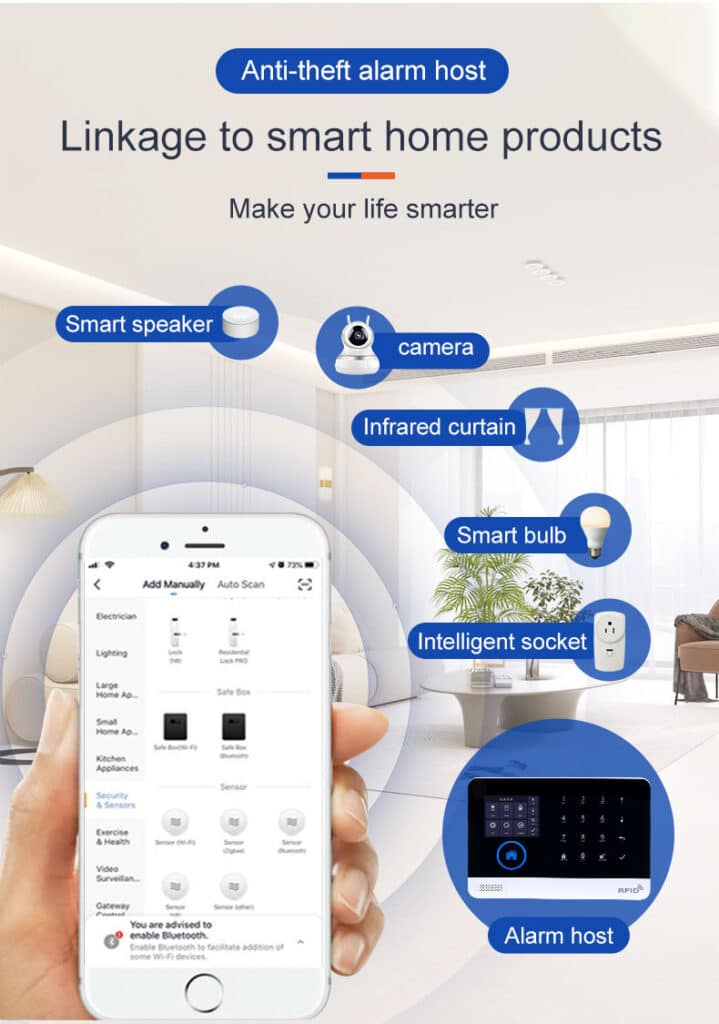
To make this clearer for those building or upgrading a center, consider that the control center also integrates with broader ecosystems like smart home devices (e.g., thermostats or lights that can activate during an event) and external services such as weather APIs for context-aware alerts. This ensures the center isn’t isolated but part of a holistic security network, helping operators make informed decisions faster.
2. Why Traditional Monitoring Centers Fail in Real Intrusion Scenarios
Many residential monitoring centers still operate on outdated assumptions that no longer match modern intrusion behavior.
Common structural failures I see repeatedly:
- Single-signal dependency (no cross-verification)
- Overreliance on human operators
- No prioritization logic for high-risk events
- Slow escalation chains
- No real-time deterrence mechanisms
Burglars today understand alarm response timelines. If a control center cannot verify and react within seconds, the system becomes a noise generator—not a security solution.
Adding to these failures, many traditional setups lack scalability for peak times, such as holidays when burglary rates spike, leading to overwhelmed operators and missed alerts. Another frequent issue is inadequate integration with video feeds, where delays in pulling up camera views can turn a potential quick resolution into a full-blown intrusion. To avoid this, modern designs incorporate automated video pop-ups tied to specific zones, reducing operator search time.
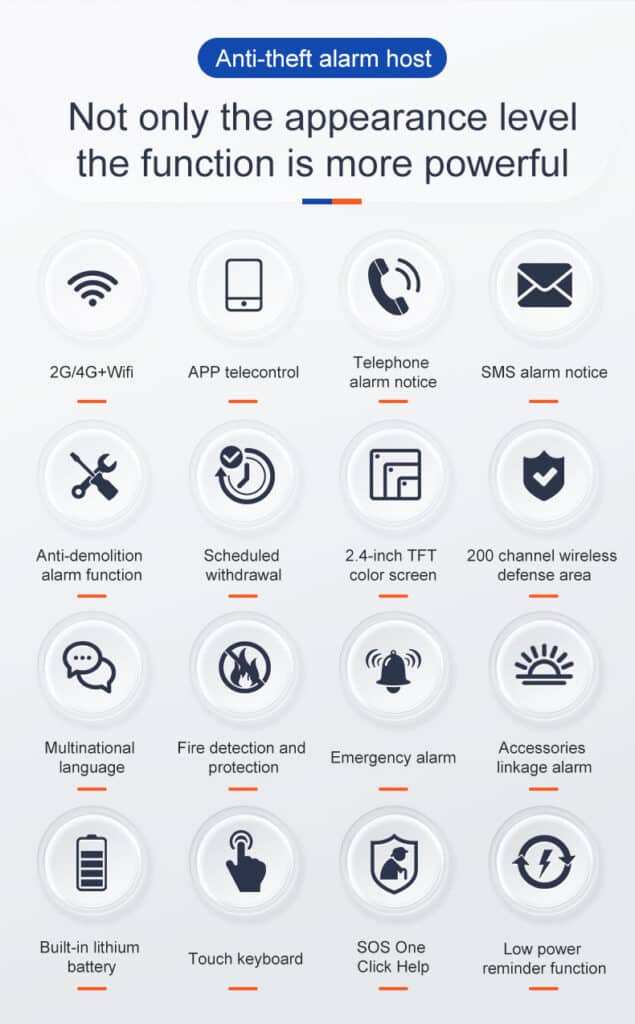
3. Core Architecture of a Modern Home Alarm Monitoring Control Center
A professionally designed control center follows a layered architecture, not a flat one.
Layer 1: Signal Intake Infrastructure
This layer determines speed and reliability.
Best-practice components include:
- Dual-path communication (IP + LTE/5G)
- Redundant receiver servers in geographically separate data centers
- Encrypted signal transport (TLS or proprietary secure tunnels)
- Automatic heartbeat monitoring from panels
Operational rule:
If a signal cannot reach your control center under adverse conditions, the rest of the system is irrelevant.
To optimize this layer, incorporate load-balancing software that automatically routes signals to the least burdened server. For setup, follow these steps: 1) Assess your expected signal volume based on subscriber numbers; 2) Install primary and backup receivers with failover testing; 3) Configure encryption keys and test under simulated network failures; 4) Schedule monthly audits to check heartbeat logs for any missed pings, which could indicate panel issues.
Layer 2: Event Classification Engine
Once signals arrive, they must be classified instantly.
Professional control centers use rule-based and context-based logic, including:
- Zone type (perimeter vs interior)
- Time of day
- Armed mode
- User behavior history
- Multi-zone activation patterns
This is where false alarms are either eliminated—or multiplied.
Enhance this with machine learning models that learn from historical data, flagging anomalies like unusual entry times. A common error here is overly rigid rules that ignore seasonal changes (e.g., more window openings in summer), so regularly review and adjust rules based on analytics reports to maintain accuracy.
Layer 3: Verification & Validation Workflow
Verification is the most misunderstood stage in residential monitoring.
Effective verification methods include:
- Sequential zone analysis
- Video snapshot confirmation
- Audio challenge / voice intervention
- User app confirmation
- AI-assisted anomaly detection (when properly implemented)
Critical principle:
Verification must reduce response time, not delay it.
To implement effectively, start by mapping verification paths: For a motion sensor trigger, automatically pull a 10-second video clip; if unclear, prompt the homeowner via app for a “confirm/cancel” response within 15 seconds. Key pitfall: Over-relying on AI without human oversight, which can misinterpret shadows as threats—always have a fallback to operator review for high-risk zones like bedrooms.
Layer 4: Response Execution Layer
A professional home alarm monitoring control center does not “decide” responses ad hoc.
It executes predefined response playbooks.
Examples include:
- Immediate voice deterrence
- Simultaneous homeowner + operator alert
- Tiered escalation to private response teams
- Law enforcement notification only after validation
Speed, clarity, and consistency matter more than complexity.
For operation, create playbooks with branching logic: If verification confirms an intrusion at night, step 1: Activate siren and lights; step 2: Send app push and call homeowner; step 3: If no response in 20 seconds, dispatch guards; step 4: Log all actions with timestamps. Test these quarterly in drills to identify bottlenecks, like slow app notifications due to poor cellular coverage.
Layer 5: Logging, Analytics & Continuous Optimization
Every event feeds operational intelligence:
- False alarm root cause analysis
- Operator performance metrics
- Response time benchmarking
- Customer behavior insights
This data directly impacts cost control and customer retention.
To leverage this, use dashboard tools for real-time metrics, such as average response time per operator. A practical optimization step: Analyze logs monthly to identify patterns (e.g., frequent false alarms from pets), then update user education materials or suggest sensor adjustments. Avoid the error of ignoring data privacy—ensure logs comply with GDPR or CCPA by anonymizing personal info where possible.
3.1 Additional Architectural Considerations: Physical Layout and Ergonomics
While the layers above focus on technical architecture, the physical design of the control center is equally vital for long-term efficiency. Adhere to standards like ISO 11064 for ergonomic setups, including adjustable desks, anti-glare lighting, and noise control to prevent operator fatigue during 24/7 shifts. Arrange workstations in a semi-circular layout for better collaboration, with video walls displaying key metrics. Common mistake: Cramped spaces leading to errors under stress—plan for at least 6-8 feet between stations and include break areas to maintain alertness.
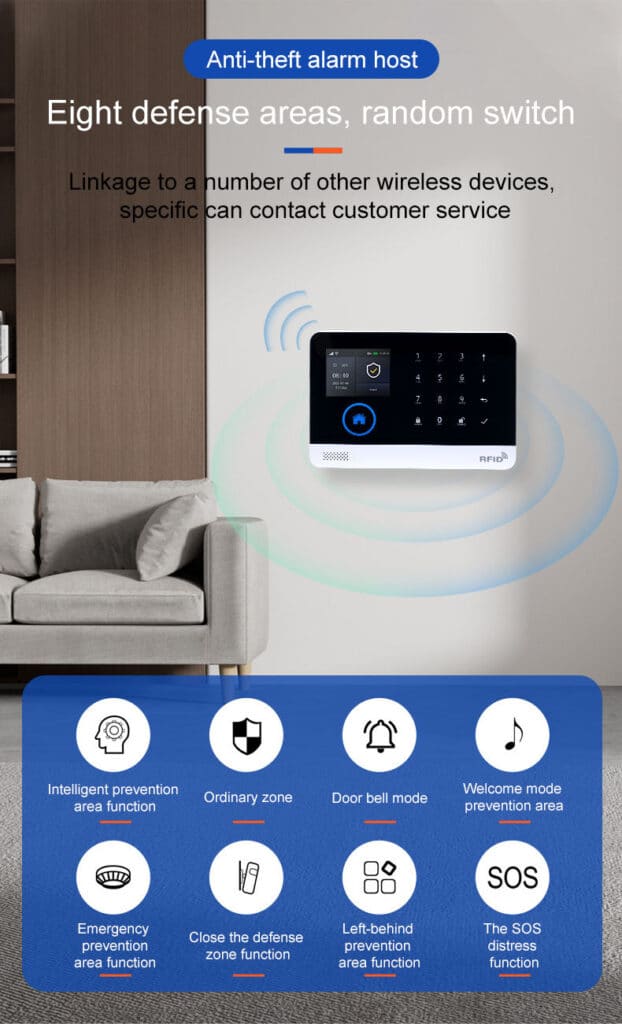
4. Step-by-Step: How a Home Alarm Monitoring Control Center Handles a Real Intrusion
Below is a realistic operational sequence, not an idealized flowchart.
Step 1: Intrusion Signal Triggered
- Door contact or motion sensor activated
- Signal transmitted via IP and cellular simultaneously
Step 2: Signal Received & Normalized
- Receiver validates device ID
- Signal mapped to account profile
- Armed status confirmed
Step 3: Contextual Risk Scoring
- Time: 02:14 AM
- Mode: Away
- Zone: Rear entry door
- Previous activity: None
→ High-confidence intrusion
Step 4: Automated Deterrence Initiated
- Pre-recorded or live voice warning issued
- Interior siren activated
Step 5: Human Operator Oversight
- Operator reviews event summary
- Confirms escalation path
- Contacts homeowner via secure app or call
Step 6: Escalation & Resolution
- Guard or police dispatched (if applicable)
- Event logged and closed
- Post-event report generated
Total elapsed time in a well-designed control center: 15–30 seconds
To make this more actionable, include contingency steps: If Step 2 fails due to signal loss, auto-trigger a system health check and notify technical support. For operators, train on quick-review tools like one-click video access to avoid delays— a frequent error in high-volume centers.
5. Staffing and Operational Design for Monitoring Centers
Technology alone does not run a control center.
Operator Roles That Actually Matter
- Tier-1 Signal Handlers – speed-focused, rule-driven
- Tier-2 Verification Specialists – judgment-oriented
- Supervisors – escalation authority & compliance
- Technical Support Analysts – system health & diagnostics
Training Focus Areas
- Intrusion behavior patterns
- Alarm panel logic
- Communication discipline
- Stress decision-making
Poor training creates liability faster than bad hardware.
Expand training with certified programs like those from The Monitoring Association (TMA), including Level 1 for basics and Level 2 for advanced scenarios. Steps for implementation: 1) Assess staff skills via simulations; 2) Enroll in online modules covering alarm verification; 3) Conduct bi-annual refreshers with role-playing intrusions; 4) Track performance post-training to measure improvements. Emphasize empathy in homeowner communications to build trust and reduce churn.
5.1 Daily Operational Protocols and Shift Management
For smooth operations, establish shift handovers with checklists covering open events and system status. Use fatigue management by limiting shifts to 8-12 hours and rotating high-stress roles. A key error: Skipping post-shift debriefs, which can miss recurring issues like software glitches—always log them for analytics.
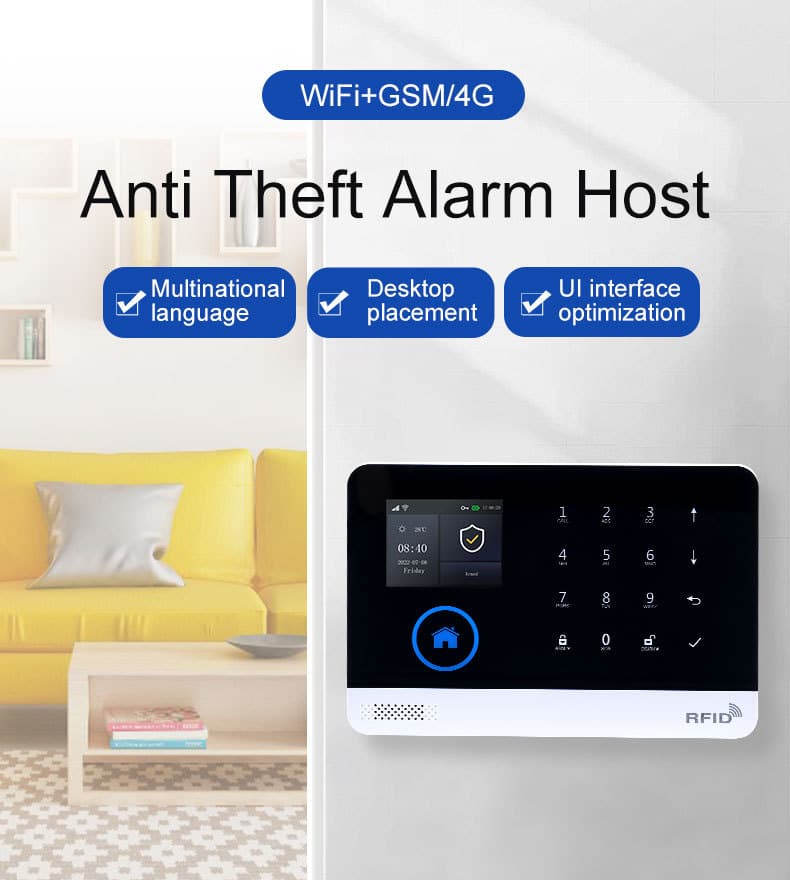
6. Eliminating False Alarms Without Weakening Security
False alarms are the economic killer of residential monitoring operations.
Root causes I see most often:
- Poor zone placement
- Generic alarm logic
- User behavior mismatch
- Over-sensitive motion detection
Control-Center-Level Solutions
- Adaptive alarm verification rules
- User-specific behavior profiles
- Graduated response logic
- Intelligent arming reminders
The goal is not fewer alarms—it is fewer unnecessary escalations.
To reduce false alarms practically, integrate pet-immune sensors and educate users on placement (e.g., avoid near vents). Steps: 1) Review alarm history for patterns; 2) Adjust sensor sensitivity via remote config; 3) Implement dual-verification (e.g., motion + glass break); 4) Send automated tips to homeowners, like securing loose items. Video verification cuts false dispatches by up to 90%, but ensure cameras are positioned for clear views—avoid backlighting errors.
7. Compliance, Liability, and Trust in Alarm Monitoring Operations
A professional home alarm monitoring control center must withstand:
- Legal scrutiny
- Insurance audits
- Law enforcement cooperation
Critical compliance areas:
- Event timestamp accuracy
- Call recording integrity
- Data retention policies
- Operator action logs
Trust is not a marketing claim—it is operational discipline.
Pursue UL 827 certification for central stations, which requires annual audits and redundancy proofs. Steps for compliance: 1) Document all policies in a manual; 2) Use tamper-proof logging software; 3) Train on legal requirements like NFPA 72 for fire integration; 4) Conduct mock audits quarterly. A major pitfall: Inconsistent timestamps from unsynced clocks—use NTP servers to synchronize.
8. Why Bulk Buyers Should Evaluate Monitoring Capability First
From a procurement perspective, hardware specifications mean little if the monitoring backbone is weak.
Questions professional buyers should ask suppliers:
- Where is your monitoring infrastructure hosted?
- How is redundancy implemented?
- What is your average verified response time?
- How do you handle false alarm reduction?
- Can your control center scale without degradation?
The home alarm monitoring control center is the long-term cost driver—not the panel.
As a marketing angle, highlight how robust centers lower insurance premiums for end-users, making your offerings more attractive. Include ROI calculations: A center with 95% false alarm reduction can save thousands in fines annually.
9. The Future Direction of Home Alarm Monitoring Control Centers
The industry is moving toward:
- Hybrid human + automation models
- Real-time voice deterrence
- Behavioral analytics
- Privacy-conscious verification
What will not change is this fact:
Intrusion protection is decided inside the monitoring control center—not at the sensor.
Looking ahead, expect AI-driven predictive alerts (e.g., flagging unusual patterns before triggers) and cloud-based scalability for easier upgrades. Integrate water/freeze sensors for comprehensive protection. Privacy trends demand end-to-end encryption and user consent for data use—plan for this to avoid regulatory issues.
Conclusion: Why the Control Center Determines Whether an Alarm System Actually Protects Homes
After decades in the intrusion alarm industry, I can state this clearly:
A home alarm system without a professionally designed and operated home alarm monitoring control center is not a security solution—it is a notification device.
For manufacturers, integrators, and large-scale buyers, investing in control center capability is not optional. It is the difference between deterrence and damage, between customer trust and churn, and between operational excellence and long-term liability.
If your organization is evaluating, building, or upgrading a home alarm monitoring control center, the decisions you make here will define the real-world effectiveness of every alarm system you deploy.