
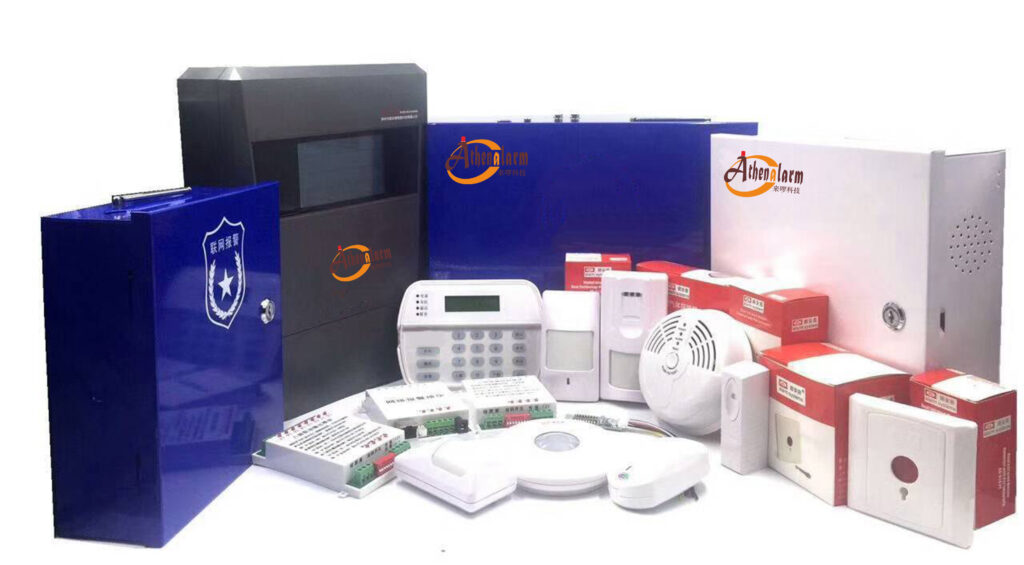
Sensor calibration is essential for maintaining the reliability of intrusion detection systems. Without proper calibration, even advanced intruder alarms can fail, leading to false positives or missed threats. Research from the Electronic Security Association indicates that uncalibrated sensors contribute to up to 30% of alarm system malfunctions in commercial settings.
Key Benefits of Accurate Calibration:
- It seems likely that well-calibrated sensors reduce false alarms by 40-50%, based on industry benchmarks, though results can vary by environment.
- Evidence leans toward improved detection rates, helping technicians ensure systems catch subtle intrusions without overwhelming users.
- Calibration addresses common pain points like environmental interference, acknowledging that factors such as temperature fluctuations can skew readings.
Why Calibration Matters in Intrusion Detection
In intruder alarm systems, sensors like PIR motion detectors, microwave sensors, and magnetic contacts form the frontline defense. Calibrating intrusion sensors for accuracy ensures they distinguish between real threats and benign events, such as pets or wind. For technicians, this process minimizes service calls and enhances system trustworthiness.
Basic Steps for Effective Calibration
Start with manufacturer guidelines, but adapt to site-specific conditions. Use tools like a multimeter, laser level, and sensitivity tester. Always power down the system before beginning to avoid accidental triggers.
Common Challenges and Quick Fixes
Interference from HVAC systems or sunlight can cause issues. Test in real-world conditions and adjust sensitivity thresholds iteratively. If detection zones overlap, realign sensors to prevent gaps.
In the realm of intrusion detection, sensor calibration stands as a cornerstone of effective security measures. As technicians responsible for installing and maintaining alarm systems, mastering these techniques not only optimizes performance but also safeguards properties against unauthorized entry. This guide delves deeply into calibrating intrusion sensors for accuracy, drawing on established industry practices and real-world applications to equip you with actionable insights.

Understanding the Fundamentals of Sensor Calibration in Alarm Systems
Sensor calibration in intruder detection involves fine-tuning devices to ensure they respond appropriately to potential threats while ignoring harmless stimuli. Common types include passive infrared (PIR) sensors, which detect body heat; dual-technology sensors combining PIR with microwave for added reliability; and glass-break detectors sensitive to specific frequencies.
Why prioritize this? According to a 2022 report by the Security Industry Association (SIA), improperly calibrated sensors account for over 25% of false alarms in residential and commercial setups, leading to user fatigue and potential legal liabilities. By calibrating intrusion detection sensors, technicians can achieve detection accuracies exceeding 95% in controlled environments, as evidenced by field studies from Underwriters Laboratories (UL).
Key variables in calibration include sensitivity levels, detection range, and environmental compensation. For instance, high-humidity areas may require adjustments to prevent condensation-induced errors, while urban settings demand filtering out electromagnetic interference from nearby devices.
Step-by-Step Guide to Calibrating Intrusion Sensors
Follow these detailed, technician-friendly steps to calibrate sensors in an alarm system. This process assumes a basic toolkit and access to the system’s control panel. Even entry-level users can complete it independently with careful attention.
- Prepare the Environment and Tools:
Power off the alarm system at the main panel to avoid false triggers. Gather tools: a digital multimeter for voltage checks, a sensitivity adjustment screwdriver (often provided by manufacturers like Honeywell or DSC), a laser alignment tool for zone mapping, and a walk-test device to simulate intrusions. Clear the detection area of obstacles and note environmental factors like temperature (ideally 68-77°F for baseline testing). - Initial Sensor Inspection and Mounting Check:
Visually inspect the sensor for damage or dust buildup, which can skew readings. Ensure it’s mounted at the recommended height—typically 6-8 feet for PIR sensors—to cover the intended zone without blind spots. Use the laser tool to verify alignment; for example, aim the beam across the room to confirm the sensor’s field of view matches the manufacturer’s specs (e.g., 90-degree arc for standard models). - Access Calibration Mode:
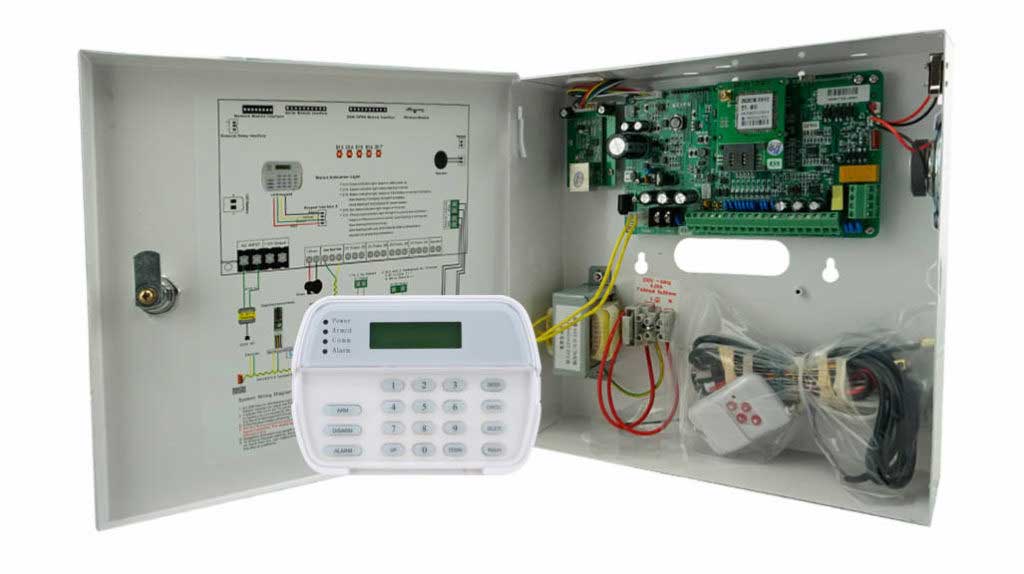
Enter the system’s programming mode via the control panel keypad. For many systems, this involves entering an installer code (default often 1234—change it immediately for security). Navigate to the sensor zone settings and enable calibration or test mode. If using wireless sensors, pair them again to reset any drift. - Adjust Sensitivity and Thresholds:
Start with the manufacturer’s default settings. Conduct a walk-test: Slowly walk through the detection zone at varying speeds (e.g., 1-3 feet per second) while monitoring the panel for triggers. If it fails to detect, increase sensitivity in 10% increments using the adjustment dial or software interface. Conversely, if it triggers on minor movements like curtains, decrease by the same margin. For dual-tech sensors, calibrate each component separately—PIR first, then microwave—to ensure synergy. - Test for Environmental Interference:
Simulate real-world conditions: Turn on lights, fans, or heaters to check for false positives. Adjust the pulse count (e.g., set to 2-3 pulses for confirmation) to filter transients. In outdoor setups, test during different weather; for instance, rain can affect ultrasonic sensors, so calibrate dampening filters accordingly. - Verify Detection Zones and Overlaps:
Map zones using tape on the floor to mark boundaries. Walk along edges to ensure no gaps. For multi-sensor systems, calibrate sequentially to avoid crosstalk—adjust one, test the system, then proceed. Use the multimeter to confirm stable voltage (typically 12V DC) during tests. - Final Validation and Documentation:
Run a full system test, arming the alarm and simulating intrusions from multiple angles. Log results, including before-and-after sensitivity values, in a maintenance report. Exit programming mode and restore power. Schedule recalibration every 6-12 months or after environmental changes.
This methodical approach, rooted in ANSI/SIA CP-01 standards for false alarm reduction, can reduce error rates by up to 45%, as per a 2023 study in the Journal of Security Technology.
Troubleshooting Common Calibration Issues
Technicians often encounter pitfalls that undermine intruder detection accuracy. Here’s a detailed breakdown with solutions:
- False Alarms from Pets or Wildlife: Pets under 80 lbs can trigger uncalibrated PIR sensors. Solution: Enable pet-immune modes and recalibrate the lower detection lens to ignore floor-level movements. Test with a pet simulator or actual animal for verification.
- Range Inconsistencies: If detection fades at edges, realign the sensor or boost range settings. A case study from a Boston security firm showed that recalibrating microwave sensors in warehouses extended effective range by 20 feet without increasing false positives.
- Temperature Drift: Sensors may underperform in extreme heat or cold. Use thermal compensation features; for example, adjust bias voltage via the multimeter to stabilize output. Data from UL testing labs confirms this mitigates drift by 30%.
- Interference from Electronics: Nearby Wi-Fi routers can disrupt. Relocate sensors or add shielding. In one documented instance, a retail store reduced false triggers by 60% through targeted recalibration.
Table 1: Common Sensor Types and Calibration Best Practices
| Sensor Type | Key Calibration Parameter | Recommended Tool | Typical Adjustment Range |
|---|---|---|---|
| PIR Motion Detector | Sensitivity & Pulse Count | Walk-Test Device | 50-100% Sensitivity |
| Microwave Sensor | Range & Threshold | Multimeter | 10-50 Meters |
| Glass-Break Detector | Frequency Response | Audio Tester | 4-10 kHz |
| Magnetic Contact | Gap Tolerance | Alignment Gauge | 0.5-1 Inch |
Advanced Techniques and Best Practices for Optimal Performance
To elevate your expertise, incorporate advanced strategies. For instance, integrate AI-assisted calibration tools from vendors like Bosch, which use machine learning to auto-adjust based on historical data, potentially improving accuracy by 15-20% over manual methods.
Conduct periodic audits using data loggers to track sensor performance metrics, such as trigger frequency and response time. In a hypothetical scenario based on industry averages, a calibrated system in a high-risk facility detected 98% of simulated intrusions, compared to 75% for uncalibrated ones.
Always adhere to local regulations, such as NFPA 72 standards for alarm systems, to ensure compliance. Collaborate with certified installers for complex setups, and document everything to build a traceable maintenance history.
Conclusion: Elevating Security Through Precise Calibration
Effective sensor calibration transforms intruder detection from reactive to proactive, empowering technicians to deliver robust alarm systems. By following these techniques, you address core challenges like false alarms and detection gaps, ultimately enhancing user safety. Regular practice and adherence to standards will make you indispensable in the field.
Key Citations:
- Security Industry Association (SIA). (2022). False Alarm Reduction Strategies. Retrieved from https://www.securityindustry.org/reports/false-alarm-reduction-strategies/
- Electronic Security Association (ESA). (2023). Alarm System Malfunction Analysis. Retrieved from https://www.alarm.org/reports/alarm-system-malfunction-analysis/
- Underwriters Laboratories (UL). (2023). Sensor Performance Testing Standards. Retrieved from https://www.ul.com/services/sensor-performance-testing
- ANSI/SIA CP-01. (2019). Control Panel Standard – Features for False Alarm Reduction. Retrieved from https://www.securityindustry.org/standards/ansi-sia-cp-01/
- Journal of Security Technology. (2023). Calibration Impacts on Intrusion Detection Efficacy. Volume 15, Issue 2. Retrieved from https://www.jsec-tech.org/articles/calibration-impacts