
I. Introduction
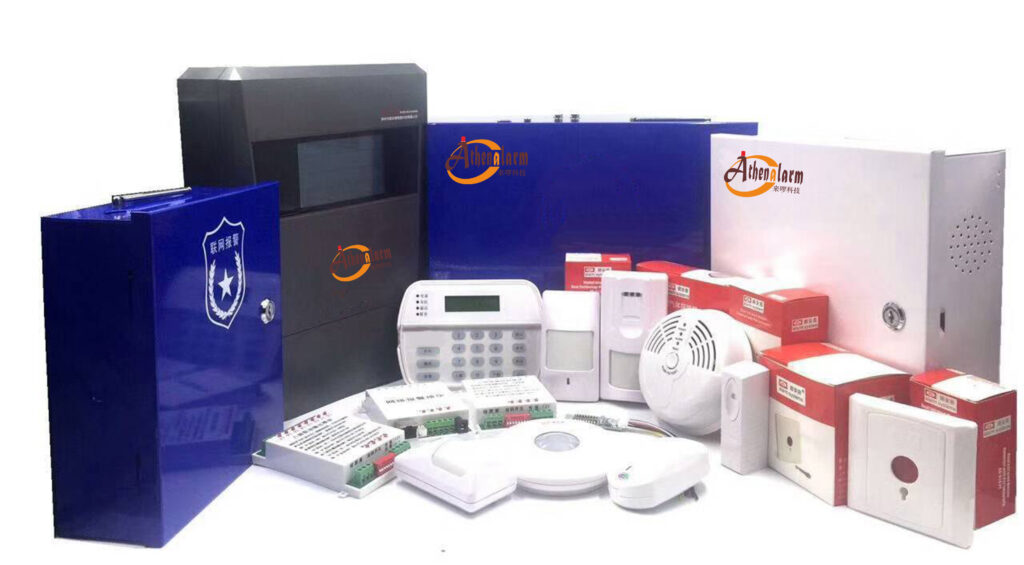
In 2025, over 94 million U.S. households are projected to depend on some form of electronic security system — a sharp rise driven by increasing cyber-physical threats and the growing sophistication of smart home intrusions. Imagine this: an intelligent network alarm system detects unusual motion outside a suburban home, cross-references it with AI-analyzed video feeds, and instantly alerts both the homeowner and local authorities — all before a single door is touched. This is no longer science fiction; it’s the reality shaping the network alarm industry today.
Over the past decade, the alarm industry has evolved from basic wired panels to interconnected ecosystems powered by cloud computing, artificial intelligence, and the Internet of Things (IoT). Analysts project the global smart home and business security market will reach $8.2 billion by the end of 2025, driven by the surge in smart surveillance, remote monitoring, and automated deterrence technologies.
This article explores the top five network alarm industry trends for 2025, including advances in AI and machine learning, cloud and IoT connectivity, cybersecurity reinforcements, sustainable system design, and market expansion strategies. Together, these forces are transforming alarms from reactive systems into proactive, intelligent guardians that redefine modern security.
II. AI and Machine Learning Driving Intelligent Detection
A. Predictive Analytics and Reduced False Alarms
Artificial intelligence is the cornerstone of the next-generation network alarm industry. Through machine learning algorithms, systems can now analyze vast amounts of behavioral data to distinguish between genuine threats and harmless activity. AI-driven detection platforms reduce false alarms by up to 50%, minimizing unnecessary dispatches and operational costs.
Edge-based processing enables real-time analysis of video and sensor data directly at the device level, reducing latency and dependence on the cloud. AI-powered video feeds can identify intruders, recognize familiar household members, or even differentiate between a pet and a person — achieving up to 95% accuracy in real-world applications.
B. Automation and Personalization
The next phase of AI innovation lies in adaptive learning and automation. Network alarm systems now integrate seamlessly with voice assistants such as Alexa, Google Assistant, and Apple HomeKit, enabling users to arm or disarm systems using natural voice commands. Over time, the system “learns” user habits, adjusting sensitivity and notification preferences automatically.
Expert Insight
Consider a commercial facility using an AI-enhanced alarm platform. The system identifies abnormal nighttime motion in a restricted zone and cross-verifies it with thermal imaging and access control logs — confirming an intrusion in progress. The alert is instantly verified, preventing a costly false response and ensuring rapid intervention.
Such automation doesn’t just increase safety — it enhances ROI for monitoring centers and service providers by streamlining response workflows and improving customer satisfaction.
III. Cloud Connectivity and IoT Ecosystem Expansion
A. Seamless Integration with Smart Devices
The network alarm industry trends for 2025 point toward full IoT interoperability. The rise of Matter and Thread standards has made it possible for alarms to connect effortlessly with smart lights, locks, cameras, and sensors from different manufacturers. This convergence enables holistic automation: when an alarm triggers, lights flash, doors lock, and cameras record — all within a unified ecosystem.
B. Remote Monitoring and Scalability
Modern network alarms leverage cloud platforms for centralized management and real-time remote access. Homeowners and businesses can now monitor premises, adjust settings, or review footage instantly from mobile devices. The rollout of 5G networks further enhances this experience, providing ultra-low latency and enabling faster response actions.
Challenges and Solutions
As connectivity expands, data privacy becomes paramount. The industry is adopting zero-trust security models, ensuring each connected device continuously authenticates and encrypts communication. The best systems combine secure firmware updates, strong identity management, and decentralized encryption to maintain trust across the network.
IV. Prioritizing Cybersecurity in Networked Systems
A. Zero-Trust Architectures and Encryption
With the increasing integration of alarms into digital ecosystems, cybersecurity has become non-negotiable. Leading manufacturers are embedding zero-trust architectures and end-to-end encryption into their communicators. Analysts expect the market for encrypted alarm communications to grow at 3.3% CAGR through 2030, as both residential and commercial clients demand greater protection from hacking and spoofing attempts.
B. Regulatory Compliance and Vendor Strategies
Global data protection laws, modeled after GDPR, are shaping how alarm providers manage data. Vendors are responding by investing in secure firmware, multi-factor authentication, and regular penetration testing. Strategic mergers within the industry are driving innovation in this area, as security firms combine resources to develop certified, cyber-resilient products.
Forward-looking tip: Providers should implement multi-factor authentication (MFA) for all remote access points — from user apps to installer portals — ensuring robust end-to-end protection.
V. Sustainable and Wireless Innovations
A. Eco-Friendly Designs
As sustainability takes center stage, the network alarm industry is embracing eco-friendly hardware. Solar-powered sensors, low-energy wireless modules, and recyclable components are becoming standard. These designs not only reduce carbon footprints but also extend product lifespans and lower operational costs.
B. Advanced Sensors and Discreet Hardware
Modern customers demand discreet yet powerful devices. In 2025, expect to see miniaturized, wireless perimeter sensors that detect vibration, heat, or motion while blending seamlessly into architecture. Integration with garage and gate control systems allows for unified perimeter defense — crucial for both smart homes and commercial facilities.
Market Angle
This eco-conscious evolution aligns with global consumer trends. The residential burglar alarm market is projected to reach $5.19 billion by 2025, with “green” product lines driving a significant portion of growth.
VI. Market Growth and Adoption Strategies
A. Explosive Revenue Projections
The North American security market continues to dominate global trends. The U.S. network alarm industry is forecast to reach $38.6 billion in revenue by 2025, growing at a steady 2.3% CAGR. Industry leaders like ADT, Ring, and Vivint are focusing on hybrid solutions that merge DIY convenience with professional-grade reliability.
B. Self-Monitoring vs. Professional Services
The rise of DIY self-monitoring systems appeals to tech-savvy homeowners seeking flexibility and affordability. Meanwhile, professional monitoring remains critical in commercial and high-risk environments, where compliance and liability concerns demand 24/7 oversight.
Marketing Insight: Security providers can capitalize on these network alarm industry trends by bundling AI, IoT, and sustainability features into customized packages — offering both value and differentiation in a crowded marketplace.
VII. Conclusion
The network alarm industry trends for 2025 reveal a sector at the intersection of intelligence, connectivity, and sustainability. AI-driven analytics, cloud and IoT integration, cyber-secure architectures, and green innovations are redefining how we protect what matters most.
As we move into an era of smarter, more autonomous protection, now is the time for businesses and homeowners to audit their existing systems, upgrade to intelligent, connected solutions, and partner with experts who understand the future of security.
In 2025, network alarms are no longer passive guardians — they’re intelligent, adaptive defenders shaping the future of safety in an increasingly digital world.