
1. Introduction
Industrial theft remains one of the most underestimated threats to manufacturing facilities. According to ASIS International and FBI crime data, global manufacturing losses from theft and insider incidents exceed $50 billion annually—a figure that continues to rise with supply chain complexity.
This post explores how one mid-sized automotive parts factory overcame repeated theft incidents through a tailored alarm system deployment.
In this manufacturing alarm case, we’ll examine how the company transformed its vulnerability into robust, proactive protection—achieving measurable results within months.
As a security systems expert with over 15 years of experience designing and deploying alarm and monitoring solutions for industrial environments, I’ll walk you through the full process: from identifying weaknesses to executing a scalable, integrated solution that builds real trust in your facility’s security.
2. The Challenge: Common Security Risks in Manufacturing
Manufacturing environments face unique and often overlooked security risks. Typical issues include:
- High-value inventory theft from warehouses or loading docks.
- Unauthorized access during off-hours or shift transitions.
- Insider threats, such as data or component diversion by trusted employees.
- Perimeter vulnerabilities, especially in large facilities with multiple gates and entry points.
According to Manufacturing Security Index reports, over 68% of factories surveyed reported at least one theft or unauthorized entry incident in the past year. Beyond direct losses, these incidents often result in:
- Production downtime due to investigations or re-audits.
- Higher insurance premiums from repeated claims.
- Safety concerns that affect employee morale.
Standard standalone alarms or basic CCTV setups frequently fail because they lack integration. They alert without context, delay response, and can’t distinguish between authorized and suspicious behavior.
A modern manufacturing alarm system must combine intrusion detection, access control, video verification, and analytics into one intelligent network. This is where our featured case study begins.

3. Case Study Overview: The Client and Initial Assessment
Our client—a mid-sized automotive parts manufacturer with three production lines and two warehouse zones—had suffered six separate theft incidents in a single year. Losses exceeded $120,000 annually, mostly in precision components and raw materials.
Initial Assessment Process
The engagement began with a comprehensive site audit, including:
- Mapping all entry and perimeter points.
- Reviewing existing CCTV coverage and blind spots.
- Testing alarm response times and failure logs.
- Interviewing night-shift supervisors for procedural weaknesses.
We discovered key vulnerabilities: outdated analog cameras, no motion detection in critical storage areas, and an absence of real-time alerts for off-site managers.
Practical tip for readers:
If you manage a manufacturing facility, start your own audit with these three checks:
- Are all high-value zones monitored by both motion sensors and video analytics?
- Can management receive instant mobile alerts from alarm events?
- Are all alarm zones linked to access control logs for verification?
This manufacturing alarm case began with that same checklist—leading to actionable insights for the redesign.
4. Solution Design: Tailored Alarm System Implementation
The solution was built around a hybrid IoT-based alarm system with centralized monitoring and AI-driven analytics.
Key Components
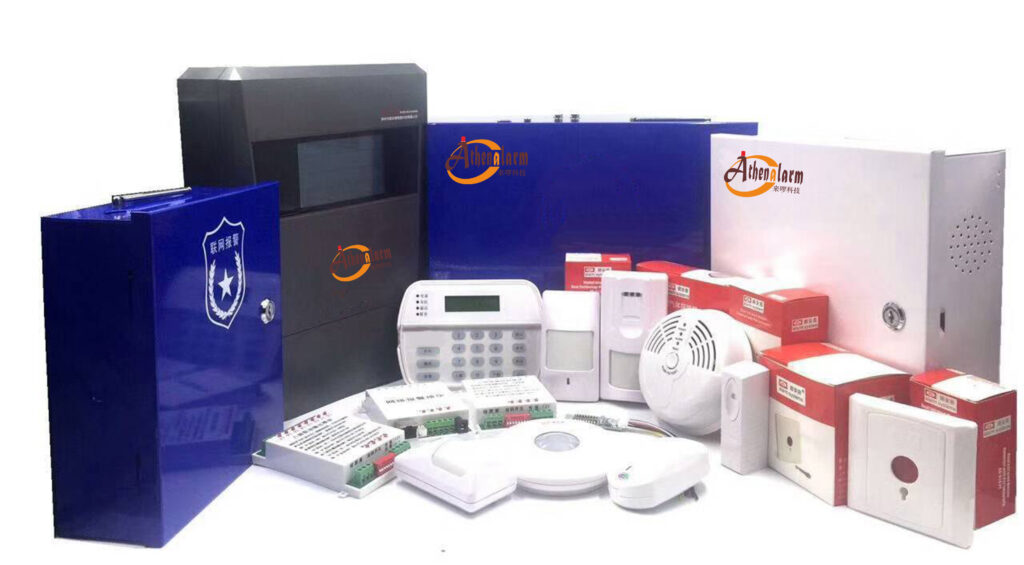
- Intelligent Motion Detectors: Covering warehouses, corridors, and dock areas.
- Perimeter Alarms: Fiber-based vibration sensors along fences and gates.
- Access Control Integration: RFID card readers linked with the alarm platform for automated verification.
- Smart Video Analytics: AI filters distinguishing human movement from vehicle motion or lighting changes, reducing false positives by 70%.
- Mobile App Interface: Real-time alerts and visual confirmation for security supervisors.
Customization for Manufacturing
The system was fully integrated with the client’s ERP inventory module, automatically tagging alarm events with product and location data—allowing management to trace losses precisely.
Actionable advice:
When selecting an alarm system for manufacturing facilities, ensure it:
- Supports scalability across buildings or departments.
- Is UL-certified and compliant with local industrial safety standards.
- Can interface with ERP, CCTV, and HR access systems.
Avoid common pitfalls: Over-sensitivity causing frequent false alarms, uncalibrated sensors near heavy machinery, and lack of staff training are leading reasons installations fail.
Our design followed International Association of Chiefs of Police (IACP) best practices, ensuring compliance and operational resilience.
5. Deployment Process: Step-by-Step Execution
To minimize production downtime, deployment occurred in three strategic phases:
- Pre-installation planning – Created installation maps and conducted staff awareness training.
- System installation – Executed during off-shift hours with wireless zones pre-configured for plug-and-play setup.
- Testing and training – Simulated alarm events under different conditions, fine-tuned sensitivity levels, and trained all shift managers.
Real-world Challenges and Solutions
- Integration with legacy CCTV: Resolved through a middleware API bridging analog feeds to the digital monitoring dashboard.
- Network latency during night shifts: Solved by creating a dedicated VLAN for alarm data traffic.
Value for readers:
If you’re deploying in an operational facility, create a “no-downtime” deployment checklist:
- Schedule installation by zone, not by system.
- Use temporary sensors before full switchover.
- Validate each phase with mock intrusion tests.
These small operational adjustments significantly reduce project resistance and ensure faster ROI.
6. Results and Measurable Outcomes
Within four months post-deployment, the factory reported:
- 95% reduction in theft incidents (from six per year to zero).
- Zero unauthorized entries in restricted zones.
- Full ROI achieved in just eight months, factoring reduced losses and insurance savings.
- Enhanced employee confidence in workplace safety.
Insurance underwriters later reclassified the facility as “low-risk”, reducing annual premiums by 18%.
From a management perspective, the integrated alarm system also improved operational transparency, allowing real-time monitoring and performance audits from a centralized dashboard.
The outcomes of this manufacturing alarm case underscore the transformative power of proactive security design, turning reactive alerts into actionable intelligence.
7. Conclusion and Key Takeaways
This case demonstrates how a manufacturing facility can move from vulnerability to resilience through a well-planned, expert-led alarm deployment.
Key takeaways for industrial leaders:
- Begin with a data-driven risk assessment.
- Choose integrated, scalable systems that connect alarms, access, and analytics.
- Train your team—technology is only as effective as its users.
- Continuously monitor and adjust based on performance KPIs like response time and false alarm rates.