

Introduction
A property manager receives a late-night call from the local police department: a burglary alarm has been triggered at one of their retail stores. When technicians review the incident, they discover that the alarm system’s configuration was updated during a service visit—but the monitoring center never received the revised zone list or contact hierarchy. As a result, operators could not verify the signal quickly, and the false dispatch resulted in unnecessary emergency response, fines, and frustrated stakeholders.
Scenarios like this underscore the critical importance of complete and accurate alarm monitoring center documentation. Thorough post-installation alarm documentation and properly structured paperwork for alarm system service calls ensure that monitoring centers receive the information needed to deliver timely, compliant, and accurate responses. For clients, precise documentation strengthens system reliability, supports procurement decisions, and minimizes operational risk.
This article provides a detailed guide for security technicians, product managers, and procurement leaders on the specific documentation required after installing or servicing an alarm system—helping organizations maintain compliance, improve response times, and enhance overall system performance.
Understanding the Role of Documentation in Alarm Monitoring
What Is Alarm Monitoring Center Documentation?
Alarm monitoring documentation encompasses all records that verify installation quality, system configuration, communication pathways, service history, and compliance with industry standards. This includes installation verification forms, service logs, account setup documents, testing records, and regulatory paperwork maintained by both the client and the central monitoring station.
Why Documentation Matters
Comprehensive documentation provides:
- Operational accuracy: Monitoring operators rely on up-to-date zone labels, user codes, and response instructions to avoid errors.
- Legal and regulatory protection: Proper documentation supports compliance with UL, NFPA, and local licensing requirements.
- Troubleshooting efficiency: Detailed service histories help technicians resolve faults quickly without repeat site visits.
- Integration reliability: When an alarm system interfaces with IP monitoring paths, cellular communicators, or automation systems, accurate documentation ensures signals are processed correctly.
Industry Standards Supporting Documentation
Several authoritative standards reinforce the importance of proper alarm documentation:
- UL 681, covering installation and classification of burglar and holdup alarm systems, requires clear installation records.
- NFPA 72, the National Fire Alarm and Signaling Code, mandates user documentation, testing logs, and inspection reports.
- CSAA (now TMA) guidelines emphasize accurate account data and documented verification procedures.
- ESA best-practice recommendations highlight documentation as a foundation for audit readiness and risk mitigation.
Referencing these standards in procurement and implementation phases increases system credibility and ensures consistent operational performance.

Documentation Required for the Client
1. Installation Completion Reports
Clients must receive a complete package summarizing system design, installation details, and operational readiness. Key components include:
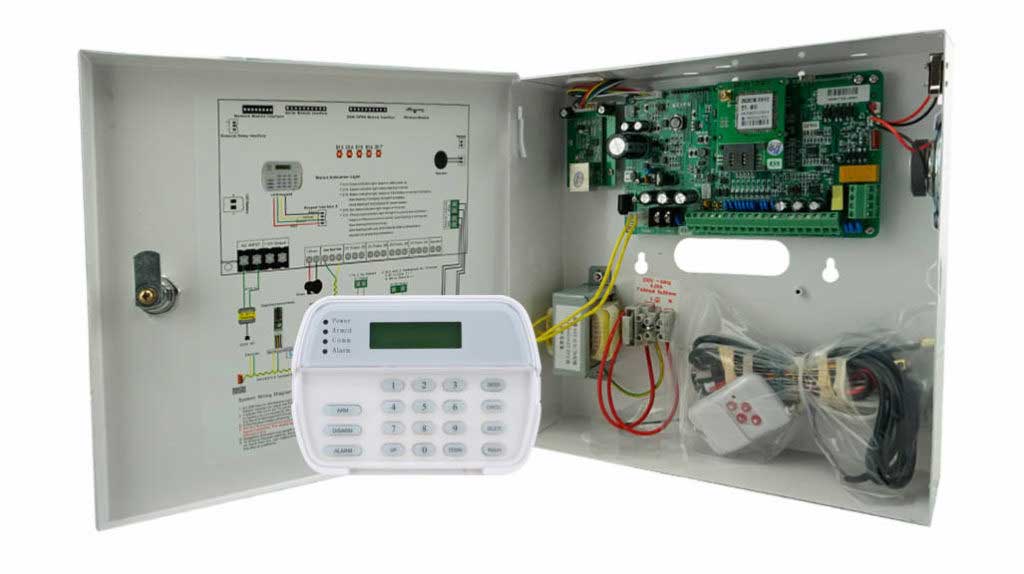
- System diagrams: Alarm panel wiring layouts, device locations, zone mappings, and communication paths.
- Equipment lists: Model numbers, firmware versions, expansion modules, communicators, and power supplies.
- Commissioning records: Test results for sensors, communication channels, and battery load checks.
- User manuals and quick-start guides: Tailored instructions reflecting installed system features.
Practical recommendation: For commercial clients, include an appendix specifying future-proofing considerations—such as available expansion zones and integration capabilities—to aid procurement teams evaluating lifecycle costs.
2. User Training and Operation Guides
Hand-over documents must clearly explain:
- Arming/disarming procedures
- User code management
- False alarm reduction practices
- Emergency protocols and escalation paths
Record training logs, noting who received instruction and what topics were covered. These logs reduce user-induced errors and provide procurement managers with evidence that the system is easy to operate across multiple sites.
3. Warranty and Maintenance Agreements
Clients should also receive:
- Warranty coverage summaries
- Preventive maintenance schedule
- Emergency support contact information
- Service level agreements (SLAs)
- Replacement parts policies
Adding a maintenance checklist helps procurement leaders compare vendors’ long-term support capabilities when planning bulk purchases.
Documentation Required for the Alarm Monitoring Center
1. Signal Verification and Testing Logs
These documents ensure the monitoring center has accurate technical data to handle signals reliably:
- Confirmation of all communication paths (PSTN, IP, cellular)
- Signal strength and latency test results
- Integration verification for automation protocols (e.g., Contact ID, SIA DC-09, proprietary IP formats)
- Event reporting tests (arm/disarm, alarm, trouble, tamper, supervisory)
Testing logs help monitoring centers validate performance and reduce downtime, meeting best-practice requirements from the Central Station Alarm Association.
2. Account Setup and Configuration Forms
Alarm monitoring centers require complete and current account information, including:
- Client contact hierarchy and after-hours escalation list
- Authorized user names and verification passwords
- Site details such as entry instructions or hazards
- Zone descriptions and response procedures
- Notes on integrated systems (CCTV, access control, environmental sensors)
After any service call that alters system behavior, these forms must be updated immediately. This ensures monitoring accuracy and reduces dispatch errors—critical insights for product managers who oversee system upgrades across multiple client locations.
3. Compliance and Audit Trails
Monitoring centers maintain regulatory documentation such as:
- Alarm permits and local compliance certificates
- Inspection reports
- Data privacy agreements aligned with GDPR or local requirements
- Change logs for account updates
- Event history reports required for audits or incident investigations
Industry groups like the Electronic Security Association (ESA) provide guidance on structuring audit-ready documentation to support licensing and regulatory inspections.
Best Practices for Completing and Managing Documentation
Use Digital Tools and Centralized Management
Adopt secure digital platforms that support:
- Version control
- Electronic signatures
- Role-based access
- Encrypted storage
- Automatic reminders for scheduled maintenance documentation
This improves traceability and reduces the risk of lost or outdated records.
Avoid Common Pitfalls
Technicians and managers should avoid:
- Failing to update monitoring centers after reprogramming zones
- Providing incomplete equipment lists
- Omitting firmware or communicator version updates
- Storing documentation across multiple uncoordinated systems
Industry case studies consistently show that incomplete documentation leads to false alarms, delayed responses, and compliance violations.
Leverage Documentation in Procurement
Procurement leaders should evaluate vendors based on:
- Thoroughness of installation and service documentation
- Adherence to UL and NFPA standards
- Clarity of maintenance and training records
- Quality of digital documentation platforms
Well-structured documentation demonstrates vendor reliability and supports long-term investment decisions across large deployment projects.
Conclusion
Effective alarm monitoring center documentation is central to system reliability, accurate response, and regulatory compliance. From installation reports and training records to monitoring center testing logs and audit trails, each document plays a critical role in ensuring system performance and client safety. By adopting digital tools, adhering to industry standards, and implementing consistent best practices, organizations can significantly improve operational efficiency and make better procurement decisions.
Security professionals, technicians, and product managers are encouraged to audit their current documentation processes and refer to authoritative standards for continuous improvement. Mastering high-quality documentation not only reduces risk—it strengthens client relationships and enhances the long-term value of any alarm monitoring investment.