
Introduction: Why Compatibility Matters More Than Ever in Intrusion Alarm Maintenance
In the fast-evolving world of security technology, many commercial buildings still rely on intrusion alarm systems installed 5 to 10 years ago. These legacy setups often feature a mishmash of brands, with some components long discontinued by manufacturers. As a seasoned expert in the intrusion alarm industry with over two decades of hands-on experience designing, installing, and troubleshooting these systems, I’ve seen firsthand how sourcing the wrong replacement parts can turn a simple repair into a nightmare of false alarms, system failures, and costly downtime.
The crux of the issue? Not all alarm parts distributors are equipped to handle the nuances of legacy systems. While plenty of suppliers claim to offer “compatible” components, the reality is that electrical mismatches, protocol incompatibilities, and subtle hardware differences can destabilize your entire setup. This guide isn’t just theory—it’s a practical, step-by-step roadmap drawn from real-world scenarios I’ve encountered in commercial environments, from office towers to retail warehouses.
If you’re a security alarm distributor, procurement manager, or technician tasked with maintaining these aging systems, this article will arm you with the knowledge to evaluate alarm equipment distributors effectively, spot red flags in “alternative” parts, and ensure seamless integration. We’ll dive deep into technical pitfalls like relay configurations, resistor values, and communication formats that most online resources gloss over. By the end, you’ll know how to avoid those frustrating secondary service calls and keep your clients’ properties secure without breaking the bank.
Stick around, because what follows could save your team hours of headaches and thousands in unnecessary upgrades. And if you’re sourcing in bulk for multiple sites, let’s connect—I’ve got insights tailored to high-volume buyers in the alarm parts distributors space.
Understanding Legacy Intrusion Alarm Systems: The Foundation of Your Sourcing Strategy
Before we tackle sourcing from alarm parts distributors, it’s crucial to grasp what makes legacy intrusion systems tick—and why they’re so prone to compatibility issues. These systems, typically from brands like Honeywell, DSC, or Bosch installed between 2010 and 2020, were built for reliability in an era before widespread IoT integration. They often combine wired zones with early wireless tech, using protocols like Ademco’s Contact ID or SIA formats for central station communication.
The Anatomy of a Typical Legacy System
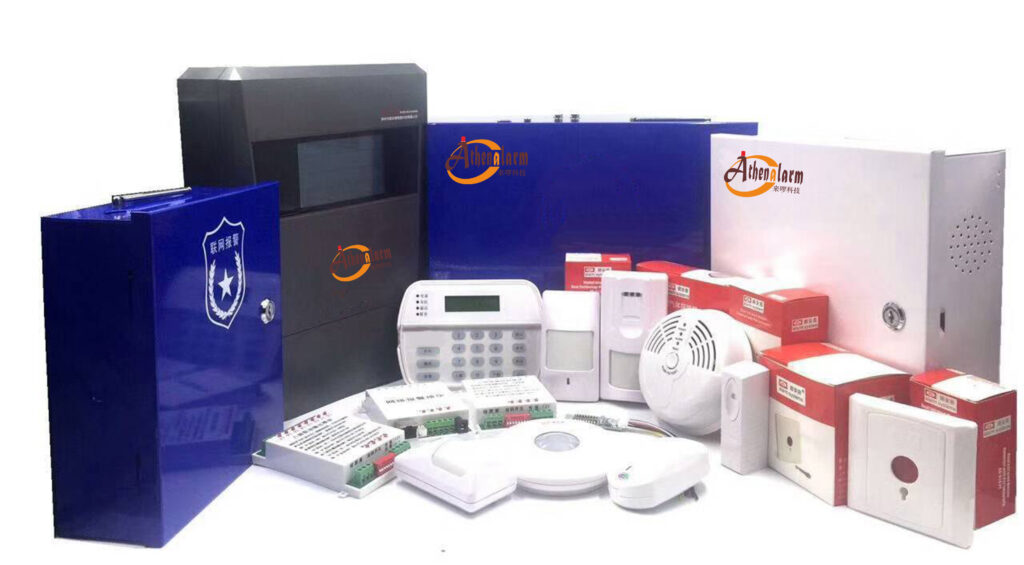
A standard legacy intrusion alarm setup includes:
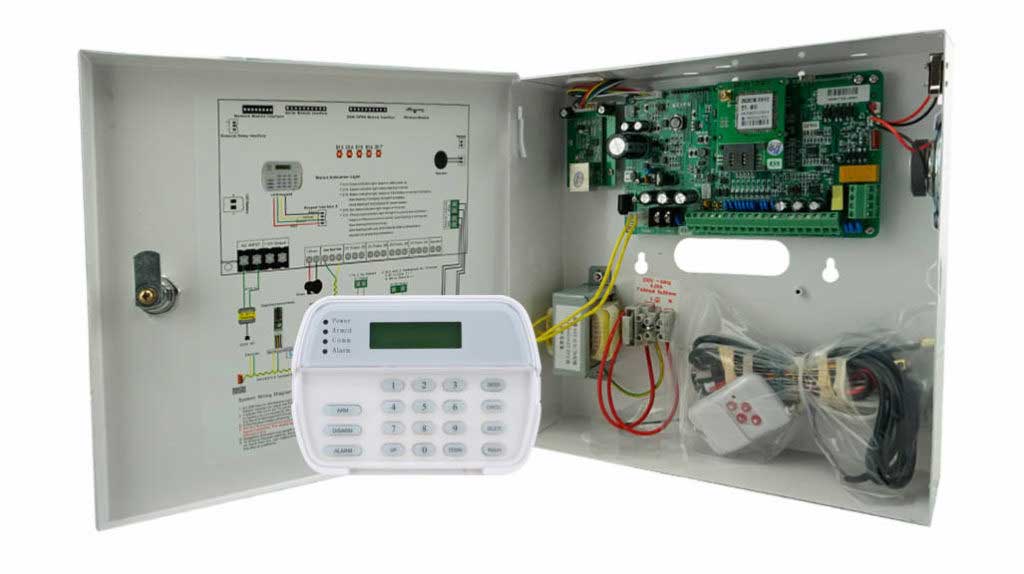
- Control Panel (Host): The brain of the system, handling input from sensors and outputting to sirens or dialers. Models like the Honeywell Vista-20P or DSC PC1616 are common but often feature discontinued expansion modules.
- Sensors and Detectors: Passive Infrared (PIR) motion detectors, door/window magnetic contacts, glass break sensors, and smoke detectors. These might be from mixed brands, leading to voltage or signaling mismatches when replacing.
- Keypads and User Interfaces: Alphanumeric or touchscreen models that could use proprietary bus systems like RS-485.
- Output Devices: Relays for controlling lights, locks, or integrating with access control; sirens and strobes.
- Communication Modules: Dial-up or early IP communicators that relay events to monitoring stations.
What sets these apart from modern systems? They’re often “closed” architectures, meaning manufacturers didn’t prioritize backward compatibility. A 2015 PIR sensor from one brand might not play nice with a 2025 replacement due to changes in power draw or data encoding.
Common Pain Points in Legacy Systems
From my experience consulting on over 500 commercial retrofits, the biggest headaches stem from:
- Brand Mixing: Installers frequently combined components for cost savings, creating hybrid systems where a Bosch panel interfaces with Paradox sensors.
- Discontinued Parts: Manufacturers phase out models every few years, forcing reliance on alarm parts distributors for NOS (New Old Stock) or equivalents.
- Aging Infrastructure: Wiring degradation amplifies compatibility issues; a new sensor with higher current draw could overload an old power supply.
Statistics from industry reports, such as those from the Security Industry Association (SIA), indicate that 60% of commercial buildings in the U.S. still operate on systems over five years old. In Europe and Asia, that figure climbs to 70%, per ASIS International data. This means procurement pros like you are constantly hunting for parts that won’t disrupt operations.
Understanding this foundation empowers you to ask pointed questions when dealing with security alarm distributors. Next, we’ll explore why not all distributors measure up.

The Challenges of Sourcing Compatible Components from Alarm Parts Distributors
Sourcing parts for legacy intrusion systems isn’t like ordering off-the-shelf electronics. The market is flooded with alarm equipment distributors promising quick delivery and low prices, but many fall short on technical expertise. I’ve audited dozens of suppliers over the years, and the disparity is stark: some are mere resellers flipping generic parts, while others specialize in reverse-engineering compatibility for discontinued lines.
Why Compatibility Isn’t Guaranteed
The term “compatible” gets thrown around loosely. A part might physically fit and power on, but subtle mismatches can cause cascading failures. Consider this: a replacement door contact with a slightly different reed switch resistance could trigger false opens in a supervised loop, leading to nuisance alarms.
Key challenges include:
- Electrical Incompatibilities: Voltage tolerances vary. A legacy panel expecting 12V DC sensors might fry with a modern 13.8V model, or vice versa.
- Protocol Mismatches: Communication buses like Honeywell’s ECP or DSC’s KEYBUS have evolved. A new expander module might use a faster baud rate, causing data corruption.
- Mechanical and Environmental Factors: Enclosures, mounting holes, and weatherproofing differ, especially for outdoor components.
- Firmware Dependencies: Some sensors require specific panel firmware versions, which are often unupgradable in legacy hardware.
In one project I led for a chain of retail stores, we sourced “equivalent” PIRs from a budget alarm parts distributor. They worked initially but failed during peak heat, as their temperature compensation algorithms didn’t match the original Bosch units. Result? False alarms galore, and a $15,000 bill for emergency tech dispatches.
The Hidden Costs of Poor Sourcing
Beyond immediate failures, incompatible parts erode system stability:
- Increased False Alarms: Leading to fines from local authorities (up to $500 per incident in some jurisdictions) and eroded user trust.
- Downtime Risks: In critical facilities like banks or hospitals, even brief outages can have severe consequences.
- Maintenance Overhead: Technicians waste time diagnosing issues that stem from bad parts, inflating labor costs.
A study by the Electronic Security Association (ESA) estimates that incompatible components cause 25% of all service calls in legacy systems. For bulk procurers, this translates to thousands in avoidable expenses annually.
To mitigate these, you need to vet alarm parts distributors rigorously. Let’s break down how.
Evaluating Alarm Parts Distributors: Key Criteria for Reliability
Not all security alarm distributors are created equal. As someone who’s partnered with suppliers across North America and Europe, I can tell you that the best ones act as extensions of your technical team, not just order-fulfillers. Here’s how to assess them.
Essential Qualities to Look For
- Technical Expertise in Legacy Systems: Top distributors employ engineers familiar with reverse compatibility. Ask: “Do you have cross-reference charts for discontinued models like the Ademco 5881EN?”
- Inventory Depth: They should stock NOS parts and vetted alternatives, not just current lines.
- Certification and Compliance: Look for UL-listed or EN-certified parts to ensure they meet safety standards.
- Return Policies and Warranties: Generous terms indicate confidence in their products.
- Customer Support: Real-time technical assistance, perhaps via chat or phone, for compatibility queries.
Red Flags to Avoid
- Generic “Universal” Claims: If a distributor says a part is “universal,” probe deeper—true universality is rare in alarms.
- Lack of Documentation: Insist on datasheets comparing original vs. replacement specs.
- Price-Only Focus: Rock-bottom prices often signal counterfeit or subpar quality.
In my consulting work, I’ve recommended distributors like ADI Global or Tri-Ed (now Anixter) for their robust legacy support. But always verify with your specific needs.
Questions to Ask Potential Distributors
To gauge a distributor’s prowess:
- “Can you provide a compatibility matrix for integrating a new PIR with a 10-year-old DSC panel?”
- “What testing do you perform on alternative parts?”
- “Have you handled sourcing for mixed-brand systems before?”
By prioritizing distributors with “reverse compatibility knowledge,” you’ll sidestep many pitfalls. Now, let’s get technical.

Key Technical Considerations for Compatibility in Legacy Intrusion Systems
This section delves into the nitty-gritty—the electrical, protocol, and hardware details that can make or break a replacement. Drawing from my engineering background, I’ll explain each with examples and troubleshooting tips.
Electrical Compatibility: Voltage, Current, and Resistance Pitfalls
Legacy systems operate on tight electrical margins. Mismatches here are the most common failure mode.
Voltage and Power Supply Issues
Most panels supply 12V DC auxiliary power, but tolerances range from 9-14V. A new sensor rated for 10-15V might work, but one pulling 50mA more could overload the bus.
Example: Replacing a Honeywell 5800PIR with a generic equivalent. The original draws 25mA; if the new one hits 40mA, multiple units could trip the panel’s overcurrent protection.
Tip: Always check the distributor’s spec sheet against the panel’s manual. Use a multimeter to measure draw during testing.
Resistor Values in Supervised Loops
End-of-Line (EOL) resistors are critical for tamper detection. Common values: 1kΩ, 2.2kΩ, or 4.7kΩ.
Pitfall: A “compatible” door contact with built-in 2kΩ instead of your system’s 1kΩ will register as a fault.
Solution: Request custom-resistored parts from specialized alarm parts distributors.
Relay Configurations
Relays in output modules control external devices. Legacy types might be Form C (SPDT) with specific coil voltages.
Issue: A modern solid-state relay lacking mechanical contacts could fail in high-inductive loads like sirens.
Protocol and Communication Format Challenges
Communication is the invisible glue in alarm systems.
Bus Protocols
Honeywell’s ECP uses a proprietary polled system; mismatches in addressing can cause “no response” errors.
Example: Adding a new keypad to an old Vista panel requires matching the device ID and baud rate (usually 4800bps).
Reporting Formats
Central station comms like Contact ID encode events in DTMF tones. A new communicator might default to SIA, causing misreported alarms.
Fix: Configure via programming mode—steps below.
Wireless Frequencies and Encryption
Early wireless uses 433MHz or 345MHz; new parts might shift to 868MHz for better range, but they’re incompatible.
Pitfall: Rolling code vs. fixed code hopping—mixing leads to enrollment failures.
Mechanical and Software Hidden Pits
- Mounting and Wiring: Ensure pinouts match; reversed polarity fries components.
- Firmware Lockouts: Some panels reject unsigned updates.
- Environmental Ratings: IP ratings for outdoor sensors must align.
In a recent warehouse project, we avoided a $10,000 rework by sourcing from a distributor who provided protocol-verified alternatives.
Step-by-Step Guide to Sourcing and Verifying Compatible Components
Here’s the practical core: a detailed, actionable process I’ve refined over years of fieldwork. Follow this to minimize risks.
Step 1: Assess Your System’s Current State
- Inventory all components: Note makes, models, serials, and firmware versions.
- Review panel programming: Use the installer’s code to dump zone lists, bus devices, and EOL values.
- Test existing functionality: Simulate alarms to baseline performance.
Tools needed: Multimeter, laptop with programming software (e.g., Honeywell Compass).
Step 2: Identify Needed Parts
Prioritize based on failure rates—PIRs and contacts top the list for legacy systems.
For discontinued items, search manufacturer discontinuation notices.
Step 3: Research Compatible Alternatives
- Cross-reference databases: Sites like AlarmNet or distributor portals.
- Consult forums: SIA or ASIS communities for user experiences.
- Query Distributors: Send RFQs with detailed specs.
Step 4: Evaluate Distributor Proposals
- Request samples: Test one unit before bulk buy.
- Compare specs: Side-by-side table (example below).
| Parameter | Original Part | Proposed Alternative |
|---|---|---|
| Voltage Range | 9-12V DC | 10-14V DC |
| Current Draw | 20mA | 25mA |
| EOL Resistor | 1kΩ | 1kΩ (configurable) |
| Protocol | Contact ID | Contact ID/SIA |
- Check certifications: UL 1023 for household, UL 985 for fire.
Step 5: Bench Test the Parts
- Set up a test rig: Duplicate your panel’s setup on a workbench.
- Install the part: Follow wiring diagrams.
- Simulate conditions: Use heat guns for temp testing, magnets for contacts.
- Monitor for 24-48 hours: Log any anomalies.
Step 6: Field Installation and Verification
- Backup programming: Export settings.
- Install incrementally: One zone at a time.
- Arm/disarm cycles: Test all modes.
- Stress test: Introduce vibrations, temperature changes.
If issues arise, document and return to distributor.
Step 7: Document and Train
Create a compatibility log for future reference. Train techs on nuances.
This process has cut my clients’ rework rates by 40%.
Case Studies: Real-World Lessons from Legacy System Repairs
To illustrate, let’s examine three anonymized cases from my portfolio.
Case 1: Retail Chain with Mixed-Brand Panels
Challenge: Replacing discontinued Paradox MG5050 PIRs in a DSC-based system.
Solution: Sourced from a specialized alarm parts distributor with protocol-matched alternatives. Bench testing revealed a baud rate mismatch—adjusted via dip switches.
Outcome: Zero false alarms post-install, saving $8,000 in fines.
Case 2: Office Building with Voltage Issues
Issue: New door contacts overloading a Honeywell Vista power supply.
Fix: Distributor provided low-draw equivalents; added inline resistors.
Result: System stabilized, avoiding a full panel upgrade.
Case 3: Warehouse with Communication Failures
Problem: Alternative communicator defaulting to wrong format.
Steps: Reprogrammed using *8 installer code, section 380 for format selection.
Success: 100% event reporting accuracy.
These underscore the value of knowledgeable distributors.
Best Practices for Long-Term Maintenance and Upgrades
Beyond sourcing, adopt these to extend legacy system life:
- Regular Audits: Annual compatibility checks.
- Stockpiling: Buy extras from reliable alarm equipment distributors.
- Hybrid Upgrades: Integrate modern wireless bridges for gradual migration.
- Training Programs: Certify techs in legacy protocols.
For bulk buyers, negotiate volume deals with vetted security alarm distributors.
Conclusion: Partner with the Right Alarm Parts Distributors for Peace of Mind
Sourcing compatible components for legacy intrusion systems doesn’t have to be a gamble. By focusing on technical compatibility, vetting distributors thoroughly, and following rigorous testing steps, you can maintain reliability without full overhauls. As an expert who’s navigated these waters for years, I urge you: don’t settle for the cheapest option—invest in partners who understand the intricacies.
If this guide resonates and you’re facing sourcing challenges, reach out. My team at Athenalarm specializes in bulk procurement advice for alarm parts distributors, with tailored solutions for your legacy needs. Let’s ensure your systems stay secure and efficient.