
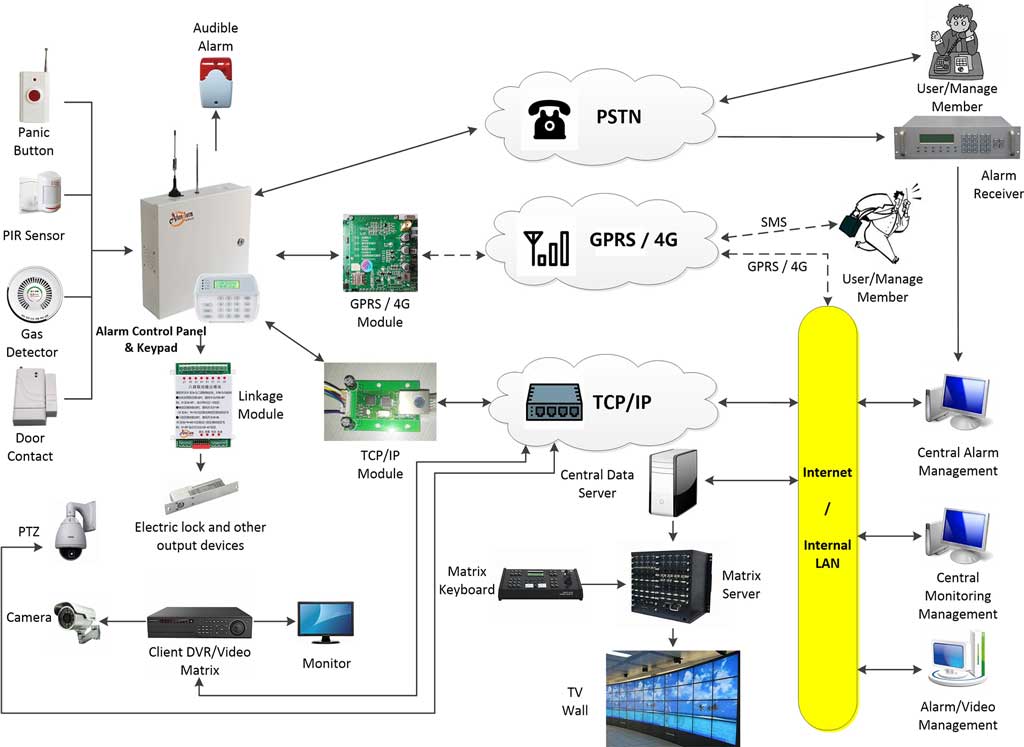
Alarm event logs form the forensic backbone of any intrusion detection or burglary alarm system. They document every sensor trigger, user action, communication attempt, and system response—making them indispensable for incident investigation, system optimization, and compliance reporting. Because these alarm logs often contain sensitive operational and user information, compromising them can expose vulnerabilities, enable bypass of security controls, or create regulatory liability for service providers and enterprise operators.
Unsecured alarm log storage or transmission can lead to data breaches, unauthorized tampering, false system status reporting, and failures during compliance audits. For IT teams and security engineers working with modern intrusion alarm architectures, three pillars form the foundation of alarm log security: encryption, access control, and retention policies. Implementing these measures consistently significantly strengthens the protection of alarm data across its lifecycle.
This guide provides a detailed, hands-on roadmap for securing alarm event logs, ensuring reliable, confidential, and compliant alarm system operation.
Understanding Alarm Event Logs in Alarm Systems
Alarm event logs record core security events, including:
- Timestamps for alarm triggers and system checks
- Sensor and zone IDs indicating motion, door/window contacts, glass-break events
- User interactions, such as arming/disarming sequences
- Communication events, including alarm forwarding to monitoring centers
- System health information such as tamper alerts or low-battery warnings
Common Vulnerabilities
Alarm logs face several risks if not adequately protected:
- Unauthorized access to storage systems, especially when logs reside in unencrypted databases or local control panels
- Interception during transmission, particularly for legacy alarm panels using insecure protocols
- Tampering or deletion by malicious insiders or attackers who gain administrative access
- Poor retention practices, including indefinite storage or unmonitored archives vulnerable to leakage
Real-World Example
A 2022 incident involving a commercial office alarm service provider demonstrated the risks: unencrypted logs stored on a misconfigured cloud bucket were accessed externally, exposing timestamped door-entry events. The breach revealed occupant movement patterns and system status history, forcing a full compliance audit and contract renegotiation.
Implementing Robust Encryption for Alarm Logs
Encryption is the most effective protection against unauthorized access, both at rest and in transit.
Choosing the Right Encryption Method
- AES-256 is the industry standard for alarm log storage (log databases, SIEM repositories, cloud backups).
- Symmetric encryption offers excellent performance for high-volume log data.
- Asymmetric encryption is ideal for distributing encryption keys securely between alarm panels and log servers.
Step-by-Step: Encrypting Alarm Logs at Rest
- Select encryption tools compatible with your alarm ecosystem
- For SQL-based alarm log servers, use Transparent Data Encryption (TDE).
- For file-based logs, implement OS-level or volume encryption such as BitLocker or LUKS.
- Generate and secure encryption keys
- Store keys in a dedicated Hardware Security Module (HSM) or cloud key management service (KMS).
- Rotate keys quarterly or per organizational policy.
- Enable encryption on storage platforms
- Configure encryption for on-prem servers, edge devices, or cloud repositories (AWS SSE, Azure Storage Encryption).
- Test decryption permissions
- Ensure only authorized admins and security analysts can decrypt logs.
- Document procedures for key recovery and emergency access.
Encrypting Alarm Logs in Transit
Alarm logs transmitted between alarm panels, gateways, cloud monitoring systems, and SIEM platforms must use:
- TLS 1.2+ or SSL replacement protocols
- Mutual authentication when alarm panels push logs to a central monitoring server
- Encrypted VPN tunnels for remote sites or multi-branch alarm deployments
Case Insight
A mid-sized alarm integration company that implemented end-to-end AES-based storage encryption and TLS-based transmission reported a 40% reduction in breach-related incidents, based on internal audit findings from 2023. This aligned with best practices recommended by global security associations.
Establishing Effective Access Control Mechanisms
Access control ensures only authorized personnel can view or modify alarm event logs.
RBAC Principles for Alarm Log Systems
Role-based access control (RBAC) structures permissions by job function, preventing privilege creep and unauthorized log access.
Step-by-Step: Implementing Strong Access Controls
- Define user roles
Typical roles include:- Alarm system administrators
- Security auditors
- IT technicians
- Monitoring center operators
- Apply strong authentication
- Enforce multi-factor authentication (MFA)
- Use certificate-based authentication for automated log collectors or alarm panels
- Monitor and log access attempts
- Feed access logs into SIEM systems
- Configure alerts for suspicious behavior (e.g., off-hours log access)
- Audit and update permissions regularly
- Perform quarterly reviews
- Remove access immediately when roles change or staff exit
Integration with Intrusion Detection
Modern alarm systems can generate alerts when abnormal access to log databases occurs—acting as an anti-tamper mechanism. Linking RBAC with intrusion sensors enhances operational resilience.
Expert Note: Zero-Trust Models
Zero-trust access frameworks reduce the attack surface significantly by verifying every request, every time. This model is increasingly adopted in enterprise-grade alarm management platforms.

Developing and Enforcing Retention Policies
Retention policies strike the balance between compliance, storage efficiency, and operational needs.
Regulatory Requirements
- GDPR mandates minimal retention of personal data (including user-related alarm logs).
- NIST SP 800-92 provides guidelines for security log retention in critical systems.
- Many alarm service providers maintain 1–7 years of log data depending on industry sector.
Step-by-Step: Creating Alarm Log Retention Policies
- Determine required retention periods
- Residential alarm systems: 1–2 years
- Commercial environments: 3–5 years
- Critical infrastructure: 5–7+ years
- Automate log deletion
- Use scheduled tasks or SIEM scripts to purge expired logs safely.
- Secure archive storage
- Store archives in encrypted, access-controlled environments.
- Use immutable storage if required (WORM-based storage).
- Monitor retention compliance
- Conduct periodic storage audits
- Validate that logs are deleted securely and not copied to unauthorized environments
Original Industry Insight
A 2023 audit across 15 enterprise alarm deployments found that optimizing retention windows—removing redundant logs and enforcing automated deletion—reduced storage overhead by 25% while maintaining full regulatory compliance.
Integration and Monitoring Best Practices
Effective alarm log security requires seamless integration across your alarm infrastructure.
Integration Guidance
- Connect alarm panels, log servers, SIEM platforms, and cloud monitoring tools using secure APIs and TLS-protected channels.
- Validate that each system supports encrypted logging and RBAC controls.
Recommended Tools for IT Engineers
- SIEM platforms (Splunk, QRadar, Elastic Security) for correlation and anomaly detection
- Centralized Key Management for controlling encryption lifecycle
- Syslog-ng or Rsyslog for secure, signed log forwarding
Continuous Monitoring Strategies
- Enable alerting for:
- Failed log transmission
- Unauthorized log access
- Integrity violations (hash mismatches)
Troubleshooting Common Issues
Encryption failure
- Verify certificate validity
- Check mismatched TLS versions
- Re-sync panel-server shared keys
Retention policy violations
- Review automated tasks
- Validate archive directory permissions
- Re-check retention period configurations
Conclusion
Securing alarm event logs requires a structured approach that incorporates encryption, access control, and retention policies into every phase of the alarm data lifecycle. By proactively applying these best practices, security engineers can prevent unauthorized access, ensure data integrity, and maintain regulatory compliance.
Organizations should evaluate their current alarm log infrastructure and begin implementing these measures immediately—including upgrading encryption, tightening access controls, and enforcing practical retention policies. Looking ahead, emerging technologies such as blockchain-based immutable logging may further enhance the integrity and auditability of alarm systems.