
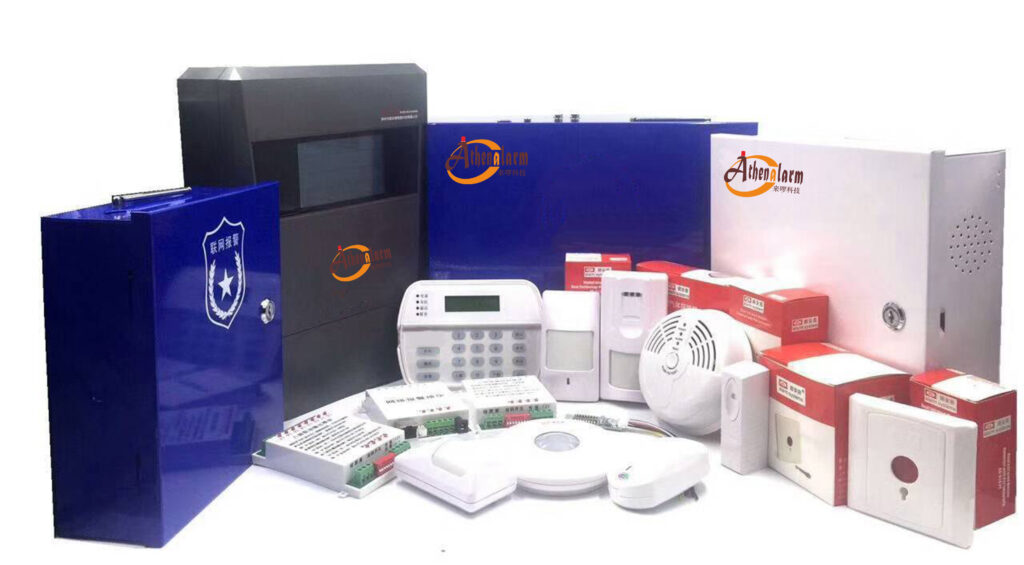
Large facilities demand more than basic intrusion detection. As site size, complexity, and risk exposure increase, traditional single-zone or loosely structured alarm layouts become ineffective. Multi-zone alarm mapping provides a structured, scalable method for managing large intrusion systems by dividing protected areas into clearly defined and logically grouped zones.
For technicians responsible for system design, commissioning, or optimization, zone grouping for large intrusion systems is not just a configuration task—it directly affects detection accuracy, response efficiency, and long-term system reliability. This guide explains how to design, implement, and maintain effective multi-zone alarm mapping using proven engineering principles, industry standards, and real-world practices.
What Is Multi-Zone Alarm Mapping?
Multi-zone alarm mapping is the process of dividing a protected facility into independent but logically related alarm zones, each monitored and processed separately by the intrusion control panel. Each zone represents a physical or functional area—such as a perimeter segment, corridor, storage area, or restricted room.
In large sites, proper zone mapping ensures:
- Accurate alarm localization
- Faster incident verification
- Reduced false alarms
- Easier system expansion
- Improved response coordination
Unlike basic zoning, multi-zone mapping integrates operational logic, enabling systems to respond differently based on zone type, time schedules, and risk profiles.
Why Zone Grouping Is Critical for Large Intrusion Systems
Large facilities introduce complexity that cannot be managed with flat zone structures. Common challenges include:
- High sensor density
- Mixed risk levels across areas
- Multiple access control points
- 24/7 operational zones combined with time-restricted areas
Without proper zone grouping, alarm systems generate excessive alerts, slow response times, and operator fatigue.
According to NFPA 731, effective zone planning significantly improves alarm assessment accuracy and reduces nuisance dispatches. Industry data from ESA also indicates that structured zone grouping can reduce false alarms by 25–35% in commercial installations.
Core Principles of Effective Multi-Zone Mapping
1. Functional Segmentation
Zones should be defined by function, not convenience. Group areas that share similar risk behavior and response requirements.
Examples:
- Exterior perimeter zones
- Interior movement zones
- High-value asset zones
- Restricted technical areas
Avoid mixing unrelated functions (e.g., office corridors and loading docks) within the same zone group.
2. Risk-Based Prioritization
Each zone should have a defined risk level:
- High risk: perimeter doors, data rooms, vaults
- Medium risk: offices, corridors
- Low risk: utility rooms, storage areas
This allows alarm panels to apply different response logic, such as instant alarms or delayed verification.
3. Logical Zone Grouping
Zone grouping combines multiple zones under a shared operational rule set. Examples include:
- “Exterior Perimeter Group”
- “Warehouse Operations Group”
- “Administrative Areas Group”
This simplifies system management and enables consistent response behavior.
Step-by-Step Guide to Multi-Zone Alarm Mapping
Step 1: Conduct a Structured Site Assessment
Start with accurate documentation:
- Architectural floor plans
- Entry/exit points
- Sensor coverage zones
- Environmental risk factors
For large facilities (over 5,000 m²), divide the site into logical sectors before assigning zones.
Step 2: Define Zone Types and Functions
Assign each zone a function:
- Entry/Exit
- Instant alarm
- Perimeter delay
- 24-hour monitoring
This ensures the alarm panel processes signals correctly.
Step 3: Group Zones Strategically
Create zone groups based on operational behavior rather than physical proximity alone.
Example grouping logic:
- Group A: External perimeter sensors
- Group B: Internal circulation areas
- Group C: High-value storage zones
Each group should typically contain no more than 8–10 zones to maintain clarity and control.
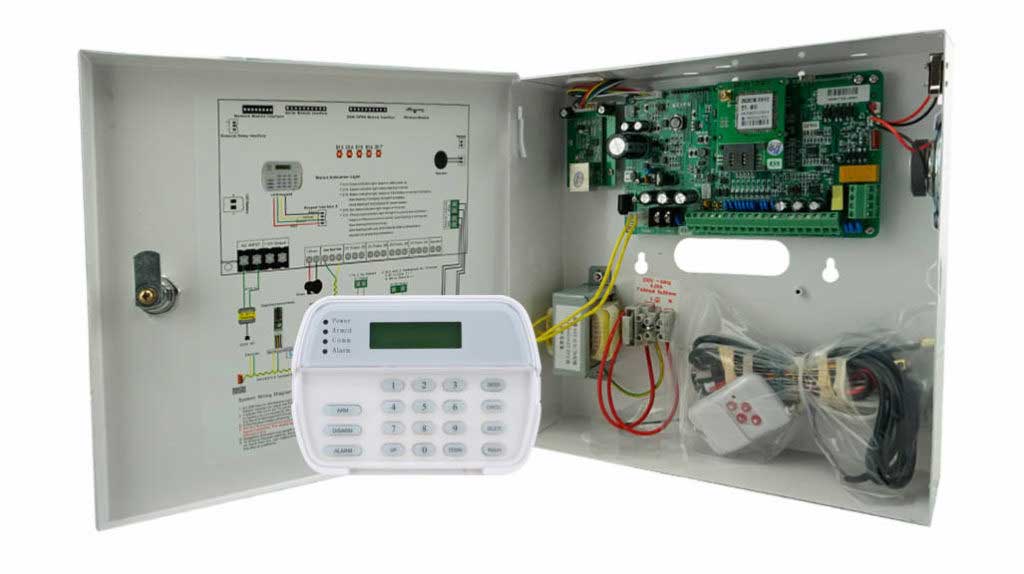
Step 4: Program the Control Panel
Using the panel software or keypad:
- Assign zone types
- Link zones to their respective groups
- Set response rules (instant, delayed, verified)
- Enable supervision and fault monitoring
Most modern systems (e.g., Honeywell, Bosch, Paradox, DSC) support logical grouping through software interfaces.
Step 5: Integrate Supporting Systems
For enhanced verification:
- Link zones to CCTV presets
- Trigger lighting or access controls
- Enable event logging for audits
This layered approach significantly improves incident response accuracy.
Step 6: Test, Validate, and Document
Conduct full functional testing:
- Walk-tests for each zone
- Group response verification
- Alarm transmission confirmation
Maintain clear documentation for maintenance, audits, and future expansions.
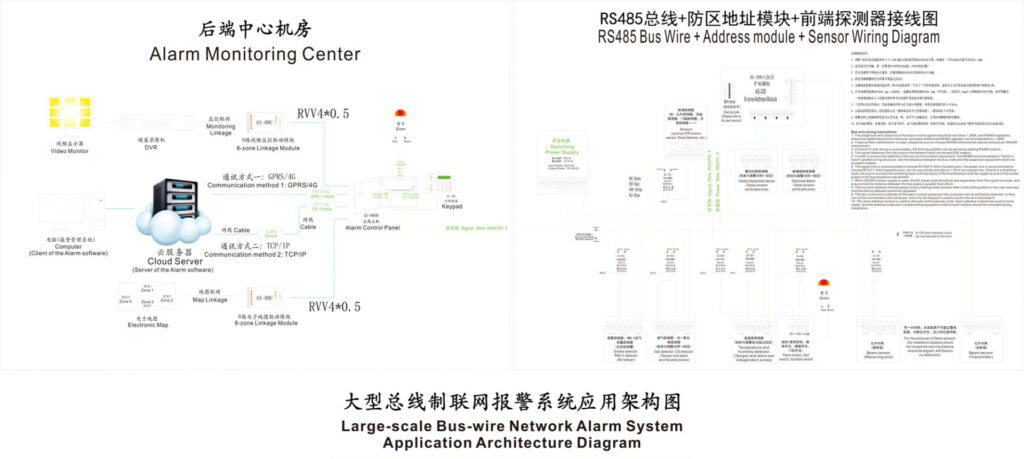
Best Practices for Large-Scale Zone Grouping
Use Layered Protection
Apply defense-in-depth:
- Outer perimeter → early detection
- Internal zones → verification
- Critical areas → immediate alert
Avoid Over-Grouping
Excessive grouping hides actionable detail. If one zone constantly triggers alarms, it should be separated.
Account for Environmental Factors
Outdoor zones should be isolated due to wind, temperature, or wildlife interference.
Follow Recognized Standards
Design in alignment with:
- NFPA 731 – Electronic Premises Security Systems
- UL 681 – Installation and Classification of Burglar Alarm Systems
- EN 50131 for European deployments
Common Challenges and How to Solve Them
False Alarms
Often caused by mixed-use grouping. Solution: separate motion-sensitive zones and adjust sensitivity levels.
System Expansion
Use modular panels and expanders to maintain clean zone logic without redesigning the entire system.
Legacy Integration
When upgrading older systems, use zone expanders or protocol converters to preserve existing wiring while modernizing logic.
Example: Zone Grouping for a Large Facility
| Zone Group | Area Covered | Sensor Types | Risk Level | Response |
|---|---|---|---|---|
| Perimeter | Fences, gates | IR beams, magnetic contacts | High | Immediate alert |
| Operations | Warehouses, docks | PIR, vibration | Medium | Verified alarm |
| Admin | Offices, meeting rooms | Door contacts | Medium | Delayed response |
| Utilities | Power, HVAC rooms | Environmental sensors | Low | Log + notify |
This structure improves clarity and reduces unnecessary alarm escalations.
Future Trends in Multi-Zone Alarm Design
- AI-assisted zone optimization using historical alarm data
- Hybrid wired/wireless zoning for flexible expansion
- Predictive analytics to reduce false alarms
- Cloud-based zone visualization dashboards
Industry research from Frost & Sullivan indicates that AI-driven zone logic can improve detection accuracy by over 40% in large facilities.
Conclusion
Effective multi-zone alarm mapping is a cornerstone of modern intrusion system design. For large sites, well-structured zone grouping transforms complexity into control—improving detection accuracy, response speed, and long-term system stability.
By applying structured planning, industry standards, and disciplined configuration practices, technicians can deliver alarm systems that are scalable, reliable, and operationally efficient. When executed correctly, zone grouping is not just a technical feature—it is a strategic security advantage.
Authoritative References
- NFPA 731 – Standard for the Installation of Electronic Premises Security Systems
https://www.nfpa.org/731 - UL 681 – Installation and Classification of Burglar and Holdup Alarm Systems
https://standardscatalog.ul.com - Electronic Security Association (ESA) – False Alarm Reduction Studies
https://www.esaweb.org - ASIS International – Physical Security Guidelines
https://www.asisonline.org - Frost & Sullivan – Security Technology Market Research
https://www.frost.com