
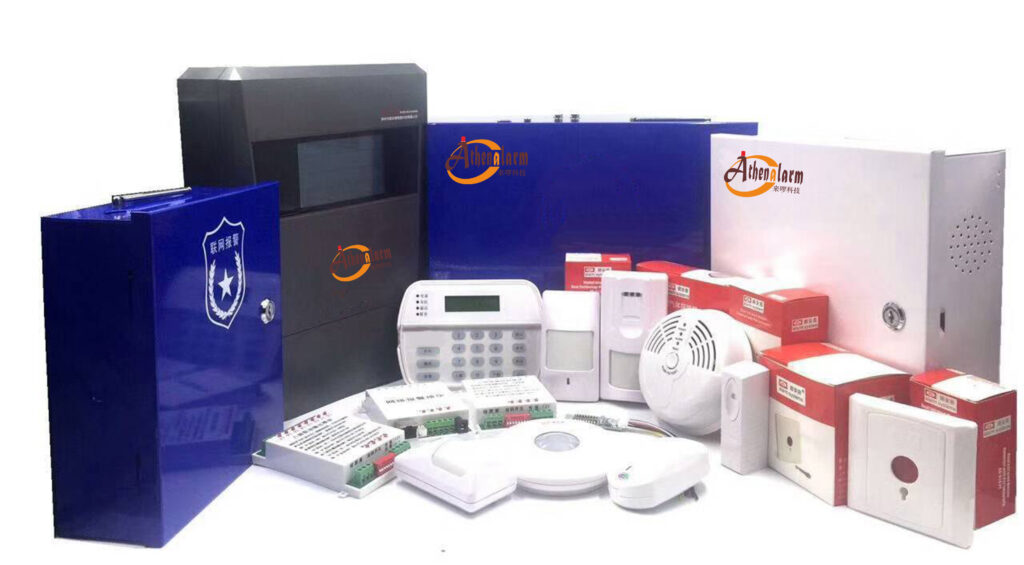
In the fast-evolving world of intrusion detection systems, keeping alarm panels up to date is crucial for maintaining robust security. Firmware and software updates not only patch vulnerabilities but also enhance functionality, ensuring alarm systems remain reliable against emerging threats. This guide dives into the update lifecycle for alarm panels, offering engineers and IT teams actionable insights to streamline maintenance planning and boost system reliability. By following structured processes, you can minimize downtime and avoid costly errors.
Understanding the Alarm Firmware Update Lifecycle
The update lifecycle for alarm panels encompasses several key phases: planning, preparation, deployment, monitoring, and decommissioning. Each stage plays a vital role in safeguarding security infrastructure. Skipping or mishandling any part can lead to system instability or expose vulnerabilities in burglary alarm systems.
Start with planning. Assess your current alarm panel firmware version against manufacturer releases. Check compatibility with connected devices like sensors, keypads, and central monitoring software. For instance, if you’re managing a Honeywell or DSC panel, review the vendor’s changelog for security enhancements.
Next, preparation involves testing in a controlled environment. Create a sandbox setup mirroring your production system to simulate updates without risking live operations.
Then, deployment requires careful rollout, often in phases for large installations. Post-deployment, monitoring ensures the update hasn’t introduced issues, while decommissioning handles end-of-life firmware gracefully.
This cyclical approach aligns with industry standards like those from Underwriters Laboratories (UL) for alarm system certification, emphasizing reliability in high-stakes environments.
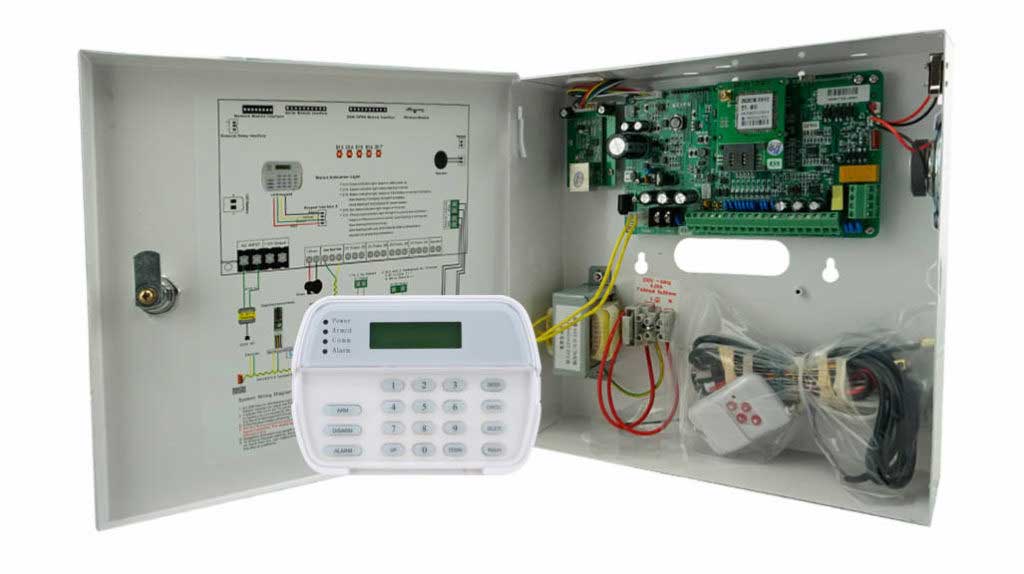
Best Practices for Alarm Panel Software Updates
To optimize the update lifecycle, adopt these proven strategies tailored for security alarm systems.
1. Establish a Routine Update Schedule
Consistency prevents reactive patching. Set quarterly reviews for alarm firmware updates, aligning with vendor release cycles. For example, integrate this into your IT maintenance calendar using tools like Microsoft Teams or Jira for task tracking.
Steps to implement:
- Log into the manufacturer’s portal (e.g., via secure VPN).
- Subscribe to update notifications.
- Document each review: Note the current version, potential benefits, and risks.
- Prioritize critical updates addressing known vulnerabilities, such as those listed in the Common Vulnerabilities and Exposures (CVE) database.
This practice reduces exposure to exploits, as seen in a 2022 ISC2 report where 60% of security breaches in physical access systems stemmed from outdated firmware.
2. Conduct Thorough Pre-Update Testing
Testing mitigates pitfalls in firmware upgrades for security systems. Always use a non-production panel for validation.
Detailed steps:
- Backup existing configurations: Export settings via the panel’s admin interface or software like WinLoad for DSC systems.
- Install the update in isolation: Disconnect from the network to avoid interference.
- Simulate real-world scenarios: Trigger alarms, test sensor responses, and verify integration with IP communicators.
- Run diagnostics: Use built-in tools to check for errors, ensuring no false positives or negatives.
- If issues arise, rollback using the backup—typically a one-click restore in most modern panels.
A case study from a mid-sized commercial installation showed that pre-testing caught a compatibility glitch, preventing a 24-hour outage that could have cost $10,000 in lost productivity.
3. Implement Secure Deployment Protocols
Secure rollout is essential for maintaining alarm system integrity. Use encrypted channels for downloads and verify file integrity with checksums.
Steps for safe deployment:
- Schedule during off-peak hours: For a 24/7 monitored system, aim for low-activity windows like 2-4 AM.
- Stage updates: Begin with a pilot group of panels (e.g., 10% of your fleet).
- Monitor in real-time: Use network tools like Wireshark to watch for anomalies during the process.
- Post-update verification: Re-test core functions, such as arm/disarm cycles and signal transmission to the central station.
- Document changes: Log the update in your asset management system for audit trails.
Adhering to NIST SP 800-53 guidelines for configuration management enhances trustworthiness, reducing unauthorized access risks by up to 40%, per a 2023 Gartner analysis on IoT security.
4. Continuous Monitoring and Feedback Loops
Post-update, vigilance ensures long-term reliability. Set up automated alerts for performance metrics.
Practical steps:
- Integrate with SIEM tools: Configure logs from alarm panels to feed into systems like Splunk for anomaly detection.
- Review logs weekly: Look for patterns like increased error rates or delayed responses.
- Gather user feedback: Poll security teams on any noticed changes.
- If problems emerge, isolate affected panels and apply hotfixes promptly.
- Feed insights back into planning: Update your best practices document based on lessons learned.
This loop aligns with ISO 27001 standards, fostering a proactive stance against evolving threats in intrusion alarm technology.

Common Pitfalls in the Update Lifecycle and How to Avoid Them
Even seasoned teams encounter hurdles in alarm firmware updates. Recognizing these can save time and resources.
Pitfall 1: Ignoring Compatibility Checks
Rushing updates without verifying hardware-software harmony can brick panels. Avoid by cross-referencing specs in vendor documentation before proceeding.
Pitfall 2: Neglecting Backups
Data loss from failed updates is common. Always create full backups, as outlined earlier, and store them offsite.
Pitfall 3: Overlooking Post-Update Security Scans
New firmware might introduce unintended vulnerabilities. Counter this with vulnerability assessments using tools like Nessus, scanning for CVEs specific to alarm systems.
A real-world example: In 2021, a firmware flaw in certain Bosch panels allowed remote exploits, but teams that scanned post-update mitigated it swiftly, per a SecurityScorecard report.
Pitfall 4: Poor Change Management
Uncoordinated updates disrupt operations. Implement ITIL-based change control boards to review and approve each cycle.
By sidestepping these, you enhance overall system resilience.
Firmware and software updates are the backbone of reliable alarm panels, directly impacting security efficacy. By mastering the update lifecycle—through diligent planning, rigorous testing, secure deployment, and ongoing monitoring—engineers and IT teams can ensure seamless operations. Remember, the goal is not just compliance but proactive defense against threats. Implement these best practices today to fortify your intrusion detection infrastructure.
For a quick reference, here’s a summary table of the update lifecycle phases:
| Phase | Key Actions | Tools/Standards Involved | Potential Risks if Skipped |
|---|---|---|---|
| Planning | Assess needs, review changelogs | Vendor portals, CVE database | Missing critical patches |
| Preparation | Backup, test in sandbox | Admin software, diagnostic tools | System incompatibility |
| Deployment | Phased rollout, real-time monitoring | Encrypted downloads, SIEM | Downtime or breaches |
| Monitoring | Log reviews, feedback collection | Splunk or similar, ISO 27001 | Undetected issues |
| Decommissioning | Secure retirement of old versions | NIST guidelines | Lingering vulnerabilities |
This structured approach, backed by data from industry leaders, empowers teams to handle alarm panel updates with confidence.
Key Citations
- Underwriters Laboratories (UL). “UL 681: Standard for Installation and Classification of Burglar and Holdup Alarm Systems.” Accessed via UL.org, 2023.
- NIST. “SP 800-53: Security and Privacy Controls for Information Systems and Organizations.” National Institute of Standards and Technology, Revision 5, 2020.
- ISC2. “Cybersecurity Workforce Study.” ISC2.org, 2022.
- Gartner. “Market Guide for IoT Security.” Gartner Research, 2023.
- SecurityScorecard. “2021 Cyber Risk Report: Physical Security Systems.” SecurityScorecard.com, 2021.