
Executive Summary
Alarm networks—once isolated and hardware-centric—are now interconnected IoT ecosystems spanning sensors, control hubs, mobile applications, and cloud monitoring platforms. This evolution has expanded the attack surface dramatically. According to the 2024 Verizon Data Breach Investigations Report, IoT-related breaches grew by 25%, underscoring an urgent need for proactive cybersecurity strategies in intrusion detection and burglar alarm systems.
For CTOs and security engineers, traditional reactive defenses are insufficient. Effective alarm cyber attack planning requires proactive threat modeling and structured scenario planning to anticipate risks before attackers exploit them. This whitepaper provides actionable methodologies, technical steps, real-world examples, and industry-aligned best practices to help organizations strengthen alarm network resilience, reduce downtime, and prevent breaches.
Introduction
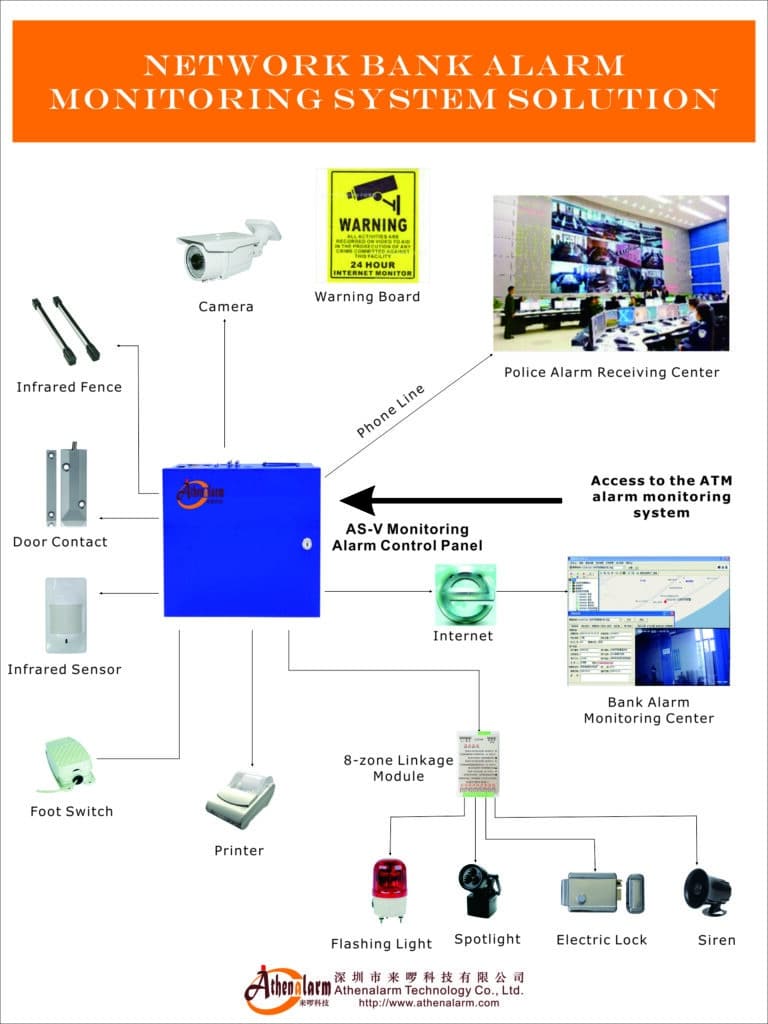
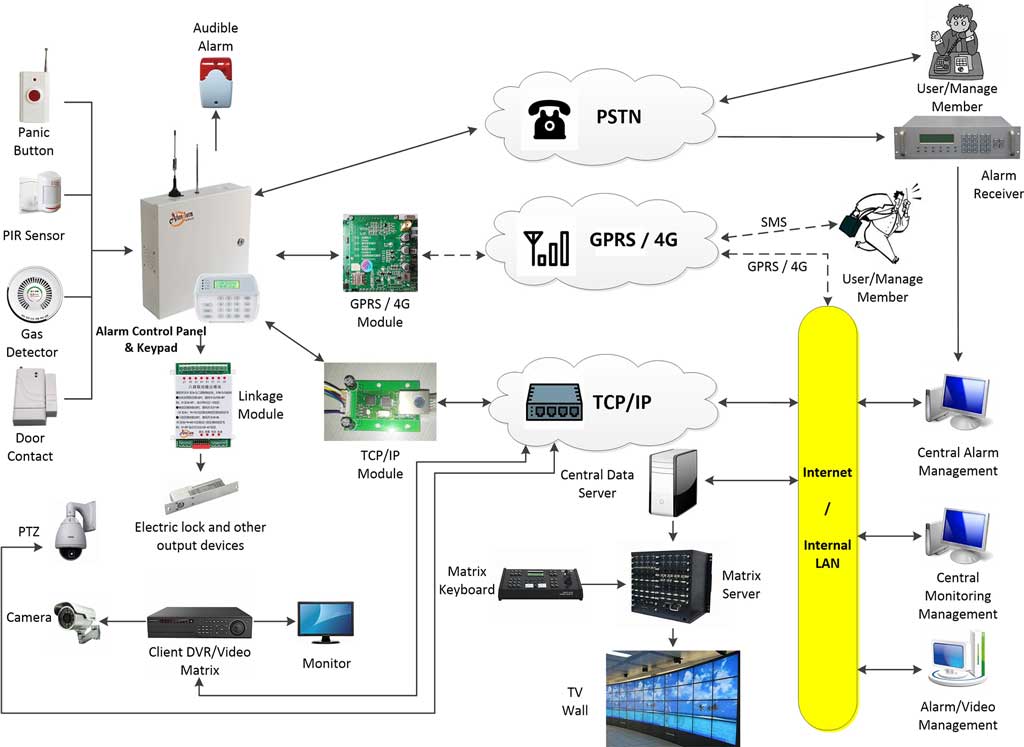
Modern alarm networks combine physical security and cybersecurity in ways that create unique exposures. Intrusion detection systems now include wireless sensors, IP-based control panels, edge processors, mobile apps for remote arming/disarming, and cloud centers for logging and event verification. These interconnected components create diverse cyber-attack pathways.
Recent data—such as the 25% increase in IoT-targeted intrusions reported by Verizon—shows alarm systems are increasingly exploited through weak encryption, unpatched firmware, and insecure APIs. This affects both residential and commercial deployments, resulting in false alarms, system downtime, and unauthorized access.
Scenario planning allows security teams to simulate cyber-attacks on alarm systems, identify hidden vulnerabilities, and develop tailored response strategies. This whitepaper outlines how proactive threat modeling and structured cyber-attack scenarios can strengthen alarm system security and support ongoing risk anticipation.
Understanding Cyber Threats to Alarm Networks
Common Cyber Attack Vectors in Alarm Environments
- DDoS Attacks on Monitoring Servers
Attackers overwhelm alarm monitoring endpoints, disabling event reporting and alert notifications. - Ransomware Targeting Control Hubs
Malware spreads through outdated firmware, encrypting system files and shutting down alarm functionality. - Man-in-the-Middle (MitM) Attacks on Wireless Sensors
Interception of RF, Zigbee, or Wi-Fi communications enables manipulation of alarm signals. - API Exploits via Third-Party Integrations
Poorly secured smart home integrations (e.g., voice assistants) can expose control functions.
Real-World Example: Mirai Variant Targeting Alarm Installations
A 2023 Mirai botnet variant compromised thousands of commercial burglar alarm installations by exploiting outdated Linux-based gateways. The incident caused multi-hour outages, disabled alarm reporting channels, and leaked device configuration files.
Key Vulnerabilities in Alarm Systems
- Legacy firmware without security patches
- IP devices lacking TLS encryption
- Weak cloud authentication
- Unsegmented networks connecting alarm and IT assets
- Insecure OTA (over-the-air) update mechanisms
According to the 2025 Ponemon Institute IoT Breach Study, 40% of breaches in IoT-based alarm networks are directly linked to unpatched firmware.
Standards for Baseline Security
- NIST SP 800-53 security controls (AC, AU, IA, SC domains)
- ISO/IEC 27001 for security management
- ASIS Physical Security Principles (PSP) for integrated physical–cyber defenses

V. Principles of Proactive Threat Modeling in Alarm Systems
Threat modeling is the structured process of identifying, evaluating, and mitigating cyber threats in alarm networks. For interconnected intrusion detection systems, this enables CTOs and engineers to shift from reactive patching to strategic, proactive risk anticipation.
Adapting STRIDE for Alarm Network Security
| STRIDE Category | Alarm System Examples |
|---|---|
| Spoofing | Fake sensor IDs triggering bypass |
| Tampering | Altering signal data in transit |
| Repudiation | Manipulating or deleting event logs |
| Information Disclosure | Leaking user codes or location data |
| Denial of Service | Flooding control hubs with bogus events |
| Elevation of Privilege | Gaining admin access via vulnerability |
This adapted STRIDE framework ensures complete infiltration-path analysis across sensors, gateways, APIs, and mobile interfaces.
Step-by-Step Threat Modeling Guide (Actionable, Beginner-Friendly)
1. Map Your Alarm Network Architecture
Objective: Gain full visibility across your alarm system components and trust boundaries.
Steps:
- Create an inventory spreadsheet. Include:
- Device name, type, firmware
- Communication method (Z-Wave, Wi-Fi, wired)
- IP addresses and ports
- Vendor and update schedule
- Diagram data flows using:
- Microsoft Threat Modeling Tool
- draw.io (free)
- Validate with IT and installation teams.
- Highlight external interfaces such as cloud APIs.
2. Identify Assets and Entry Points
Assets may include:
- Encryption keys
- User credentials
- Alarm event logs
- Mobile app tokens
- Cloud database configurations
Entry points include:
- IP ports on control panels
- Mobile app APIs
- Wireless RF protocols
- Vendor firmware servers
- Installer programming ports (USB/serial)
Use Nmap to scan connected devices:
nmap -sV 192.168.1.0/243. Brainstorm Threats (Using STRIDE)
Hold a 1-hour workshop. For each asset:
- “How could this be spoofed?”
- “What happens if logs are deleted?”
- “Can we detect tampering of motion sensor data?”
- “What if a DoS attack disables cloud alerts?”
Document each threat with potential impact and affected component.
4. Prioritize Risks Using a Simple CVSS Workflow
Assign a 1–10 score for:
- Likelihood (ease of exploitation)
- Impact (system outage, data exposure, safety risk)
Risk Score = Likelihood × Impact
Rank threats from Critical → Low.
Prioritize Critical/High risks for mitigation.
5. Develop Mitigation Strategies (Actionable Controls)
Examples:
- Enable MFA for cloud and installer portals
- Segment networks using VLANs to isolate alarm devices
- Encrypt wireless sensor traffic using AES-128/256
- Patch firmware quarterly, with automated notifications
- Deploy firewall rules blocking unused outbound ports
- Monitor logs via SIEM (e.g., Splunk or open-source Wazuh)
Perform quarterly penetration tests with Metasploit Community Edition.
Scenario Planning for Alarm Cyber Attacks
Scenario planning strengthens alarm networks by simulating realistic cyber-attacks.
Scenario 1: Ransomware via Compromised Mobile App
How it happens:
Malicious updates or cloned apps steal credentials and inject payloads into the alarm panel.
Response Steps:
- Isolate compromised nodes.
- Block outbound traffic at the firewall.
- Restore configurations from air-gapped backups.
- Re-enroll devices with fresh encryption keys.
- Enable application whitelisting.
Scenario 2: DDoS Attack on Central Monitoring
Impact:
Monitoring center becomes unreachable; alarms cannot report events.
Mitigation:
- Enable rate-limiting on firewalls.
- Deploy redundant failover sites (AWS + Azure).
- Use DNS-based traffic filtering solutions.
- Configure vendor integrations (Honeywell, ADT) to use fallback reporting channels.
Scenario 3: Insider Threat via Weak Access Control
Prevention:
- Implement RBAC (Role-Based Access Control)
- Enable log auditing via Splunk or Elastic
- Restrict technician access after job completion
- Enforce regular credential rotation
Implementing Defenses and Best Practices
Zero-Trust Architecture for Alarm Networks
- Treat every device—sensor, panel, gateway—as untrusted
- Require strong authentication for every API call
- Use micro-segmentation for alarm zones
Monitoring & Incident Response
Tools for continuous monitoring:
- Nessus Essentials – vulnerability scanning
- OSSEC / Wazuh – host-based intrusion detection
- Graylog – log aggregation
Beginner setup example (OSSEC agent install):
- Download installer from ossec.net.
- Run
./install.sh. - Select “agent” mode.
- Enter manager IP.
- Restart service.
Measuring Success and Continuous Improvement
Key Metrics
- Reduction in false alarms caused by cyber interference
- Decrease in critical vulnerabilities identified per scan
- Incident response time improvements
- Successful breach simulation rate (tabletop + technical tests)
Practical Example (Based on SANS-Inspired Data)
A mid-sized alarm integrator reduced cyber incidents by 35% within 12 months by implementing scenario-based planning and quarterly threat modeling workshops.
Ongoing Adaptation
- Review CISA advisories quarterly
- Update STRIDE analysis annually
- Patch all alarm firmware within 30 days of vendor release
- Re-evaluate risk scoring after adding new sensors or cloud services
Conclusion
Cyber-attacks on alarm networks are no longer hypothetical—they are an operational reality. Organizations that embrace proactive alarm cyber attack planning through structured threat modeling and scenario-based simulations dramatically improve resilience, reduce downtime, and ensure customer trust.
CTOs and security engineers should begin implementing these strategies immediately to strengthen intrusion detection systems against evolving cyber threats.