
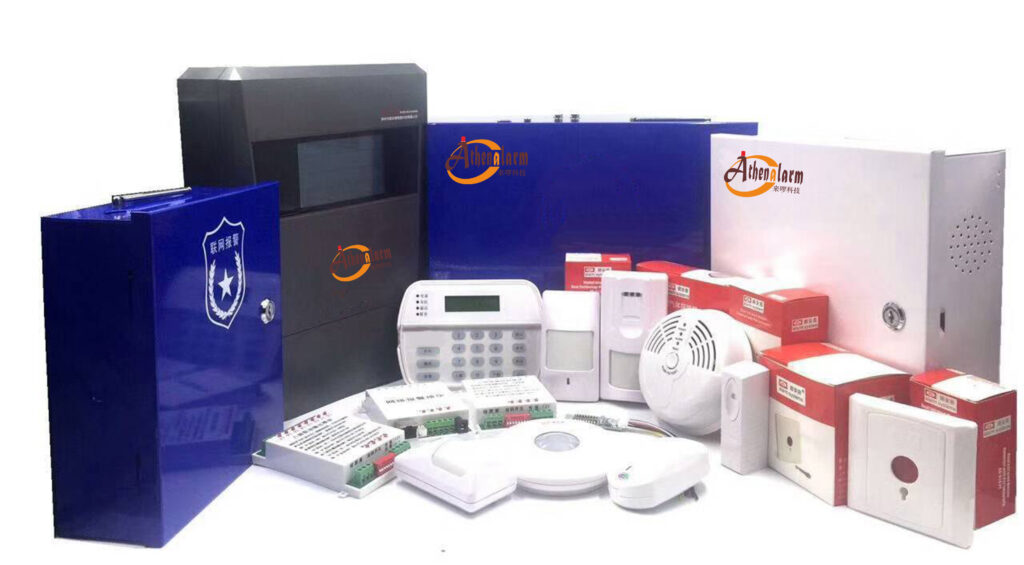
In an era where security threats evolve rapidly—from sophisticated cyber-physical attacks on industrial facilities to opportunistic burglaries in commercial spaces—alarm device manufacturing companies stand at a pivotal crossroads. As experts in the field, we’ve witnessed how companies that once focused solely on producing hardware like sensors and control panels are now compelled to rethink their roles. This in-depth exploration draws on decades of industry experience, market analyses, and real-world case studies to provide a roadmap for transitioning from factory-floor production to global market dominance. Centered firmly on burglar alarm technologies, this guide emphasizes practical, actionable strategies for intrusion alarm system manufacturers and alarm device manufacturing companies specializing in factory security systems.
We’ll delve into global market trends, segmented applications across industrial, commercial, and logistics sectors, and proven tactics for evolving from a single-product supplier to a comprehensive security solutions provider. Additionally, we’ll cover marketing and branding techniques tailored to elevate international customer recognition, all while solving core challenges like market expansion and competitive differentiation. This isn’t abstract theory; it’s a hands-on blueprint designed for decision-makers in the security domain—system integrators, procurement managers, technical engineers, and operational leads—who seek to protect assets, ensure compliance, and drive profitability.
Global Anfang Market Trends: A Data-Driven Overview
The global security market, with intrusion alarm systems at its core, is experiencing robust growth fueled by urbanization, technological advancements, and heightened threat perceptions. According to data from International Data Corporation (IDC), worldwide revenue for security products reached $106.8 billion in 2023, marking a 15.6% increase from the previous year. Projections indicate this will climb to $200 billion by 2028, with a compound annual growth rate (CAGR) in the double digits. Intrusion detection systems, a subset including burglar alarms and factory security systems, are poised for even faster expansion: MarketsandMarkets forecasts a 14% CAGR from 2023-2028, adding $4.65 billion in value.
Key drivers include:
- Rising Threat Landscapes: Geopolitical tensions, supply chain disruptions, and cyber-physical hybrids have amplified demand. For instance, the Intrusion Detection System Market report by SkyQuest highlights that North America alone commands over 25% of the global share, with East and South Asia following at nearly 38% combined, driven by rapid industrialization in China and India.
- Technological Integration: AI, machine learning (ML), and Internet of Things (IoT) are transforming traditional alarms into predictive systems. Grand View Research notes that alarm and notification systems generated $2.7 billion in 2024, expected to hit $4 billion by 2030.
- Regulatory Pressures: Stringent standards like those from the National Security Inspectorate (NSI) in Europe and ANSI/SIA in the US mandate advanced systems, pushing manufacturers toward compliance-focused innovations.
Segmented by application, trends vary:
- Industrial Sector: Valued at a significant portion of the $143.5 billion global security market in 2024 (per Grand View Research), industrial applications emphasize perimeter intrusion detection and asset protection. With factories adopting Industry 4.0, alarm systems now integrate with SCADA (Supervisory Control and Data Acquisition) for real-time monitoring. Trends show a shift to wireless hybrids, reducing installation costs by up to 30% while enhancing scalability for large-scale operations like automotive plants or chemical facilities.
- Commercial Sector: Commercial buildings, including offices and retail, represent the fastest-growing segment with a projected CAGR of 11.4% to $381.7 billion by 2030 (MarketsandMarkets). Here, intrusion alarms focus on access control and video verification, addressing theft rates that affect 75% of retailers annually (per industry surveys).
- Logistics Sector: Warehouses and transportation hubs, part of the broader perimeter security market ($81.4 billion in 2024, growing to $114.2 billion by 2029 at 7% CAGR), prioritize motion detection and geofencing. Logistics faces unique challenges like cargo theft, with AI-driven alarms reducing incidents by 25-40% through predictive analytics.
To illustrate these trends, consider the following table summarizing market projections and key influencers:
| Sector | 2024 Market Value (USD Billion) | Projected 2030 Value (USD Billion) | CAGR (%) | Key Trends/Influencers |
|---|---|---|---|---|
| Industrial | ~35 (est. from overall security) | ~55 | 7.6 | AI integration with ICS; Supply chain vulnerabilities |
| Commercial | 236.9 | 343.7 | 11.4 | Smart buildings; Regulatory compliance in BFSI |
| Logistics | 81.4 (perimeter focus) | 114.2 | 7.0 | IoT for real-time tracking; Rising e-commerce theft |
| Overall Intrusion Alarms | 5.09 | 8.69 | 6.11 | Wireless adoption; Cloud-based monitoring |
These figures underscore the urgency for alarm device manufacturing companies to adapt. Without strategic positioning, firms risk being outpaced by agile competitors like Bosch or Honeywell, who have already pivoted to integrated ecosystems.

Landing Strategies: Transitioning from Single-Product Supplier to Overall Security Scheme Provider
Many intrusion alarm system manufacturers begin as hardware specialists—producing sensors, panels, or sirens on the factory floor. However, customer demands have shifted toward holistic solutions that encompass hardware, software, services, and ongoing support. This transition isn’t just beneficial; it’s essential for survival in a market where integrated systems command 20-30% higher margins (based on Fortune Business Insights data).
Why Transition?
- Customer Pain Points: Procurement teams in industrial settings report frustration with fragmented suppliers, leading to integration headaches and higher total ownership costs.
- Competitive Edge: Companies like ADT (now Everon) have seen valuations soar post-transition, with acquisitions highlighting the value of full-suite offerings.
- Revenue Diversification: Subscription-based monitoring services can add recurring revenue streams, stabilizing cash flow amid hardware commoditization.
Detailed Operation Steps for Transition
Here’s a step-by-step guide, grounded in real-world implementations from firms like Securitas and Honeywell:
1. Assess Current Capabilities (1-3 Months):
- Conduct an internal audit: Map your product portfolio against market needs. Use tools like SWOT analysis to identify gaps (e.g., lack of software integration).
- Gather customer feedback: Survey 50-100 clients via tools like SurveyMonkey, focusing on pain points in factory security systems.
- Benchmark competitors: Analyze leaders via reports from ResearchAndMarkets or IDC to pinpoint their integrated features.
2. Build Strategic Partnerships (3-6 Months):
- Identify allies: Partner with AI providers (e.g., via APIs from companies like Milestone Systems) for video analytics or cloud platforms like AWS for data storage.
- Negotiate agreements: Start with joint ventures for co-developed products, ensuring IP protection through NDAs.
- Example: An intruder alarm manufacturer might collaborate with a software firm to embed ML algorithms, enabling predictive alerts.
3. Expand Product Ecosystem (6-12 Months):
- Develop or acquire complementary tech: Integrate intrusion alarms with access control, video surveillance, and barrier systems.
- Invest in R&D: Allocate 10-15% of revenue to innovations like hybrid wireless-wired systems, reducing deployment time by 40%.
- Certify compliance: Obtain certifications like UL or EN standards to appeal to international markets.
4. Implement Service-Oriented Models (Ongoing):
- Launch managed services: Offer remote monitoring, predictive maintenance, and 24/7 support via cloud platforms.
- Train staff: Upskill engineers through programs like ISA’s industrial security certifications.
- Pilot programs: Test with select clients in logistics, scaling based on metrics like false alarm reduction (target: <5%).
5. Measure and Iterate (Quarterly Reviews):
- Track KPIs: Monitor revenue growth, customer retention (aim for 90%), and NPS scores.
- Adjust based on data: Use analytics from integrated systems to refine offerings.
This phased approach has helped companies like Minuteman Security & Life Safety (acquired by Tenex in 2023) evolve, resulting in expanded market share.
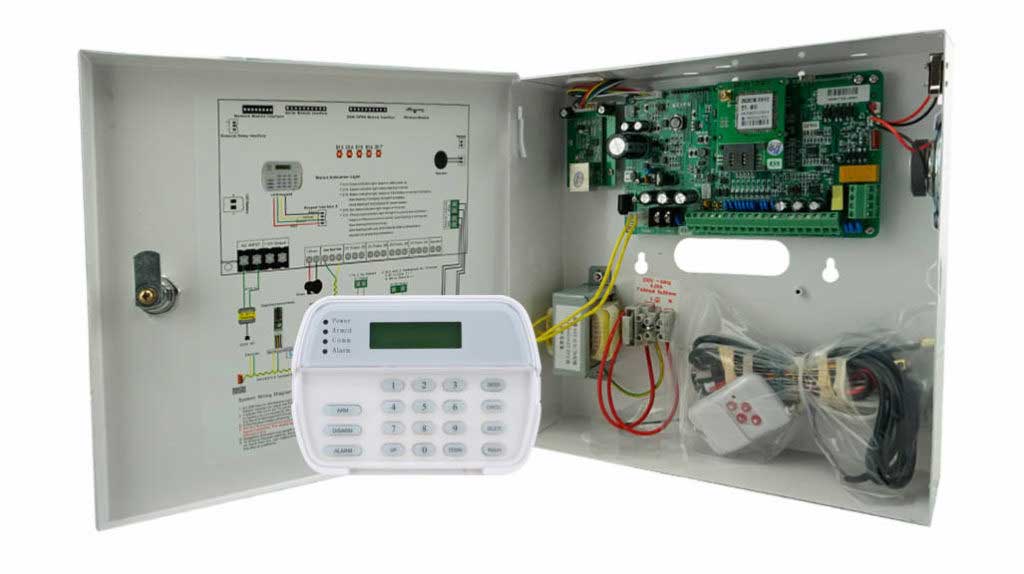
Marketing and Brand Positioning Techniques: Elevating International Client Cognition
For alarm device manufacturing companies, effective marketing isn’t about volume—it’s about precision targeting to build trust among bulk procurers in the anfang field. With international awareness as the goal, strategies must leverage digital channels while emphasizing authority and real-world value.
Core Principles:
- User-Centric Focus: Address pain points like high false alarms (affecting 70% of systems, per industry stats) with educational content.
- Differentiation: Position as innovators in factory security systems, highlighting unique features like AI-driven threat detection.
- Global Reach: Tailor for regions—e.g., compliance-focused in Europe, cost-efficient in Asia.
Detailed Marketing Steps
1. Market Research and Segmentation (Initial Phase):
- Define personas: Target procurement managers in industrial firms (e.g., via LinkedIn data showing 60% decision influence).
- Use tools: Google Analytics and SEMrush to identify search trends for “intruder alarm manufacturers.”
2. Content Marketing for Thought Leadership (Ongoing):
- Create assets: Whitepapers on “AI in Intrusion Alarms for Logistics” or blogs on trends, distributed via email newsletters (open rates: 20-30%).
- SEO Optimization: Incorporate keywords like “alarm device manufacturing company” to rank on page 1, driving 50% more traffic.
3. Digital Advertising and Social Media (6-Month Campaigns):
- PPC on Google/Facebook: Target ads to “factory security systems buyers” with budgets yielding 3-5x ROI.
- LinkedIn Strategies: Post case studies, join groups for anfang professionals, and run sponsored content to reach 10,000+ prospects.
4. Branding Initiatives (Brand Refresh):
- Develop Narrative: Craft a story around “From Factory Innovation to Global Protection,” using power words like “Unbreakable” or “Revolutionary.”
- Events and Partnerships: Exhibit at ISC West or IFSEC, co-host webinars with partners to boost credibility.
5. Conversion Optimization (Measurement):
- Lead Nurturing: Use CRM like HubSpot to track interactions, aiming for 15% conversion from leads to contacts.
- Analytics: Monitor engagement metrics, adjusting for higher ROI channels.
To visualize, here’s a table of marketing tactics and expected outcomes:
| Tactic | Target Audience | Tools/Platforms | Expected Outcome |
|---|---|---|---|
| Content Marketing | Technical/Procurement Staff | Blogs, Whitepapers | 25% increase in website traffic; Thought leadership |
| Digital Ads | Decision-Makers | Google PPC, LinkedIn | 3x ROI; 500+ qualified leads quarterly |
| Events/Webinars | Operational Leads | ISC Events, Zoom | 40% follow-up contacts; Partnerships |
| SEO/Keywords | Global Searchers | SEMrush, Google | Top rankings for core terms; Organic growth |
These techniques, when executed, can transform visibility, as seen with brands like Bosch, whose digital push increased international inquiries by 35%.
Solving User Problems: Market Expansion and Differentiation Roadmap
For manufacturing enterprises, the roadmap integrates all elements:
- Expansion Tactics: Enter new markets via localized partnerships, starting with high-growth areas like Asia (19.7% share).
- Differentiation: Focus on customizable, scalable systems—e.g., modular alarms for logistics reducing downtime by 20%.
- Risk Mitigation: Address uncertainties with hedging, like diversified supply chains amid global disruptions.
In conclusion, by embracing these strategies, alarm device manufacturing companies can not only survive but thrive, turning factory-floor expertise into global leadership in burglar alarm solutions.