
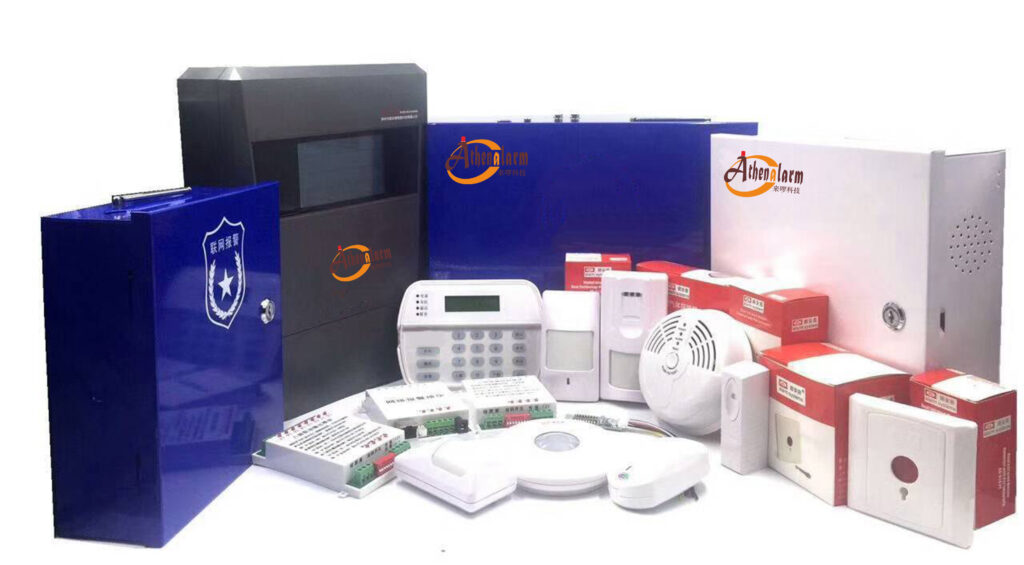
Legacy alarm systems in older buildings frequently fail to meet today’s security demands. Outdated panels, unreliable wiring, and limited detection capabilities lead to frequent false alarms, higher maintenance costs, and increased vulnerability to intrusion. For installers and project managers, retrofitting alarm systems delivers a smarter path forward: enhanced modern intrusion detection with minimal operational disruption.
This guide outlines proven, field-tested best practices for retrofitting legacy alarm systems. It focuses on practical steps that preserve existing infrastructure where possible, ensure UL 681 compliance, and deliver reliable performance upgrades. Follow these strategies to complete projects faster, reduce downtime, and give clients a future-ready security solution.
Why Retrofit Legacy Alarm Systems Now
Older intrusion detection systems—often 15–30 years old—rely on analog phone lines, unencrypted signals, and basic sensors that no longer align with current threats or monitoring standards. Industry experience shows these systems generate significantly more false alarms, leading to municipal fines that can reach hundreds of dollars per incident. They also lack integration with IP-based central stations and modern analytics.
Retrofitting alarm systems addresses these issues directly. A phased upgrade to modern intrusion detection improves detection accuracy, adds encrypted wireless sensors, and enables real-time IP event reporting. According to Security Industry Association (SIA) guidelines, adopting standards like the 2026 revision of SIA DC-09 ensures secure, interoperable communication while maintaining backward compatibility with legacy panels during transition. The result: lower total cost of ownership, fewer service calls, and stronger client satisfaction—without tearing out walls or shutting down buildings.
Step 1: Conduct a Thorough Site Assessment
Every successful retrofit starts with a detailed evaluation. Skipping this step is the most common cause of unexpected delays and cost overruns.
Follow these exact steps:
- Inventory all components: Document the existing control panel, zones, sensors (door contacts, motion detectors, glass-break), wiring runs, and power supplies. Note model numbers and condition.
- Test wiring integrity: Use a multimeter to check continuity, shorts, and ground faults on every zone. Identify reusable runs—most legacy 22-gauge wiring can support hybrid systems.
- Map vulnerabilities: Walk the building with the client to identify blind spots, high-value areas, and environmental challenges (dust, vibration, or temperature swings common in older structures).
- Review communication paths: Confirm current dialer or radio setup. Test signal strength for future IP or cellular upgrades.
- Assess power and backup: Verify the panel’s standby battery meets at least four hours of operation (per UL 681 recommendations for commercial installations).
Document findings in a shared report with photos and zone maps. This assessment typically takes one to two days and prevents 80% of on-site surprises.

Step 2: Create a Phased Retrofit Plan to Minimize Disruption
The golden rule of retrofitting legacy alarm systems is “never rip and replace.” A phased approach lets the old system run in parallel until the new one is fully validated.
Recommended phases:
- Phase 1 (1–2 weeks): Install the new hybrid control panel or communicator alongside the legacy unit. Configure it to monitor the same zones initially.
- Phase 2 (per floor or section): Replace or overlay sensors in low-traffic areas first—use encrypted wireless contacts and dual-tech motion detectors that reuse existing wiring where possible.
- Phase 3: Upgrade communication to SIA DC-09 IP reporting for faster, more reliable central station delivery.
- Phase 4: Full system cutover, testing, and decommissioning of obsolete equipment.
Schedule all work during off-hours or weekends. Use temporary wireless bridges or virtual zones to keep the legacy system active. This method keeps buildings fully protected and operational throughout the project.
Step 3: Choose the Right Modern Intrusion Detection Components
Select gear that maximizes compatibility and minimizes new cabling:
- Hybrid control panels: Look for models that support both legacy hardwired zones and modern IP/wireless inputs.
- Encrypted wireless sensors: 128-bit or higher encryption eliminates the need for new conduit runs in historic or difficult-to-access buildings.
- Advanced motion and glass-break detectors: Dual-technology (PIR + microwave) sensors reduce false alarms caused by pets, HVAC, or sunlight—common complaints in older structures.
- IP communicators compliant with SIA DC-09 (2026): These provide supervised, encrypted event transmission with autocommissioning and key rotation for enhanced cybersecurity.
Prioritize UL-listed components to maintain or upgrade the system’s certification level under UL 681.
Step 4: Step-by-Step Installation Process
Here is the exact sequence that experienced teams follow:
- Install the new panel/communicator in the same location or a nearby rack. Wire it in parallel to the legacy panel using zone splitters or relays where needed.
- Add wireless devices: Pair encrypted sensors one zone at a time. Most modern panels auto-detect and supervise them immediately.
- Migrate existing wired zones: Move one zone at a time to the new panel. Test supervision after each migration.
- Configure IP reporting: Enter receiver details per SIA DC-09 guidelines. Perform a test transmission to the central station.
- Integrate optional layers: Add video verification or analytics if the client requests enhanced intrusion detection.
Complete each zone migration in under 30 minutes during low-occupancy periods. Total hands-on installation time per average commercial floor is typically one to two days.

Step 5: Rigorous Testing, Commissioning, and Training
Never declare a retrofit complete without full validation:
- Perform a complete walk test on every sensor.
- Simulate intrusions and verify central station receipt within seconds.
- Check battery backup and tamper circuits.
- Document all settings for future service.
Train end-users and facility staff on the new keypad, mobile app, and arming procedures—15-minute sessions are usually sufficient. Provide a one-page quick-reference guide.
Final UL 681-compliant inspection ensures the upgraded system qualifies for insurance credits and maintains high-security classification.
Real-World Case Study: Historic Office Building Retrofit
A 1920s multi-tenant office building in a major U.S. city faced frequent false alarms and obsolete phone-line reporting. The project team assessed the site, retained 70% of the original wiring, and deployed a hybrid panel with wireless perimeter sensors. Using a phased weekend schedule, they completed the retrofit in four weeks with zero building downtime. False alarms dropped by over 85% within the first quarter, and the central station now receives encrypted SIA DC-09 events in real time. The client reported full ROI within 18 months through reduced service calls and insurance savings.
Common Pitfalls and How to Avoid Them
- Underestimating wiring condition: Always test before assuming reuse. Budget 10–15% contingency for spot repairs.
- Ignoring cybersecurity: Legacy panels lack encryption—always upgrade communicators to current SIA standards.
- Rushing cutover: Keep the legacy system live until the new one passes 72 hours of supervised testing.
- Poor documentation: Maintain digital records of every zone migration for warranty and future expansions.
Deliver Reliable Results Every Time
Retrofitting legacy alarm systems is not about replacing everything—it is about intelligently upgrading to modern intrusion detection while protecting your clients’ operations and budgets. By following these best practices, conducting thorough assessments, and adhering to SIA DC-09 and UL 681 standards, installers and project managers can complete projects with minimal disruption and maximum client value.
Implement this guide on your next retrofit, and you will set a new standard for professionalism in the intrusion detection industry. For technical teams seeking templates, checklists, or compatibility matrices, reach out to industry peers or certified integrators who specialize in hybrid alarm deployments. The buildings you upgrade today will remain secure and serviceable for decades to come.