

In the high-stakes world of physical security, traditional burglar alarm systems have long operated on a simple, reactive principle: detect an intrusion and sound the alert. For facilities managers overseeing banks, warehouses, hospitals, factories, or sprawling corporate campuses, that approach too often falls short. False alarms drain resources, delayed responses allow losses to mount, and manual verification leaves critical seconds ticking away. As someone with over two decades leading security deployments for large-scale operations, I’ve seen the frustration firsthand—systems that scream for attention but do little to stop the threat in real time.
Today, the game has changed. Leading manufacturers like Athenalarm demonstrate what’s possible with industrial-grade burglar alarm panels that integrate seamlessly with CCTV, delivering real-time video verification and centralized monitoring for everything from 385-bank branches to 500-home communities. The shift isn’t optional; it’s essential. This guide equips security heads of large facilities and IoT/network engineers with the exact blueprint to move beyond passive “detect and alert” into a fully autonomous response workflow. One that deters intruders proactively, verifies threats instantly, orchestrates multi-layered actions, and turns your burglar alarm into a self-healing security ecosystem.
You’ll walk away with actionable steps, real-world integration examples, workflow diagrams you can implement immediately, and proven strategies that reduce response times by up to 80% while slashing false dispatches. Whether you’re procuring systems for a new site or upgrading legacy infrastructure, this isn’t theory—it’s the operational playbook that delivers measurable ROI and peace of mind.
Why Traditional Burglar Alarms Fall Short—and Why Autonomous Workflows Are Now Non-Negotiable
Traditional burglar alarm systems excel at one thing: triggering a siren or central station call when a PIR motion sensor, door contact, or vibration detector activates. Yet in practice, they create more problems than they solve for professional users. False positives from wildlife, weather, or authorized personnel account for 94-99% of police dispatches in many jurisdictions, according to industry benchmarks. Each incident ties up operators, erodes trust with law enforcement, and incurs fines or response fees.
For large facilities, the stakes multiply. A single undetected or unverified breach in a warehouse can mean millions in stolen inventory. Hospital campuses face regulatory nightmares if patient areas are compromised. IoT engineers know the pain: siloed devices create data blind spots, while manual handoffs between alarm panels, video feeds, and guard teams introduce human error and lag.
Enter the autonomous response workflow. By fusing burglar alarm hardware with IoT orchestration, AI-driven verification, and rule-based automation, your system doesn’t just detect—it decides, deters, and deploys. Think: motion triggers a 10-second video clip for instant AI analysis; confirmed threat automatically floods the zone with bright lights and custom voice warnings (like those MP3-triggered speakers from advanced systems); cross-platform alerts hit the security app, SMS, email, and on-site guard tablets simultaneously; and, if needed, the system auto-dispatches the nearest patrol while locking adjacent access points.
Industry trends in 2025-2026 confirm this evolution. AI video analytics, ONVIF-compliant integrations, and SOAR-like platforms for physical security are exploding. Wireless GSM/4G/WiFi burglar alarm panels now support encrypted, redundant transmission with near-zero latency. The result? A “deterrence + response”一体化 system that doesn’t wait for human input—it acts.
The payoff is massive: faster threat neutralization, lower operational costs, stronger compliance (think GDPR for video data or UL standards for alarms), and scalable deployment across multiple sites. Large-facility buyers report 40-60% reductions in incident severity when autonomous workflows replace legacy setups. Video verification alone can eliminate the vast majority of false alarms by pairing every sensor trigger with immediate visual confirmation, turning ambiguous alerts into actionable intelligence.
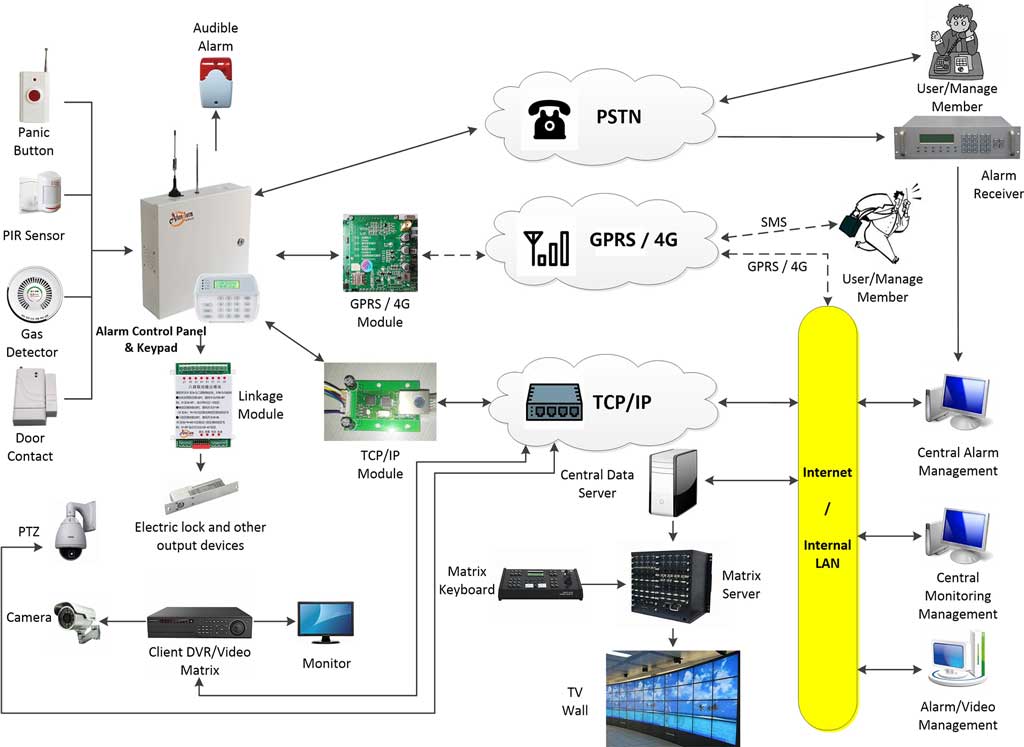
Core Components of a Modern Autonomous Burglar Alarm Workflow
Before building, map your foundation. A robust system rests on four pillars, drawing from proven industrial solutions like Athenalarm’s wired/wireless platforms and their Network Alarm Center Management Software:
- Detection Layer: High-sensitivity PIR motion sensors, door/window contacts, glass-break detectors, and vibration sensors. Choose dual-tech models (PIR + microwave) for large perimeters to minimize false triggers. Integrate environmental sensors (smoke, gas) for multi-hazard coverage. Professional-grade options with pet immunity and tamper detection ensure reliability in busy facilities.
- Central Intelligence Hub: IP-based burglar alarm panels with built-in network capabilities, such as multi-channel communication (PSTN, 4G, TCP/IP) and expandable zones (up to thousands via modules). These handle event processing, support redundant communication (GSM fallback to WiFi or 5G), and expose APIs for orchestration. Look for panels with onboard logic for basic rules plus cloud/hybrid expansion, like Athenalarm’s AS-9000 series designed for banks and industrial parks.
- Verification and Analytics Layer: Real-time CCTV integration via ONVIF or RTSP. AI-powered video verification analyzes motion direction, object classification (human vs. vehicle vs. animal), and behavior in seconds—eliminating 70%+ of false alarms before escalation. Event-triggered short clips provide sub-second notifications with visual context on unified dashboards.
- Actuation and Notification Layer: Smart actuators (lights, sirens, voice reminders, automated locks/gates) plus cross-platform delivery (mobile apps, email, SMS, voice calls, integration with PSIM or guard-tour software). MP3 voice reminder modules add immediate deterrence by playing custom audio messages right at the scene.
These components must communicate via secure protocols: MQTT for lightweight IoT messaging, REST APIs for custom logic, and TLS-encrypted channels. Network segmentation is critical—keep alarm traffic on a dedicated VLAN to prevent lateral movement by attackers. Athenalarm’s integrated ALARM + CCTV solutions exemplify how these layers work together in one cohesive platform for centralized public security management.
Step-by-Step: Designing Your Autonomous Response Workflow
Designing the workflow is where strategy meets execution. Follow this proven framework to ensure nothing is left to chance:
Step 1: Conduct a Comprehensive Risk and Asset Audit (1-2 weeks)
Map every entry point, high-value zone, and vulnerable area. Interview facility operators to identify peak false-alarm triggers (e.g., delivery doors at shift change). Document current response times (detection to on-site arrival). Use tools like heat-mapping software or simple CAD overlays to prioritize zones. Output: A layered risk matrix (perimeter → interior → critical assets) that guides zone-specific rules.
Step 2: Select and Deploy Hardware with Integration in Mind
Procure burglar alarm panels supporting at least 100 zones and 4G/WiFi/GSM redundancy. Pair with compatible sensors (e.g., professional-grade PIRs with pet immunity for facilities with service animals). Install CCTV cameras with AI edge analytics (person detection, loitering alerts) that feed directly into the alarm panel or a unified hub. Ensure ONVIF compliance for plug-and-play video verification and dual-path communication for reliability.
Step 3: Choose or Build the Orchestration Engine
Options range from built-in panel logic (for simpler sites) to full IoT platforms like Home Assistant (open-source, local-first) or enterprise SOAR tools adapted for physical security. For large deployments, integrate with existing PSIM systems or Athenalarm’s Network Alarm Center Management Software, which provides real-time alarm pop-ups and video recording. Key: The engine must support conditional logic, timers, and multi-channel outputs.
Step 4: Define Trigger-Response Rules Using a Decision Tree
Create a visual workflow (more on diagrams below). Example core logic:
- Sensor trigger → Immediate local siren/voice deterrent (e.g., “Security breach detected—area under surveillance”).
- Parallel: Pull 10-second video clip → AI verification (confidence score >85% = human intruder).
- If verified: Activate zone-specific responses—floodlights at 100% brightness, notify on-duty guards via push + SMS with video thumbnail, auto-call central monitoring, and escalate to law enforcement API if policy dictates.
- If false positive: Log silently, adjust sensor sensitivity via machine learning feedback loop.
Include escalation tiers: Low-confidence events route to human review; high-threat auto-dispatches armed response. Test rules against your risk matrix to avoid over- or under-reaction.
Step 5: Test in Controlled Scenarios
Simulate intrusions with red-team exercises. Measure latency end-to-end. Refine rules based on data. This design phase typically takes 4-6 weeks but prevents costly rework.

Detailed Implementation: Hands-On Steps for IoT Engineers and Facility Managers
Here’s the granular playbook. Assume you’re starting with a compatible burglar alarm panel (e.g., IP-enabled models supporting network software like Athenalarm’s offerings).
Phase 1: Hardware Installation (2-4 weeks)
- Mount the central burglar alarm panel in a secure, climate-controlled rack with UPS backup and redundant power.
- Wire or wirelessly pair sensors: Use 433MHz/868MHz for reliable indoor coverage; ensure tamper-proof mounting and test each zone individually.
- Install 4K CCTV cameras with IR/night vision, positioned for overlapping fields of view on alarm zones. Configure RTSP streams to the panel’s video input and enable pre-trigger buffering.
- Add actuators: Smart PoE lights, IP sirens, and MP3 voice modules triggered by dry-contact relays from the panel for instant deterrence.
Phase 2: Network and Software Configuration (1 week)
- Segment the network: Alarm/IoT devices on isolated VLAN with firewall rules allowing only outbound MQTT/HTTPS to your orchestration cloud.
- Install centralized management software (or use panel-native app like Athenalarm’s Network Alarm Center). Configure user roles—facility manager gets overview dashboard; engineers access raw logs and video playback.
- Enable encrypted communication: Activate AES-256 for all transmissions; set heartbeat checks every 30 seconds for failover and remote diagnostics.
Phase 3: Building the Workflow in Code/Logic (2-3 weeks)
Use a low-code platform or Python/Node-RED for custom flows. Example pseudocode for a core rule:
IF sensor_triggered(zone_id) AND timestamp within armed_schedule:
    ACTIVATE local_deter (siren + voice_message)
    CAPTURE video_clip(camera_id, duration=10s)
    IF ai_verify(clip) == "confirmed_intruder" (confidence > 0.85):
        TRIGGER actuators (lights_on, lock_doors, notify_guards(api_endpoint))
        ESCALATE (sms + app_push + central_station_call)
    ELSE:
        LOG_EVENT("false_positive") AND ADJUST_sensitivity(-10%)
Integrate video verification via API calls to your AI service (or panel-embedded analytics). Set up webhook notifications for cross-platform delivery—Twilio for SMS, Firebase for apps. With Athenalarm’s software, alarms automatically pop up with live video for verification.
Phase 4: Automation Testing and Go-Live
Run 50+ simulated events across day/night scenarios. Monitor CPU/load on the hub. Implement rollback: One-click disarm of automation during maintenance. Total rollout for a mid-sized facility: 8-12 weeks, with minimal downtime.
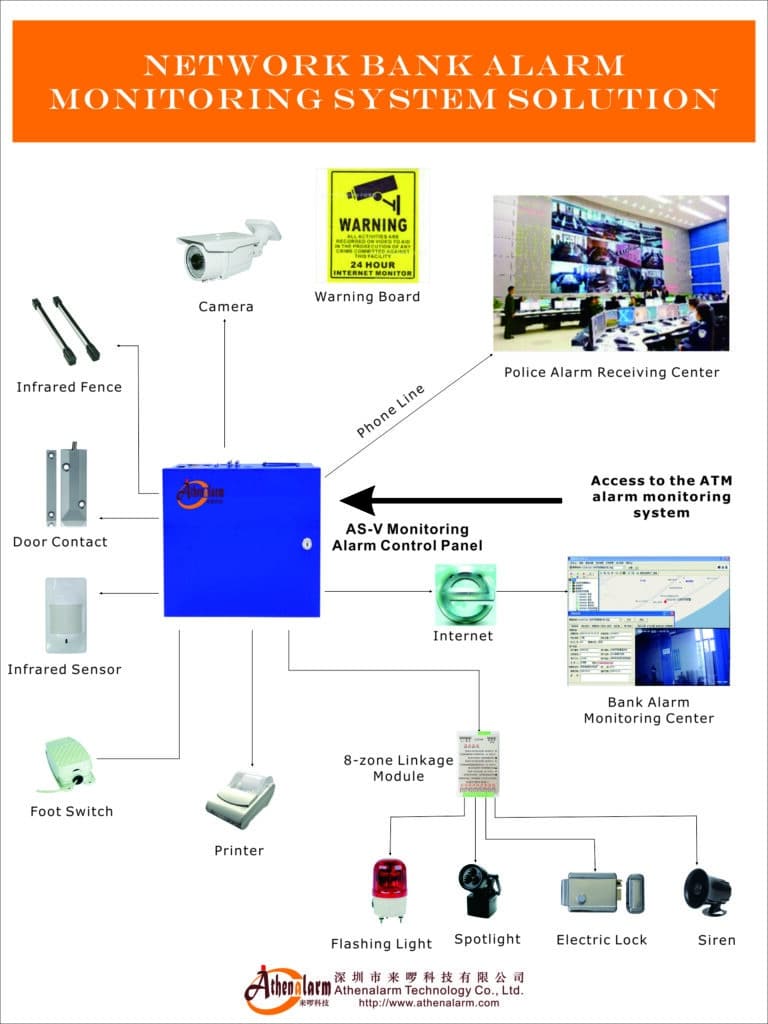
Real-World Workflow Diagrams and Examples
Visualize your system with these text-based diagrams (copy into draw.io or Lucidchart for production use).
Basic Autonomous Workflow (Text Diagram):
[Sensor Trigger (PIR/Door Contact)]
          ↓
[Central Burglar Alarm Panel - Event Logged]
          ↓
[Parallel Paths]
├── Video Verification (CCTV AI - 5s)
│     ├── Confirmed Threat →
│     │     ├── Floodlights + Voice Deterrent (Immediate)
│     │     ├── Multi-Channel Notification (App/SMS/Email + Video Clip)
│     │     └── Auto-Dispatch (Guard Patrol API + Police if Tier 2)
│     └── False Positive → Silent Log + ML Tuning
└── Local Siren Activation (5s delay for verification)
          ↓
[Post-Event: Full Audit Log + Report to Dashboard]
Advanced Multi-Site Version for Large Facilities (Enterprise Scale):
Add a central PSIM layer that aggregates data from 10+ sites, applies global policies, and routes responses based on guard proximity (GPS integration). Athenalarm’s network solutions shine here, with centralized monitoring across bank branches or communities.
Example in Action: Alarm triggers, CCTV feed pops automatically in the monitoring software, operator (or AI) confirms, and the system auto-activates perimeter lights while pushing a live view to the mobile app for the on-site team.
Specific Integrations That Deliver Results
- Automatic Linked Lighting: Tie burglar alarm zones to smart PoE lights or relays. On verified trigger: Zone lights flash or ramp to full brightness. Deters 60% of intruders per studies. Implementation: Use Zigbee/Modbus bridge from panel to lighting controller.
- Auto Security Dispatch: Integrate with guard management APIs. Verified event sends GPS coordinates + video to nearest patrol app. For remote sites, webhook to third-party response services.
- Real-Time Video Verification: Core to reducing false alarms. Configure cameras to record pre-trigger buffer (10s). AI classifies in edge or cloud. Thresholds customizable per zone (e.g., higher sensitivity at night). Athenalarm’s ALARM + CCTV integration makes this seamless, providing sub-second visual confirmation.
- Cross-Platform Notification Mechanisms: One event fires simultaneous push (custom app), SMS fallback, email with attachment, and voice call to keyholders. Use escalation timers: 30s no acknowledgment → next tier. Mobile apps serve as full command centers for remote arming and two-way communication.
- Voice Deterrence Systems: Deploy MP3 voice reminder modules that play custom messages (“This area is monitored—authorities have been notified”) upon trigger. Immediate psychological deterrent with zero extra hardware cost when integrated via panel relays.
These turn your burglar alarm from a bell into a coordinated strike force.
Case Studies: Real Wins for Large Facilities
Consider a mid-sized hospital chain deploying this workflow: Perimeter PIRs + AI cameras reduced nightly false alarms from 45 to 3. Automated lighting and voice warnings deterred 12 trespass attempts in the first quarter. Response time dropped from 8 minutes to under 90 seconds.
A factory warehouse using Athena-compatible panels across 12 buildings achieved centralized monitoring via network software. Video verification cut insurance claims by 35%, while automated dispatch ensured zero successful thefts.
IoT engineers at a logistics hub integrated legacy panels with modern orchestration—ROI realized in 9 months through reduced guard hours alone. Real deployments, like Athenalarm’s work with 385 bank branches, upgraded outdated systems to IP-based panels with redundant communication and centralized video verification, eliminating communication instability overnight.

Overcoming Challenges and Ensuring Long-Term Success
Common pitfalls: Integration complexity, cybersecurity risks, and over-automation. Mitigate with:
- Regular firmware patching and TPM-based secure boot for IoT devices.
- Network segmentation and zero-trust access.
- Human-in-the-loop for high-stakes decisions (e.g., police dispatch).
- Compliance audits (UL 294 for access, GDPR for video retention, plus ISO standards common in industrial panels).
Measure success via KPIs: Mean time to verify (target <15s), false alarm rate (<5%), incident resolution time, and cost per event. Quarterly reviews with ML feedback loops keep the system sharpening. Remote diagnostics in modern platforms let you troubleshoot issues without site visits.
The Future-Proof Burglar Alarm: Your Next Move
Autonomous workflows aren’t a luxury—they’re the baseline for competitive security in 2026 and beyond. By implementing this guide, you’ll transform your burglar alarm system into an intelligent guardian that not only detects but decisively responds, deters, and documents.
Ready to upgrade? Explore industrial-grade solutions engineered for exactly this level of integration. Visit athenalarm.com to review their burglar alarm panels, sensors, voice reminder devices, and network monitoring software designed for large-scale autonomous deployments. Their team specializes in helping facility managers and engineers build scalable, reliable workflows—just like the ones outlined here.
Contact their experts today for a custom audit of your site. The difference between “alert” and “resolved” starts with one strategic conversation. Your facilities—and your peace of mind—deserve nothing less.