
I. Introduction
In today’s increasingly connected business environment, small and medium-sized enterprises (SMEs) are no longer immune to sophisticated security threats. According to recent industry data, over 43% of physical security incidents now target SMEs—often due to inadequate surveillance, outdated alarm systems, or poor integration between physical and digital protection layers.
This blog explores real-world SME Smart Security Case studies, demonstrating how intelligent security systems can be effectively deployed to protect assets, enhance operational efficiency, and reduce long-term costs. Through detailed examples from retail, office, and manufacturing sectors, this article aims to educate SMEs on practical strategies for adopting smart security technology that fits their scale and budget.
By the end, you’ll understand not only what technologies are driving SME smart security adoption but also how successful companies are implementing them in the field.
II. Understanding Smart Security for SMEs
Definition and Key Components
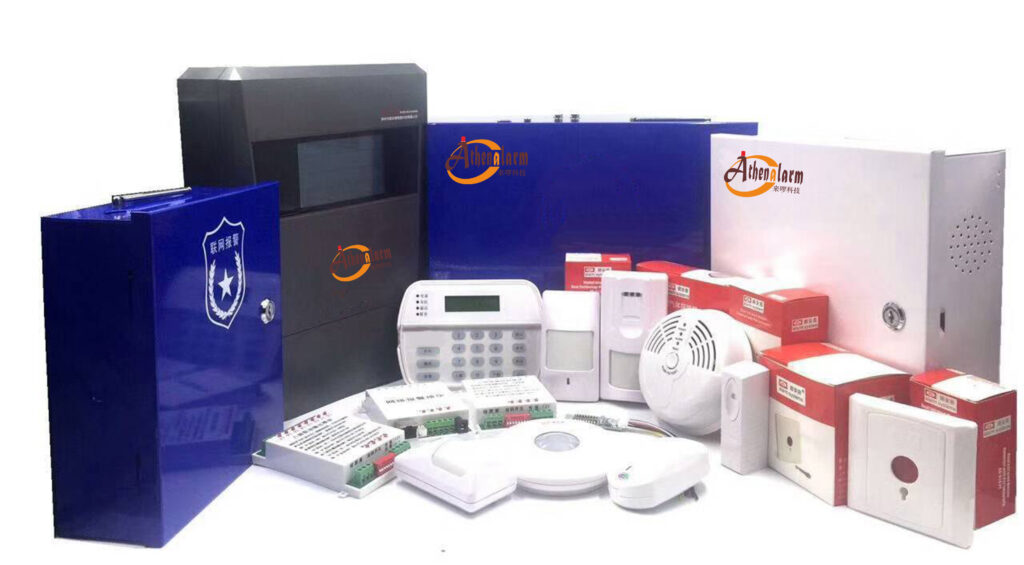
Smart security systems combine advanced technologies like AI-powered video analytics, IoT-based sensors, access control solutions, and cloud-enabled monitoring to provide proactive and real-time protection. These systems can detect unusual behaviors, automate alerts, and integrate seamlessly with mobile applications for remote control.
Benefits for SMEs
For SMEs, smart security delivers multiple benefits:
- 24/7 monitoring with instant alerts through mobile or cloud dashboards
- Reduced false alarms via intelligent threat analysis
- Scalability — systems that grow as your business expands
- Cost efficiency and ROI, as preventive security often reduces losses and insurance premiums
According to Gartner’s latest report, businesses that adopt AI-integrated surveillance experience up to 60% fewer false alarms and achieve measurable ROI within the first year.
Common Challenges
However, SMEs often face challenges including budget limitations, integration with legacy systems, and data privacy compliance. The case studies below highlight how businesses overcame these barriers through smart planning and phased implementation.
III. Case Study 1: Retail Store Implementation
Background
A boutique retail chain was struggling with repeated shoplifting and inventory shrinkage. Their legacy CCTV system offered no intelligence—only footage after incidents occurred.
Solution Deployed
The store adopted a smart surveillance system featuring:
- AI-based video analytics for anomaly and theft detection
- Facial recognition for identifying repeat offenders and VIP customers
- Integrated alarm systems connected to the cloud for instant alerts
Implementation Process
The rollout involved:
- Security assessment and system design
- Vendor selection with focus on AI accuracy and affordability
- Installation during off-hours to avoid disruption
- Staff training for incident response and dashboard management
Results and Lessons Learned
Within six months, theft incidents dropped by 45%, and employee confidence improved significantly. The store discovered that investing in an adaptive security system offered faster ROI than traditional CCTV—a key educational takeaway for other SMEs with small retail spaces.
Educational Insight
This SME Smart Security Case demonstrates that smart surveillance doesn’t have to be expensive—scalable AI systems can deliver measurable security and customer engagement benefits even for small retailers.
IV. Case Study 2: Office Building Security Upgrade
Background
A mid-sized accounting firm faced issues with unauthorized after-hours access and insufficient visitor tracking.
Solution Deployed
The company implemented:
- Biometric access control and smart locks
- IoT sensors for detecting environmental hazards like smoke or water leaks
- Cloud-based monitoring apps for remote management
- Integration with existing IT systems for data consistency
Implementation Process
Deployment was executed in three phases to ensure minimal downtime:
- Infrastructure compatibility testing
- Secure network integration with encrypted communication
- Employee onboarding and compliance training
Results and Lessons Learned
Post-deployment, unauthorized access incidents decreased by 70%, and the firm achieved full compliance with local data protection and building safety standards.
Educational Insight
This SME Smart Security Case highlights how data analytics and cloud integration enable proactive security management—transforming reactive protection into predictive safety.
V. Case Study 3: Manufacturing Facility Enhancement
Background
A small electronics manufacturer faced risks from equipment tampering, worker safety incidents, and supply chain disruptions.
Solution Deployed
They introduced:
- AI perimeter surveillance with motion analytics
- IoT-enabled asset tracking to monitor tools and materials
- Automated emergency response systems connected to local authorities
Implementation Process
The company began with a detailed site risk assessment, followed by close collaboration between the IT and operations teams to ensure seamless integration with production systems.
Results and Lessons Learned
The facility achieved a 50% reduction in downtime, lower insurance premiums, and improved compliance with safety standards.
Educational Insight
This SME Smart Security Case shows how smart security enhances operational resilience—a critical factor for SMEs in industrial environments where continuity and worker safety are top priorities.
VI. Best Practices and Recommendations
Selection Criteria
When selecting a smart security provider, SMEs should evaluate:
- Accuracy of AI analytics
- System scalability
- User-friendliness of dashboards
- Post-installation support and data privacy guarantees
Integration Tips
Integrate security data with existing business tools such as CRM or ERP systems to gain deeper operational insights and unified management.
Future Trends
Emerging technologies like Edge AI, 5G connectivity, and predictive analytics are redefining the future of SME security—enabling faster processing and greater automation.
(Tip: Include “SME Smart Security Case” in your online research to discover similar success stories and evolving solutions.)
VII. Conclusion
Smart security is no longer a luxury—it’s a necessity for SMEs seeking sustainable growth and risk mitigation. Through these real-world SME Smart Security Case studies, we’ve seen how intelligent security deployments can enhance safety, reduce costs, and empower small businesses to compete with confidence.
Now is the time for SME owners to assess their current systems, explore intelligent alternatives, and consult with trusted security experts to create a tailored deployment plan.