
Introduction
Every year, businesses worldwide lose billions to theft, vandalism, and internal shrinkage. According to the National Retail Federation (NRF), U.S. retailers alone suffered over $112 billion in inventory losses in 2022, a figure that continues to rise with increasing sophistication in criminal tactics. For many enterprises, these losses represent more than just stolen goods—they reflect lost productivity, increased insurance premiums, and damaged reputations.
That’s why conducting a Security System ROI Analysis has become a vital step in every business’s risk management strategy. ROI, or Return on Investment, measures the financial benefits gained from implementing an advanced security system compared to the total cost of ownership—including equipment, installation, and ongoing maintenance.
While the upfront expense of an enterprise-grade theft alarm system may seem significant, a detailed ROI analysis often reveals long-term financial and operational advantages that far outweigh initial costs. This article provides a comprehensive, expert-led breakdown of how businesses can evaluate, calculate, and optimize ROI from their security investments.
Understanding the Costs of Enterprise Theft Alarm Systems
1. Initial Investment
The cost of a commercial alarm system depends on the scope and sophistication of the deployment:
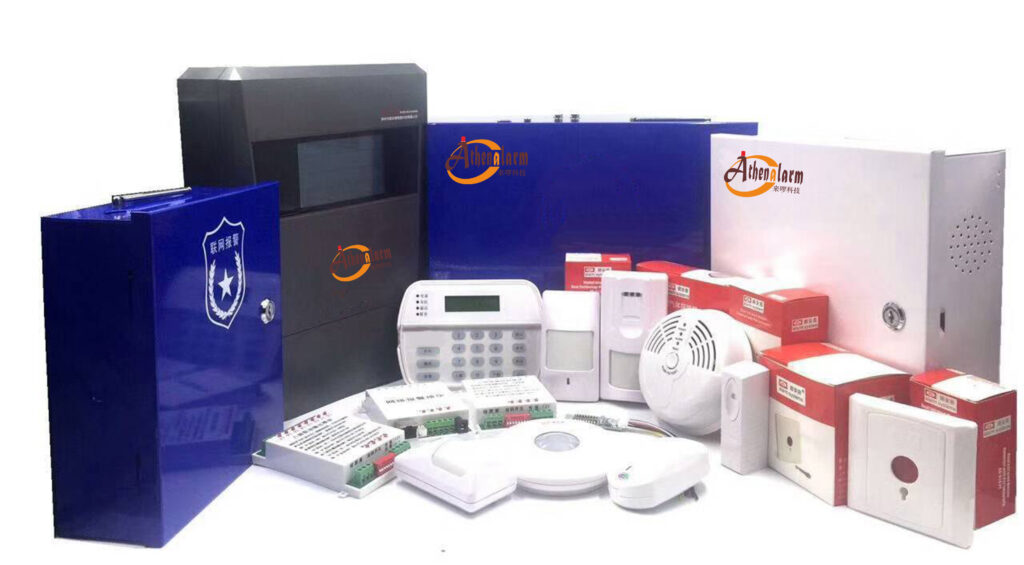
- Hardware: Sensors, motion detectors, cameras, control panels, and sirens.
- Installation and Integration: Labor for setup, wiring, and connection with existing IT infrastructure.
- Customization: Tailored software dashboards, mobile alert integration, or integration with access control and surveillance systems.
For example, a small retail store may spend around $5,000–$10,000, while a large logistics hub could invest over $100,000 depending on system complexity.
2. Ongoing Expenses
Businesses must account for:
- Monitoring services (24/7 central station or cloud-based monitoring)
- Regular maintenance and testing
- Software updates and cybersecurity patches
- False alarm fees (if applicable in local jurisdictions)
3. Cost Drivers and Budgeting Tips
Factors influencing total cost include facility size, threat profile, and chosen technology (traditional wired vs. AI-enhanced smart systems).
Expert insight: Many businesses underestimate integration costs—such as linking alarms with building management or IoT platforms. When budgeting, always allocate 10–15% of total cost for integration and future upgrades to ensure accurate ROI projections.
Key Benefits and Value Drivers of Theft Alarm Systems
1. Risk Mitigation
Modern alarm systems can reduce theft and unauthorized access by up to 70%, according to industry benchmarks. Smart analytics detect unusual patterns—like off-hours access or repeated failed entries—allowing early intervention and minimizing losses.
2. Insurance Premium Reductions
A properly certified alarm system can reduce insurance premiums by 10–20%, especially when integrated with video verification or dual-path communication. Many insurers offer additional incentives for UL-certified monitoring centers.
3. Operational Efficiencies
Beyond protection, security systems can streamline operations:
- Integrate with employee access logs for better accountability.
- Provide real-time alerts to managers via mobile apps.
- Reduce downtime through automated system diagnostics.
4. Intangible Returns
Security investments build trust—with customers, employees, and partners. A secure environment reinforces your brand reputation, ensures regulatory compliance (such as PCI DSS for retailers), and improves employee morale by promoting workplace safety.
Expert note: Think of a robust alarm system as risk insurance that pays dividends daily—by preventing loss, improving efficiency, and enhancing brand credibility.
How to Calculate ROI for Your Security System
Step-by-Step Guide
ROI Formula:
ROI=(Net Benefits−Investment Costs)/Investment Cost×100%
Where:
- Net Benefits = Value of prevented losses + operational savings + insurance discounts.
- Investment Costs = Total hardware, installation, and maintenance costs.
Identify Key Metrics
Quantifiable indicators include:
- Value of theft incidents prevented.
- Reduction in insurance costs.
- Decrease in employee-related losses.
- Energy and operational savings through smart automation.
Tools and Methods
Businesses can use:
- Spreadsheets with historical loss data.
- ROI calculators from reputable vendors like Honeywell or Bosch Security.
- Professional consultations for site-specific risk modeling.
Timeframe for ROI Evaluation
A 3–5-year assessment period provides the most accurate view, accounting for depreciation, system updates, and evolving threat environments.
Expert tip: Adjust calculations for local crime rates and inflation. In high-risk regions, ROI may be realized up to 50% faster due to higher baseline savings from loss prevention.
Case Studies and Real-World Examples
Case Study 1: Mid-Sized Retail Chain
- Initial Investment: $45,000
- System Features: Smart sensors, cloud monitoring, video verification.
- Results: Reduced annual theft by 60%, saving $70,000 per year.
- Calculated ROI: 155% in two years.
Case Study 2: Manufacturing Facility
- Initial Investment: $120,000
- System Features: Integrated IoT sensors, predictive alerts, and access management.
- Results: Reduced downtime by 30%, prevented multiple equipment thefts, and improved insurance premiums by 15%.
- ROI: 120% over three years.
Lessons Learned:
- Tailored system design yields faster payback.
- Integration with analytics platforms improves risk prediction.
- Continuous audits maintain high ROI through system optimization.
Potential Challenges and Mitigation Strategies
1. High Initial Costs
Solution: Opt for modular, scalable systems—start with critical zones and expand gradually.
2. Technology Obsolescence
Solution: Choose vendors that offer firmware upgrades, cloud-based management, and backward compatibility.
3. Integration Hurdles
Solution: Work with certified installers and ensure open-protocol systems for seamless integration with future technologies.
4. Ensuring Long-Term ROI
Future-proofing Strategy:
Adopt AI-driven analytics and cloud monitoring to anticipate threats, reduce false alarms, and enhance system intelligence—extending operational life and maximizing returns.
Conclusion
A thorough Security System ROI Analysis empowers businesses to make informed, data-backed decisions. By balancing upfront investment against measurable and intangible returns—such as risk reduction, insurance savings, and operational efficiency—companies can achieve both financial protection and strategic value.
Final Expert Note:
With over a decade of experience in enterprise alarm technology and system integration, I’ve witnessed how businesses that treat security as an investment rather than an expense outperform competitors in both safety and profitability.