

1. Introduction
In an era where cyber threats and physical intrusions evolve rapidly, deploying a robust network alarm monitoring system can mean the difference between proactive response and costly downtime. Whether you’re securing a corporate office, a critical infrastructure facility, or a multi-site enterprise, a network alarm monitoring system is essential for safeguarding assets, data, and personnel.
What is Network Alarm Monitoring?
Network alarm monitoring integrates various sensors, alarm systems, and network infrastructure to detect, report, and respond to security events in real-time. These systems are designed to offer continuous surveillance, sending alerts whenever suspicious activity is detected, enabling immediate response to prevent or mitigate damage.
Purpose of this Guide
This blog will walk IT professionals, security engineers, and facility managers through a practical, step-by-step deployment of a network alarm monitoring system. By following this guide, you’ll gain a comprehensive understanding of the tools, processes, and best practices required for successful implementation.
About the Author
As a seasoned security expert with over 15 years of experience deploying enterprise-level alarm systems, I’ve helped businesses of all sizes enhance their security infrastructure. My approach blends technical expertise with hands-on experience, ensuring a reliable and scalable deployment for every scenario.
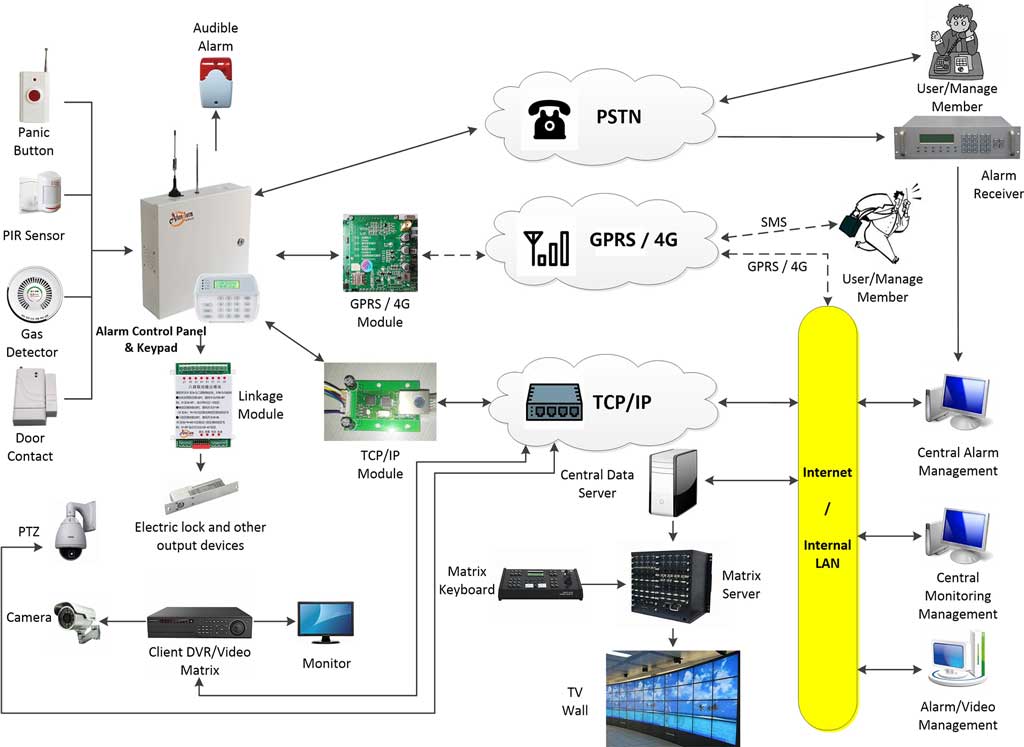
2. Understanding Network Alarm Monitoring Systems
Key Components
A typical network alarm monitoring system consists of several critical components:
- Sensors/Detectors: These include motion detectors, door/window contacts, glass break detectors, and environmental sensors (e.g., temperature, humidity).
- Central Monitoring Unit: The brain of the system, which processes data from sensors and triggers alarms when predefined conditions are met.
- Network Protocols: SNMP, MQTT, and other protocols help communicate between devices, sending alarm triggers and status updates to a centralized system.
- Cloud Integration: Many modern systems integrate with cloud platforms for real-time data storage, remote access, and centralized management.
- Notification Mechanisms: Email, SMS, or API-based notifications inform stakeholders of an alarm event.
Benefits
Network alarm systems offer a variety of benefits:
- Real-Time Alerts: Immediate notifications of security breaches or abnormal activity.
- Scalability: Easily expandable to accommodate growing security needs.
- Remote Access: Manage and monitor systems from anywhere, reducing the need for physical intervention.
- Integration: Seamless integration with other security systems such as CCTV, access control, and fire alarms.
Types of Systems
- Wired vs. Wireless: Wired systems are reliable but can be challenging to install in large areas. Wireless systems are easier to install but may face interference issues.
- On-Premises vs. Cloud-Based: Cloud-based systems offer easier scalability and remote management, whereas on-premises solutions provide more control over data security.
Prerequisites
Before deployment, a basic understanding of networking concepts, such as IP configurations, routing, and VLANs, is essential.
3. Preparation Before Deployment
Site Assessment
Before you begin deployment, conduct a thorough site assessment to identify key security risks and areas that require monitoring. Consider the following:
- Risk Analysis: What are the high-risk zones (e.g., entry points, server rooms)?
- Sensor Placement: Plan the locations of motion detectors, cameras, and access points.
Hardware and Software Requirements
Ensure you have the right tools to deploy the system:
- Hardware: Compatible routers, alarm panels, sensors, and power backup systems.
- Software: Choose monitoring software like Nagios, Zabbix, or proprietary solutions based on your system’s needs.
Legal and Compliance Considerations
Make sure to comply with data privacy regulations (e.g., GDPR), licensing requirements, and any regional safety standards.
Budget and Timeline Planning
Prepare a checklist of resources required, from hardware procurement to software configuration. Set realistic timelines and ensure that sufficient resources are allocated.
4. Step-by-Step Deployment Guide
Step 1: Network Infrastructure Setup
- Configure your LAN/WAN, ensuring stable and secure connectivity.
- Create VLANs for isolating the alarm system from other network traffic to enhance security.
Step 2: Hardware Installation
- Mount sensors in identified high-risk areas.
- Connect alarm panels to the central monitoring unit and ensure all devices have reliable power backups.
Step 3: Software Configuration
- Install your monitoring software (e.g., Nagios, Zabbix).
- Set up monitoring dashboards that show real-time alarm statuses and alerts.
- Configure alert thresholds for different sensor types.
Step 4: Integration and Testing
- Link the alarm system with external notification systems (e.g., email, SMS).
- Perform simulated tests to ensure the system responds appropriately to various scenarios.
Step 5: User Training and Go-Live
- Train staff on the alarm system’s operation, including how to respond to alerts.
- Monitor the system’s performance during the initial go-live period and adjust settings if necessary.
5. Best Practices, Troubleshooting, and Maintenance
Best Practices
- Scalability: Design your system to be easily expandable. Consider adding redundancy like failover servers to ensure continuous monitoring.
- Cybersecurity: Encrypt all data transmissions and secure remote access points.
Common Issues and Fixes
- Alert Failures: Check SNMP configurations or troubleshoot any firewall settings that might block communication.
- System Lag: Verify network speed and ensure that your alarm monitoring software is optimized for the number of devices being monitored.
Ongoing Maintenance
- Regular updates to software and firmware ensure security patches are applied.
- Perform routine audits and tests to verify the system’s integrity and functionality.
6. Conclusion
Deploying a network alarm monitoring system is critical for safeguarding valuable assets and personnel in an increasingly complex security landscape. By following this guide, you’ll ensure a successful deployment that enhances your organization’s overall security posture.
Call to Action
If you’re ready to implement a network alarm monitoring system or need professional guidance, feel free to contact our team for consultation.
Future Outlook
Looking ahead, AI-driven analytics and IoT integration will continue to reshape how alarm systems function, making them smarter and more proactive in identifying threats.