
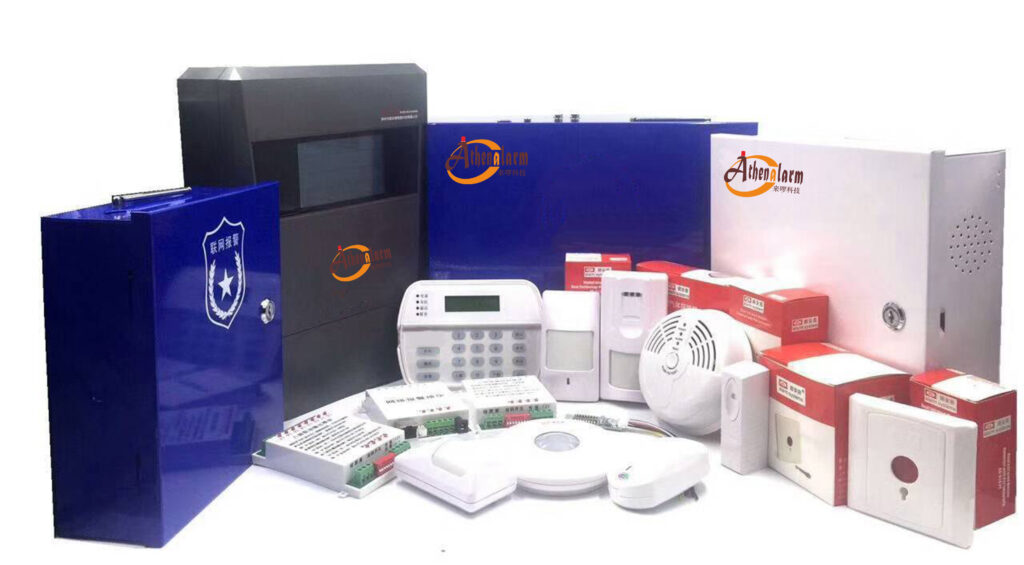
I. Introduction
With burglary rates fluctuating and security technology advancing faster than ever, both homeowners and enterprises are re-evaluating how well their current alarm systems truly protect them. Many systems in use today were installed more than a decade ago — before the rise of cloud monitoring, mobile alerts, and AI-driven analytics. Upgrading is no longer just about replacing old parts; it’s about transforming your security infrastructure to meet modern threats.
This Alarm System Upgrade FAQ was designed as a practical technical guide for anyone planning to enhance or expand their alarm setup. It compiles real-world insights from decades of professional experience in designing, installing, and maintaining advanced intrusion detection systems.
As a seasoned security expert with over 15 years in alarm system integration and corporate security management, I’ve seen how the right upgrade strategy can dramatically improve both protection and operational efficiency. This guide will answer the most frequently asked questions from clients, helping you make informed, cost-effective, and technically sound upgrade decisions.
II. Common Questions and Technical Answers
Q1: When Should I Consider Upgrading My Alarm System?
You should start evaluating your alarm system for an upgrade when:
- The system is over 5–7 years old and lacks support for modern connectivity.
- You’ve experienced frequent false alarms or component malfunctions.
- Your property has expanded, or the threat landscape has changed (e.g., more valuable assets, new entry points).
- Your current system cannot be monitored remotely via mobile apps or cloud platforms.
Quick self-checklist:
- Does your system support smartphone notifications?
- Are replacement parts still available?
- Are sensors or control panels compatible with current firmware?
If you answered “no” to more than two of these, it’s time to plan an upgrade.
Q2: What Are the Signs That My Current Alarm System Needs an Upgrade?
Common warning signs include:
- Frequent false alarms, often due to aging sensors or outdated software.
- Compatibility issues with modern networks (e.g., 4G/5G or Wi-Fi 6 routers).
- Limited automation, such as inability to connect with smart lighting or door locks.
- High maintenance costs, indicating obsolete hardware.
Tip: Before upgrading, try a full system audit — replace sensor batteries, check cabling integrity, and test zone responsiveness. If problems persist after maintenance, an upgrade is the cost-effective choice.
Q3: Wired vs. Wireless: Which Upgrade Path Is Right for Me?
Wired systems are preferred for:
- Large facilities requiring high reliability.
- Environments with strong electromagnetic interference (EMI).
- Users who already have in-wall cabling.
Wireless systems suit:
- Retrofitting old buildings.
- Temporary or rental spaces.
- Users needing quick, scalable installations.
Example:
A manufacturing plant may prefer a hybrid solution — wired for perimeter security and wireless for interior expansion zones. Always verify the communication frequency (e.g., 433 MHz, 868 MHz, or 2.4 GHz) to avoid signal overlap.
Q4: Can I Integrate Smart Home Devices with My Existing Alarm System During an Upgrade?
Yes — most modern panels support Z-Wave, Zigbee, or Wi-Fi protocols for smart integrations. You can connect devices such as:
- Smart locks and lights.
- Video doorbells.
- Voice assistants like Alexa or Google Home.
Integration Steps:
- Confirm that your alarm panel supports smart device protocols.
- Update firmware to ensure compatibility.
- Use encrypted connections and strong passwords to mitigate cyber risks.
Warning: Avoid mixing devices from unverified brands — protocol mismatches or firmware conflicts can cause false triggers or downtime.
Q5: What Costs Are Involved in Upgrading or Expanding an Alarm System?
A typical upgrade may include:
| Component | Estimated Cost (USD) |
|---|---|
| Control panel | $200–$600 |
| Sensors & detectors | $30–$120 each |
| Labor & installation | $300–$1,000 |
| Monitoring service | $20–$50/month |
Cost-saving tips:
- Phased upgrades: Start with high-risk zones first.
- Reuse compatible sensors if supported by your new controller.
- Compare cloud vs. local monitoring for long-term ROI.
ROI Tip: Upgraded alarm systems often reduce insurance premiums by 10–20%.
Q6: How Do I Expand My Alarm System to Cover Additional Areas or Buildings?
Expanding involves:
- Assessing coverage gaps — use a zone map to identify weak spots.
- Adding new sensors or cameras — prioritize perimeter and entry zones.
- Using repeaters or signal boosters for large or multi-building sites.
- Reprogramming zones in the control software for accurate event logging.
Pro Tip: Choose modular systems that support plug-and-play sensor addition to minimize downtime.
Q7: What Compatibility Issues Might Arise During an Alarm System Upgrade?
Compatibility problems often occur between:
- Legacy wired sensors and new digital control boards.
- Proprietary communication protocols.
- Outdated apps and new OS versions.
Checklist for smooth upgrades:
- Verify panel firmware and sensor model numbers.
- Confirm voltage and resistance match (especially for wired PIRs).
- Consult manufacturer migration guides.
Solution: Use protocol converters or universal adapters, or opt for a new unified ecosystem if legacy components are too old.
Q8: Should I Opt for Professional Installation or DIY for My Upgrade?
DIY installation may save money but is best for small setups.
Professional installation ensures:
- Compliance with local fire/safety codes.
- Optimal sensor placement.
- Reliable integration with monitoring services.
Recommendation:
- DIY: Apartment upgrades or replacing a few sensors.
- Professional: Commercial sites, large properties, or when integrating multiple technologies.
Q9: How Do I Maintain My Upgraded Alarm System for Long-Term Reliability?
Regular maintenance is key to longevity:
- Monthly: Test sensors and sirens.
- Quarterly: Inspect batteries and wireless signal strength.
- Annually: Schedule professional inspection and firmware updates.
Best Practice: Enable automatic alerts for low battery or connection loss via your monitoring platform.
Q10: What Emerging Technologies Should I Consider in an Alarm System Upgrade?
Modern systems increasingly use:
- AI-driven detection to reduce false alarms.
- 4G/5G and Ethernet backup links for reliable communication.
- Biometric access control (fingerprint or facial recognition).
- Cloud event storage for audit trails and analytics.
Future Trend: AI-integrated systems can distinguish between human motion and environmental noise, improving accuracy by over 90%.
Q11: How Can I Ensure My Upgraded System Complies with Local Regulations?
Always check:
- Permit requirements before installation.
- UL/EN certification for equipment.
- Insurance conditions for monitored systems.
If unsure, consult a licensed security installer who understands local compliance standards.
Q12: What If My Upgrade Doesn’t Go as Planned?
Common post-upgrade issues include:
- Connectivity drops: Reboot panel, reset Wi-Fi router, verify IP settings.
- Sensor failure: Re-pair or recalibrate.
- App errors: Update mobile software or reinstall the app.
If problems persist, contact your provider or use your system’s diagnostic logs to identify the fault zone.
III. Conclusion
Upgrading or expanding an alarm system isn’t just about modernization — it’s about resilience, adaptability, and long-term protection. By following the guidance in this Alarm System Upgrade FAQ, you can make informed decisions that enhance safety, reduce false alarms, and future-proof your investment.
Action Steps:
- Use our downloadable Upgrade Checklist to assess your current system.
- Consult certified professionals before finalizing hardware selections.
- Explore related guides in our Knowledge Base for deeper insights on alarm system integration, maintenance, and cost optimization.
Expert Note:
Security technology evolves continuously — staying informed about new standards and updates is as vital as the hardware itself. Always prioritize system integrity, data protection, and compliance to ensure maximum security performance.