
I. Introduction
Small and medium-sized enterprises (SMEs) are facing growing security challenges in 2025—from rising burglary rates to hybrid cyber-physical attacks targeting retail stores, offices, and logistics operations. According to industry reports, nearly 43% of security incidents now involve SMEs, mainly due to limited resources and outdated protection methods.
This blog focuses on analyzing practical SME Smart Security System Case studies to help business owners understand how intelligent security solutions can protect assets, reduce risks, and improve operational efficiency.
Our goal is educational: to empower SME owners, security managers, and decision-makers to evaluate modern security systems with confidence and make informed upgrade decisions.
II. Understanding Smart Security Systems for SMEs
What Is an SME Smart Security System?
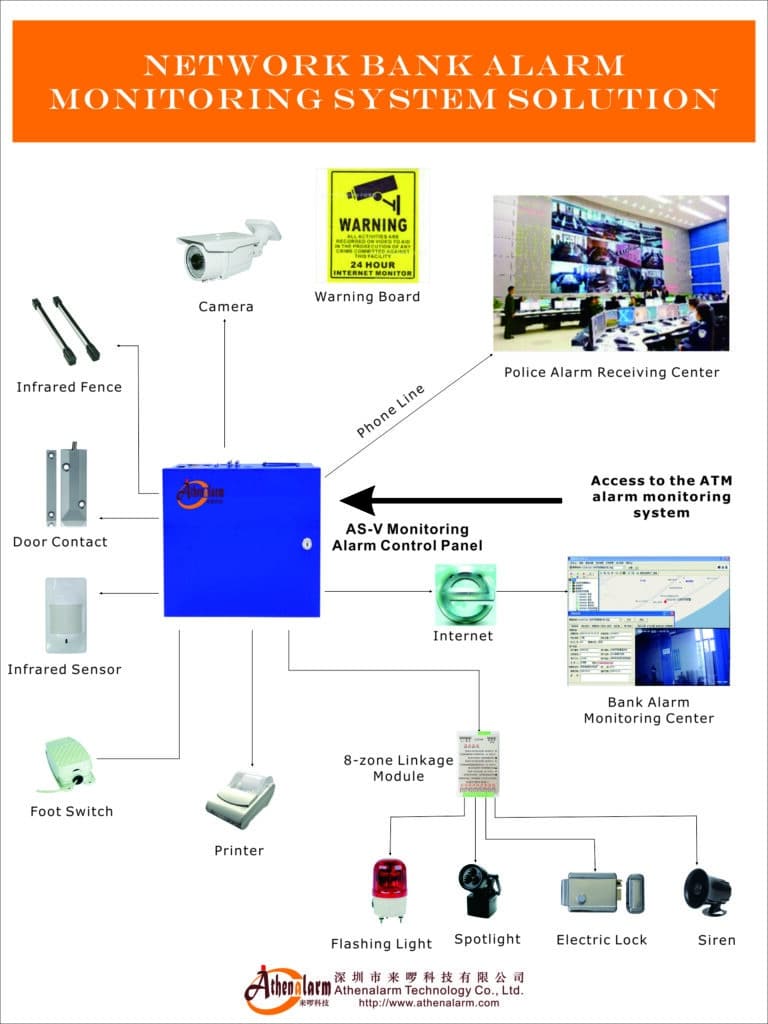
A smart security system integrates connected devices and intelligent analytics to create centralized, automated protection. Typical components include:
- AI-powered video surveillance (object detection, facial recognition, behavior analytics)
- IoT intrusion sensors (motion, door/window, vibration)
- Cloud-based alarm monitoring
- Access control systems (biometric, RFID, mobile credentials)
- Mobile app integration for remote management
- Environmental sensors (smoke, temperature, humidity, water leakage)
Why SMEs Need Smart Protection
SMEs often struggle with:
- Limited budgets and small security teams
- Multiple entry points without monitoring
- High theft risks (internal + external)
- Need for remote security during off-hours
- Compliance risks (GDPR, PDPA, data retention policies)
Key Benefits for SMEs
A modern smart security system helps solve these business challenges by offering:
- Cost-effective automation (reduces manual guards & human error)
- Scalability as the business grows
- Real-time alerts via cloud + mobile
- Data-driven insights to optimize operations
- Lower insurance premiums through verified incident logs
- Minimized downtime with early threat detection
Smart security is no longer optional—it has become a vital operational tool for SMEs.
III. Case Study 1: Smart Security for a Retail Store
Background
A mid-sized fashion retail shop in a busy downtown area faced frequent shoplifting, after-hours window break-ins, and rising staff safety concerns.
Challenges
- Monthly inventory shrinkage of 5–7%
- Shoplifting in blind spots
- Suspicious activity after closing hours
- Lack of real-time alerts for managers
Solution Deployed
The retailer implemented an intelligent system including:
- AI video cameras with behavior detection (loitering, item concealment)
- Smart intrusion sensors on doors and display windows
- Cloud-based burglar alarm with police notification
- POS–camera integration for transaction verification
- Mobile app monitoring for management
Implementation Steps
- Security assessment to identify blind zones
- Vendor shortlisting based on camera AI accuracy + cloud reliability
- Installation during off-hours to avoid business disruption
- Integration with POS and the existing network
- Staff training on responding to alerts
- Testing with simulated intrusions
Results & Metrics
- 40% reduction in inventory loss within 3 months
- Faster detection of theft incidents
- Zero after-hours break-ins
- 25% improvement in staff safety perception
Lessons Learned
- Budget 10–15% for system maintenance annually
- Avoid over-relying on cameras—combine with intrusion alarms
- Regularly update AI analytics to maintain accuracy
This case shows how smart systems turn a vulnerable store into a proactive, well-monitored environment.
IV. Case Study 2: Office Security Upgrade for a Tech Startup
Background
A growing technology startup managing sensitive R&D data needed a scalable security system to support hybrid work and protect intellectual property.
Challenges
- Unauthorized entries during flexible working hours
- Need for audit trails for compliance (GDPR)
- Protection of server room and confidential zones
- Monitoring multiple entry points with minimal staff
Solution Deployed
The office upgraded to:
- Biometric access control with role-based authorization
- AI-driven video surveillance for anomaly detection
- Cloud storage for secure footage retention
- Visitor management system with QR code check-in
- Integration with cybersecurity tools (SIEM)
Implementation Steps
- Future-proof planning for company growth
- Mapping access levels (staff, visitors, contractors)
- Compatibility checks with existing IT infrastructure
- Cloud migration with encrypted data retention
- Employee training on privacy compliance
- Regular security audits
Results & Metrics
- Zero unauthorized entries after deployment
- Improved employee morale and trust
- Faster incident investigation through centralized logs
- Higher compliance score during internal audits
Lessons Learned
- Integrate physical and cyber security early
- Keep biometric data anonymized or tokenized
- Plan access control scalability from day one
This case highlights the importance of intelligent access management for SMEs handling sensitive information.
V. Case Study 3: Warehouse & Logistics Security Modernization
Background
A logistics SME managing multi-zone storage, high-value inventory, and 24/7 operations needed improved perimeter and internal monitoring.
Challenges
- Perimeter breaches at night
- Vehicle tracking difficulty
- Internal theft from storage areas
- Environmental risks (fire, flooding)
Solution Deployed
The company implemented:
- Perimeter AI cameras with virtual tripwire
- Drone-assisted patrols for large areas
- IoT environmental sensors for fire/water detection
- RFID + video integration for cargo movement verification
- AI anomaly detection for unusual behavior or access patterns
Implementation Steps
- Phased rollout starting with perimeter zones
- ROI-focused planning to meet budget constraints
- Integration with WMS/ERP systems
- Automatic backup power for sensors
- Monthly maintenance schedule
Results & Metrics
- 30% reduction in insurance premiums
- Significant decrease in unauthorized movements
- Faster cargo dispute resolution
- Improved supply chain visibility
Lessons Learned
- Environmental sensors are critical for warehouse protection
- Drone integration reduces patrol cost
- Plan for future upgrades such as AI-based forklift tracking
VI. Best Practices & Implementation Guide for SME Owners
How to Choose the Right Smart Security System
Evaluate these factors:
- Budget suitability (hardware + cloud fees)
- Ease of use for non-technical staff
- Vendor reliability and update frequency
- Mobile app usability
- Integration with POS, HR, IT, or ERP systems
- Data storage compliance with local laws
Step-by-Step Implementation Roadmap
- Conduct a needs assessment
- Set a security budget (typically 3–7% of annual revenue at minimum risk profile)
- Select certified vendors
- Deploy components in phases
- Train employees
- Test alert workflows
- Review performance quarterly
Common Mistakes to Avoid
- Ignoring system scalability
- Poor cable/network planning
- No user training → high false alarms
- Buying cheap devices with no firmware updates
How to Calculate ROI
Measure:
- Reduction in theft/loss
- Reduction in guard costs
- Lower insurance premiums
- Productivity gains (faster investigation, automation)
- Prevention of downtime incidents
VII. Future Trends in SME Smart Security
SME security will soon be transformed by:
- Edge AI cameras
- 5G-based real-time monitoring
- Integrated cyber-physical defense systems
- Autonomous robots for patrol
- Predictive analytics to detect threats before they happen
SMEs that adopt scalable smart systems today will stay ahead of both security threats and compliance requirements.
VIII. Conclusion
These SME Smart Security System Case studies demonstrate how modern intelligent security solutions can dramatically improve protection, efficiency, and business continuity. Whether you operate a retail store, office, or warehouse, the right smart security system can reduce risk, boost operational confidence, and provide measurable ROI.
As a seasoned security consultant with over 15 years of experience in intrusion alarms and smart security system deployment, I recommend SME owners start with a needs assessment and consult trusted vendors to build a future-proof foundation for safety.