

Introduction
In today’s security landscape, businesses face the constant threat of network-based intrusions and burglaries. A delayed response to a breach can result in significant financial losses, tarnishing reputations and compromising sensitive data. For security professionals, product managers, and procurement decision-makers, understanding how to implement effective 24/7 network alarm monitoring is essential to mitigate such risks.
What is 24/7 Network Alarm Monitoring?
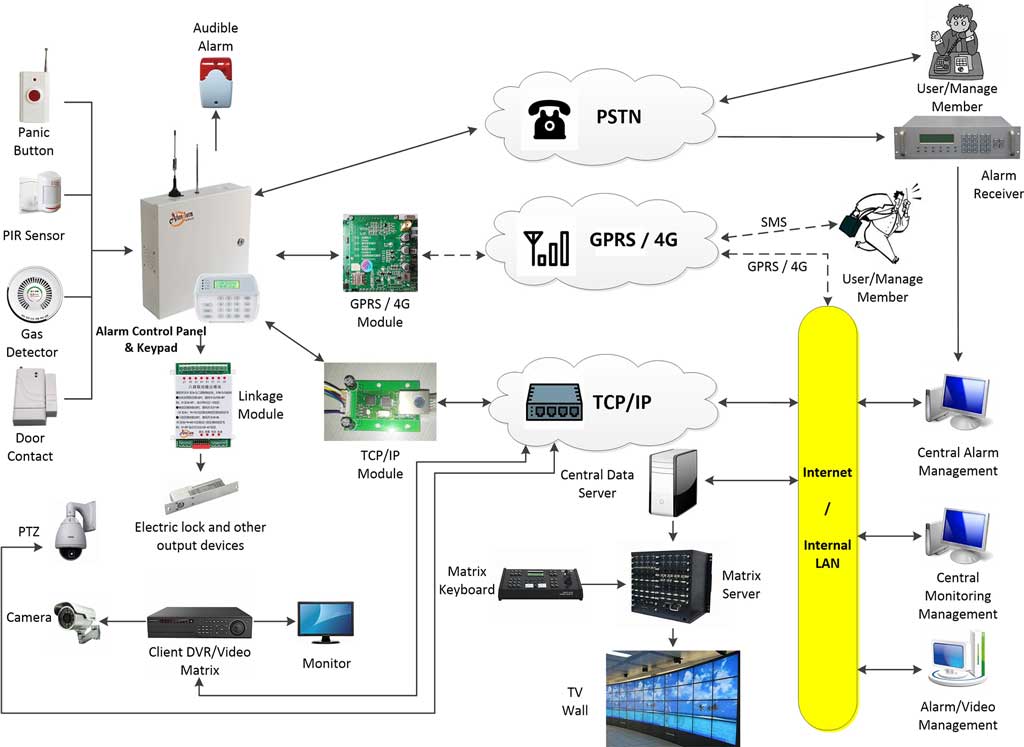
24/7 network alarm monitoring involves continuous surveillance through networked security systems—sensors, cameras, and centralized monitoring stations—operating around the clock to detect and respond to threats. These systems are integral to modern security setups, addressing key concerns such as false alarms, system downtimes, and compliance requirements.
Why It’s Essential
The importance of 24/7 alarm monitoring cannot be overstated. With the increasing sophistication of burglar alarm technologies, professionals need strategies that ensure uninterrupted coverage, cost-efficient solutions, and reliable response mechanisms. This blog will provide you with actionable strategies to set up and maintain these monitoring systems effectively.
1. Understanding the Fundamentals of 24/7 Network Alarm Monitoring
Before diving into implementation strategies, it’s crucial to understand the core components of network alarm monitoring systems.
Key Components of 24/7 Monitoring
- Central Monitoring Stations: These are the backbone of alarm monitoring systems. They receive alerts from sensors installed throughout the premises and take immediate action, whether notifying authorities or triggering emergency protocols.
- Sensor Integration: These include motion detectors, door/window contacts, and cameras, all connected to the central station for real-time data transmission.
- Communication Protocols: Modern systems use IP-based solutions, often combined with cellular backups, to ensure continuous communication. Having a dual-path communication system (internet + cellular) is vital to avoid single points of failure.
Addressing Common Challenges
While these systems are powerful, they are not without challenges:
- Network Vulnerabilities: Unauthorized access, signal interference, or loss of network connectivity can compromise system reliability.
- False Alarms: Poor sensor calibration or weather-related interference can lead to unnecessary responses, reducing the system’s efficiency.
Evaluation Checklist
To ensure the reliability of your system, evaluate the following:
- Is your system integrated with redundant communication channels (e.g., cellular backup)?
- Are sensors strategically placed to avoid false alarms?
- Is your central monitoring station compliant with industry standards such as NFPA 72?
2. Best Practices for Implementing Continuous Alarm Monitoring
Redundancy Is Key
To avoid system downtimes, it’s crucial to implement redundant monitoring solutions. This could mean using a combination of wired and wireless systems or having multiple communication paths between sensors and monitoring stations.
Example: A commercial building could deploy dual-path systems using both broadband and cellular networks to ensure a failover mechanism in case one path fails.
Optimizing Alert Management
To reduce false positives and improve system efficiency:
- AI-enhanced Verification: Incorporate AI-driven video verification to validate alerts before triggering a response.
- Real-time Notifications: Set up automated notifications via email, text, or mobile apps to instantly alert security personnel or stakeholders of an incident.
Best Practice: Integrate network alarm monitoring with video surveillance and access control systems. This allows for comprehensive security, enabling remote monitoring and control.
Streamlining Integration
For businesses with large facilities, the ability to integrate various security measures—video surveillance, access control, and environmental monitoring—is crucial. By adopting a unified platform for these systems, businesses can ensure a holistic, 24/7 monitoring solution.

3. Choosing the Right Technology and Partners for 24/7 Monitoring
Selecting Reliable Monitoring Centers
When choosing a monitoring station for 24/7 network security monitoring, ensure it meets key criteria:
- Certification and Compliance: Look for UL-listed stations or those compliant with NFPA 72 for fire alarms or UL 827 for central station services.
- Response Time: Monitoring centers should provide a guaranteed response time of under 60 seconds for emergencies.
Technology Considerations
Emerging tools such as cloud-based platforms and IoT sensors are transforming how 24/7 network monitoring systems are set up. These solutions offer scalability and flexibility, making them ideal for large deployments.
Cost Considerations: Although advanced tools may come at a higher upfront cost, their long-term benefits, such as reduced theft risks and lower insurance premiums, make them a worthwhile investment.
ROI Insights
Consider the cost-benefit analysis:
- Reduced risks of theft or system downtimes
- Lower insurance premiums due to enhanced security protocols
- Enhanced employee productivity and confidence
4. Compliance and Standards in Network Alarm Monitoring Strategies
Understanding Industry Standards
For any network alarm monitoring system, adherence to standards like NFPA 72 and UL 827 is vital for both reliability and compliance. These regulations ensure that systems are functioning optimally, reducing the risk of security breaches or system failures.
Risk Mitigation Through Compliance
Complying with these standards not only strengthens the alarm system’s reliability but also provides legal protection in case of incidents. Regular audits and certification renewals help maintain system integrity.
Actionable Tip: Regularly review the latest updates to industry standards to ensure your system remains compliant and efficient.
Case Study Example
In a large retail chain, upgrading to a 24/7 network alarm monitoring system compliant with NFPA 72 significantly reduced security breaches, while the implementation of cloud-based monitoring lowered costs associated with in-house system maintenance.
5. Advanced Strategies for Optimizing 24/7 Alarm Surveillance
Scalability for Large Deployments
For large organizations with multiple locations, scaling alarm systems to handle high volumes of alerts is crucial. Implement automation and predictive analytics to identify maintenance issues before they become critical.
Training and Maintenance
Regular staff training is essential to ensure that your monitoring team is prepared to handle any situation. Routine maintenance checks and system upgrades are also important to keep the system running at peak performance.
Future-Proofing Your Systems
With cybersecurity threats on the rise, integrating cybersecurity features into your alarm monitoring system is becoming increasingly important. Protect against network intrusions by employing encryption protocols and regularly updating software.
Conclusion
Effective 24/7 network alarm monitoring is more than just installing sensors; it involves strategic planning, technological integration, and continuous maintenance to ensure security and efficiency. By adopting the strategies outlined in this blog, you can significantly reduce security risks and improve operational efficiency.
References
- National Fire Protection Association (NFPA). (2022). NFPA 72: National Fire Alarm and Signaling Code. Retrieved from https://www.nfpa.org/codes-and-standards/nfpa-72-standard-development/72
- Underwriters Laboratories (UL). (2023). UL 827: Standard for Central-Station Alarm Services. Retrieved from https://www.ul.com/resources/monitoring-home-proposed-revisions-ul-827
- Athenalarm (2024). Alarm Monitoring Service: 9 Proven Ways to Ensure 24/7 Protection. Retrieved from https://athenalarm.com/athenalarm-technical-documents/burglar-alarm-knowledge/alarm-monitoring-service/
- Quick Response Monitoring. (2024). Why NFPA 72 is Critical to Central Station Monitoring. Retrieved from https://www.quickresponse.net/alarm-monitoring/nfpa-72-central-station-monitoring/
- CISA (Cybersecurity and Infrastructure Security Agency). (2024). Enhanced Visibility and Hardening Guidance for Communications Infrastructure. Retrieved from https://www.cisa.gov/resources-tools/resources/enhanced-visibility-and-hardening-guidance-communications-infrastructure
- Fidelis Security. (2025). 14 Best Network Monitoring Practices. Retrieved from https://fidelissecurity.com/cybersecurity-101/network-security/network-traffic-monitoring-best-practices/
- NIST. (2011). SP 800-137: Information Security Continuous Monitoring for Federal Information Systems and Organizations. Retrieved from https://nvlpubs.nist.gov/nistpubs/legacy/sp/nistspecialpublication800-137.pdf