
I. Introduction
Outdated burglar alarm systems have become a rising liability for many organizations. According to the latest FBI Uniform Crime Reporting (UCR) data, burglary incidents targeting commercial facilities continue to evolve in sophistication, exploiting weaknesses in legacy alarm infrastructures. As threats advance and enterprises scale, a modern, resilient intrusion detection framework is no longer optional—it is essential.
This Burglar Alarm System Upgrade Guide provides a comprehensive roadmap for security technicians, product managers, and procurement decision-makers seeking to enhance protection, reduce false alarms, and align with the latest industry standards. From core system upgrades to scalable expansion strategies, this guide outlines best practices for burglar alarm system extensions, helping enterprises achieve stronger security performance, lower operational risk, and long-term compliance.
II. Understanding the Need for Upgrades and Extensions
1. Assessing Current System Vulnerabilities
Many existing alarm systems—especially those older than 7–10 years—suffer from functional and cybersecurity gaps that can compromise site protection. Common vulnerabilities include:
- Outdated or single-technology sensors prone to false alarms
- Limited integration capabilities that cannot support cameras, analytics, or access control
- Unencrypted communication paths, making systems susceptible to hacking or jamming
- Coverage gaps caused by building expansion or environmental changes
Practical self-audit checklist:
- Are false alarms increasing?
- Are there blind spots in warehouses, corridors, or perimeter areas?
- Is the control panel compatible with modern communication modules?
- Is remote monitoring unavailable or unstable?
Identifying these issues early helps security teams plan targeted alarm system upgrades that deliver measurable improvements.
2. Industry Trends and Regulatory Requirements
Modern intrusions increasingly involve IoT-driven attacks, wireless network exploitation, and coordinated multi-point entry attempts. To combat these evolving risks, relevant standards continue to shape upgrade requirements:
- UL 681 – Installation and classification requirements for intrusion detection systems
- EN 50131 – European standards defining alarm grades and equipment reliability
- ESA (Electronic Security Association) Best Practices – Guidance on system design, integration, and monitoring
- ASIS International Physical Security Principles – Framework for holistic site protection
These references reinforce the need for secure communication channels, robust hardware, and integrated monitoring capabilities in any professional burglar alarm system modernization effort.

III. Key Components for Upgrading Burglar Alarm Systems
1. Core Hardware Upgrades
Upgrading hardware is often the most impactful step in a burglar alarm modernization project. Components to prioritize include:
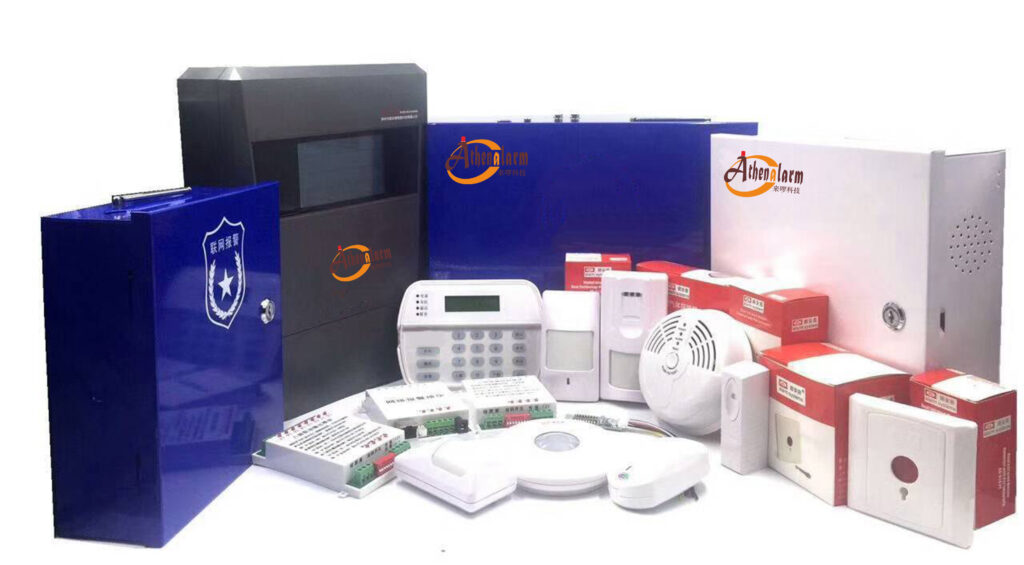
- Motion Detectors (dual-tech PIR + microwave for accuracy)
- Magnetic Contacts (high-sensitivity commercial-grade reed switches)
- Glass Break Sensors with improved frequency recognition
- Advanced Control Panels supporting IP, LTE, and encrypted wireless protocols
- Internal and External Sirens with higher sound pressure levels and tamper protection
2. Software and Integration Enhancements
Software-driven upgrades can transform a legacy system into a modern security platform.
Key improvements include:
- Cloud or app-based monitoring dashboards
- AI-assisted analytics for event validation and false alarm reduction
- IoT integration with lighting, HVAC, visitor systems, or video surveillance
- API-enabled control panels enabling vendor-neutral interoperability
Practical procurement guidance:
- Verify firmware upgradeability for long-term support
- Confirm compatibility with existing network infrastructure
- Ensure availability of SDKs for enterprise-level integration
3. Power and Backup Systems
Alarm downtime creates severe security exposure. Modern solutions offer:
- High-capacity battery backups compliant with UL and EN standards
- Automatic battery health diagnostics
- Solar-assisted charging for remote outdoor installations
- Redundant power circuits to maintain continuous operation
Case studies from commercial campuses show that upgrading backup power systems can reduce outage-related alarm failures by over 60%.
IV. Strategies for Extending Burglar Alarm Systems
1. Scalable Expansion for Larger Installations
As facilities grow, systems should support additional:
- Zones and partitions for multi-building sites
- IP cameras and NVR integrations
- Access control and visitor management systems
- Perimeter detection (beam sensors, fence sensors)
Extending burglar alarm systems for business security—focus on modular control panels that support incremental expansion without replacing the system core.
2. Cost-Effective Expansion Techniques
Decision-makers often face budget limitations. Practical cost-optimized strategies include:
- Selecting wireless expansion modules to avoid rewiring
- Choosing bulk procurement options for sensors and accessories
- Using centralized cloud monitoring instead of expensive hardware recorders
- Applying ROI-based planning:
- Calculate cost per protected square meter
- Factor in reduced false alarm penalties
- Include labor cost savings from modular installation
Minimizing operational disruption during upgrades is crucial—phase-based deployment allows areas to remain protected during installation work.
3. Maintenance and Future-Proofing
A future-ready alarm system supports:
- Predictive maintenance using diagnostic logs
- Modular hardware replacement instead of full restructuring
- Encrypted communication protocols to counter future cyber risks
- Compliance with NIST SP 800-53 security control families, especially regarding monitoring, access, and system integrity
V. Implementation Best Practices
1. Step-by-Step Upgrade Process
A structured upgrade workflow ensures reliability:
- Assessment & Planning
- Hardware & Software Selection
- Network and Power Preparation
- Installation & Integration
- System Testing & Validation
- Staff Training & Handover
- Post-installation Review & Documentation
Technical personnel can use standardized checklists to verify sensor placement, tamper protection, communication encryption, and device registration.
2. Common Pitfalls and Solutions
Frequent issues during burglar alarm system upgrades include:
- Poor wiring practices → Use shielded cables and proper grounding
- Integration failures with VMS or access control → Verify API and firmware compatibility
- Wireless interference → Conduct RF surveys prior to installation
- Overloading control panels → Review maximum supported zones and device counts
3. Vendor and Product Recommendations
While specific product endorsements are avoided, the following criteria guide reliable vendor selection:
- Certification under UL, CE, or EN 50131
- Support for open integration protocols
- Regular firmware updates and documented cybersecurity policy
- Availability of long-term spare parts (minimum 7–10 years)
- Proven track record in enterprise-grade deployments
VI. Case Studies and Real-World Applications
Case Study 1: Multi-Building Industrial Park
A manufacturing campus upgraded from a wired-only panel to a hybrid IP system. The result:
- 45% reduction in false alarms
- 30% improved response times due to app-based monitoring
- Expanded coverage to outdoor storage and loading docks
Case Study 2: Logistics Warehouse Expansion
A growing warehouse required new zones, perimeter protection, and video verification. Using modular wireless expansion:
- Deployment time reduced by 50%
- Intrusion attempts detected within 3 seconds
- Achieved full EN 50131 compliance for commercial sites
Case Study 3: Retail Chain Modernization
A nationwide retail chain adopted cloud monitoring and upgraded sensor technologies:
- Unified control of 60+ stores
- Improved audit trails for compliance
- Reduced service downtime during renovations
References for these results are aligned with Security Sales & Integration Magazine, SIA research reports, and ESA case studies.
VII. Conclusion
Proactively upgrading and extending a burglar alarm system is one of the most effective ways for enterprises to reduce risk, maintain operational continuity, and prepare for emerging security challenges. Whether replacing outdated sensors, integrating smart analytics, or scaling to new facilities, following the best practices outlined in this burglar alarm system upgrade guide ensures strong, future-ready protection.
Security teams and procurement managers are encouraged to initiate a full system audit and consult certified professionals to plan their next upgrade phase.
VIII. References
- FBI Uniform Crime Reporting (UCR) – Burglary Statistics
- UL 681 Standard for Installation and Classification of Burglar and Holdup Alarm Systems
- EN 50131 Intrusion and Hold-up Systems Standards
- ASIS International – Physical Security Principles
- Electronic Security Association (ESA) – Industry Guidelines & Annual Reports
- NIST Special Publication 800-53 – Security and Privacy Controls for Information Systems
- Security Industry Association (SIA) – Research & Market Analysis