
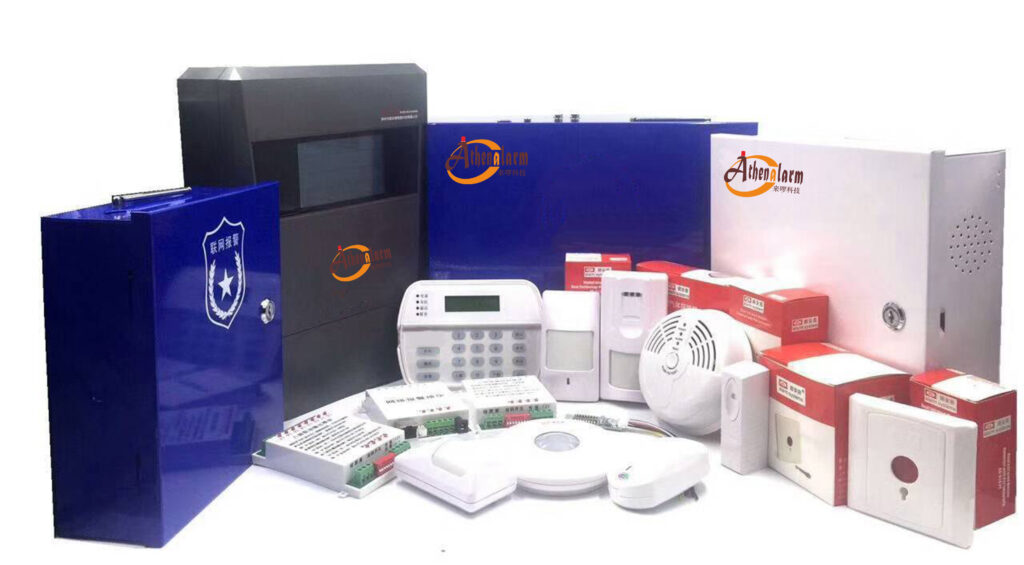
Introduction
A few years ago, a mid-sized commercial logistics facility contacted me after experiencing repeated system failures during a security upgrade. The company planned to extend its burglar alarm system by adding more motion detectors and expanding zones to newly built storage areas. However, the upgrade triggered intermittent false alarms, unstable wireless connections, and unexpected power supply faults. Their experience is far from unique—burglar alarm system extension challenges remain one of the most common pain points for security integrators and procurement teams.
Extending a burglar alarm system involves more than simply adding sensors or zones. It requires integrating new components into an existing architecture, ensuring compatibility, maintaining stable communication, and upgrading the power and wiring infrastructure. When handled incorrectly, these extensions can compromise reliability, increase operational risks, and introduce hidden costs.
This article explores the most frequent burglar alarm system extension challenges and fixes, offering practical, field-tested solutions for technicians, product managers, and procurement decision-makers. Whether you’re upgrading legacy systems, integrating smart technologies, or planning bulk deployments, the insights below will help you ensure seamless, scalable, and secure system expansions.
1. Understanding Common Burglar Alarm System Extension Challenges
1.1 Compatibility and Integration Hurdles
Compatibility is by far the most frequent obstacle when extending burglar alarm systems. Many legacy systems use proprietary or outdated communication protocols, while modern expansions rely heavily on wireless technologies such as Zigbee, Z-Wave, or 433/868 MHz RF.
Typical Issues
- Mismatched wired/wireless technologies
- Proprietary control panels preventing third-party hardware integration
- Limited zone capacity on older panels
- Sensor types that do not align with existing detection logic
These burglar alarm system compatibility issues during extensions often lead to intermittent faults, increased false alarms, or an inability to synchronize events across zones.
Example from field experience:
A warehouse expansion required adding 32 wireless PIR sensors to an old wired control panel. Incompatibility between protocols caused delays in alarm reporting and communication losses, ultimately forcing a full panel upgrade.
Practical Advice
- Conduct a compatibility audit before procurement
- Verify protocol alignment across all new and legacy devices
- Prefer open-protocol platforms to minimize future integration risks
1.2 Wiring, Power Supply, and Infrastructure Limitations
As more devices are added, infrastructure limitations quickly emerge. These include insufficient cabling, inadequate power distribution, and environmental factors affecting signal propagation.
Common Challenges
- Voltage drops over long cable runs
- Overloaded power supplies when adding sirens, PIRs, or magnetic contacts
- Old conduits lacking room for additional wiring
- Inconsistent ground references causing sensor instability
In large-scale or bulk procurement scenarios, overlooking these issues may escalate installation time and maintenance costs.
Troubleshooting Tips
- Calculate total current draw before adding devices
- Use voltage drop calculators when extending wired zones
- Consider PoE-enabled devices where applicable
- Upgrade power supplies to support growth
1.3 Signal Interference and Reliability Concerns
Wireless burglar alarm extensions are particularly vulnerable to interference. As more zones are added, communication channels may become congested, especially in environments with machinery, metal structures, or heavy RF usage.
Interference Sources
- Wi-Fi routers (2.4/5 GHz overlap)
- Industrial equipment
- Concrete walls and metal racks
- Overcrowded wireless networks
This affects reliability, delays alarm events, and increases maintenance efforts.
Industry Standards to Reference
- UL 681: Covers installation best practices for intrusion systems
- EN 50131: European standard defining system reliability requirements
1.4 Cost and Resource Management in Extensions
Budget overruns are common during system expansion projects. Unaccounted hardware upgrades, increased installation labor, and compatibility-related rework often inflate project costs.
Key Cost Pressures
- Replacement of incompatible control panels
- Additional repeaters or power modules
- Skilled labor shortages
- Delays related to procurement lead times
For product managers or bulk purchasers, vendor selection becomes critical—choosing systems with modular expansion capability can reduce long-term costs.
Procurement Feasibility Checklist
- Verify future scalability (zones, devices, bandwidth)
- Ensure long-term vendor support
- Assess maintenance tools and diagnostic capabilities
- Check licensing, firmware update cycles
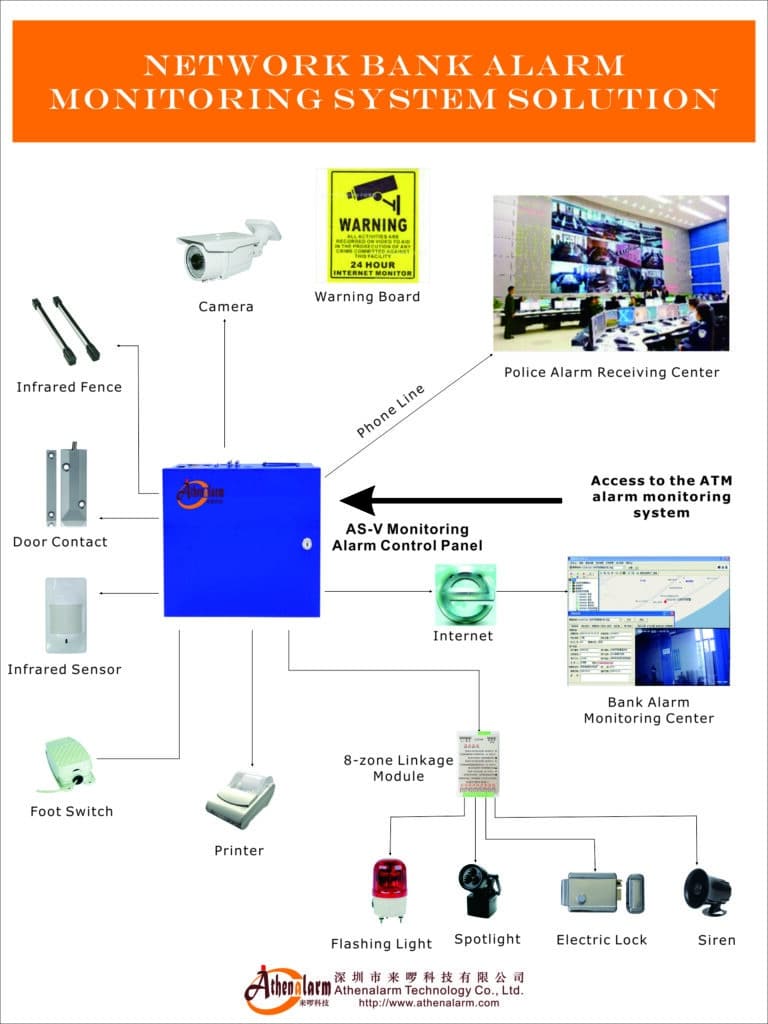
2. Proven Fixes and Best Practices for Burglar Alarm System Extensions
2.1 Selecting Compatible Components and Vendors
The most effective fix starts with using compatible, modular hardware. Systems built on open standards such as Z-Wave, Zigbee, or ONVIF-aligned sensors (when video is integrated) tend to scale more smoothly.
Recommended Best Practices
- Perform a compatibility audit before procurement
- Request vendor specification sheets for all components
- Prefer platforms with modular control panels and expansion boards
- Use standardized communication modules over proprietary interfaces
Industry reference: ASIS International’s reports on integrated security solutions.
2.2 Optimizing Wiring and Power Infrastructure
Proper power and wiring planning ensures stability during scaling.
Fixes and Solutions
- Upgrade to a multi-output power supply with independent protection
- Use PoE extenders where compatible
- Implement battery-backed zones for critical areas
- Follow EN 50131 wiring categories for intrusion systems
For technicians, including clear load calculations in planning documents enhances maintenance efficiency and prevents downtime.
2.3 Minimizing Signal Interference and Enhancing Reliability
Wireless reliability can be significantly improved with a structured approach.
Proven Fixes
- Conduct RF site surveys before installation
- Utilize frequency-hopping spread spectrum (FHSS) technologies
- Add repeaters or mesh networking modules
- Encrypt wireless communication to reduce unauthorized interference
Security managers should also pilot-test new sensors in their intended location before bulk deployment.
2.4 Strategic Planning for Cost-Effective Extensions
Successful expansion projects follow structured planning and staged implementation.
Best-Practice Methods
- Divide upgrades into phases to minimize downtime
- Establish long-term vendor partnerships for better pricing
- Evaluate the ROI of upgrading vs. extending legacy systems
- Secure extended warranties for added devices and network modules
Reference: NIST SP 800-82’s guidance on securing interconnected control systems.
Conclusion
Extending a burglar alarm system is a complex process that requires careful consideration of compatibility, infrastructure, signal reliability, and cost management. By understanding these burglar alarm system extension challenges and fixes, security professionals and decision-makers can avoid common pitfalls and implement more robust, scalable solutions.
Applying structured audits, selecting modular hardware, planning power and wiring upgrades, and mitigating wireless interference will ensure long-term performance and reduce operational risks. For your next upgrade project, consider involving certified installers or security engineers early—it often saves time, reduces cost, and improves security outcomes across the entire facility.
As burglar alarm technologies continue to evolve in the IoT era, staying informed about system scalability and integration best practices will remain essential for every security professional.
References
- UL 681 – Installation and Classification of Burglar and Holdup Alarm Systems, Underwriters Laboratories.
- EN 50131 Series – Intrusion and Hold-Up Alarm Systems, European Committee for Standardization.
- ASIS International – Physical Security Guidelines & Security Management Publications.
- NIST Special Publication 800-82 – Guide to Industrial Control Systems Security.
- SIA (Security Industry Association) – Reports on system integration and alarm system scalability.
- Peer-reviewed articles in Security Management Magazine covering intrusion alarm design and upgrade strategies.