
Introduction
Small and medium enterprises (SMEs) continue to be primary targets of burglaries and property crimes. According to the FBI’s Uniform Crime Reporting (UCR) Program, non-residential burglaries account for a significant portion of annual property losses, with many incidents occurring after business hours. For SMEs, a single intrusion event can lead not only to direct financial losses but also operational disruptions, insurance complications, and long-term reputational damage.
A well-designed intrusion alarm system—often referred to as a burglar alarm, intrusion detection system, or electronic premises security system—plays a critical role in preventing unauthorized access and helping businesses comply with security standards and insurance requirements. This SME Intrusion Alarm Deployment Guide is designed for technical personnel, security product managers, procurement teams, and bulk buyers who need a structured, technically sound roadmap to deploy intrusion alarm systems effectively.
This guide covers risk assessment, system selection, installation best practices, and long-term maintenance, incorporating industry standards such as UL 681, NFPA 731, and ANSI/SIA CP-01. The goal is to ensure SMEs achieve robust protection without unnecessary complexity or cost.
Section 1: Assessing Your SME’s Security Needs
Understanding Risks and Requirements in Intrusion Alarm Deployment
A successful deployment begins with an accurate understanding of the SME’s security risks. Many small and medium businesses share common vulnerabilities:
- Multiple external entry points such as front and rear doors
- Easily accessible windows
- Remote warehouse locations
- Limited on-site staffing during off-hours
- Budget constraints leading to insufficient security infrastructure
Conducting a Comprehensive Site Survey
A technical site survey should include:
- Entry/exit analysis: Identify all vulnerable portals—doors, windows, loading docks.
- Asset zones: Prioritize areas with high-value inventory, cash storage, or sensitive documents.
- Environmental considerations: Temperature, humidity, electromagnetic interference, and lighting conditions that may affect sensors.
- Network environment: Assess the availability of wiring routes, router locations, and signal coverage for wireless systems.
To align with industry standards, SMEs should reference:
- UL 681 — Installation and Classification of Burglar and Holdup Alarm Systems
- NFPA 731 — Standard for the Installation of Electronic Premises Security Systems
Both standards provide frameworks for intrusion risk classification, equipment installation criteria, and operational reliability.
Practical Tools
- Use threat assessment checklists adopted by ASIS International.
- Basic vulnerability scanners or mobile survey apps help map high-risk zones efficiently.
- Create a risk scoring table to prioritize deployment areas.
Section 2: Selecting the Right Intrusion Alarm System for SMEs
Key Features and Considerations for Burglar Alarm Products
Choosing an intrusion alarm system requires balancing functionality, cost, and scalability.
Wired vs. Wireless Systems
| Feature | Wired Systems | Wireless Systems |
|---|---|---|
| Reliability | High, stable | Dependent on signal quality |
| Installation | More complex | Fast, flexible |
| Maintenance | Low | Requires battery checks |
| Scalability | Harder to expand | Very scalable |
SMEs with modern office layouts or frequent reconfiguration often prefer hybrid systems combining wired cores with wireless peripherals.
Essential System Components
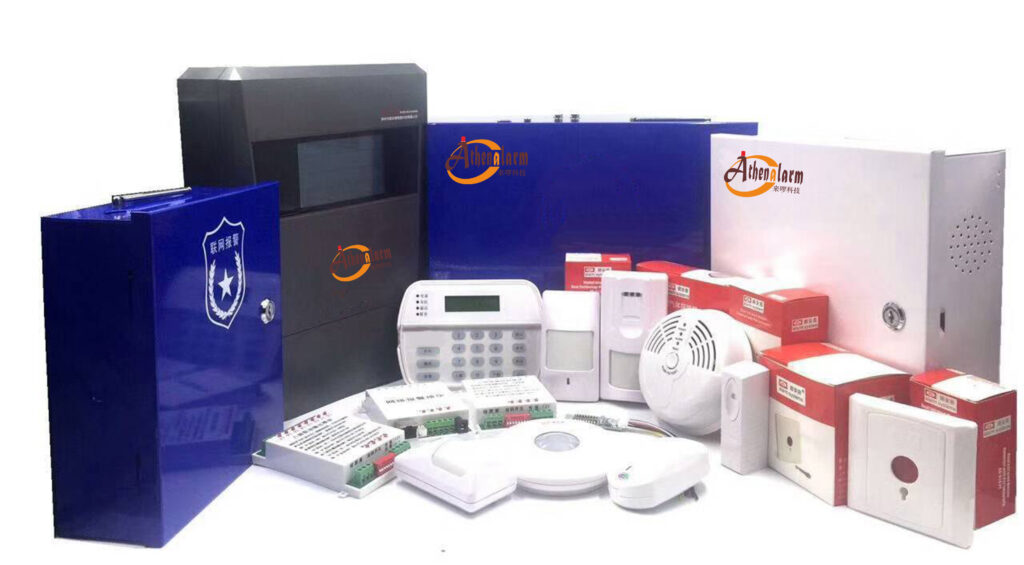
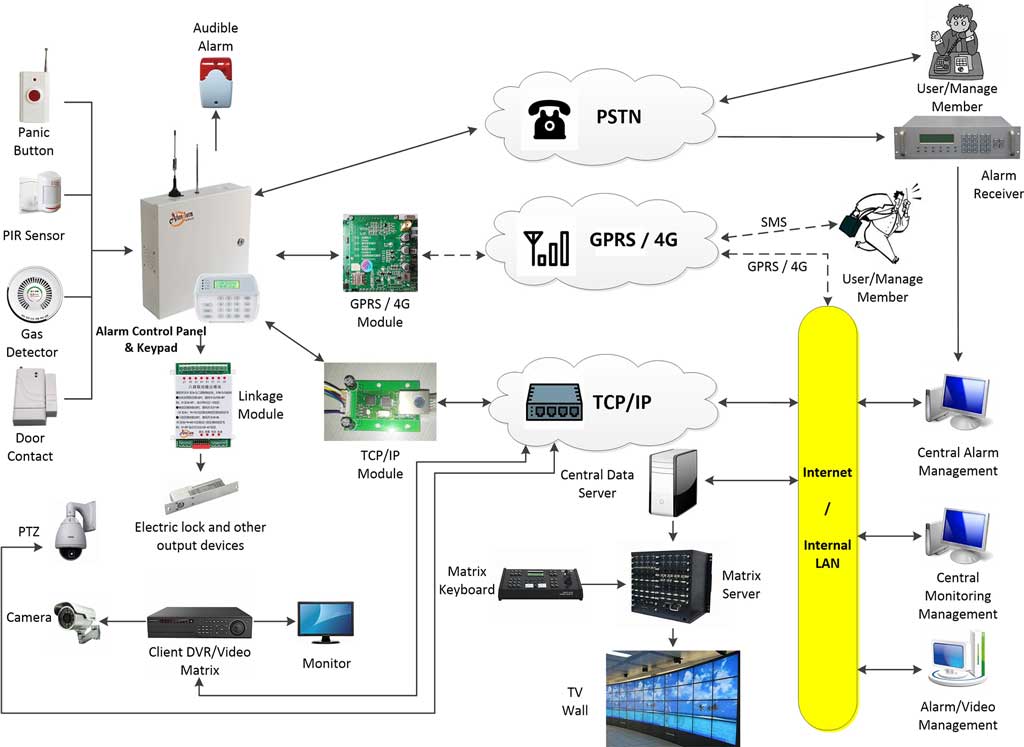
An effective SME intrusion detection system includes:
- Motion detectors (PIR, dual-tech, microwave for harsh environments)
- Door/window magnetic contacts
- Glass-break sensors for perimeter reinforcement
- Control panel / alarm host with tamper protection
- External/internal sirens with battery backup
- Communication modules (4G/5G, Ethernet, Wi-Fi)
- Optional integrations: CCTV, access control, smart locks, IoT-based monitoring
For product quality, procurement teams should look for compliance with:
- ANSI/SIA CP-01 (false alarm reduction standard)
- Manufacturer reliability metrics
- Long warranty periods
- Third-party certification from recognized labs
Procurement Recommendations
- Review vendor MTBF (mean time between failures) data.
- Request integration test reports if connecting to existing CCTV or access control.
- Compare total cost of ownership, not just upfront price.
Practical Value
Industry reports from ASIS International and annual SDM Magazine surveys provide performance benchmarks and real deployment cases for SMEs. Procurement teams can use these reports to make evidence-based decisions.
Section 3: Step-by-Step Deployment and Installation Process
Implementing Your SME Intrusion Alarm System Effectively
A structured deployment ensures system reliability and long-term stability.
Phase 1: Planning and Zoning
- Prepare a zoning layout based on risk assessment.
- Assign perimeter zones, interior zones, and restricted zones for advanced protection.
- Confirm cabling routes, Wi-Fi signal coverage, and panel placement.
- Ensure that zoning aligns with UL 681 classification levels.
Phase 2: Installation Best Practices
Wiring guidelines (for wired or hybrid systems):
- Use shielded cables for environments prone to electromagnetic interference.
- Maintain separation between power lines and signal cables.
- Protect conduits and cable paths against tampering.
Wireless installation considerations:
- Conduct RF signal tests before mounting devices.
- Avoid obstructions such as metal shelves or thick walls.
- Ensure sensors use frequency-hopping technology to prevent jamming.
Common technical pitfalls to avoid:
- Misaligned PIR sensors
- Improperly mounted contacts
- Inadequate grounding
- Weak Wi-Fi coverage for cloud-connected alarm panels
Phase 3: Testing and Commissioning
Testing must include:
- Functional testing for every zone
- Communication redundancy testing (Ethernet + cellular backup)
- False alarm testing based on ANSI/SIA CP-01 requirements
- End-user acceptance testing with signing of commissioning documents
Integration with Smart and IoT Technologies
SMEs increasingly adopt IoT-enabled systems supporting:
- Remote arming/disarming
- Push notifications
- Cloud-based event logs
- Integration via ONVIF or MQTT with video surveillance
Safety and Compliance Notes
Installation personnel should follow OSHA safety guidelines for ladder use, electrical handling, and hazardous work environments.
Section 4: Maintenance, Monitoring, and Upgrades
Ensuring Long-Term Reliability of Your Intrusion Alarm Setup
Even the best deployment requires ongoing management to maintain effectiveness.
Routine Maintenance Schedule
- Test sirens and communication paths monthly
- Replace batteries every 12–24 months (wireless devices)
- Inspect motion sensors and clean lenses
- Review logs for tamper or signal interference warnings
- Apply firmware and software updates immediately
Monitoring Options: Self-Monitored vs. Central Station
| Feature | Self-Monitoring | Professional Central Station Monitoring |
|---|---|---|
| Cost | Low | Higher recurring fee |
| Reliability | User-dependent | 24/7 monitoring |
| Response | Manual | Automated dispatch |
| Standards | — | Follows CSAA/UL 827 standards |
For SMEs handling high-value inventory, central station monitoring is strongly recommended.
Upgrade Planning
As SMEs grow, intrusion alarm systems may need:
- Additional zones
- Wireless repeaters
- Higher-grade encrypted sensors
- AI-based analytics for human/vehicle pattern detection
Industry reports from SDM Magazine indicate that SMEs increasingly adopt AI-enhanced alarm systems to reduce false alarms and improve detection accuracy.
Common Troubleshooting Scenarios
- Repeated false alarms → Check for drafts, insects, and sensor misalignment
- Communication failure → Test cellular backup module
- Weak wireless signals → Install repeaters or reposition control panel
Conclusion
Deploying an intrusion alarm system for SMEs requires a structured approach—from risk assessment to system selection, installation, monitoring, and ongoing upgrades. By following industry standards such as UL 681, NFPA 731, and ANSI/SIA CP-01, SMEs can significantly strengthen their security posture and reduce operational risks.
Whether you are a technical engineer, product manager, procurement specialist, or bulk purchaser, a well-planned deployment ensures long-term reliability and peace of mind. As alarm technologies evolve, SMEs should continue exploring advanced features such as AI analytics and cloud-connected monitoring to stay ahead of emerging security threats.
References
- Federal Bureau of Investigation. (2023). Uniform Crime Reporting Program: Property Crime Statistics.
- UL Standards. (2022). UL 681 – Installation and Classification of Burglar and Holdup Alarm Systems.
- National Fire Protection Association. (2022). NFPA 731 – Standard for the Installation of Electronic Premises Security Systems.
- ASIS International. (2023). Physical Security Guidelines for Small and Medium Enterprises.
- SDM Magazine. (2023). Annual Industry Forecast & Alarm System Performance Report.
- The Monitoring Association (formerly CSAA). (2021). UL 827 Standards for Central Station Services.
- Journal of Security Management. (2022). Intrusion Detection Deployment in SMEs: Risk Patterns and Best Practices.