
I. Introduction
Power reliability is one of the most critical factors in the performance of any intruder alarm control panel. In real-world installations—from warehouses and retail stores to data centers—unexpected power failures can cause false alarms, communication outages, or even complete system shutdowns at the exact moment an intrusion attempt occurs. These gaps expose high-value assets and weaken the trust in the security infrastructure.
Routine inspection of both the main power supply and the backup battery is therefore essential for ensuring continuous operation, system stability, and compliance with industry standards. This technical guide provides a step-by-step procedure designed specifically for security technicians, product managers, procurement teams, and large-scale buyers responsible for maintaining, evaluating, or sourcing professional intrusion alarm equipment.
II. Understanding the Components
Key Elements of Power Systems in Intruder Alarm Control Panels
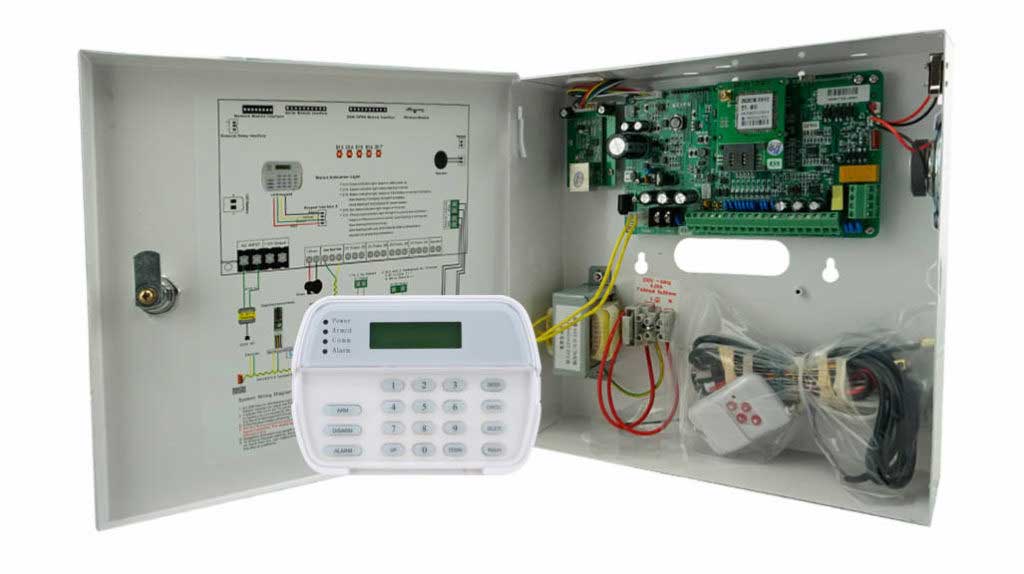
A professional intruder alarm control panel relies on two primary power sources: the AC main supply and the backup battery. Understanding these components ensures accurate evaluation during maintenance.
1. Main Power Supply
The main supply typically connects to 110–240V AC, stabilizing power through an internal transformer and rectifier. Common risks include voltage fluctuations, electrical surges, loose terminals, and localized outages. Any disruption may force the alarm panel into battery mode, increasing wear on the backup system.
2. Backup Battery System
Most control panels use sealed lead-acid (SLA) batteries, though higher-end models may adopt lithium-ion backup batteries for extended life cycles. Key factors affecting battery performance include:
- Ambient temperature
- Discharge frequency
- Age and chemistry
- Charging accuracy within the control panel
Reliable backup power is essential to meet industry uptime expectations and regulatory requirements.
III. Preparation Before Inspection
Essential Tools and Safety Precautions
Before inspecting an alarm panel’s power system, technicians must prepare the correct equipment and follow safety protocols.
Required Tools
- Digital multimeter
- AC voltage tester
- Battery load tester
- Insulated screwdrivers
- PPE (gloves, eye protection)
Safety Measures
- Disconnect the AC supply when working on internal wiring.
- Follow lockout/tagout (LOTO) processes to prevent accidental energizing.
- Avoid touching exposed conductors while measuring voltages.
Best Practices
- Schedule inspections during low system activity periods.
- Record baseline voltage and current data for future trend analysis.
- In large facilities, maintain standardized logs for consistent audits.
IV. Step-by-Step Procedure for Checking the Main Power
Verifying the Main Power Supply
Step 1: Visual Inspection
Open the intruder alarm control panel and examine:
- AC input terminals
- Transformer connections
- Fuses and circuit protection modules
- Signs of overheating, burnt marks, or loose wiring
This helps identify faults that may not appear through electrical testing alone.
Step 2: Measure AC Input and DC Output Voltage
Use a multimeter to confirm:
- Proper AC mains voltage at the input
- Stable DC power output supplying internal circuits (typically 12–14V DC depending on the system)
Compare readings against the manufacturer’s specifications. Deviations may indicate transformer damage or power supply degradation.
Step 3: Check Continuity and Grounding
Ensure grounding continuity and verify that the earth connection is intact. Poor grounding can lead to intermittent failures, panel resets, and noise interference.
Troubleshooting Tips
- Fluctuating voltage: Confirm the stability of the building’s AC supply or consider adding surge protection.
- No DC output: Suspect a failed rectifier module or internal fuse.
- Overheating: Inspect for overloaded circuits or ventilation issues.
V. Step-by-Step Procedure for Checking Backup Battery Condition
Assessing the Backup Battery
Step 1: Safe Disconnection and Visual Check
Isolate the panel’s AC supply and disconnect the battery. Inspect for:
- Cracks or swelling
- Acid leakage
- Corroded terminals
Any physical deformity warrants immediate replacement.
Step 2: Voltage and Capacity Testing
Measure:
- Open-circuit voltage (OCV): A healthy 12V SLA battery should remain above 12.6V.
- Load test: Use a battery tester to verify actual usable capacity, not just surface charge.
Step 3: Evaluate the Charge Cycle
Reconnect the battery and monitor:
- Charging current
- Time to reach full charge
- Any fault indicators or LED warnings on the control panel
Abnormal charging can signal aging batteries or faulty charge circuitry.
Replacement Guidelines
Industry experience shows that SLA batteries should be replaced every 3–5 years, depending on usage and environmental conditions—an essential consideration for bulk procurement and lifecycle planning.
VI. Common Issues and Troubleshooting
Identifying and Resolving Power-Related Problems
Common issues affecting intruder alarm control panels include:
1. Battery Degradation
- Reduced capacity due to age
- Elevated temperatures accelerating plate corrosion
- Deep discharge cycles decreasing lifespan
Solution: Replace the battery, verify charging voltage, and improve airflow within the panel cabinet.
2. Power Supply Fluctuations
- External surges from industrial equipment
- Weak connections at terminal blocks
- Transformer fatigue
Solution: Install surge suppressors, tighten connections, or replace the power supply board.
3. Environmental Impacts
High humidity or excessive dust can corrode terminals and degrade both battery and power boards.
Solution: Improve enclosure sealing (IP-rated housings), add environmental filters, and schedule more frequent inspections in harsh locations.
For product managers and procurement teams, this section supports choosing higher-durability components and evaluating vendor warranties for long-term reliability.
VII. Maintenance Best Practices and Compliance
Ensuring Long-Term Reliability
Recommended Inspection Frequency
- Quarterly checks for high-risk or mission-critical sites
- Annual inspections for standard commercial environments
- Biannual battery capacity tests for optimized replacement planning
Compliance With Industry Standards
To ensure alignment with global security system requirements:
- EN 50131-1 – European standards for intrusion and hold-up alarm systems
- UL 681 – U.S. installation and classification standard for burglar and holdup alarm systems
- IEC technical guidance – For battery reliability and safety considerations
Proper documentation of all inspection results is essential for audits, warranty claims, and evaluating system ROI.
VIII. Conclusion
Ensuring the reliability of an intruder alarm control panel requires regular, structured inspection of both the main power supply and the backup battery. Visual checks, voltage measurements, load testing, grounding verification, and charge-cycle monitoring form the foundation of effective maintenance.
By following the procedures outlined in this guide, security technicians, product managers, and procurement professionals can prevent failures, extend system lifespan, and make informed decisions about equipment upgrades and replacements. Routine power and battery verification not only improves security performance but also ensures compliance with globally recognized alarm system standards.